9 Practical U.S. Trips That Skip the Dreamy BS

Travel industry analysts and consumer behavior economists have observed a shifting trend where vacationers increasingly prioritize logistical efficiency and tangible value over curated social media aesthetics. These practical travelers seek destinations where the infrastructure works reliably and the cost of entry matches the quality of the experience. Experts in urban planning note that cities with manageable airport proximity, walkable downtown cores, and distinct cultural assets often score higher in visitor satisfaction than widely hyped coastal metropolises that suffer from overcrowding and inflated pricing.
Logistics consultants and budget travel advisors emphasize that the most successful practical trips focus on destinations where the barrier to enjoyment is low. This means targeting cities where restaurant reservations are attainable without months of planning and where traffic congestion does not consume half the itinerary. By stripping away the romanticized marketing that often leads to disappointment, these locations deliver a straightforward and high-quality experience rooted in accessibility, affordability, and authentic regional character.
Indianapolis In Indiana
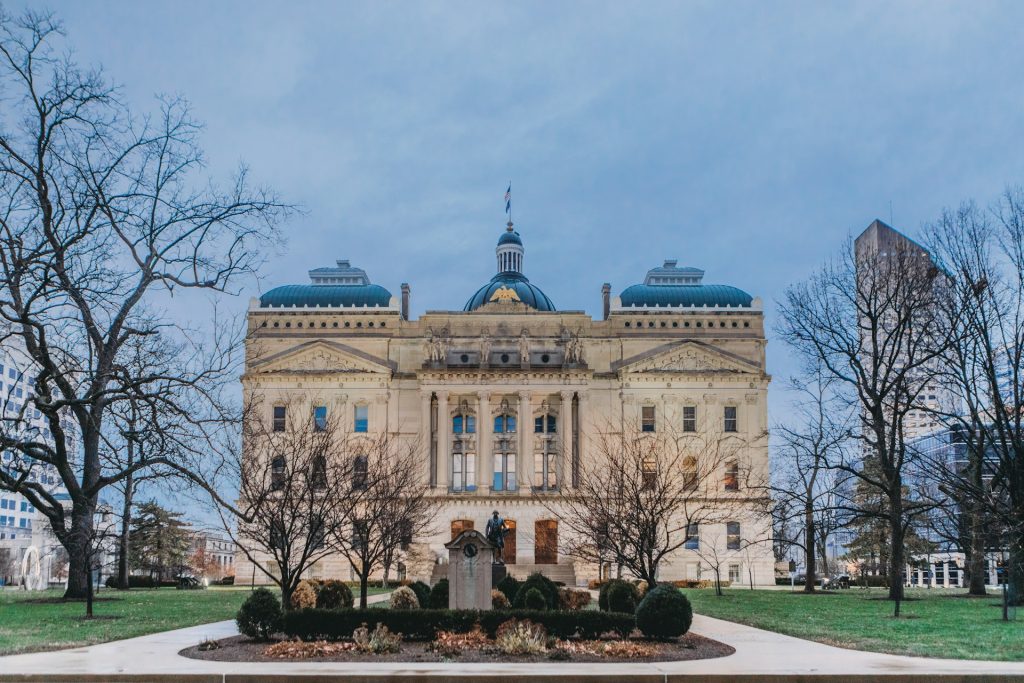
Convention planners and urban designers frequently cite this midwestern capital as a model of downtown efficiency. The city features an extensive network of climate-controlled skywalks that connect major hotels directly to the convention center and Lucas Oil Stadium. This infrastructure allows visitors to navigate the city center comfortably regardless of the weather conditions. Hospitality experts note that the dense concentration of amenities means travelers rarely require a rental car once they arrive in the downtown district.
Museum curators highlight the Children’s Museum of Indianapolis as one of the largest and most comprehensive institutions of its kind globally. The facility focuses on high-capacity handling and educational depth rather than elitist exclusivity. Sports economists also point to the accessibility of professional sporting events here where ticket prices remain significantly lower than in larger markets. This combination of walkable logistics and accessible entertainment makes it a prime target for travelers who value ease of movement over glamour.
Cleveland In Ohio
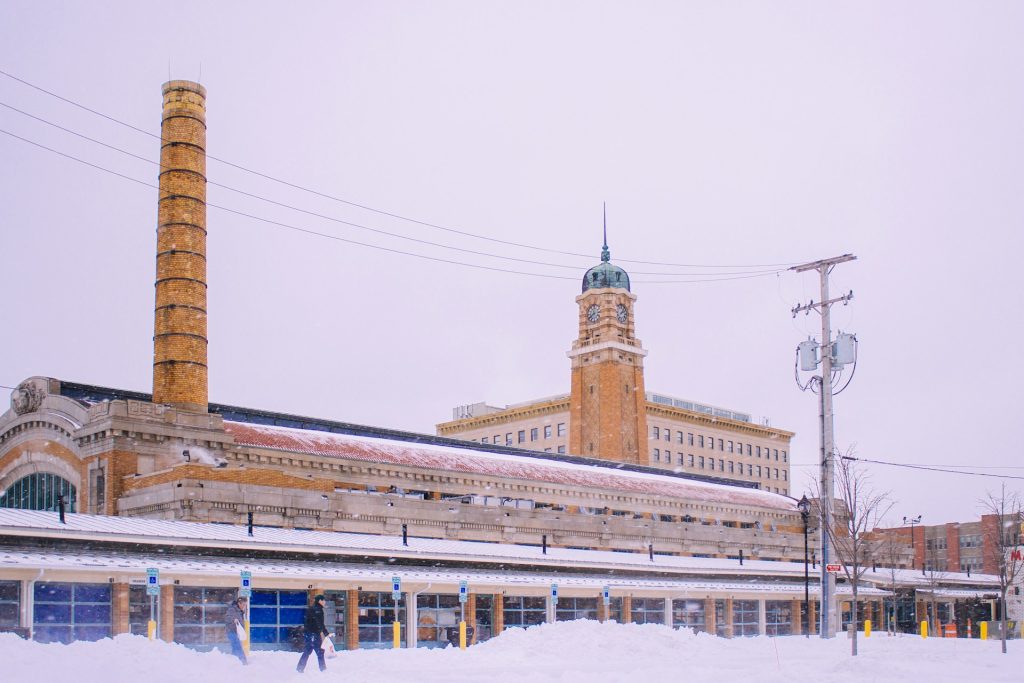
Cultural economists and regional development officials identify Cleveland as a destination providing an exceptionally high return on investment for arts-focused travelers. The University Circle neighborhood concentrates world-class institutions like the Cleveland Museum of Art and the Cleveland Orchestra within a walkable park setting. Art historians note that the museum is one of the last major institutions in the country to maintain a policy of free general admission which allows visitors to engage with the collection multiple times without financial friction.
Food critics and restaurant industry analysts observe that the local culinary scene benefits from lower overhead costs compared to New York or Chicago. This economic reality allows chefs to take creative risks while keeping menu prices within a reasonable range for the average consumer. Transit planners commend the Greater Cleveland Regional Transit Authority for maintaining a rail link directly from the airport to the city center which eliminates the need for expensive rideshare services immediately upon arrival.
Kansas City In Missouri
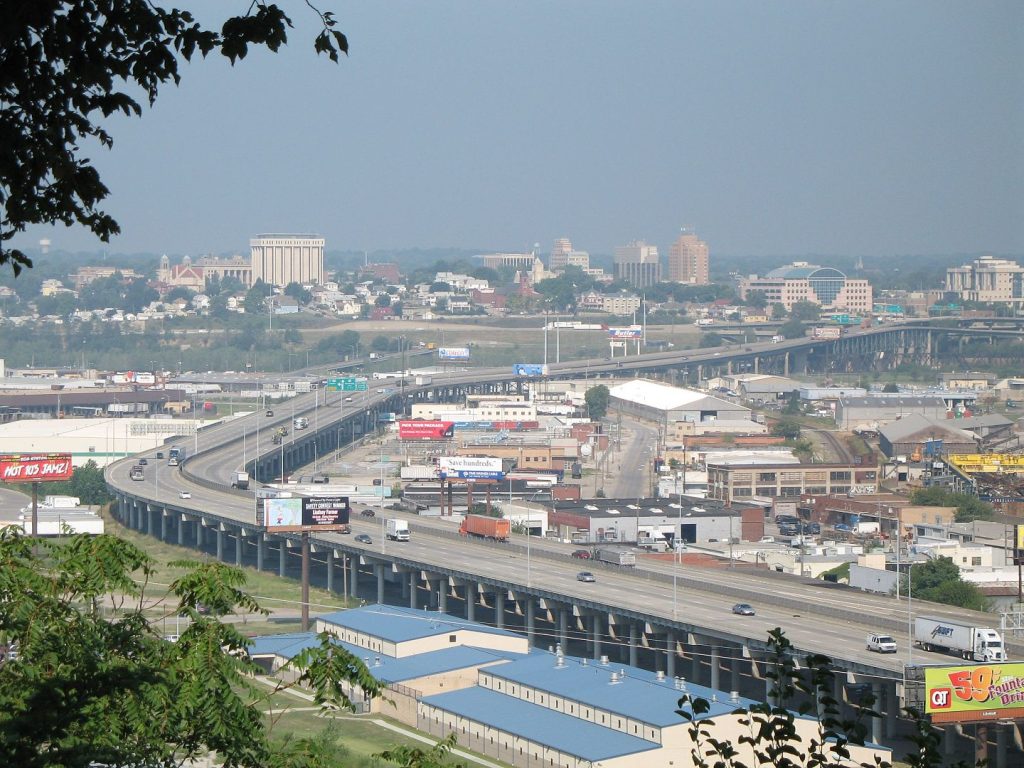
Transportation engineers and urban policy analysts praise the implementation of the KC Streetcar as a game-changer for visitor mobility. This free-to-ride system connects the historic River Market to the activity hub of Union Station and allows seamless movement through the downtown corridor. City planners note that this investment eliminates the friction of parking and navigation for visitors who want to explore the distinct districts without the hassle of driving.
Culinary historians emphasize that the barbecue culture here is rooted in function and tradition rather than trend-chasing. The sheer density of high-quality smokehouses means that excellent food is available without the artificial scarcity and long lines found in other food capitals. Museum directors also highlight the National WWI Museum and Memorial as a site of profound historical significance that offers a sober and educational experience rather than a commercialized tourist trap.
San Antonio In Texas
Historic preservationists and heritage tourism experts categorize the San Antonio Missions as a practical and profound historical destination. As the only UNESCO World Heritage site in Texas these missions offer a glimpse into colonial history that is managed by the National Park Service to ensure accessibility and educational rigor. Park rangers explain that the hike-and-bike trail connecting the sites allows active travelers to explore the history at their own pace without fighting vehicular traffic.
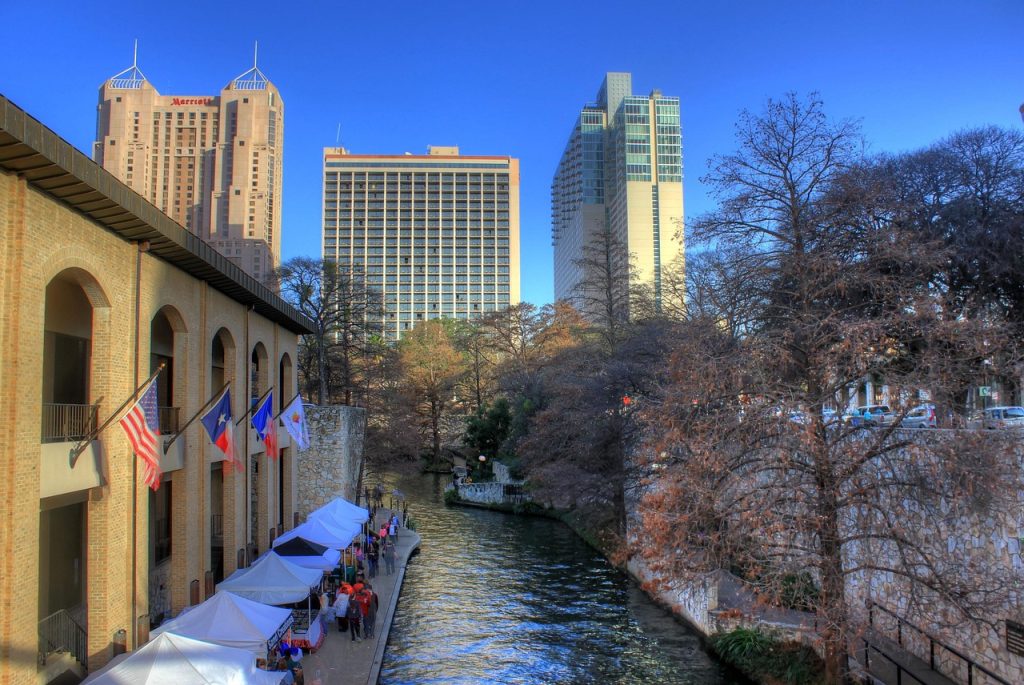
Hospitality consultants acknowledge that while the River Walk is commercially developed it serves a vital function as a pedestrian artery that separates foot traffic from street noise. The layout allows for efficient movement between hotels and dining venues in a safe and regulated environment. Families often find the logistics of the city manageable as the major attractions including the Alamo are concentrated within a tight geographic footprint that minimizes travel time between stops.
Omaha In Nebraska
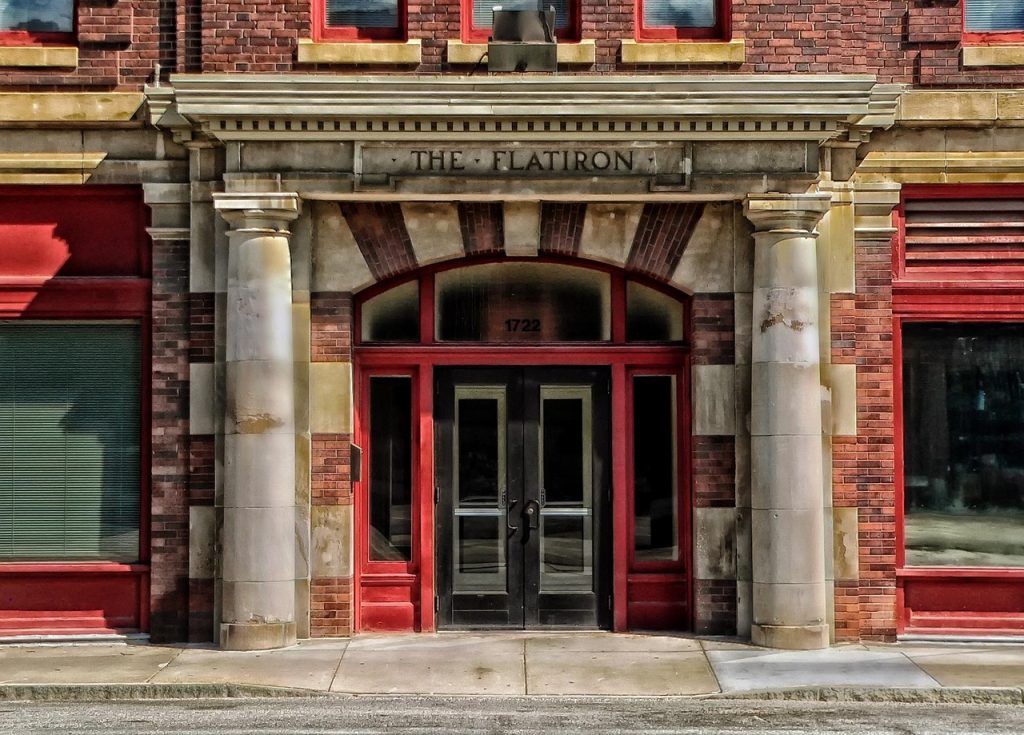
Zoologists and conservation experts consistently rank the Henry Doorly Zoo and Aquarium among the top facilities in the world for its massive scale and research capabilities. Unlike many zoos that suffer from cramped urban footprints this facility utilizes the open space of the plains to create vast habitats. Travel logistics analysts note that the airport is located less than ten minutes from downtown which makes it one of the most accessible major cities in the nation for weekend trips.
Regional economists point to the Old Market district as a successful example of adaptive reuse where historic warehouses now host local dining and retail. The absence of national chains in this specific district creates a genuine local atmosphere that does not rely on manufactured kitsch. The pragmatic layout of the city grid ensures that getting from a hotel to a steakhouse or museum rarely takes more than fifteen minutes by car.
Pittsburgh In Pennsylvania
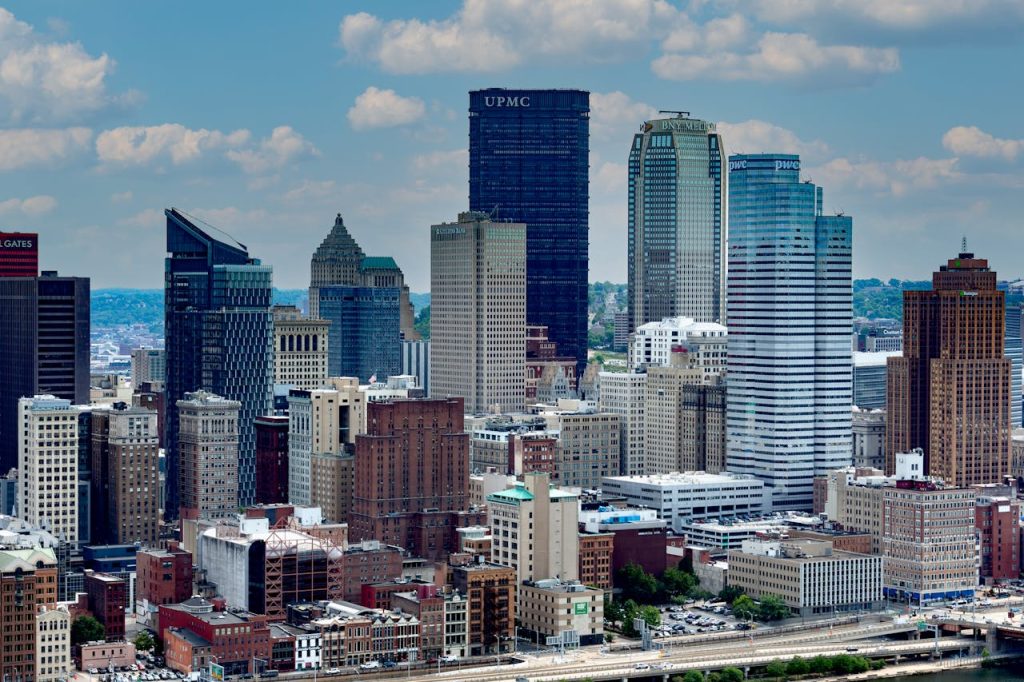
Architectural historians and topographic surveyors describe Pittsburgh as a city defined by its dramatic terrain and industrial legacy rather than polished tourism marketing. The inclines that scale Mount Washington serve as functional transit for commuters while offering visitors a view that rivals any observation deck. Urban redevelopment experts highlight the transformation of the Strip District into a functional marketplace where locals actually shop for produce and meat alongside visitors.
Museum administrators point to the Andy Warhol Museum and the Mattress Factory as institutions that offer deep dives into specific artistic movements without the pretension of larger coastal galleries. The cost of lodging and dining remains below the national average for cities of its size which attracts budget-conscious travelers. The distinct neighborhood pockets encourage exploration but the geography naturally corrals activity into manageable valleys and ridges.
Minneapolis In Minnesota
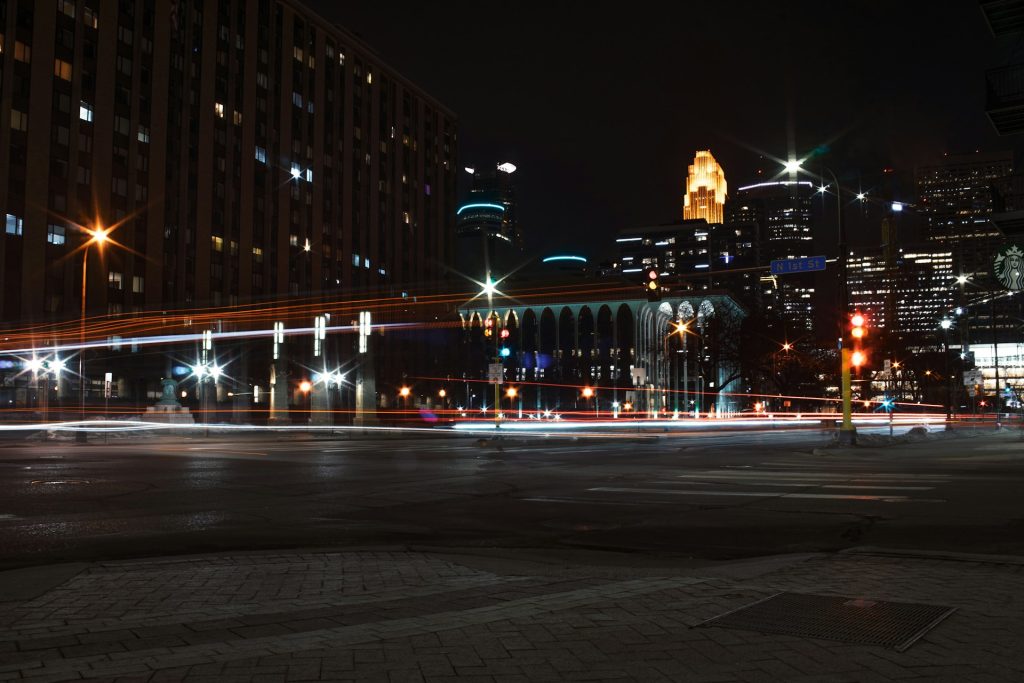
Infrastructure engineers and climate resilience planners study the Minneapolis Skyway System as the gold standard for weather-proof urban design. The continuous network of enclosed pedestrian bridges spans eighty city blocks and allows commerce to continue uninterrupted during the harsh winter months. Retail analysts note that this connectivity links hotels to shopping centers and office towers effectively creating a self-contained indoor city for visitors who prefer to avoid the elements.
Park board officials manage an extensive chain of lakes and trails that provide genuine outdoor recreation within the city limits. This park system is designed for active use by residents rather than passive sightseeing. The presence of the Mall of America near the airport offers a purely functional retail experience where tax-free clothing shopping draws practical consumers looking to maximize their purchasing power.
Sacramento In California
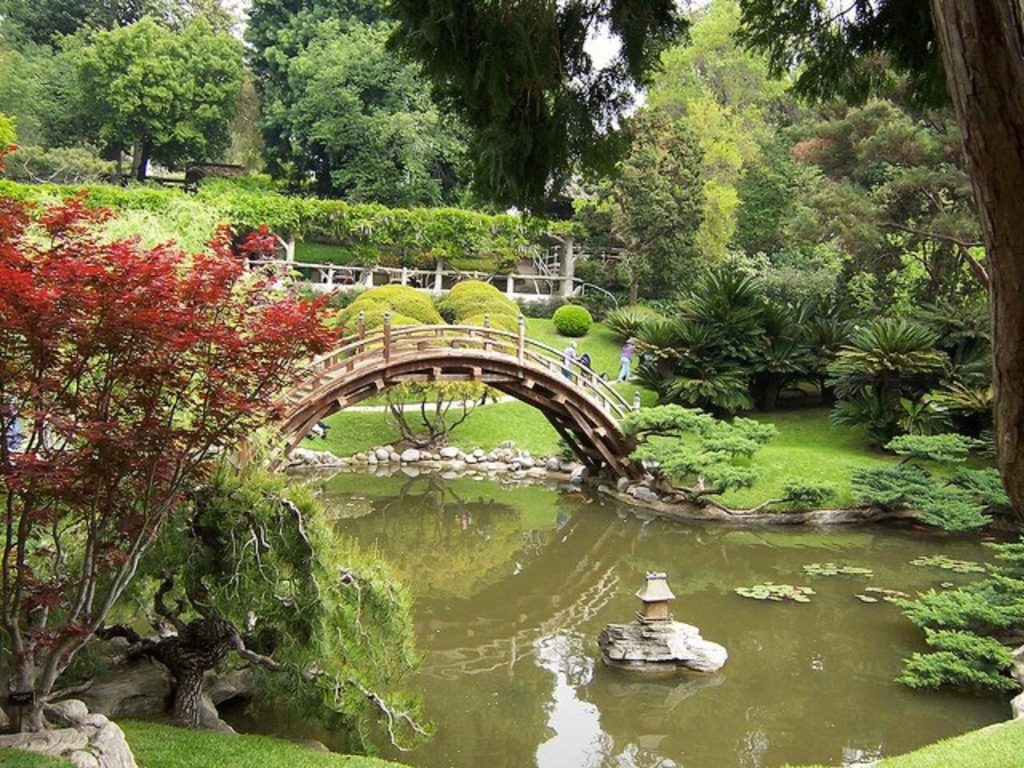
Agricultural policy analysts and state historians view Sacramento as the functional engine of California rather than its glamorous face. The proximity to the Central Valley agricultural belt means that the farm-to-fork designation is based on logistical reality rather than marketing spin. Restaurant suppliers note that local chefs have immediate access to produce which translates to higher quality meals at lower price points than in San Francisco or Los Angeles.
Railroad historians emphasize the significance of Old Sacramento as a preservation district that houses the California State Railroad Museum. This institution is widely regarded by curators as one of the best transport museums in North America. The city grid is flat and easy to navigate which appeals to travelers who want to explore government history and riverfront parks without the extreme costs associated with the coastal cities.
Milwaukee In Wisconsin
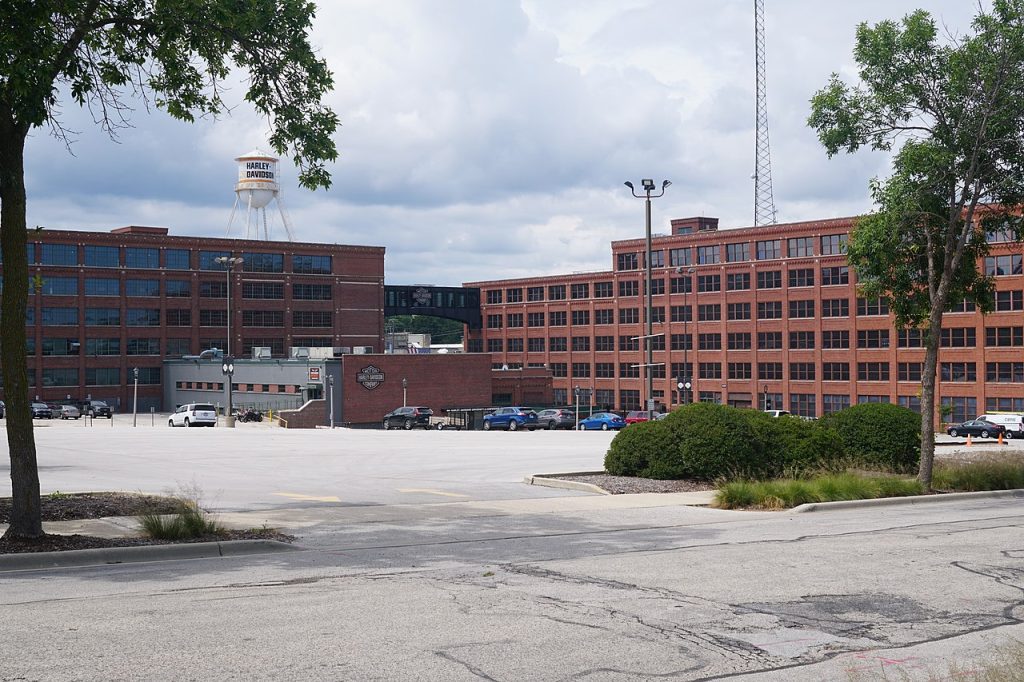
Brewery historians and festival organizers recognize Milwaukee as a city built on production and community gathering. The architecture reflects a heritage of brewing giants and industrial wealth that has been repurposed into functional modern venues. Event planners cite the Henry Maier Festival Park as a purpose-built facility that handles massive crowds efficiently during summer events like Summerfest which avoids the logistical nightmares common at temporary festival sites.
Museum directors at the Milwaukee Art Museum highlight the Calatrava-designed pavilion as a blend of serious architectural achievement and public accessibility. The location on the shore of Lake Michigan offers the aesthetic benefits of a waterfront destination without the premium pricing of Chicago. Visitors find a straightforward midwestern hospitality culture where the focus is on quality food and drink rather than exclusivity or status.