9 Quiet U.S. Coastal Towns Such as Astoria, OR, That Feel Calmer Than Instagram Promises
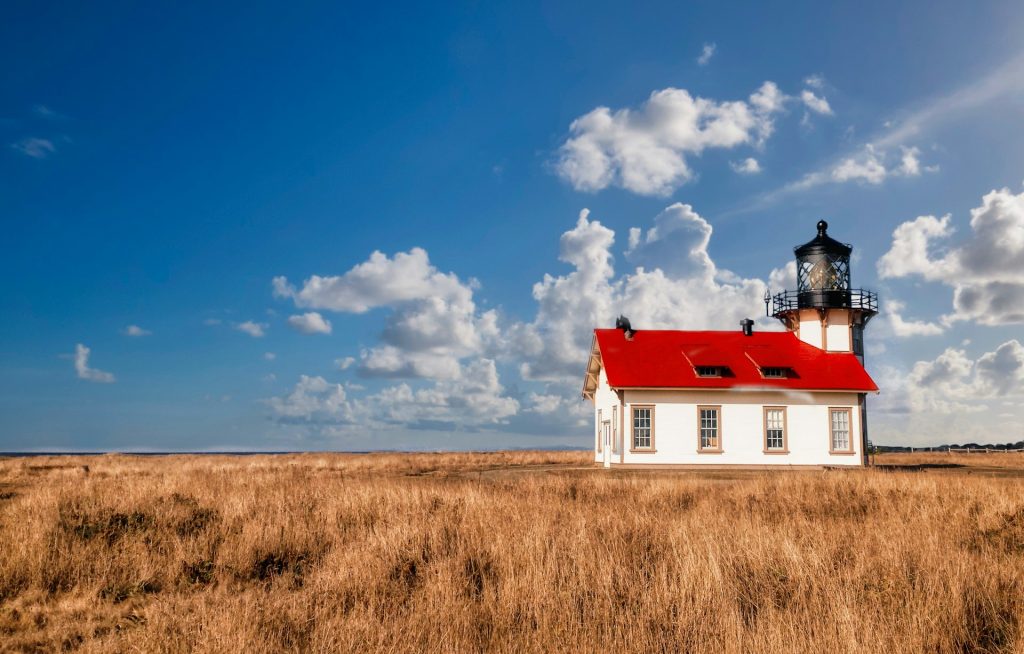
Some coastal towns stay calm by staying practical. There are working docks, early-closing cafés, and weather that decides the pace more than any trend. Astoria, Oregon, is the model: river mist, maritime grit, and streets that feel lived-in, not staged. The towns below share that spirit. They reward slow mornings, long shore walks, and quiet dinners where the conversation can actually land. In Sept. and November, the charm holds, because routine does not depend on a crowd. Photos still come out well, but the real payoff is a steady hush that lingers after the last day-trippers leave, with tide and fog keeping time.
Astoria, Oregon
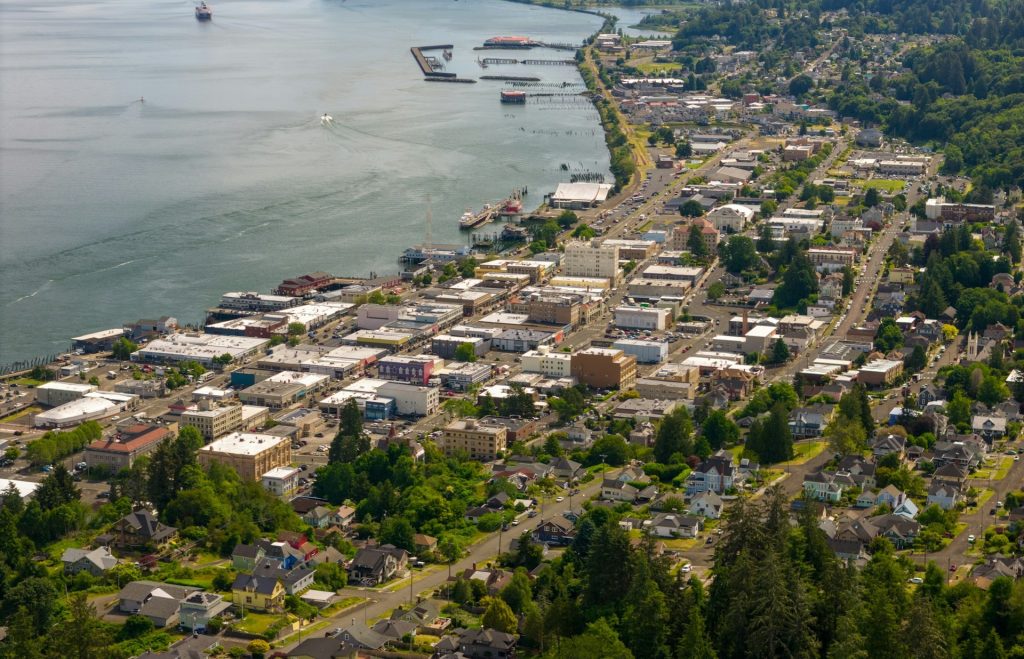
Astoria sits where the Columbia River widens toward the Pacific, and the town keeps a calm, working-port mood shaped by mist, tides, and ship traffic. The Riverwalk runs past old cannery bones and fishing boats, while the Columbia River Maritime Museum and the constant bridge view keep the waterfront specific, not generic. Hillside streets climb into weathered Victorians and small pubs, and the Astoria Column waits above it all. Evenings lean quiet: chowder, a thrift-shop wander, strong coffee, then fog rolling in, with gulls and rigging sounds doing the rest, and no one pushing the night to be louder.
Port Townsend, Washington
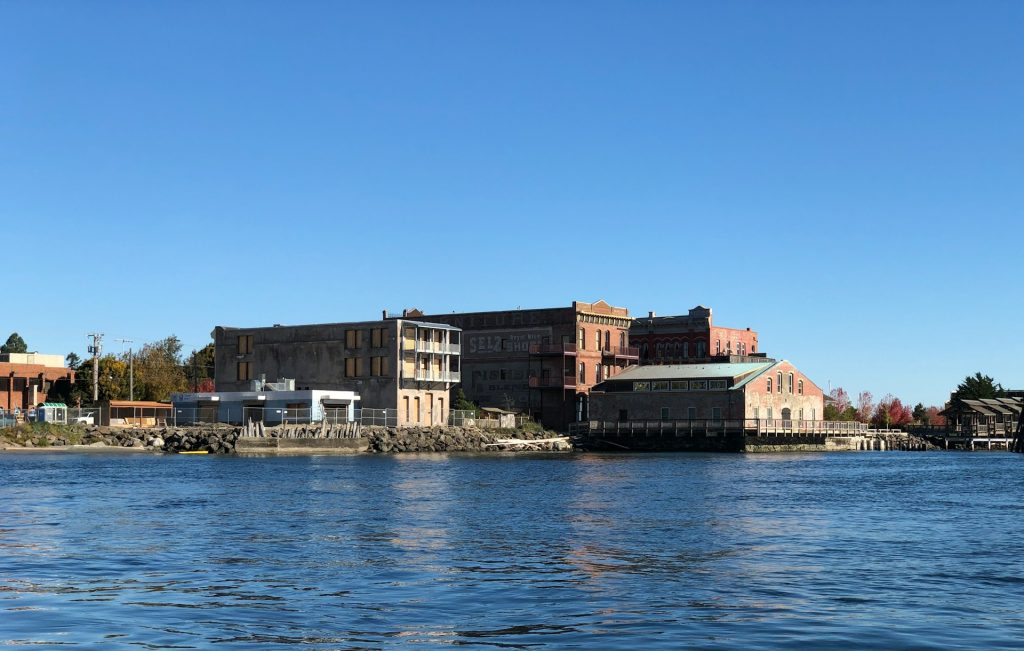
Port Townsend holds onto its Victorian seaport bones, with brick storefronts, old hotels, and piers that creak in the wind. The waterfront still feels tied to boats that need work, not just boats that look pretty, so repair yards and marine supply shops stay part of the scene. Fort Worden’s bluff trails open to wide water views, and the light can turn soft and gray without changing the mood. The Olympic rain shadow often keeps storms lighter here, which suits slow harbor loops and unhurried lunches. A café breakfast, a bookstore hour, and a ferry-horn listen can fill a day, and by nightfall the town settles down fast.
Coupeville, Washington
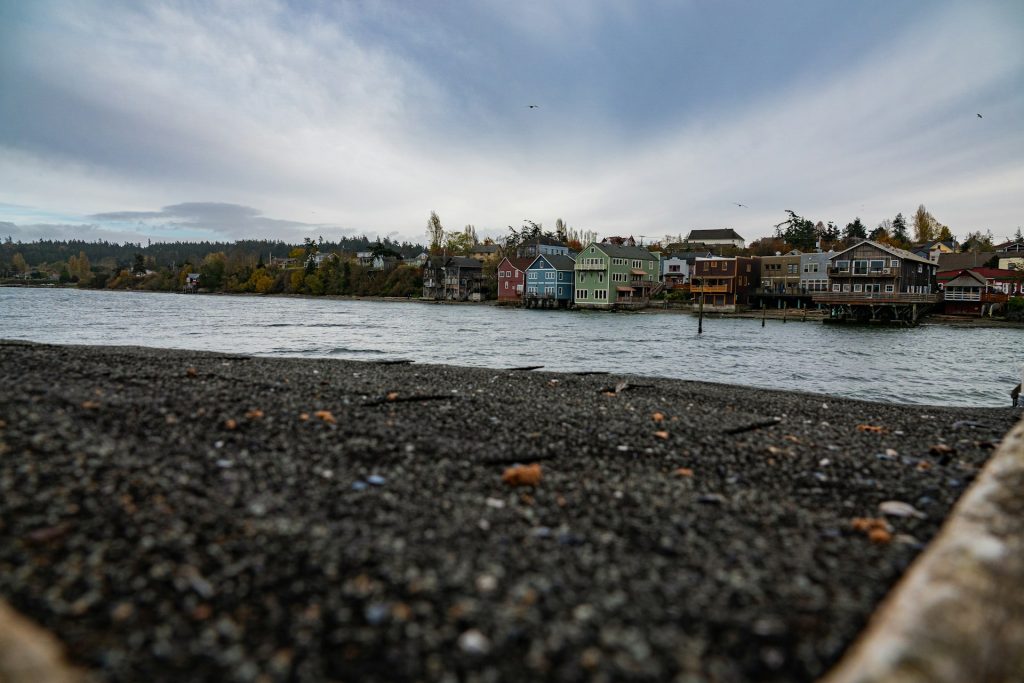
Coupeville sits on Penn Cove with a waterfront that stays small on purpose, where the pier, ferry schedule, and tide line matter more than hype. The town’s historic blocks feel lived-in, with simple diners, creaky boardwalk sections, and windows that look out at the water instead of at a crowd. Just outside town, open fields and bluff trails keep the horizon wide, mixing farm fences with sea light in the same view. Penn Cove mussels show up on menus without fuss, and the calm holds even in July, especially when a light breeze cools the harbor, eagles circle overhead, and the afternoon ends early.
Bandon, Oregon
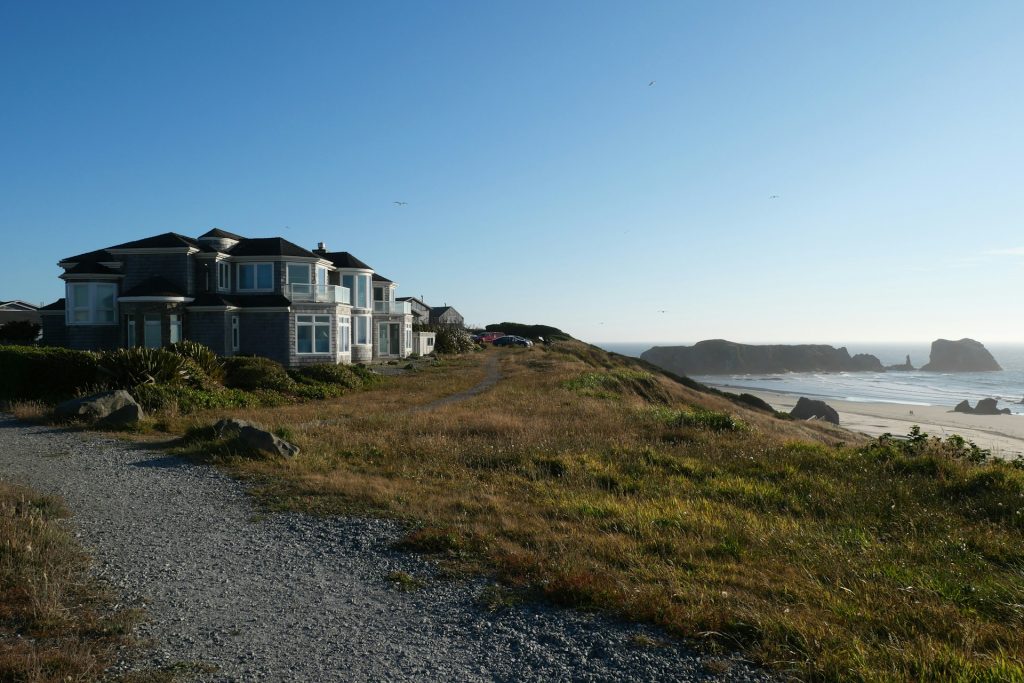
Bandon keeps Oregon coast beauty at a lower volume, with wind, sand, and sea stacks gathering attention near the mouth of the Coquille River. Face Rock stands offshore like a landmark that never needs a caption, and the beach feels made for long, quiet loops instead of quick stops. The Old Town area stays practical, with small shops, a working marina nearby, and cafés that understand cold mornings. Cranberry fields sit just inland, adding a grounded, local note. Even in summer, layers make sense, and sunset can arrive behind a wall of mist. The town’s calm comes from routine: a walk, a warm drink, and the surf doing its steady work.
Mendocino, California
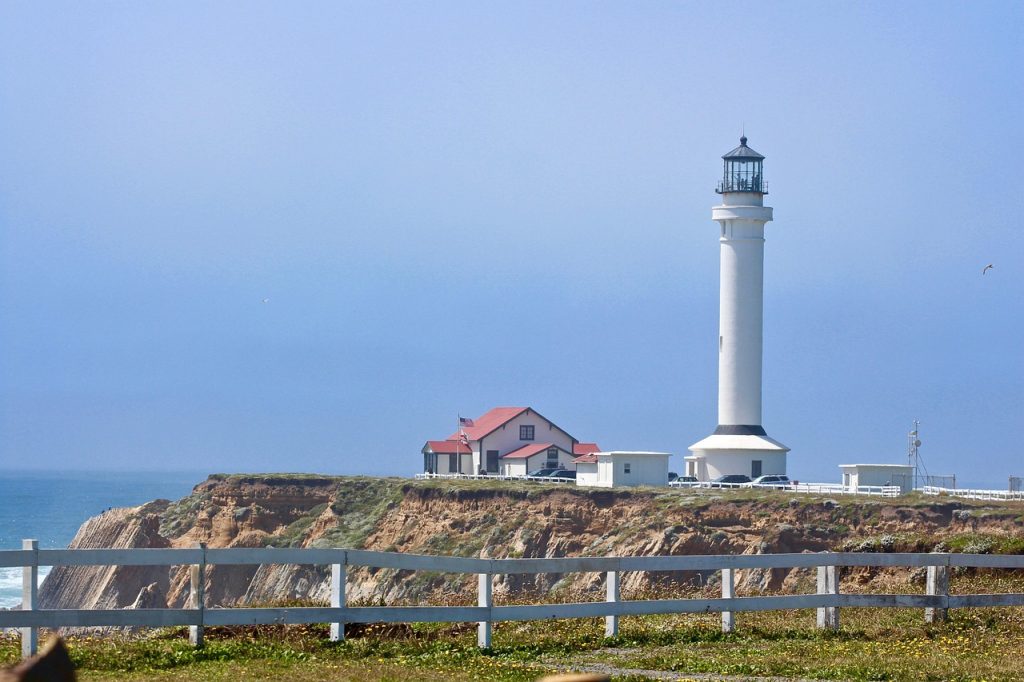
Mendocino perches on bluffs above the Pacific, and the village feels outward-facing, as if the ocean is the main resident. Cliff paths around the headlands make it easy to spend an hour watching waves and fog without needing a plan, and the air often smells like salt and cypress. The town’s inns, galleries, and cafés stay understated, more about warmth than spectacle, and shop windows do not shout for attention. When the marine layer rolls in, it softens everything at once, turning the coast into a quiet study in gray, green, and white, with conversation naturally dropping to a lower volume by late afternoon.
Cambria, California
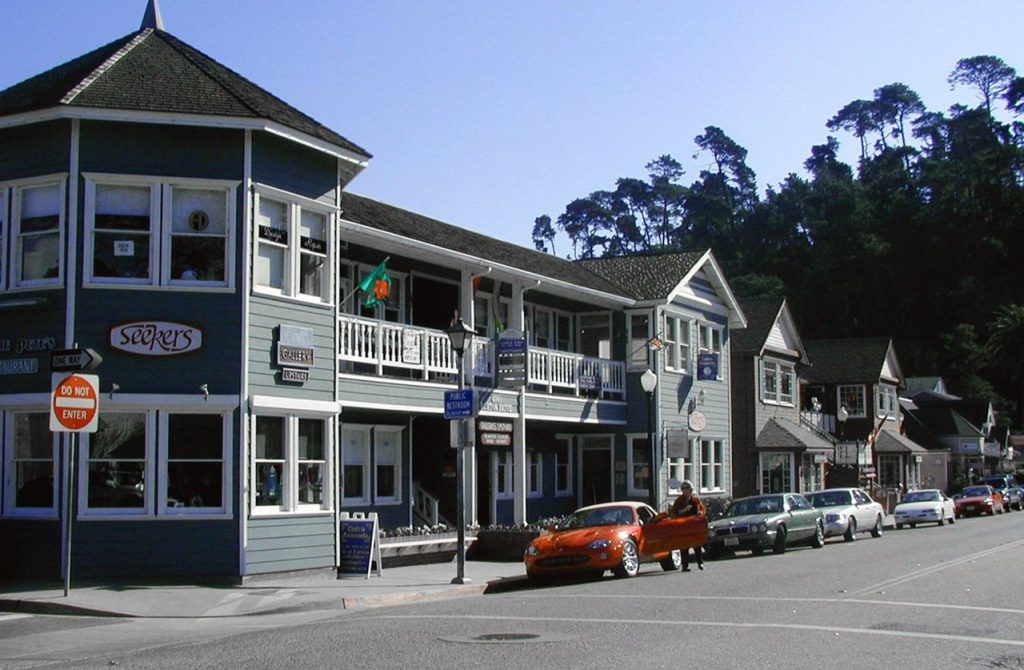
Cambria sits between piney hills and a cool, kelp-lined shore, and the town’s calm feels built into the geography. Moonstone Beach offers an easy boardwalk above stones and driftwood, where the light shifts fast as the marine layer slides in. Back in the village, galleries and diners keep a small scale, and many evenings point toward fireplaces instead of nightlife. Nearby trails at Fiscalini Ranch preserve open bluffs and steady ocean views, so a day can be full without being crowded. It is the kind of place where a slow lunch, a short hike, and a quiet sunset can feel complete, with no pressure to keep moving.
Port Clyde, Maine
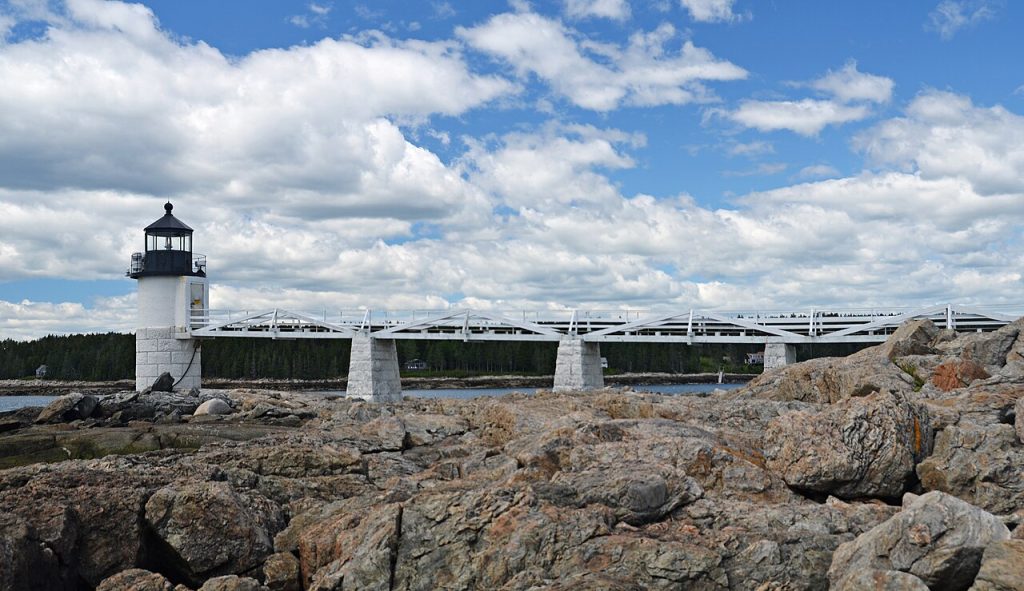
Port Clyde feels like Maine’s coast with the volume turned down, a working harbor where lobster boats and bait crates are part of the everyday scene. The walk out to Marshall Point Lighthouse keeps attention on tide, wind, and boats slipping in and out, and the view stays honest even when the sky goes gray. The town also serves as a jumping-off point for trips to Monhegan, which adds quiet purpose to the morning bustle. Shops are few, meals are simple, and closing hours are real, so the day stays unforced. By late afternoon, the docks quiet down, gulls drift over the channel, and the salt air does the rest.
Beaufort, North Carolina
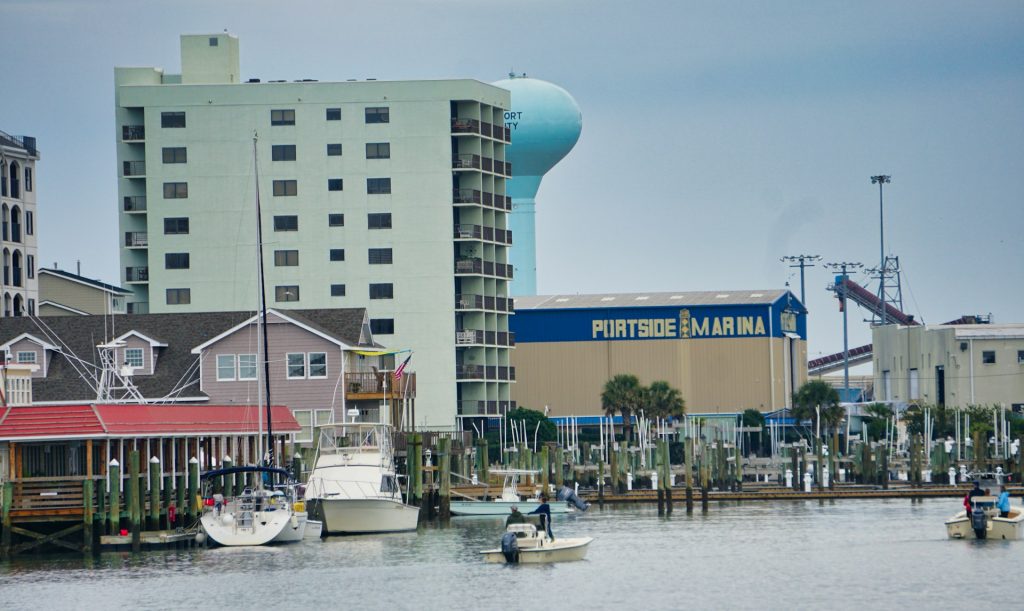
Beaufort, North Carolina, sits on a calm stretch of water near the Outer Banks, with shaded streets, porch swings, and a waterfront built for slow evenings. The town’s history shows up in tidy homes and small museums, but the mood stays light, not heavy, with sailboats, shrimp boats, and dock talk setting the tone. Boat rides reach nearby barrier islands and wild beaches, including Shackleford Banks, known for its free-roaming horses, so the horizon stays open and a little untamed. Back in town, dinner can be early, the boardwalk can be quiet, and the night can end with rigging taps and soft light on the water.
Apalachicola, Florida
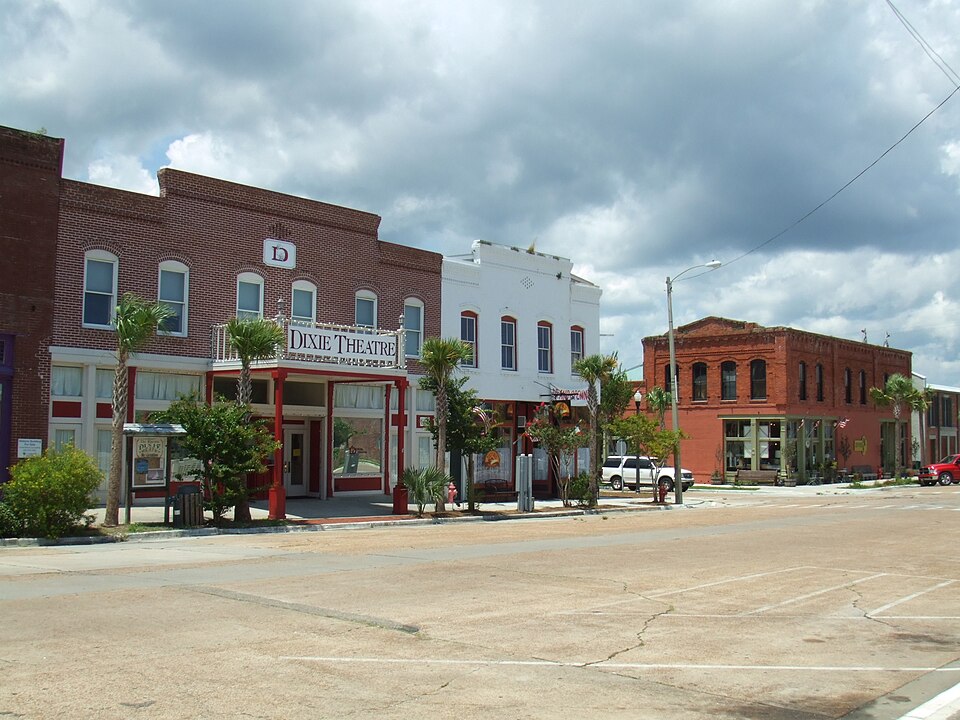
Apalachicola sits where the river meets the bay on Florida’s Forgotten Coast, and the town’s calm comes from shade, water, and an unhurried pace that never tries to impress. Seafood work still shapes the identity, with docks, small boats, and menus that focus on what the bay gives, especially oysters when the season is right. The historic district feels human-scaled, with porches, simple shops, and streets that invite a slow wander rather than a rush between spots. Nearby barrier beaches keep the horizon wide and the afternoons quiet. When the sun drops, the air cools, conversation softens, and the town feels like it is exhaling.