9 Quiet U.S. Lakes Free of Tourist Crowds
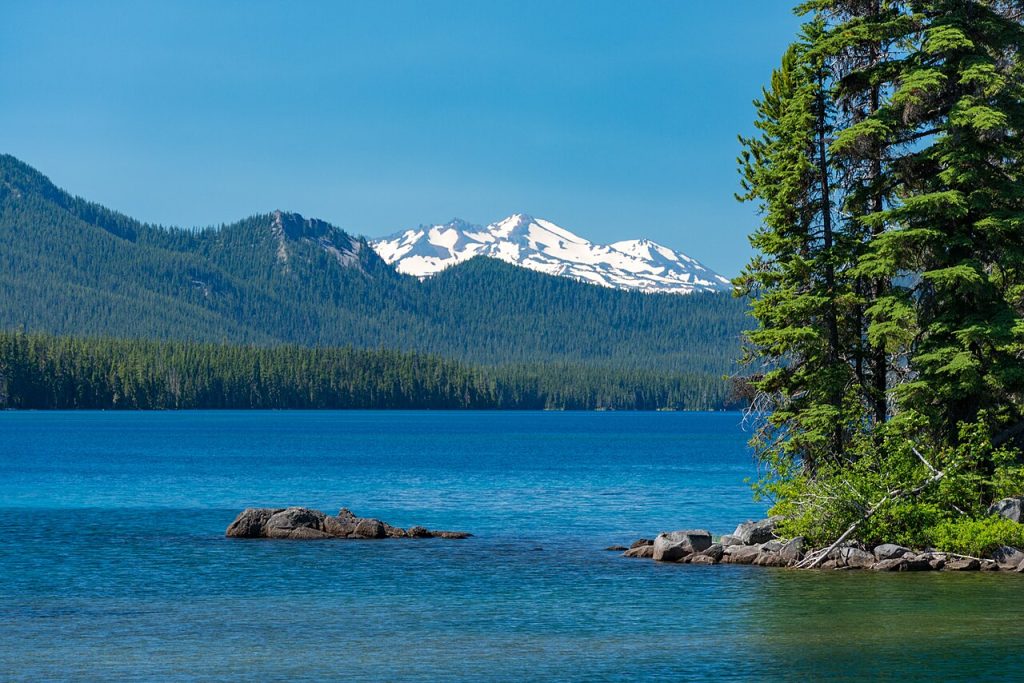
In the United States, quiet lakes still exist, but they rarely sit beside major highways or crowded boardwalks. Most are protected by access roads, motor limits, wilderness rules and local habits that favor sunrise paddles over all-day noise. That structure creates a slower rhythm that restores focus.
For women planning restorative escapes, these waters offer more than scenery. They open space for steady movement, clear thought, and long stretches where natural sound replaces chatter. The nine lakes ahead are not secret yet each stays calmer than headline destinations, leaving room for reflection without sacrificing beauty or sense of place.
Waldo Lake, Oregon
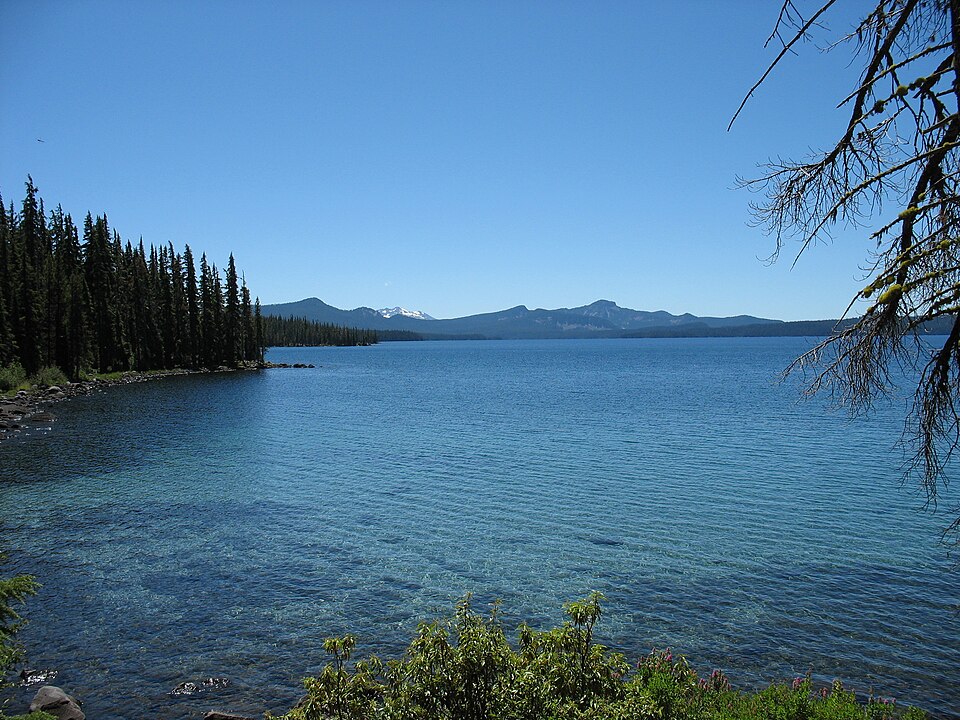
Waldo Lake sits high in Oregon’s Cascades, and its calm is protected by policy, not luck. The Willamette National Forest restricts motors to electric only, caps speed at 10 m.p.h., and bars generators and chainsaws in undeveloped areas. Those rules shift the soundscape from engine noise to paddles, wind, and water, and keep wake pressure lower along much of the shoreline.
Because disturbance is limited, even summer weekends often feel softer here than at many large recreation lakes. The setting favors early paddlers, quiet swimmers, and hikers who value uninterrupted natural sound over marina bustle, loud wakes, and constant turnover.
Ross Lake, Washington
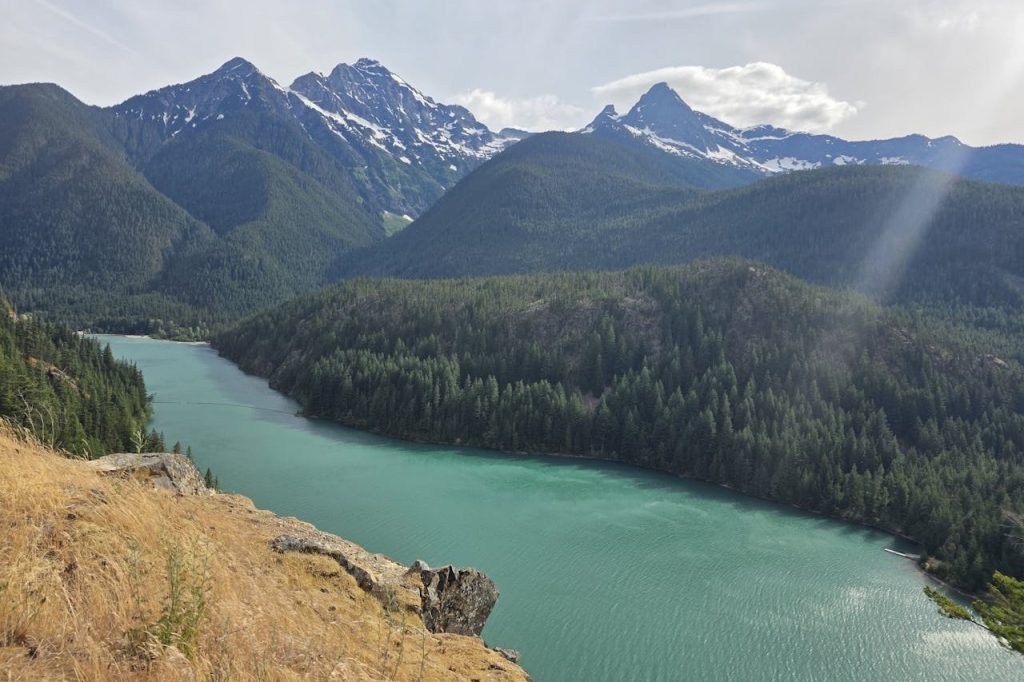
Ross Lake has big scenery, but access keeps its tempo surprisingly restrained. North Cascades National Park Service notes that Ross Lake Resort, the only lodging on the lake, has no direct road access and is reached by hike or boat. That barrier filters impulse traffic and favors people willing to plan around trailheads, ferries, and water taxis.
The result is movement that feels deliberate rather than rushed. Camps and coves do fill in peak windows, yet the journey itself discourages heavy turnover and protects long quiet intervals. On many mornings, mist, fir slopes, and paddle strokes set the pace before voices carry across open water.
Stehekin And Upper Lake Chelan, Washington
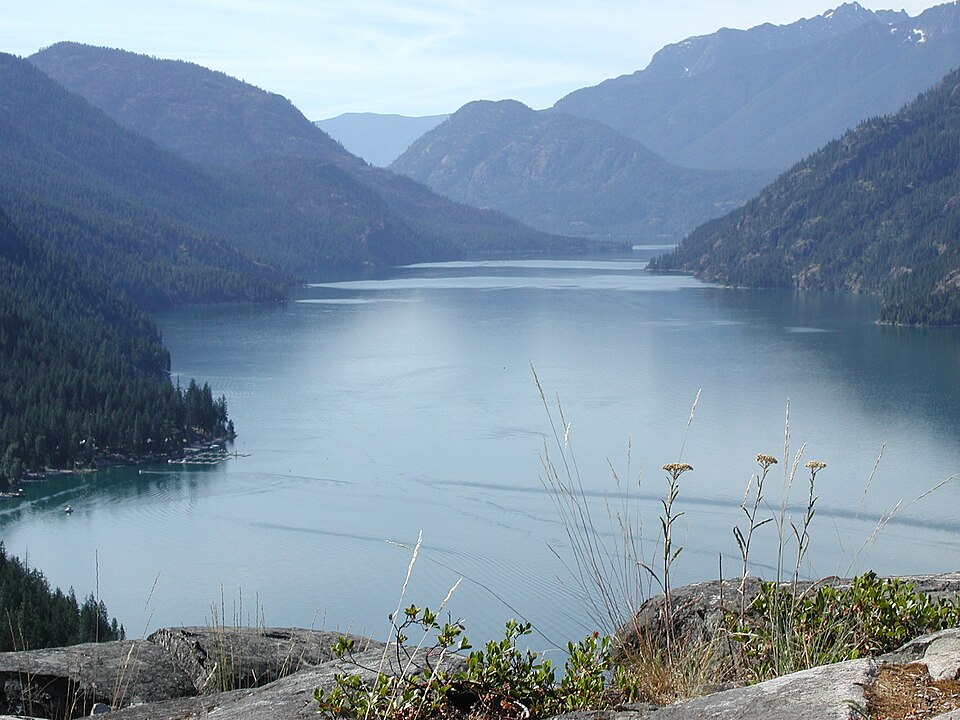
At the head of Lake Chelan, Stehekin offers a lake culture built around arrival by ferry, foot, or plane, not highway traffic. The National Park Service states there are no roads into Stehekin and no outside roads into Lake Chelan National Recreation Area. That reality shapes behavior early and keeps visitor turnover lower than in road-served waterfront towns.
The calm here is structural, not staged. Limited services and a slower daily cadence create room for restorative walking and unhurried trail time. Even in summer, distance from city pace feels immediate, especially at dawn and again when the last ferry wake fades at dusk.
Bowman Lake, Montana

Bowman Lake lies in Glacier’s North Fork, where the National Park Service describes reduced visitation and access by private vehicle on unpaved roads. Reaching the shoreline takes commitment, and that threshold keeps casual volume lower than in Glacier’s busiest corridors. The lake opens wide and clear, with mountain reflections and fewer clustered launch points.
Because arrival is demanding, time on the water feels more immersive. Paddlers stay longer, hikers spread into quieter segments, and wildlife sounds carry farther across the basin. Even when lots fill, the terrain absorbs movement and preserves pockets of stillness.
Shoshone Lake, Wyoming
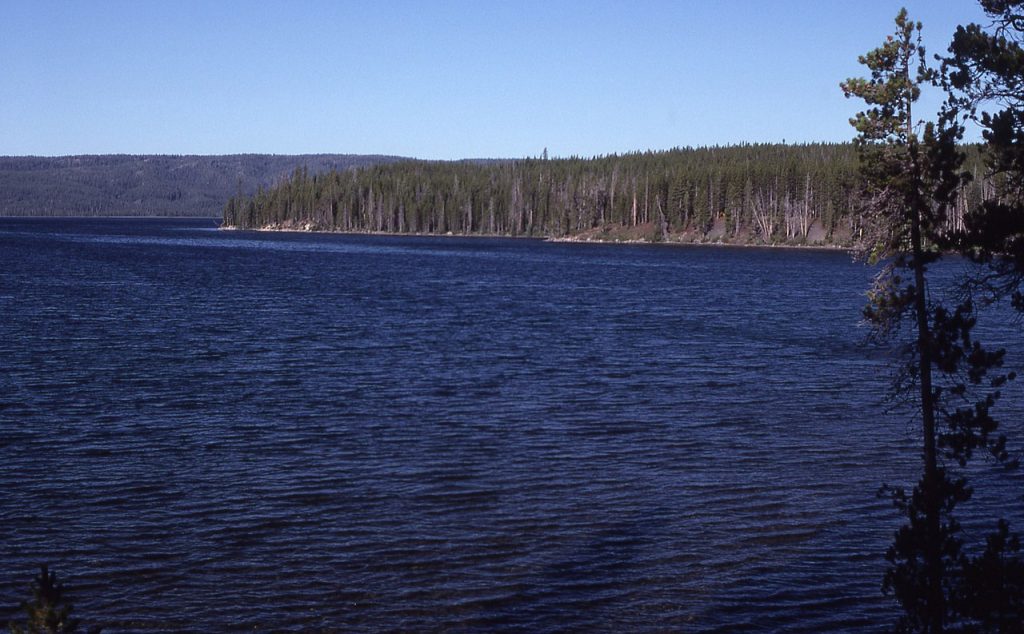
Inside Yellowstone, Shoshone Lake carries strong quiet credentials. The National Park Service notes the U.S. Fish and Wildlife Service view that it may be the largest lower-48 lake that cannot be reached by road, and it also states no motorboats are allowed. Those facts reshape the experience: access requires trail effort, and on-water noise remains low.
What emerges is a broad, wild lake where distance and rules work together. Camps and anglers are present, yet the atmosphere stays backcountry, with long periods when only wind and wavelets break the silence. Compared with drive-up lakes in major parks, Shoshone feels like a deeper reset.
Clark Lake, Michigan
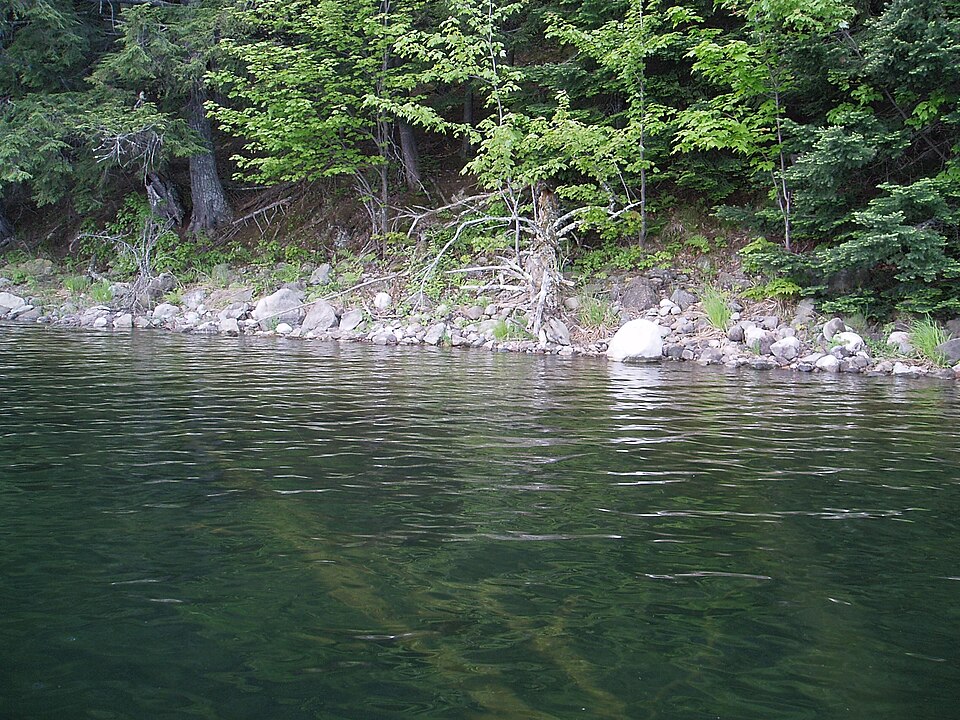
Clark Lake, inside Michigan’s Sylvania Wilderness, sits in a system built for non-motorized travel. The Ottawa National Forest reports 34 named lakes in the wilderness, accessed by canoe, kayak, or trail, with many paddle or walk-in campsites. That framework favors steady, low-noise recreation over high-speed water activity and creates a calmer rhythm from the first launch.
The mood on Clark Lake reflects those guardrails. Portages, shoreline camps, and old-growth forest slow the day in useful ways. Instead of crowded dock culture, visitors find loons, pine-framed coves, and the physical rhythm of paddling and carrying gear.
Allagash Lake, Maine

Allagash Lake in northern Maine remains one of the Northeast’s secluded large-water settings. Maine’s Allagash Wilderness Waterway guide describes it as one of the most remote lakes in the system, with a 4,360-acre footprint and undisturbed forested shoreline. Those conditions protect habitat and keep the human footprint light across much of the basin.
Silence here is earned through geography and scale. Long approaches and limited infrastructure reduce incidental traffic and reward self-reliant travel. The scene favors bird calls over boat chatter and wide evening light over crowded commerce, making the lake ideal for quiet recovery trips.
Cranberry Lake, New York

Cranberry Lake offers a quieter Adirondack alternative by pairing broad water with surrounding wild land. New York DEC materials describe it as one of the largest remote lakes in the Adirondacks, near about 50,000 acres of wilderness and roughly 50 miles of developed trails in the larger complex. That mix spreads recreation pressure rather than concentrating it.
The experience feels more spacious than many headline Adirondack stops. Paddlers and hikers disperse into different zones, then return to calmer coves by evening. Even in warmer months, the landscape scale softens crowd effects and supports a slower outdoor rhythm linked to reset.
Lake Clark, Alaska
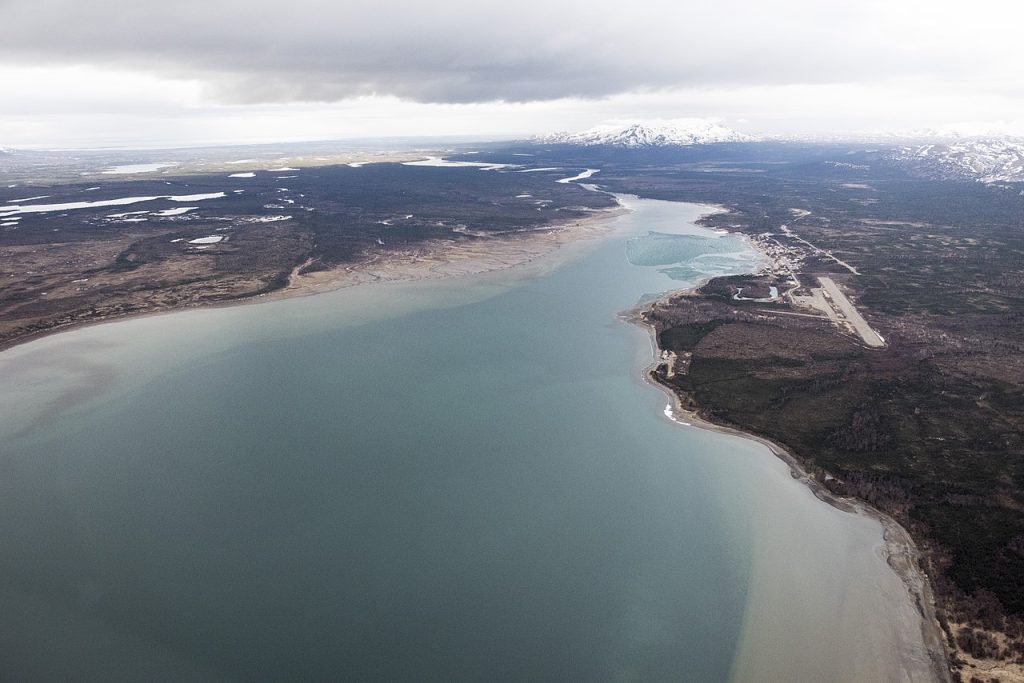
Lake Clark represents lake quiet at its most extreme in the United States, where remoteness is operational, not promotional. The National Park Service states there are no roads in the park, and travel is primarily by small plane or boat. It also describes the area as rugged and remote, with weather delays common enough that extra buffer days are wise.
Those logistics sharply limit casual, high-volume visitation. What remains is a restorative setting where effort filters pace before arrival, shorelines feel expansive, and daily choices center on weather and landscape. For women seeking distance from urban noise, Lake Clark is a rare option.