9 Reasons More Americans Are Choosing Road Trips Again
Road trips are not just a nostalgia play anymore. They have become a practical answer to how people want to travel right now, with more control over timing, stops, spending, and pace. When plans feel uncertain, a car trip gives travelers a way to keep the experience personal without giving up the joy of getting away.
What stands out is not one single cause but a stack of small shifts that reinforce each other. Fuel costs have cooled from recent peaks, domestic leisure demand remains strong, and people continue to prioritize trips even when budgets are tighter. The result is simple: the open road looks like the most flexible option in a complicated travel economy.
Recent holiday forecasts show just how strong the car preference is. AAA projected 39.4 million Memorial Day travelers by car, about 87% of all holiday travelers, and later forecast a record Thanksgiving travel period overall. Those numbers do not describe every week of the year, but they do show where momentum has been.
By year end, the pattern held. AAA projected 109.5 million travelers by car over the Christmas and New Year holiday window, about 89% of holiday travelers. That consistency across multiple major travel windows helps explain why road trips feel less like a trend and more like a default choice for many households.
Cost Pressure Makes Car Travel Easier to Control
For many travelers, the first decision point is cost visibility. With a road trip, people can shape the budget in real time, choosing when to drive, where to sleep, and how much to spend on food and activities. That flexibility matters when households want a break but do not want a financial hangover.
Fuel prices also helped this shift in 2025. The U.S. average retail price for regular gasoline was about $3.10 per gallon, down $0.21 from 2024, marking a third straight year of annual decline. Lower pump prices do not make travel cheap everywhere, but they reduce one of the biggest pain points for car-first plans.
Air and lodging prices can change quickly, especially around holidays and popular weekends. A road trip cannot remove every variable, but it gives travelers more levers to pull if costs start drifting up. They can leave earlier, split the drive differently, or pivot to less expensive overnights.
This budget control is especially useful for families and friend groups. A single car, shared fuel, and flexible meal stops often create a clearer spending path than multiple tickets and strict schedules. People are not only chasing lower costs, they are chasing fewer budget surprises.
Travelers Are Choosing Wheels Over Wings
Choice data has started to reflect what many travelers already feel. Longwoods reported that 26% of American travelers said they were choosing to drive rather than fly on upcoming trips, up from 22% a year earlier. That change is not massive on its own, but it is meaningful because it points in one clear direction.
Driving also avoids several friction points that can make short trips feel heavier than they should. Travelers skip security lines, baggage limits, and rigid departure windows. The day stays theirs, not the airport’s.
Holiday reporting reinforces that pattern. AAA’s Thanksgiving forecast set a new overall record and explicitly noted that some travelers could shift modes if flight reductions remained a concern. When air uncertainty rises, even slightly, driving becomes the safer planning bet for many households.
None of this means flying is disappearing. It means many travelers are matching mode to mission, and for regional or multi-stop trips, the car keeps winning that comparison.
The Journey Itself Has Become the Main Event
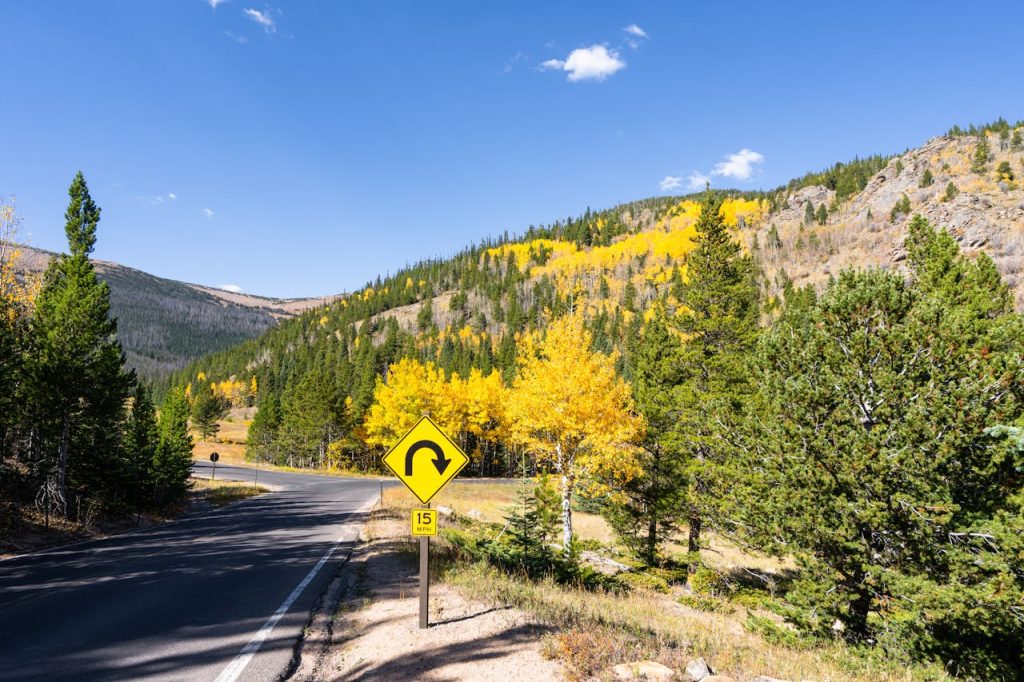
Road trips are not only about getting somewhere cheaper. For a growing group of travelers, the route is the product. Longwoods found that 56% of American travelers had spent at least one night following a touring route or scenic or historic highway in the U.S.
That number captures a deeper behavior shift. People are treating drives as story-driven experiences with local diners, small museums, overlooks, and roadside towns that would never appear on a standard flight itinerary. Travel feels less transactional when the in-between moments are part of the plan.
It also changes how travelers define value. Instead of one headline attraction, they get many small wins across a week: better conversations, more spontaneous stops, and a pace that can be adjusted each day. The trip feels fuller without feeling rushed.
This matters emotionally as much as financially. A well-planned drive can combine novelty and comfort in one format, which is hard to replicate when every movement depends on fixed timetables.
National Parks and Outdoor Stops Pull People Back to the Road
Outdoor travel has remained one of the strongest demand engines, and that naturally favors road logistics. The National Park Service reported a record 331.9 million recreation visits in 2024, beating the prior high. When interest in parks climbs, people need flexible access points and multi-stop routes, and cars fit that need.
National parks are often gateway networks, not single-stop experiences. Travelers combine major parks with nearby monuments, scenic byways, and local towns that serve as overnight bases. A road itinerary supports this layered style far better than point-to-point flights.
The same logic applies beyond parks. State parks, lakes, coastal drives, and mountain corridors are easier to combine when travelers can control departure times and route changes. Weather shifts and crowd levels become manageable instead of trip-ending.
As a result, road trips often feel more resilient. If one stop gets crowded or weather turns, travelers can reroute in minutes and still preserve the spirit of the trip.
Road Trips Fit How People Actually Work Now
Work patterns also play a role. BLS reported that 33% of employed people in 2024 did some work at home on days worked, close to 35% in 2023. Even with shifts across sectors, home-based and flexible work routines remain far more common than before the pandemic.
That flexibility changes trip design. People can leave on a Thursday after a half-day, extend a weekend with light remote work, or break a long drive into gentler segments. Travel no longer has to fit a strict one-week block.
Road travel pairs well with this blended schedule. A traveler can take calls from a quiet lodging stop, then drive to the next destination once work is done. It is not always glamorous, but it is practical and increasingly normal.
The bigger takeaway is behavioral, not technical. People want trips that fit real life as it is, and real life now includes more schedule variability than it did five or six years ago.
Families and Friend Groups Need Flexible Logistics

Group travel is where road trips often shine most clearly. Coordinating children, older relatives, pets, and different food or comfort needs is easier when the group controls stops and timing. Cars offer a level of practical autonomy that rigid transport systems rarely match.
Luggage is another quiet advantage. Families can pack what they actually need without constant trade-offs around carry-on limits or baggage fees. For longer domestic trips, that reduces stress before the trip even begins.
Road travel also helps groups manage energy. One person can rest while another drives, and plans can be softened when children are tired or conditions change. The trip breathes instead of breaking.
This is why many travelers describe road vacations as calmer, even when drives are long. Control does not remove effort, but it reduces decision fatigue and keeps the day adaptable.
EV Infrastructure Has Reduced Range Anxiety
Electric vehicle drivers are no longer planning in a vacuum. The Department of Energy’s Alternative Fuels Data Center shows steady long-run growth in public charging, with charging ports more than doubling between 2018 and 2022 and continuing to expand. Better network depth has made EV road trips far more realistic than they were just a few years ago.
Charging access is still uneven in some rural corridors, and route planning remains important. But for many interstate and metro-connected routes, the infrastructure gap has narrowed enough that travelers can plan with confidence.
This matters even for non-EV households. As charging networks expand and mapping tools improve, the broader road-trip ecosystem becomes more predictable. Travelers can compare options across gas vehicles, hybrids, and EVs with less uncertainty.
In practice, improved infrastructure is removing a psychological barrier. People are more willing to try longer drives when they trust the support network along the way.
Closer-to-Home Travel Feels Safer and Simpler
Domestic travel demand remains sturdy even with economic concerns. U.S. Travel’s fall 2025 outlook projected domestic leisure spending to rise 1.9% to $895 billion in 2025. That points to continued demand for trips people can budget and execute with confidence.
At the same time, many households have become more cautious about spend growth. Deloitte noted that Americans still intended to travel at healthy levels in 2025, but many scaled back expected spending increases after economic developments in early April. A road trip fits that mood because travelers can trim or extend in real time.
Closer trips also lower planning stress. Travelers can focus on weather windows, local events, and route quality instead of building around multiple external dependencies. The planning effort feels lighter.
For many people, this is the sweet spot: meaningful travel without maximum complexity. Road trips offer enough freedom to feel adventurous while staying grounded in practical choices.
Road Trips Deliver a Better Emotional Return
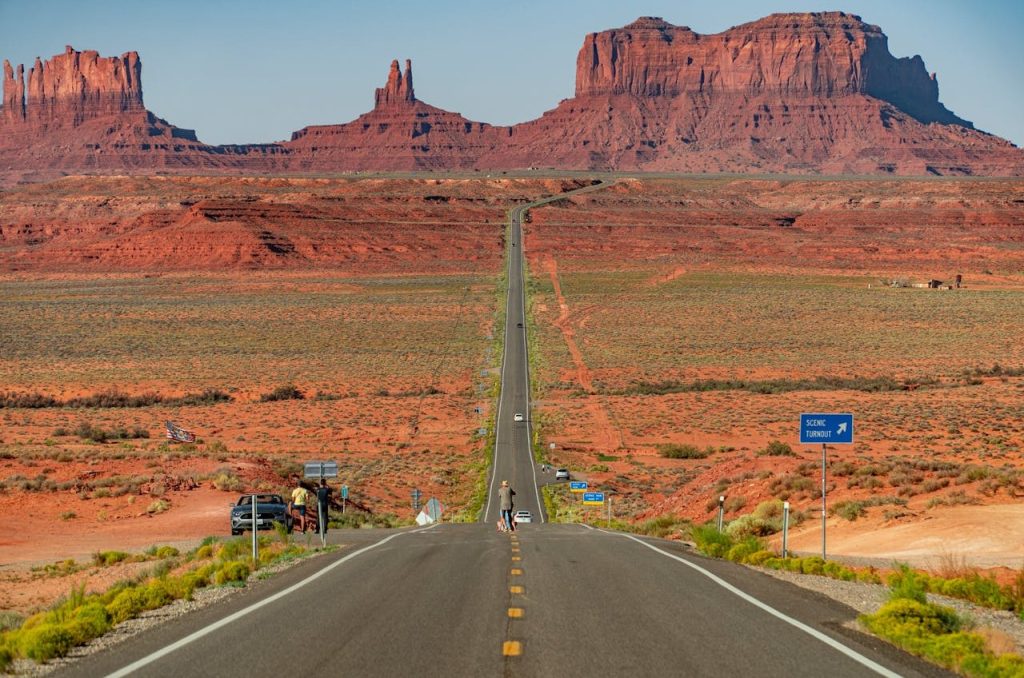
Beyond economics and logistics, there is a human reason this keeps growing. Driving creates continuity. People watch landscapes shift gradually, discover places they did not expect, and create stories from small detours that never show up in polished itineraries.
That rhythm can be restorative. A road trip gives travelers structured movement without constant urgency, which is rare in modern life. The result is often more present time with companions and less time navigating rigid systems.
It also supports different definitions of a successful trip. Some want iconic stops, others want quiet towns, and others want family time with minimal friction. A car itinerary can hold all three without collapsing under complexity.
That is why road travel keeps returning, even as other modes evolve. It meets people where they are: cost-aware, time-aware, experience-focused, and still very interested in getting out there.