9 Reasons Women Seek Local Culture on Trips

Travel priorities have changed in a visible way. For many women, the goal is no longer to check landmarks and move on. The stronger pull is toward neighborhood life, local food rituals, community markets, and places where daily culture is still intact. That shift reflects a practical mindset as much as a romantic one.
Recent global travel research shows this is not a niche behavior. Booking.com’s 2025 findings report that more travelers are now conscious of tourism’s impact on local communities, not only the environment. American Express trend research similarly highlights broad interest in supporting local businesses while traveling.
Cultural travel also aligns with how institutions now frame tourism quality. UN Tourism positions culture and community-centered development as core elements of destination strategy, not side activities for a few travelers. That framing helps explain why local culture has moved from optional to essential for many women planning trips.
These nine reasons capture that change from the inside out. Some reasons are about safety and confidence. Others are about meaning, memory, and social impact. Together, they show why local culture is increasingly treated as the point of travel, not a bonus.
Local Culture Improves Situational Awareness

Safety is often discussed as a single number, but real safety is more layered. It includes reading social cues, understanding neighborhood rhythms, and knowing when a street’s energy has shifted. Cultural engagement helps women build that awareness quickly because it adds context to every decision.
A traveler who learns how locals move through a city tends to make better calls all day. Which route feels reliable after dark, which market gets crowded at noon, and which transport stop feels normal at different hours become easier judgments. Those micro-decisions reduce uncertainty in ways that generic itineraries rarely can.
Women-only travel reporting also shows that culturally grounded formats can open more candid local conversations. National Geographic notes these trips often provide access to women-only spaces and direct insight into everyday local life that standard tours miss. That kind of access improves both comfort and clarity.
This is why local culture can function like a quiet safety tool. It does not replace common precautions, but it makes them smarter. Instead of moving through a destination as an outsider guessing at signals, women move through it with better pattern recognition and stronger confidence.
Real Community Signals Reduce Decision Fatigue
Travel drains energy when every choice feels high stakes. Where to eat, which route to trust, whether a place feels welcoming, and how to avoid overpriced traps can pile up by midday. Local culture lowers that pressure because it offers more reliable anchors than tourist-heavy zones.
Community signals are usually simple and fast to read. Busy neighborhood bakeries, family-run cafés with repeat customers, and local events with mixed age groups often indicate social trust and everyday legitimacy. Those patterns are easier to interpret than polished spaces designed only for visitors.
Trend research supports this behavior. American Express reports that many travelers use local recommendations and guides to find where to spend time and money on trips. That reliance on local direction is not indecision. It is efficient filtering in unfamiliar places.
When women travel culture-first, planning becomes lighter and choices become clearer. A few trusted local touchpoints can stabilize an entire day. Decision fatigue drops because the trip is no longer built on constant reinvention from scratch.
Women-Led Spaces Offer Trusted Access
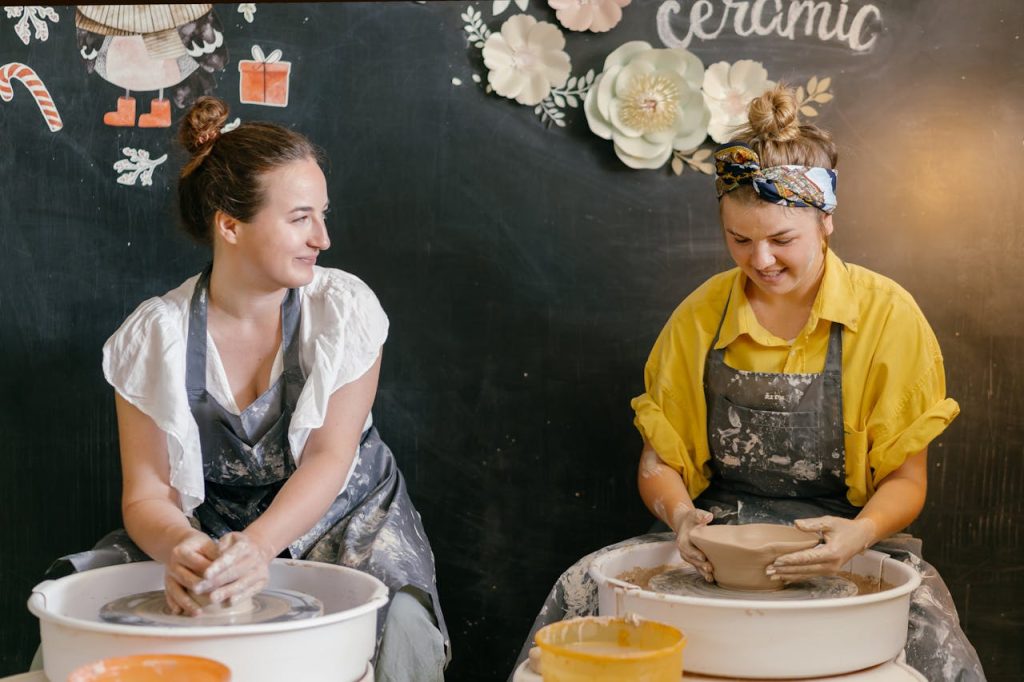
One of the clearest reasons women seek local culture is access that standard tourism often cannot provide. In many destinations, women-led homes, workshops, cooperatives, and community groups create spaces where conversations are more direct and less performative. Those settings often reveal how a place truly works.
Women-only tours and female-centered travel formats have expanded this kind of access. Reporting highlights that these trips can open doors to women-only environments and create more honest exchanges about local realities. The result is not only deeper cultural learning but also stronger interpersonal trust.
There is a broader labor story here too. UN Tourism highlights women’s large participation in tourism work while also noting uneven conditions across pay, role level, and informality. Choosing women-led local experiences can direct spending toward networks that are often underrecognized yet essential to destination life.
For many travelers, this is practical ethics in motion. Women support spaces where other women hold knowledge, shape hospitality, and retain economic agency. The trip becomes not just culturally richer, but socially sharper.
Cultural Immersion Creates Stronger Emotional Memory
People often remember places through one or two defining human moments. A host explaining a family recipe, a craftsperson sharing local materials, or a community festival with a story tied to land and history can outlast any monument photo. Cultural immersion creates memory with texture, not just scenery.
This memory effect matters because it changes how value is measured. A trip feels successful not because every hour was packed, but because key moments felt real and specific. Women who seek local culture are often choosing that deeper recall over surface intensity.
There is also less performance pressure in this style of travel. Cultural days can be slower without feeling empty, because each interaction carries meaning. Instead of chasing constant novelty, travelers build continuity through repeated contact with a neighborhood and its people.
Over time, these memories tend to travel home better. They become stories that carry insight, not just evidence of presence. That is a different return on travel, and it is one reason culture-first choices keep growing across age groups.
Local Spending Feels More Ethical and Useful
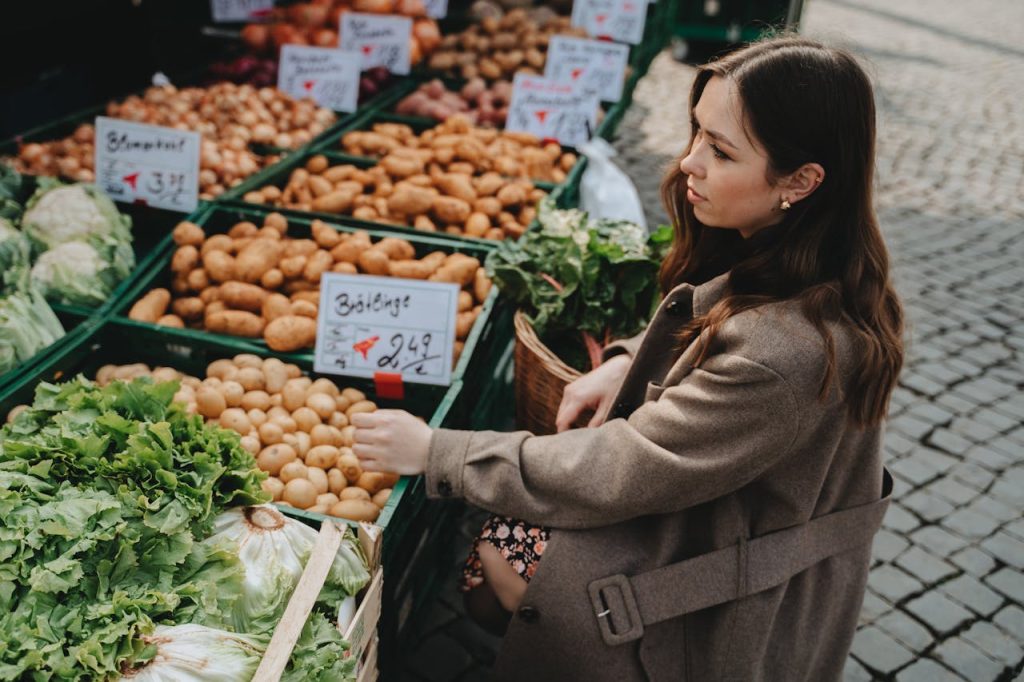
Where travel money lands has become a serious part of decision-making. Women who prioritize local culture often prefer businesses where ownership, labor, and story are rooted in the destination itself. That includes local guides, independent food spots, neighborhood stores, and community-run experiences.
This behavior aligns with current travel research. American Express reports strong interest in supporting local small businesses while traveling, and Booking.com research shows more travelers now link tourism choices to community outcomes. Cultural travel gives a direct path to act on those priorities.
The ethical case is simple. Local spending can keep more value circulating within the communities that host travelers instead of funneling everything through distant chains. It also improves transparency, because travelers can often see who benefits from their choices in real time.
The practical case is just as strong. Local businesses usually provide better context for what is worth seeing next. So a culture-first dollar often buys both a product and a better decision for the rest of the day.
Culture-First Trips Support a Healthier Pace
Many women now treat pacing as a non-negotiable part of good travel. High-speed itineraries can look efficient on paper but create emotional drag in practice. Local culture supports a steadier rhythm because experiences are distributed through neighborhoods, not concentrated in long queues and rigid slots.
A cultural day can hold depth without overload. A morning market walk, a local lunch, a small museum, and a neighborhood performance can feel complete without constant rushing. That balance helps preserve energy for longer trips and reduces the burnout that follows checklist tourism.
This pace also leaves room for adjustment. If weather changes, transit slows, or mood shifts, culture-first plans can flex without collapsing. Women often report that this flexibility increases confidence because the day is still meaningful even when plans evolve.
The key point is not doing less. It is doing what matters with more control over time and attention. Culture-first travel turns pace into a strength rather than a compromise.
Local Guidance Improves Everyday Trip Quality
Online research gets a trip started, but local guidance often makes it work. Residents know which streets are lively after sunset, which cafés are consistently fair on price, and which markets are worth the detour on a specific day. That knowledge improves quality in ways no static list can match.
Community-based tourism frameworks are built around this principle. UN Tourism’s development guidance emphasizes local participation and destination models where communities are central, not decorative. When communities lead, traveler experiences tend to become more grounded and more resilient.
Women who seek local culture benefit from this everyday intelligence repeatedly. Better food decisions, fewer avoidable hassles, and smoother transitions between neighborhoods make the trip feel calmer and more coherent. Small improvements stack quickly.
In practice, local guidance changes the tone of travel. Instead of managing constant uncertainty, travelers move with a clearer read on place and purpose. That shift is subtle, but it often defines whether a trip feels draining or rewarding.
Cultural Travel Matches Post-Pandemic Values

Post-pandemic travel has more intentionality. Many women are not just asking where to go, but how to go without flattening local life. That question naturally points toward cultural participation rather than passive consumption.
Large-scale trend signals support this shift. Booking.com reports growing awareness of tourism’s effects on communities and stronger traveler intent to leave places better than they were found. That mindset aligns directly with culture-first choices like local operators, community events, and neighborhood businesses.
Institutional language has also moved in this direction. UN Tourism frames culture as a core dimension of tourism development and a practical route to stronger local outcomes. Culture is no longer treated as an ornament around tourism. It is increasingly treated as infrastructure.
For women, this alignment between values and method is powerful. A trip can still be joyful and restorative while also being more respectful of the place that hosts it. That combination is a major reason cultural travel keeps gaining momentum.
Meaningful Encounters Leave a Longer Afterlife
The strongest trips keep working long after return flights. Cultural encounters often reshape how travelers think about work, family, food, language, and community belonging. Those insights do not fade quickly because they are tied to people, not just attractions.
There is a conceptual reason this happens. Cultural tourism is fundamentally motivated by learning and discovery, so it naturally produces reflection in addition to entertainment. UN-linked cultural tourism frameworks describe this learning dimension as central to the travel experience.
Women who seek local culture are often choosing that longer arc on purpose. They want trips that stay relevant beyond the itinerary and continue influencing daily life at home. That is why these journeys are remembered as turning points more often than quick escapes.
In the end, local culture offers a full-spectrum return: better judgment while traveling, better memory afterward, and better alignment with community impact. That combination makes culture-first travel feel less like a trend and more like a durable standard.