9 Regions Where Travel Bargains Vanished After 2024

Travel bargains once defined many popular regions, allowing visitors to explore comfortably without stretching budgets. After 2024, shifting demand, inflation, labor shortages, and accommodation pressures changed that reality. Destinations that once appealed for affordability now reflect rising prices across lodging, dining, transportation, and attractions. Increased global travel, limited housing, and premium driven experiences accelerated these shifts. Specific regions where value travel faded noticeably after 2024. Each section explains how costs climbed and why familiar bargains disappeared, reshaping expectations for travelers accustomed to reasonable pricing across well known and emerging destinations worldwide.
Southern California Coast

Southern California’s coast lost its reputation for affordable travel as lodging and dining costs climbed sharply after 2024. Increased demand, limited coastal development, and short term rental competition reduced budget options. Beach towns like Santa Monica and Laguna Beach saw nightly rates rise year round. Transportation expenses also increased as fuel prices and parking fees grew. Attractions adjusted pricing to manage crowds. What once allowed flexible, lower cost trips now requires advance planning and higher spending. The region remains popular, but spontaneous budget getaways along the Pacific became far less realistic for many travelers seeking coastal experiences in recent years.
Paris And Surrounding Île-De-France

Paris and the Île-De-France region experienced a notable shift after 2024 as travel demand surged. Hotel rates rose consistently beyond peak seasons, while dining costs reflected inflation and staffing pressures. Short term rental regulations reduced supply, pushing visitors toward higher priced accommodations. Transit fare adjustments added incremental expenses. Popular museums and attractions implemented timed entry pricing. The city’s appeal remains strong, yet affordable stays and meals became harder to find. What once allowed moderate budgets now demands careful planning, signaling a lasting change in how visitors experience France’s most visited urban region overall for travelers.
Tokyo Metropolitan Area

Tokyo’s reputation for value travel diminished after 2024 as accommodation prices increased across central neighborhoods. A resurgence in international tourism tightened availability, particularly near major transit hubs. Business hotels raised rates while traditional ryokan bookings filled quickly. Dining remained varied, but overall costs rose alongside wages and imports. Transportation passes adjusted pricing structures. The yen’s fluctuations further affected visitor budgets. While Tokyo still offers efficiency and safety, the era of broadly affordable urban travel faded as demand reshaped pricing throughout the metropolitan area for international travelers planning longer stays.
Amalfi Coast Italy

The Amalfi Coast saw travel bargains disappear as global interest intensified after 2024. Limited geography restricts accommodation growth, driving hotel and rental prices higher. Seasonal demand extended longer, reducing off season relief. Dining costs climbed as supply chains and labor expenses increased. Transportation between towns became pricier due to congestion management. Day trip surcharges and reservation systems expanded. What once allowed selective splurging now requires substantial budgets throughout the year. The coastline remains iconic, but affordability no longer defines the experience for most visitors, especially during peak months when crowds and pricing reach extreme levels.
Lisbon And Coastal Portugal
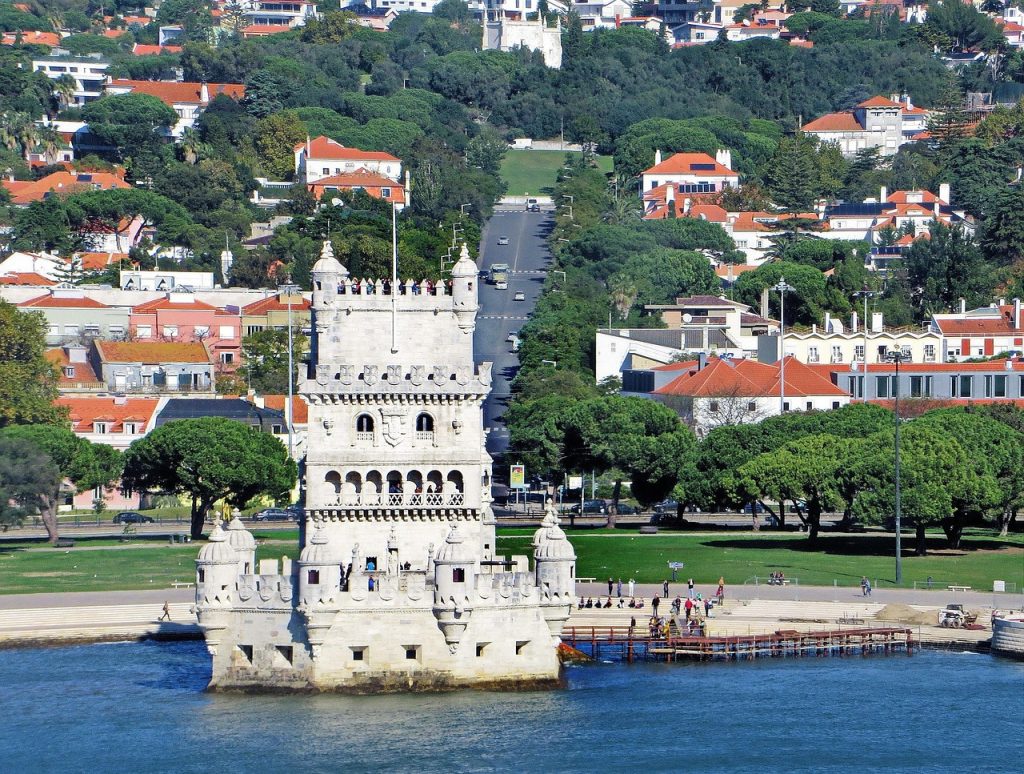
Lisbon and coastal Portugal experienced rapid price growth following increased international relocation and tourism. Housing pressures reduced short term rental availability, raising nightly rates. Restaurants adjusted prices to meet rising costs and demand. Transportation and tour pricing followed similar trends. Areas once considered affordable alternatives to Western Europe shifted toward premium positioning. While Portugal still offers value compared to some regions, post 2024 pricing changes ended its reputation as a consistent bargain destination for extended stays or spontaneous travel along its historic cities and Atlantic coastline. These shifts reflect sustained demand, housing shortages, and evolving travel preferences across Europe.
Reykjavik And Southern Iceland
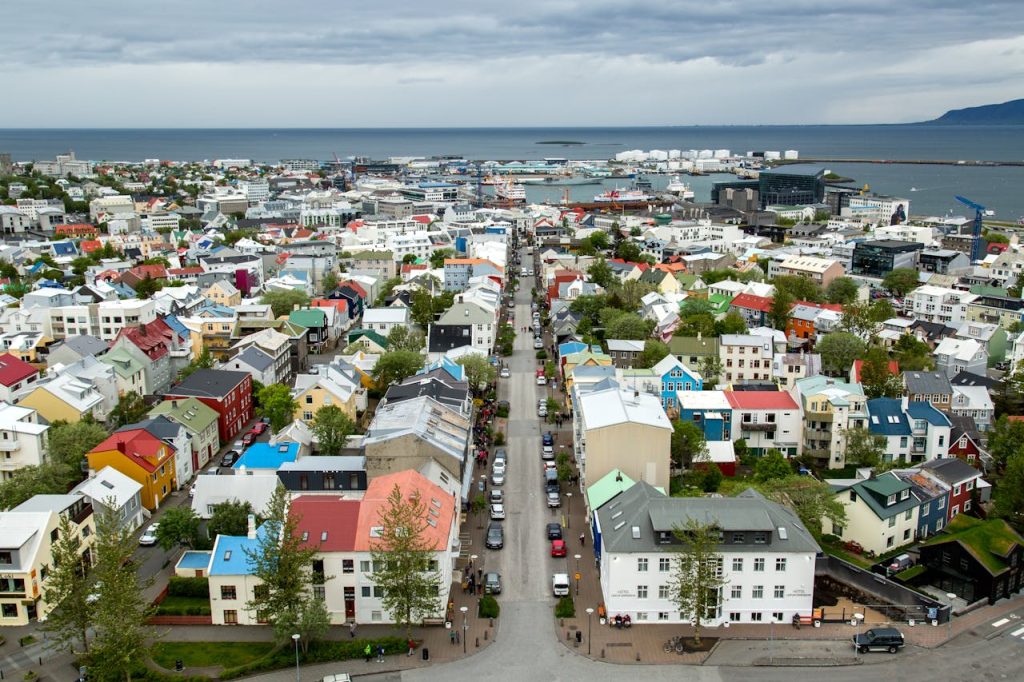
Iceland’s southern region, centered around Reykjavik, lost remaining travel bargains after 2024. Accommodation prices rose as tourism stabilized at high volumes. Dining costs increased further due to imports and labor expenses. Rental vehicles and fuel pricing climbed, impacting road trips. Popular natural sites introduced or expanded access fees. Seasonal variations narrowed, keeping prices elevated year round. While Iceland’s landscapes remain unmatched, the destination firmly transitioned into a high cost travel category, leaving little room for budget oriented exploration compared to earlier years. Travelers now plan carefully, prioritizing fewer stops, shorter stays, and higher budgets overall for visitors.
New York City Metropolitan Area

New York City’s affordability challenges intensified after 2024, affecting travelers directly. Hotel rates climbed across all boroughs as demand rebounded strongly. Short term rental restrictions limited alternatives. Dining costs reflected rising wages and ingredient prices. Transit fares adjusted upward, adding daily expenses. Attractions and events increased ticket pricing. Budget travel strategies became harder to execute even outside peak seasons. While the city remains accessible through planning, the disappearance of widespread bargains reshaped expectations for visitors accustomed to finding value through timing and neighborhood selection amid ongoing urban economic pressures.
Bali Indonesia

Bali experienced a shift from budget haven to premium destination after 2024. Increased international arrivals drove up accommodation rates, especially in coastal and cultural hubs. Long stay rentals became more expensive due to foreign demand. Dining and transportation costs followed upward trends. Infrastructure strain led to added fees at popular sites. While affordable options still exist, the overall cost structure changed noticeably. Travelers seeking the island’s once legendary affordability now encounter higher baseline expenses across lodging, services, and activities throughout Bali’s most visited regions. This transformation mirrors Southeast Asian tourism shifts driven by digital nomads and post pandemic demand.
Mexico City And Central Highlands
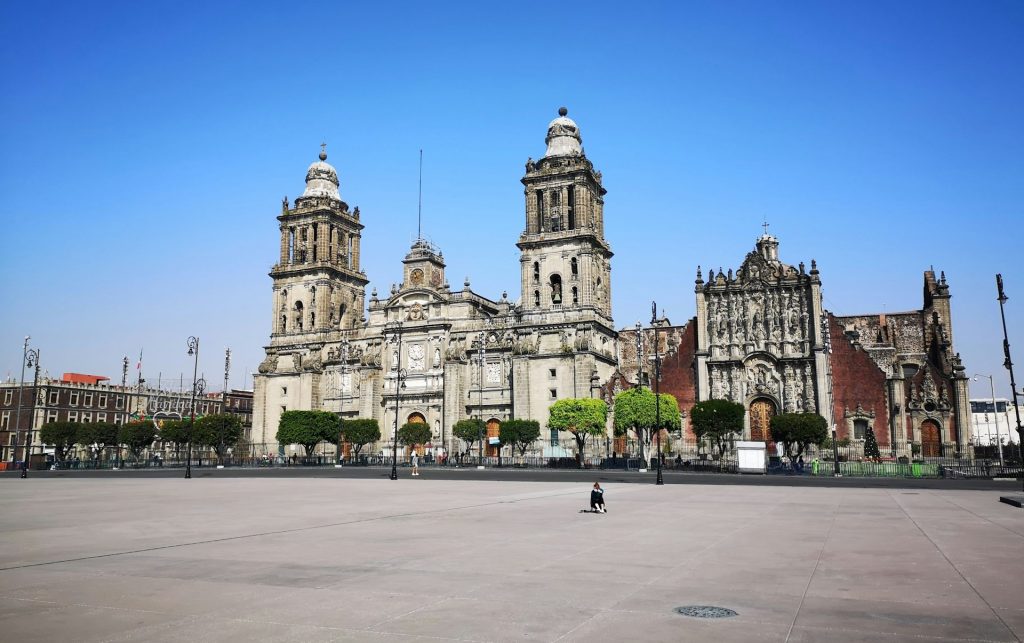
Mexico City and the central highlands saw travel costs rise as international interest increased after 2024. Neighborhoods popular with visitors experienced higher hotel and rental rates. Dining prices climbed alongside inflation and demand. Cultural attractions adjusted fees and reservation systems. Transportation remained accessible, but overall trip budgets grew. What once supported extended, affordable stays shifted toward mid range pricing. The region still offers cultural richness, yet widespread bargains faded, marking a clear transition from budget friendly destination to competitively priced urban and cultural travel hub. This change reflects broader regional pressures tied to popularity, housing demand, and evolving travel trends.