9 Secluded U.S. Forests Women Camp In When Crowds Ruin Everything
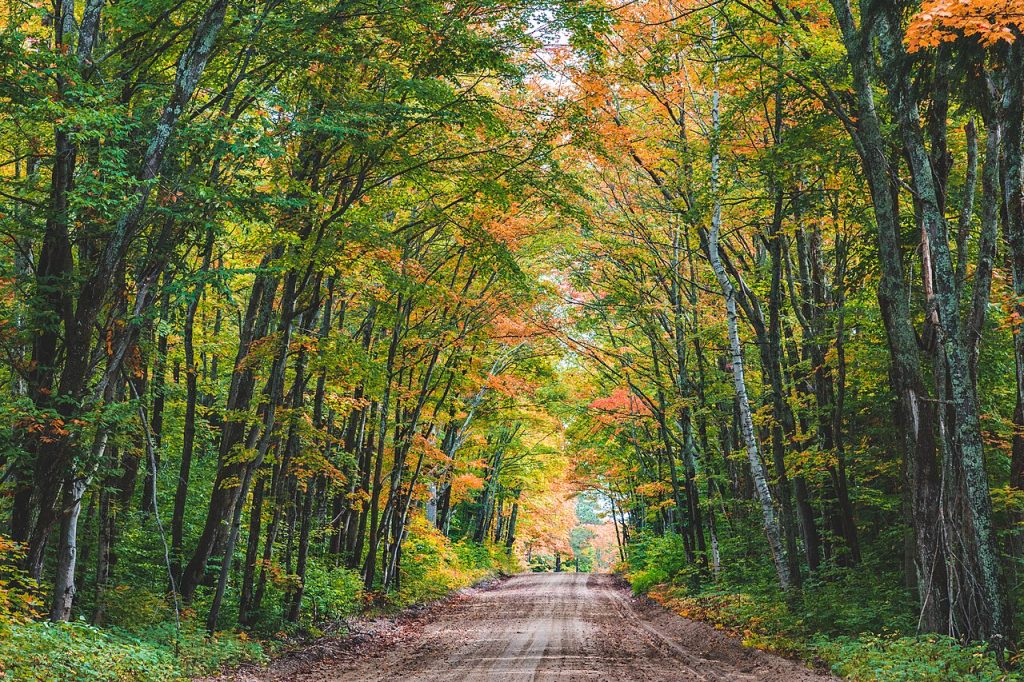
Crowds can turn a weekend in the woods into headlights chatter and that constant sense of being observed. When that happens, many women who camp look for something simple: a site with space quiet, and the feeling that nobody is about to wander through camp.
These U.S. forests stay calmer because they are large, spread out, and full of lesser-used roads. Dispersed camping is common in national forests, but rules vary by district, season, and fire conditions, so local checks still matter. The goal is not isolation for its own sake, but rest that feels earned and steady. Arriving first, keeping camp small, and choosing existing clearings helps.
Gila National Forest, New Mexico
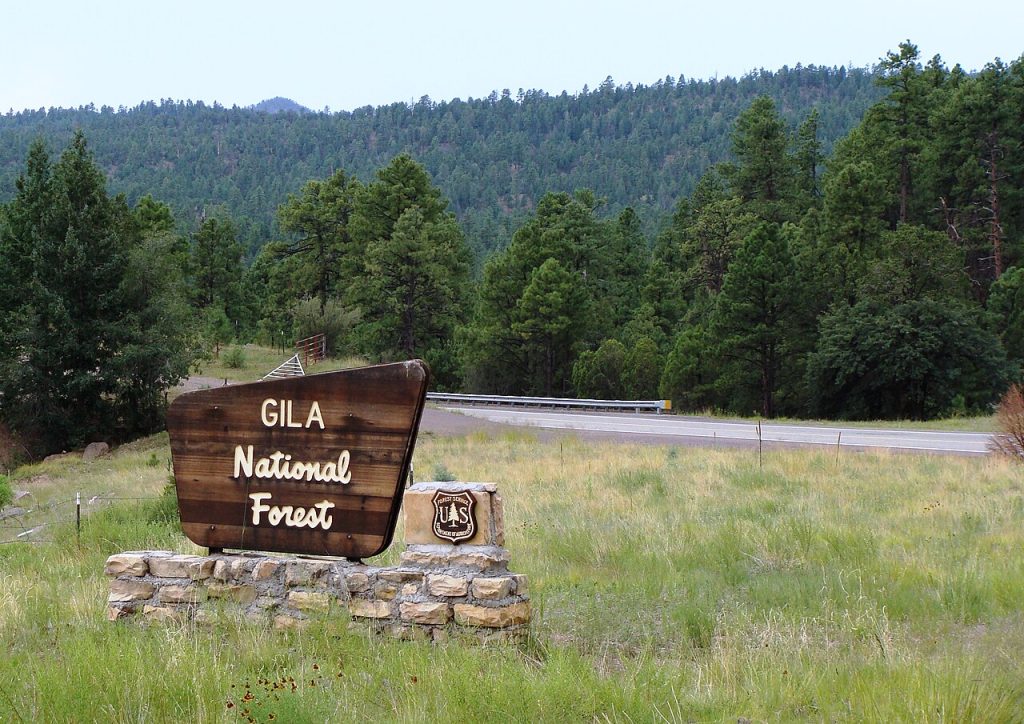
Gila carries distance in its bones: rugged canyons, ponderosa ridges, and long drives that thin out traffic fast. Camps can be tucked into existing clearings off forest roads, where nights feel quiet enough to hear owls and distant water instead of neighbors. Even near the Gila Wilderness boundary, pullouts stay very empty midweek.
Planning matters here because services are scarce and weather can turn quickly, especially during summer monsoon bursts. Many campers keep a paper map, pack extra water, and pick higher ground that will not flood. A simple routine, low light, and clean food storage often buys a calm night that feels truly private.
Salmon-Challis National Forest, Idaho
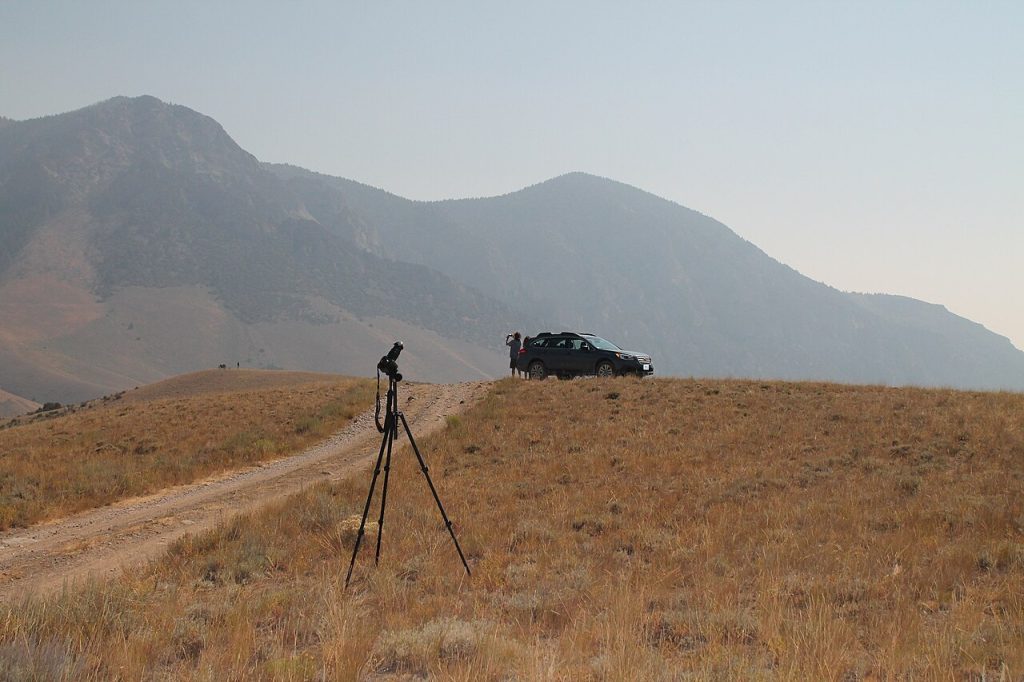
Salmon-Challis is huge, and that scale is the point. River valleys and high peaks stretch across central Idaho, with gravel routes that keep traffic near edges. Campers who want solitude often choose a pullout set back from the main corridors and keep setup simple. Some roads skirt the Frank Church-River of No Return Wilderness, which deepens the sense of space.
Conditions shift fast in the mountains. Nights run cool even in summer, streams can surge, and phone signals drop without warning. Many women camp here with a map, a fuel plan, and a firm rule about daylight arrivals. Once camp is set, the quiet holds, and the sky softens everything.
Ochoco National Forest, Oregon
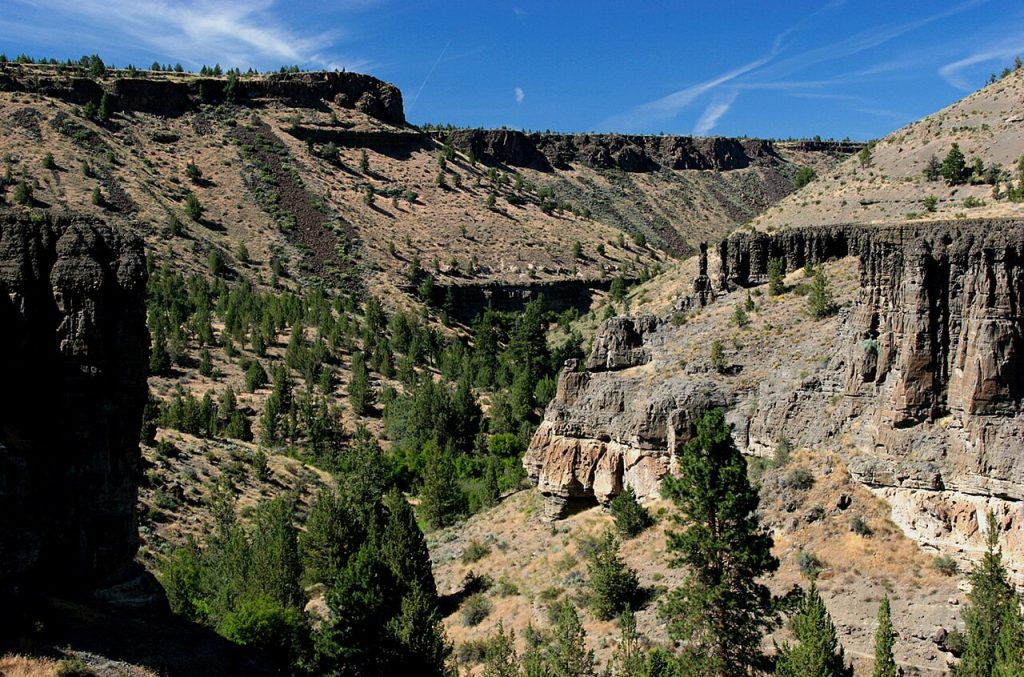
Ochoco stays under the radar compared with Oregon’s coast and big-name peaks. Ponderosa pine ridges roll above small towns, and the road network offers plenty of pullouts that do not feel staged or crowded. A quiet camp often sits only a few miles past the last popular trailhead. Weeknights can feel empty out there.
Fire rules matter here, especially in late summer and closures can change quickly when conditions dry out. Campers who stick to existing clearings, keep flames legal, and store food cleanly tend to sleep well. The reward is a calm morning light through tall pines, with enough silence to make coffee feel like a ritual, not a rush.
Wallowa-Whitman National Forest, Oregon
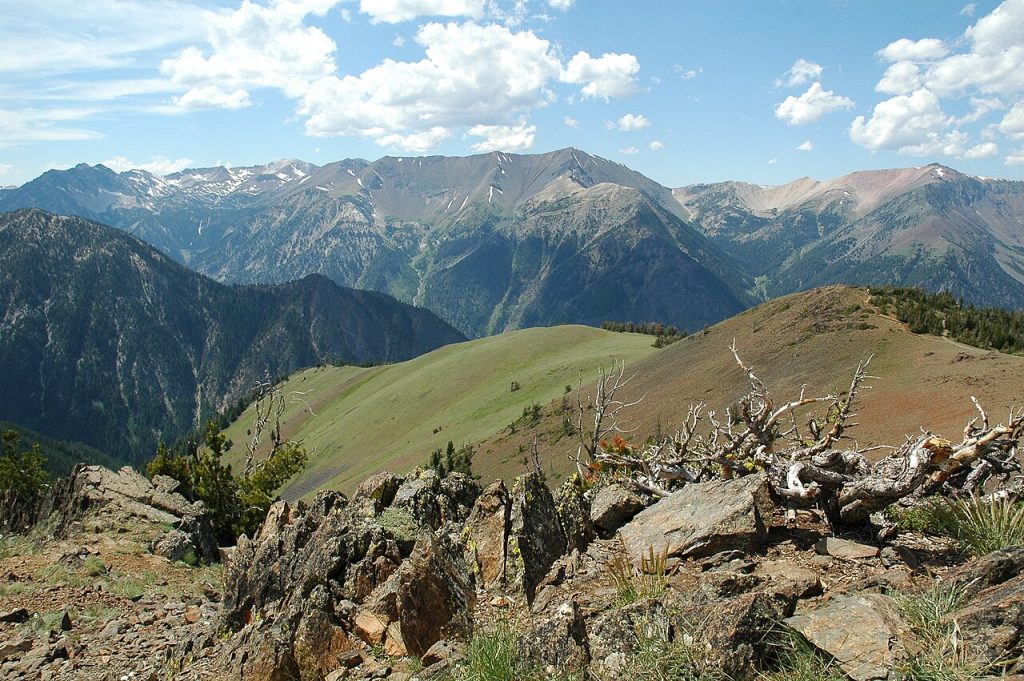
Wallowa-Whitman has busy pockets, then long quiet beyond them. Once the paved roads give way to gravel, the crowd thins and camps start to feel personal again. Ridge views open and creek bottoms offer shade when afternoons run hot. Areas near Eagle Cap Wilderness can feel remote even when a town is not far away at dusk.
The trick is choosing distance without drama. Many women aim for a simple roadside clearing, set camp early, and keep lights low after dark because sound carries in the mountains. In shoulder seasons, the forest can feel especially still, with cold air settling into valleys and a sense of privacy that lasts through the night.
Hiawatha National Forest, Michigan
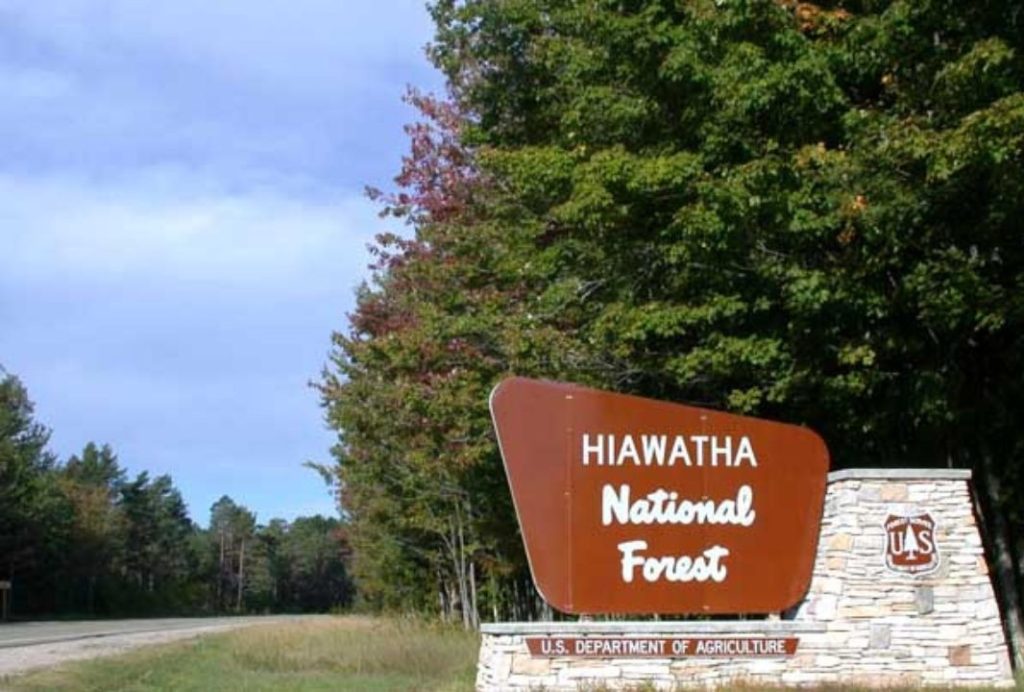
Hiawatha offers seclusion that feels gentle, not severe. Cedar and pine shade long stretches of road and lakeside air cools once beach traffic clears. A camp set back from the busiest shorelines can feel quiet enough to hear loons and small waves without any other soundtrack. In the Upper Peninsula, distances feel real.
Timing matters because bug seasons can be intense and a screen shelter can make the difference between comfort and frustration. Many women camp here with simple routines: early dinner, low light, and food stored cleanly. The forest’s calm tends to deepen after 9 p.m., when day visitors leave and the shoreline finally settles.
Superior National Forest, Minnesota
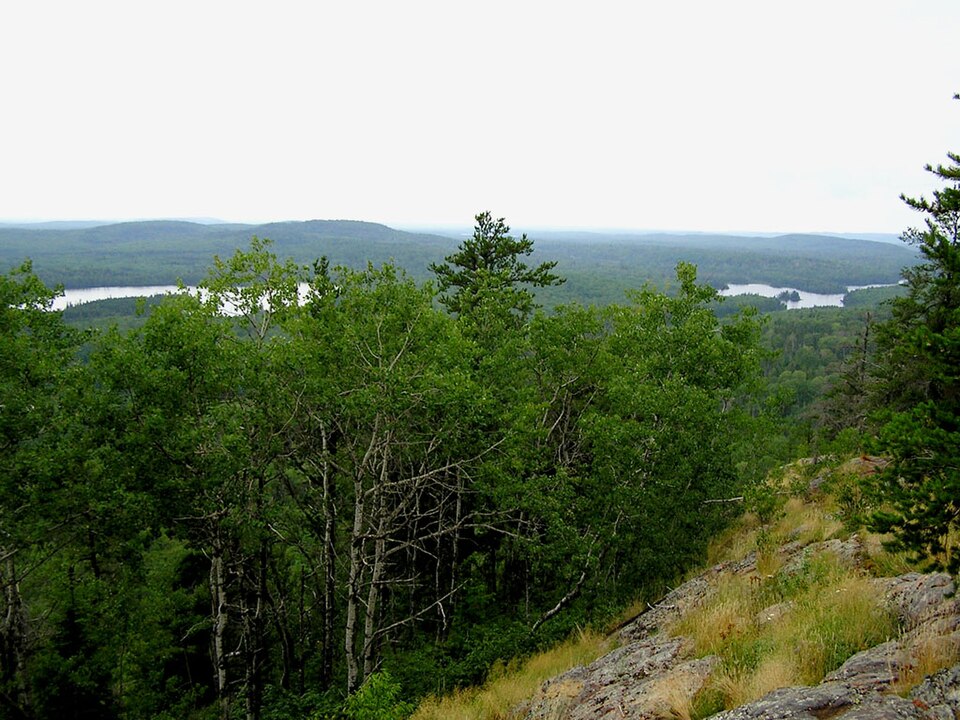
Superior is famous for the Boundary Waters, but quiet still exists beyond the busiest entry points. The forest is stitched with lakes, pines, and long spurs where a camp can sit back from the main routes and feel undisturbed. Even a short drive away from popular corridors can change the whole mood at times.
Summer weekends bring more traffic, so many women plan for midweek arrivals or shoulder seasons, when the roads and landings empty out. Mosquitoes can be relentless, and wind off the water can turn cool fast at night. With clean food storage and a tidy site, the reward is a steady hush, broken only by waves, owls, and early morning light.
Allegheny National Forest, Pennsylvania
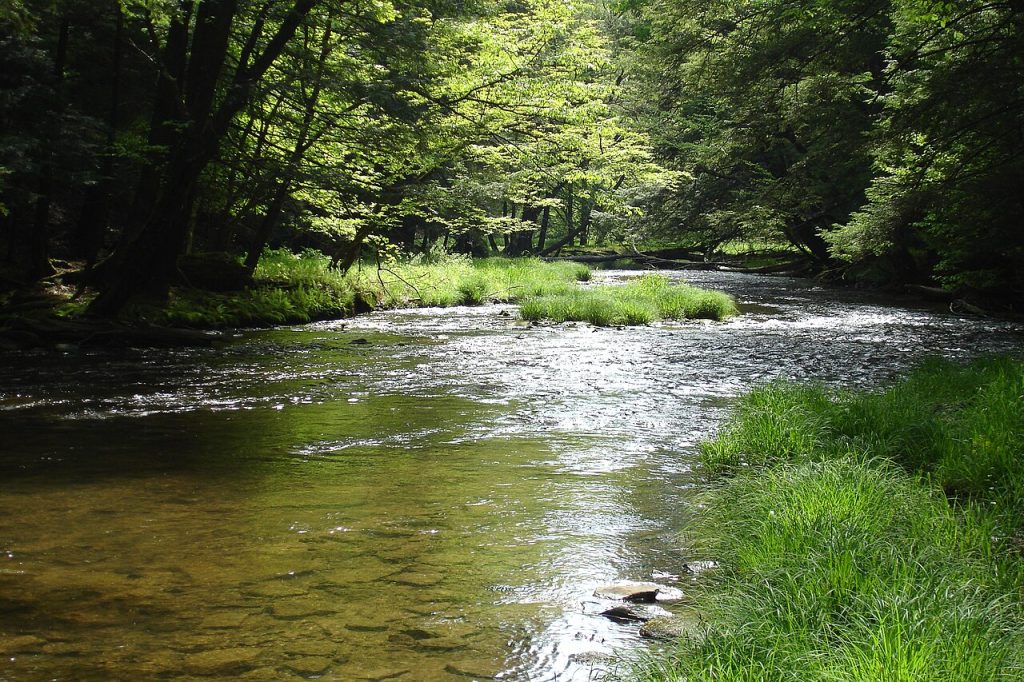
Allegheny offers really quiet in the East, especially once day-use traffic fades. The forest mixes hemlock shade, reservoir coves, and gravel spurs that branch away from the busiest picnic areas. A small site set back from the main loops can feel calm without being far from a town for once.
Rules vary by corridor and some river areas limit camping to designated sites, so checking local postings is part of the plan. Many women aim for weeknights, keep arrivals before dusk, and use low, warm lighting that does not announce camp. When the timing lands, the night feels steady, with little noise beyond wind in leaves and water moving in the dark.
Green Mountain National Forest, Vermont
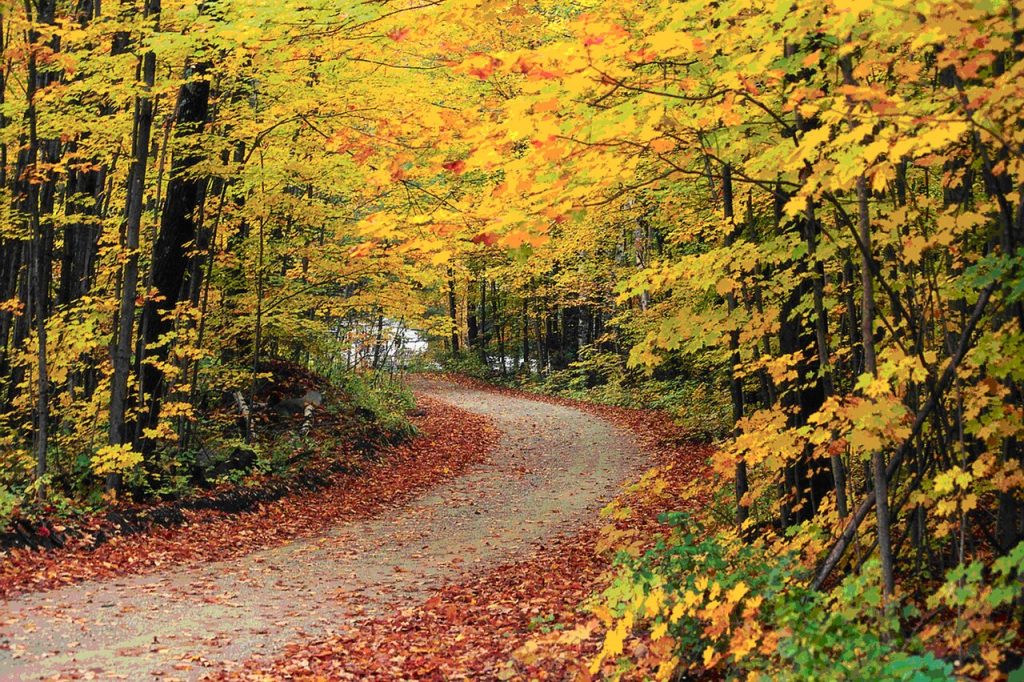
Green Mountain feels private in an understated way. Hardwood ridges fold into misty hollows, and a modest roadside camp can disappear into trees once evening comes. Outside peak foliage weekends, many trailheads go quiet early, and the forest’s small roads start to feel like back doors to silence.
Rain is common, so a good tarp plan and dry layers matter more than fancy gear. Many women camp here with an early dinner and a clear boundary: camp stays calm, lights stay low, and mornings begin slow. The payoff is a soft night soundscape of leaves, distant streams, and wind, with none of the crowded-park pressure. Food storage stays strict, too.
Kisatchie National Forest, Louisiana
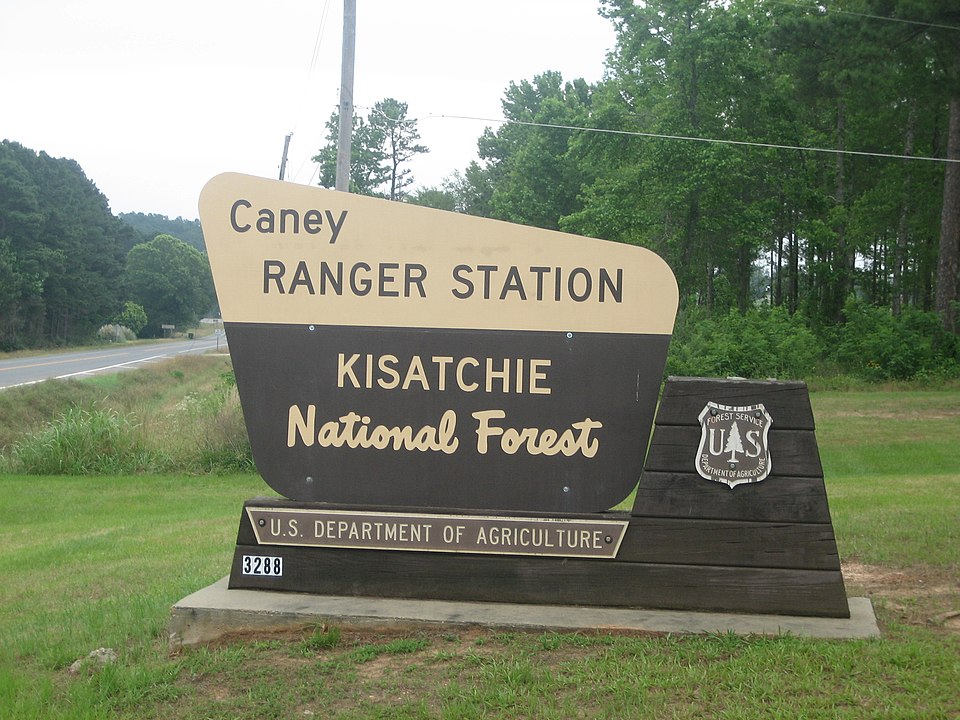
Kisatchie offers quiet without a long western drive. Pine hills, sandy trails, and bayou edges create camps that feel hidden even when a paved road is not far away. On weeknights, some areas go so still that the loudest sound is insects rising and falling with the heat. The air smells of pine.
The comfort here comes from simple choices: higher ground, good airflow, and a site that will not turn to mud after rain. Many women camp with a solid tarp setup and a strict no-trash routine because wildlife notices leftovers fast. When fire rules allow, a small cooking flame stays controlled, and the night settles into frogs, owls, and warm darkness.