9 States Where Local Ordinances Catch Tourists Completely Off Guard

Traveling across the United States can feel familiar, yet local rules often vary dramatically between states and cities. Tourists frequently assume everyday behavior applies everywhere, only to encounter fines, warnings, or confusion. Local ordinances grow from history, climate, safety needs, and community values. These laws rarely appear in brochures but affect beaches, streets, parks, and nightlife. Understanding them prevents awkward moments and unnecessary trouble. Awareness also highlights the country’s legal diversity. From coastal towns to mountain regions, certain states enforce regulations that consistently surprise visitors who arrive unprepared during modern domestic travel experiences today nationwide.
Florida
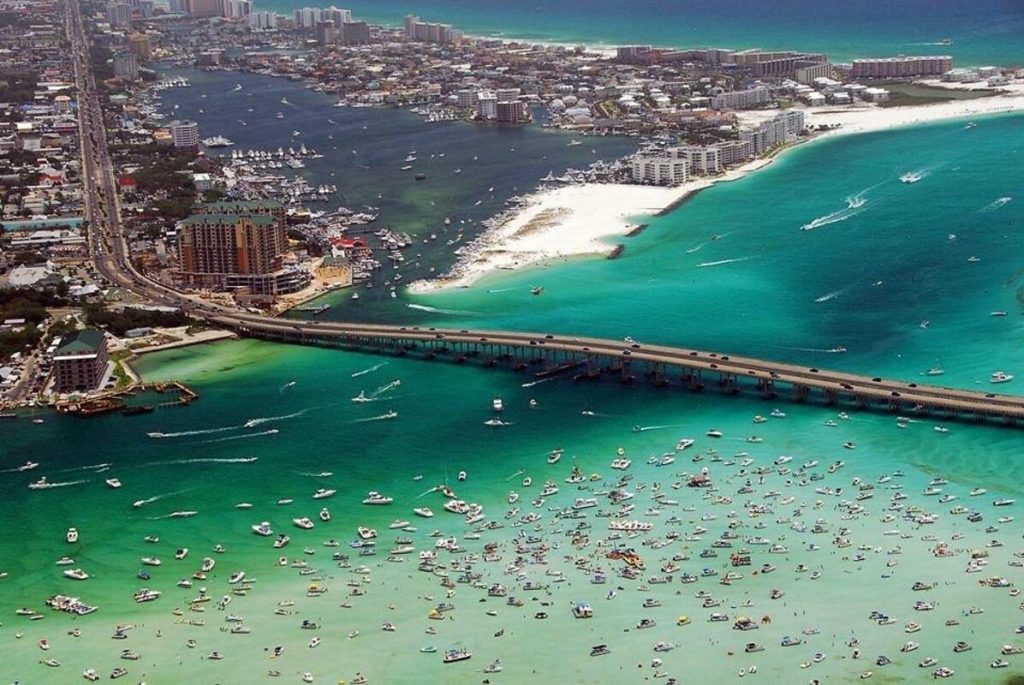
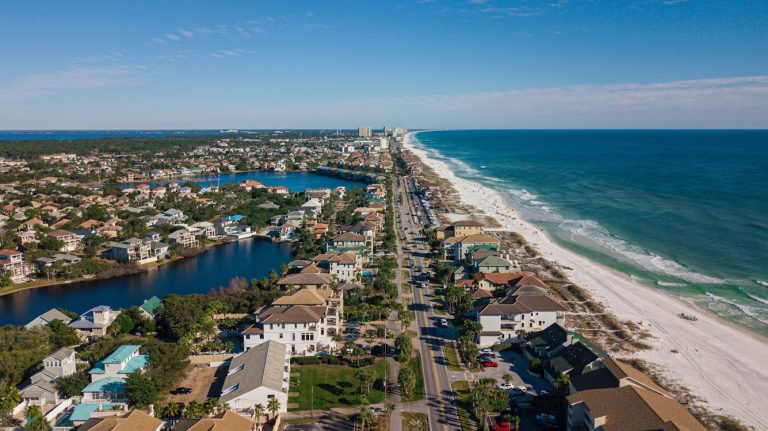
Florida often surprises visitors with ordinances protecting beaches, wildlife, and neighborhoods statewide. Many coastal cities ban alcohol on public beaches during busy seasons. Feeding wildlife, including birds, dolphins, and manatees, is illegal and enforced. Some areas prohibit collecting sand, shells, or sea life. Loud music can trigger citations under local noise rules near homes. In Key West, free roaming chickens are protected by law. These regulations safeguard ecosystems and residents, yet tourists expecting relaxed beach culture frequently encounter penalties without prior awareness during vacations planned around sunshine, leisure, and coastal freedom every year unexpectedly here.
Hawaii

Hawaii enforces local ordinances shaped by environmental preservation and cultural respect statewide. Many beaches ban smoking entirely, including e cigarettes. Removing sand, lava rocks, or coral is illegal and fined heavily. Several counties restrict certain sunscreens to protect coral reefs. Noise ordinances limit early morning and late evening disturbances, even near resorts. Parking rules change frequently around beaches and trails. These laws preserve fragile ecosystems and community harmony, yet visitors often underestimate enforcement, assuming island destinations operate casually despite clear signage, public education campaigns, and strong local conservation priorities across islands today for travelers everywhere.
California
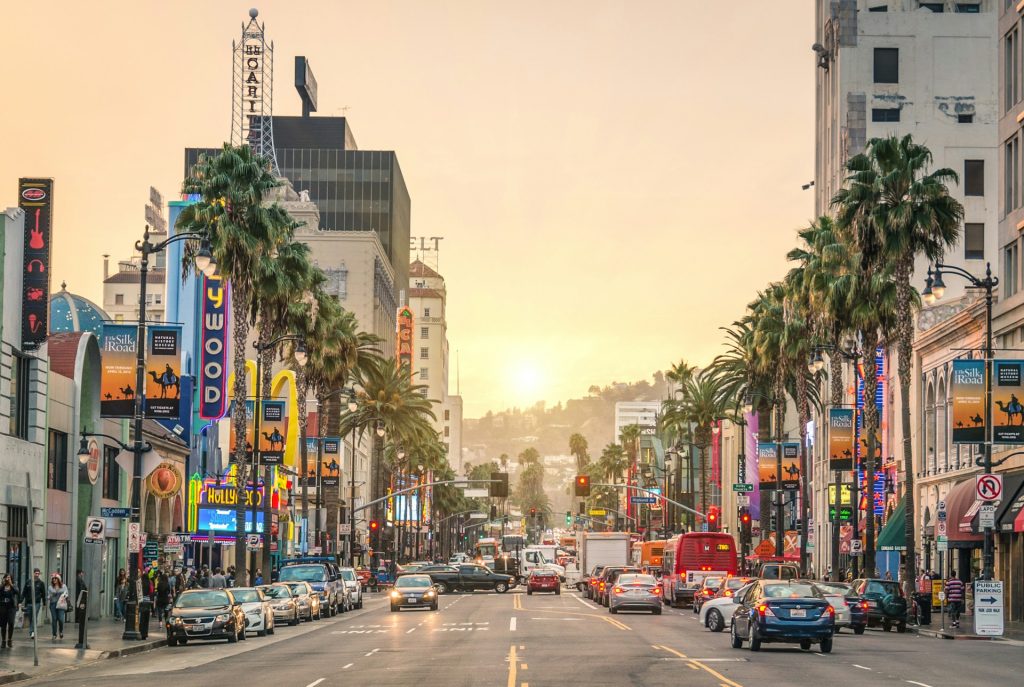
California surprises tourists with detailed local ordinances that vary widely by city. Smoking bans extend to beaches, parks, and many outdoor dining areas. Several cities restrict short term rentals through zoning laws. Statewide jaywalking rules recently changed, confusing visitors. Water restrictions apply during droughts, even for hotel guests. Plastic bag bans are common. Noise ordinances are enforced in residential zones. These regulations reflect environmental priorities and density, often conflicting with expectations shaped by California’s laid back image promoted by entertainment culture, tourism marketing, and long standing stereotypes nationwide that influence visitor assumptions widely today everywhere.
New York

New York enforces local ordinances that often surprise first time visitors. Open container laws prohibit public alcohol consumption in most places of New York City. Smoking is banned in parks, beaches, and near building entrances. Subway rules restrict carts, bikes, and behavior during peak hours. Noise ordinances vary by neighborhood and time. Jaywalking remains illegal statewide despite common practice. Trash disposal follows strict schedules. These rules support order and sanitation, yet tourists frequently discover them only after warnings or fines while navigating crowded streets, public transit systems, and dense residential districts daily across the city unexpectedly often today there.
Arizona
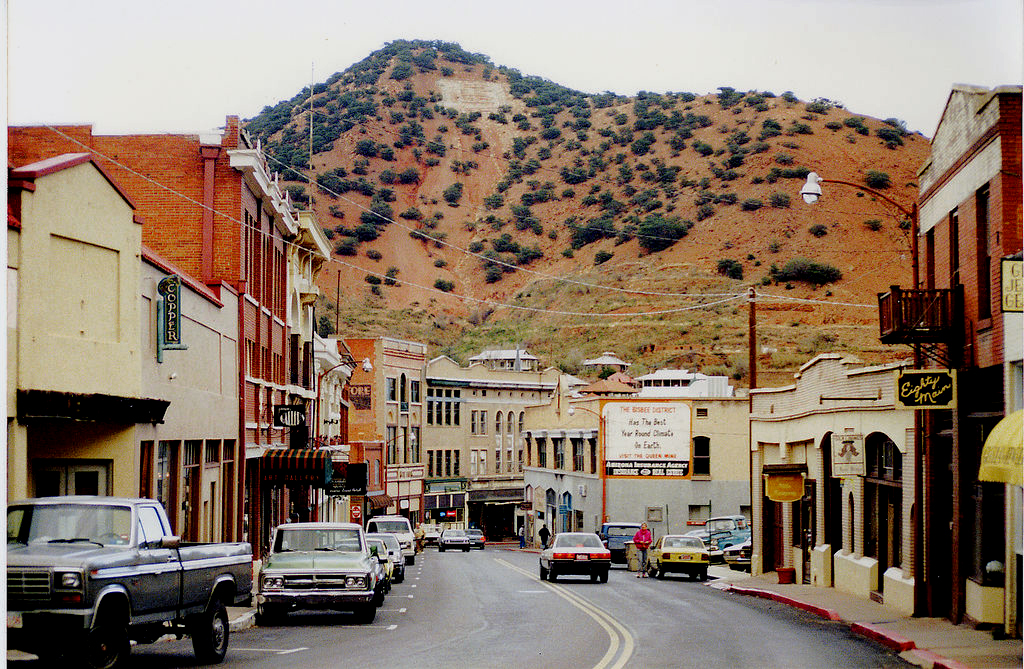
Arizona enforces ordinances shaped by desert climate and public safety concerns. Many cities ban overnight camping outside designated areas. Water conservation rules restrict washing vehicles during certain periods. Feeding wildlife such as coyotes or javelinas is illegal locally. Some jurisdictions limit hiking during extreme heat warnings. Open container laws apply in public spaces. These regulations aim to prevent environmental damage and emergencies. Visitors often underestimate desert risks, assuming wide open landscapes allow unrestricted freedom without recognizing local enforcement, temperature dangers, and conservation focused municipal planning across Arizona communities statewide today for travelers visiting here often.
South Carolina

South Carolina surprises tourists with strict beach town and historic district ordinances. Many coastal communities ban alcohol consumption on beaches year round. Some islands prohibit metal detecting entirely. Historic areas enforce noise rules, especially late at night. Dress codes exist near beaches and restaurants. Shell collecting is restricted in protected zones. Golf cart use faces regulation on public roads. These laws preserve character and safety, yet visitors expecting casual coastal norms frequently face enforcement during vacations planned around relaxation, nightlife, and traditional seaside leisure without understanding local governance, community priorities, or historical preservation concerns beforehand.
Nevada
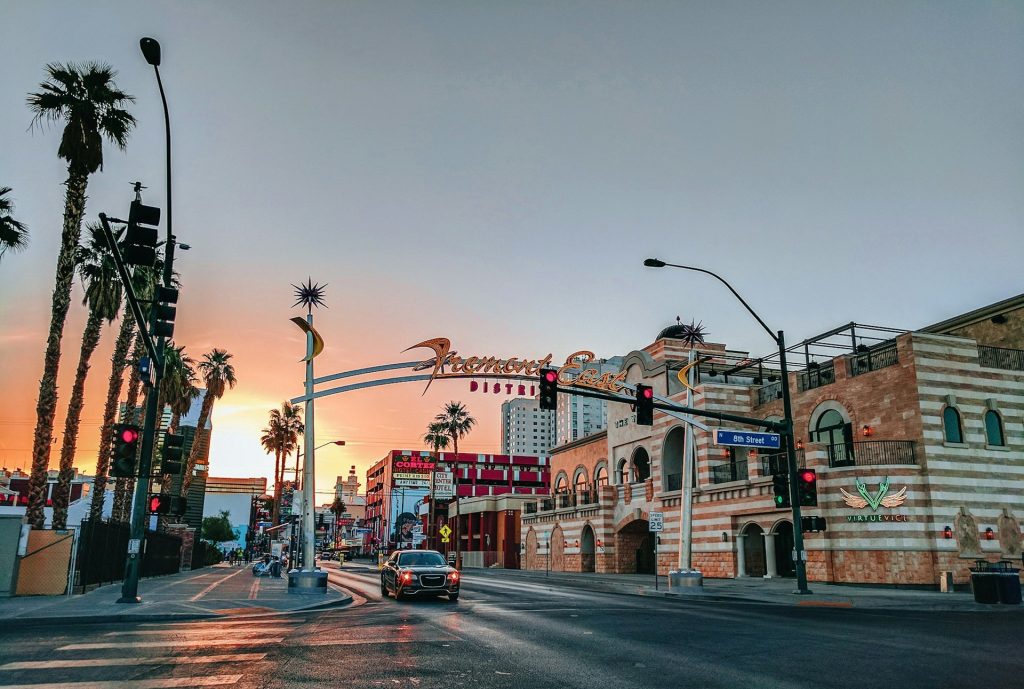
Nevada’s permissive reputation hides strict local ordinances outside tourist corridors. Public intoxication laws apply normally beyond casino districts. Street performance is regulated in Clark County. Many cities ban smoking in public parks. Fireworks remain illegal in most areas. Open container rules vary sharply by jurisdiction. Trespassing laws carry serious penalties, even on desert land. These regulations emphasize safety and property rights, surprising visitors who assume statewide leniency when traveling beyond Las Vegas, Reno, or other entertainment centered destinations across the state during road trips or overnight stops frequently planned by tourists each year statewide today.
Massachusetts

Massachusetts enforces local ordinances shaped by history and dense communities. Many towns restrict leaf blowers and lawn equipment seasonally. Alcohol laws limit public consumption and set early closing times. Historic districts regulate signage, noise, and behavior. Parking rules vary block by block. Some beaches ban dogs during summer months. Noise ordinances activate early evenings. These regulations support preservation and order, yet visitors often find enforcement stricter than expected especially when comparing experiences with neighboring states or assuming relaxed New England coastal traditions apply universally during vacations here across towns, cities, and historic seaside communities statewide.
Utah
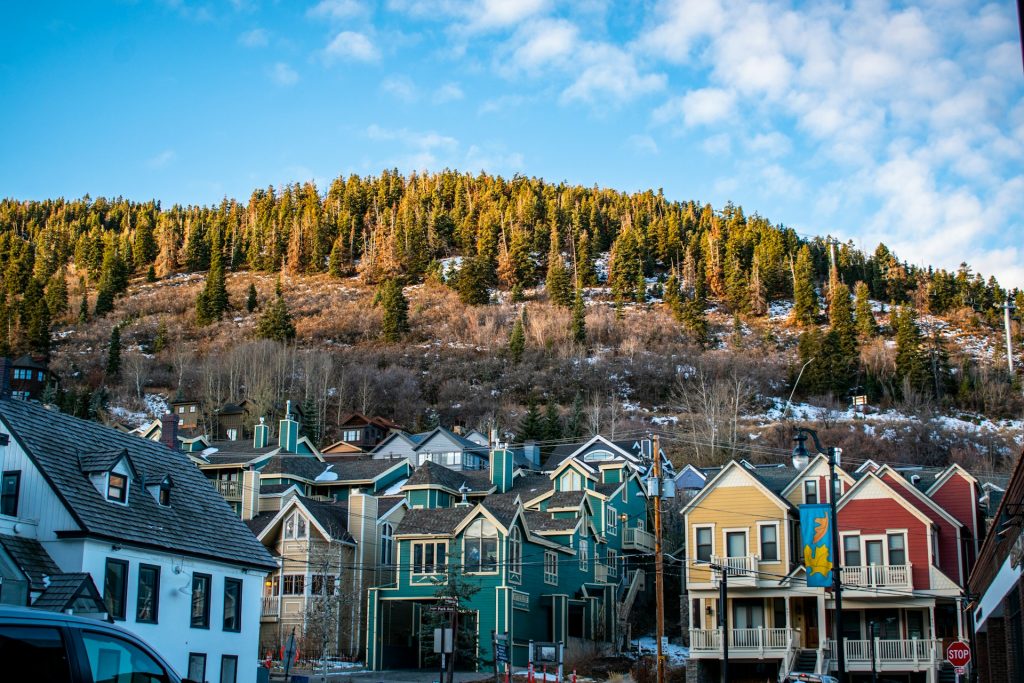
Utah enforces ordinances influenced by cultural values and conservation priorities. Alcohol laws restrict sales hours and consumption locations. Some counties prohibit alcohol entirely. Public decency standards are more strictly defined. Noise rules apply even near recreation areas. These regulations reflect community standards and stewardship. Visitors often underestimate their scope, particularly those expecting resort style flexibility during outdoor focused trips through Utah’s deserts, mountains, ski towns, and religiously influenced municipalities that maintain distinctive local governance traditions statewide which surprise travelers unfamiliar with regional norms and laws today often unexpectedly.