9 States Where Road Trip Costs Have Jumped the Most

The American road trip still sells a promise: open sky, diner coffee, and a sense that the next exit might improve the day. Recently, the price of that promise has been climbing in ways that are easy to miss until the receipts are tallied. Gas is the headline, but it drags other costs with it, from parking near popular waterfronts to fewer budget rooms during peak weeks. These states stand out for the steepest recent jumps, where the same miles now cost noticeably more than they did a year ago.
Oregon
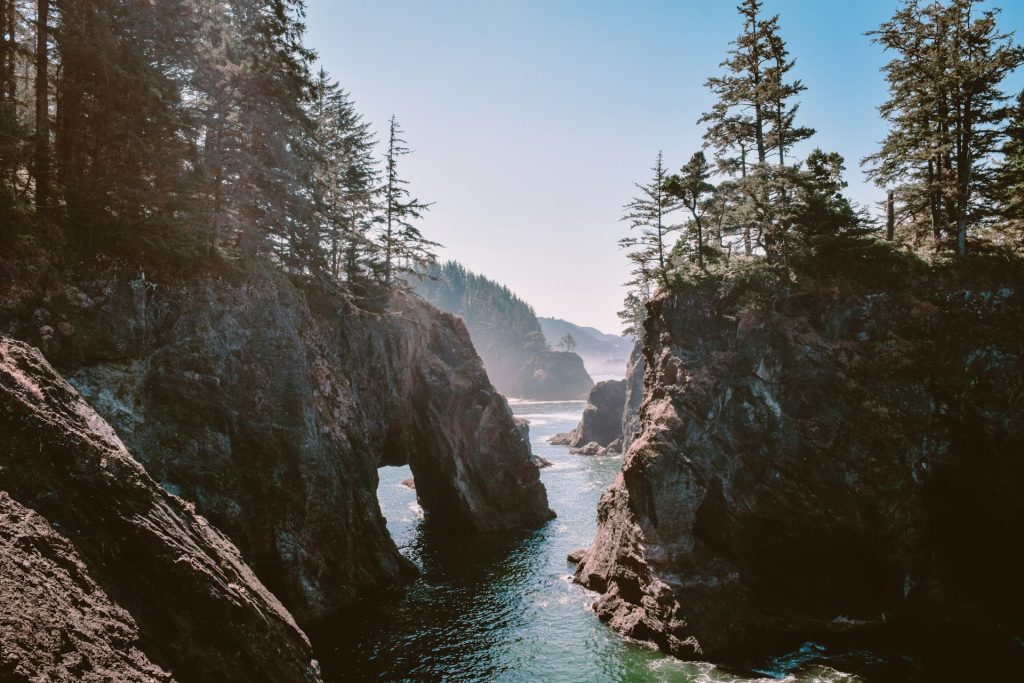
Oregon’s cost jump hits fast because the best drives demand steady mileage. Coastal loops, wine-country runs, and Cascade passes chew through fuel, and higher prices leave fewer ways to soften the blow. Outside Portland and Eugene, stations can sit far apart, which limits choice and locks travelers into the next posted number. Add steep grades, wet-weather driving, and a culture of scenic detours, and the total rises with every refill. The route still feels familiar, but the final total feels newly sharp. Even a careful budget gets tested when a scenic spur becomes an extra tank before the drive home.
Alaska

In Alaska, rising costs feel amplified because distance is never optional. A road trip can mean long stretches with limited services, so price-shopping is often impossible once the highway thins out. When fuel climbs, the ripple follows into basics like hot meals, coffee stops, and simple overnight rooms near key junctions. Extra miles are often required to reach the next town, not a spontaneous add-on. The scenery stays unmatched, yet planning now needs more buffer because each stop costs more and options are fewer. On these roads, the margin between comfortable and tight can be one unplanned stop and one more fill-up.
Idaho
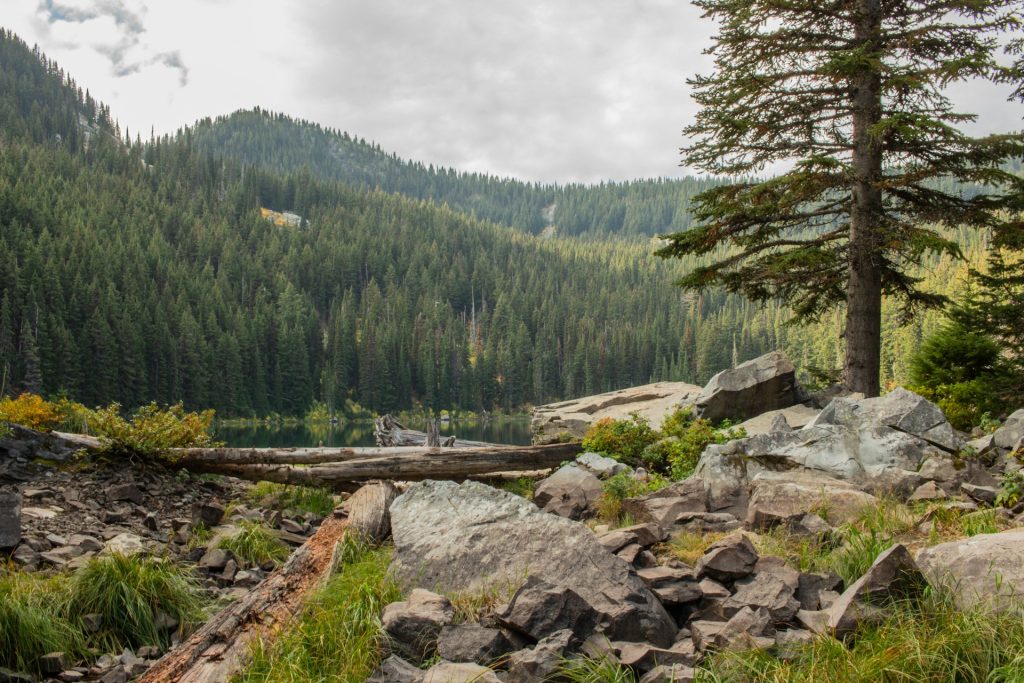
Idaho can look like a value state until the math catches up on long, quiet highways. Lakes, mountain towns, and high desert corridors are spread out, so small price increases turn into real totals over a weekend. Fewer late-night stations and fewer alternatives in small towns mean less flexibility when the tank runs low. Add winter grades near ski routes or summer traffic near rivers, and efficiency drops just as costs rise. What seems like a simple loop on a map can end with a surprisingly heavy receipt. The state still rewards wandering, but the price of wandering now shows up sooner and stays on the bill.
Washington

Washington’s cost surge is easy to feel because the baseline is already high and the driving is rarely simple. Stop-and-go traffic around major metros burns fuel without adding miles, while mountain passes and ferry-adjacent routes add time, fees, and extra stops. Parking near waterfronts and popular trailheads can quietly inflate the day, even when meals stay basic. When prices rise here, the effect shows up on short trips and long ones, because many routes combine congestion, elevation, and paid access in one run. That mix makes a simple weekend feel expensive in a way that is hard to notice until the receipts are stacked.
Arizona
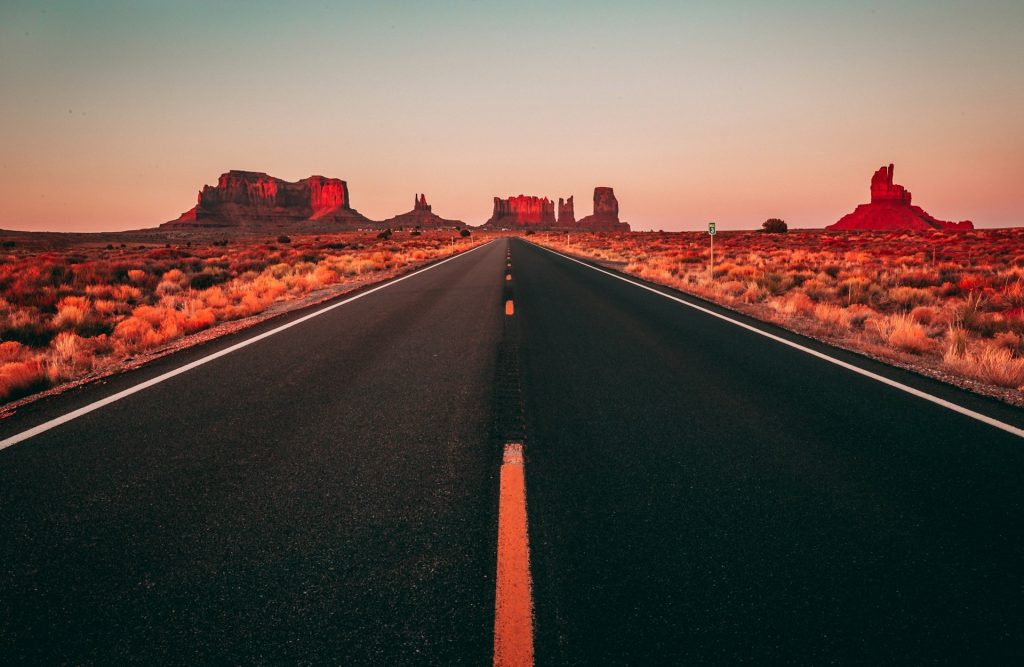
Arizona makes cost increases more visible because the roads invite long, tempting drives. Heat keeps air-conditioning running, highways stretch for hours, and detours to red-rock towns or rim-country overlooks feel like the whole point. When fuel rises, that extra mileage becomes a real decision, not a casual add-on. Busy seasons also tighten lodging in popular pockets, so a simple overnight can cost more than expected. Nothing about the trip needs to feel fancy for the budget to climb; it happens through distance and timing. Once the sun drops and rooms fill, the trip can shift from casual to costly without any change in plans.
California

California road trips carry a premium even in quieter months, so any uptick is felt immediately. Long distances, traffic, and consistently high fuel prices create a floor that rarely softens, whether the route hugs the coast or cuts through inland valleys. The state also rewards detours, and those extra miles cost more here than in most places. Once fuel runs high, parking, quick meals, and last-minute rooms often follow in the same direction. A modest weekend drive can end with a total that feels like a bigger trip elsewhere. The trip is still worth it, but the cost of keeping the wheels turning is rarely forgiving for long.
Utah

Utah’s road trip costs rise through distance more than drama. National parks, scenic byways, and remote viewpoints are spread far apart, and gateway towns often have limited options once crowds arrive. Even small fuel increases matter when an itinerary links multiple parks and adds side roads to overlooks. Elevation changes and two-lane highways can reduce efficiency, pushing refueling sooner than planned. The scenery still delivers, but the budget stretches in steady steps, mile by mile, until the trip costs more than it looks. Peak weeks add another squeeze, because fewer open rooms and higher menu prices meet the same long miles.
Rhode Island

Rhode Island’s size can be misleading because travel costs behave like those of a bigger, busier destination. Short drives still involve traffic, paid parking near the water, and fewer truly cheap rooms when beach weekends fill up. When fuel prices rise, it lands on top of those fixed costs, so even a quick coastal loop can feel premium. Meals and small stops also run higher in peak season, and there are limited low-cost alternatives once the shoreline is the goal. Mileage stays low, but the total does not. A short drive can still land like a splurge when parking, food, and seasonal pricing all pull upward together.
Michigan
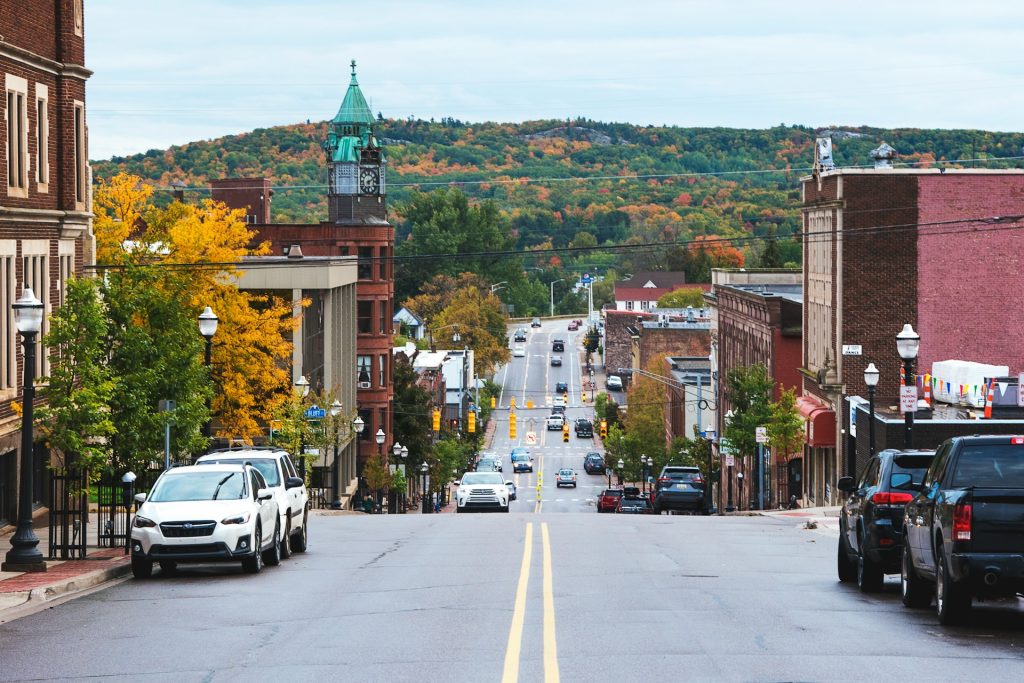
Michigan road trips often follow water, and that means more miles than the map suggests. Shoreline drives, bridge crossings, and town-hopping between beaches, parks, and wineries stack distance quietly across a weekend. When fuel prices rise, the increase repeats at every stop, and popular waterfront areas add parking costs that feel unavoidable. Seasonal towns can also run pricier on food and rooms when the weather turns good. The spending rarely spikes in one place; it accumulates in small, reasonable charges until the final number feels surprisingly high. The increase stays quiet at first, then shows up clearly at checkout.