9 Tips for Women Renting Safe Bikes Across U.S.
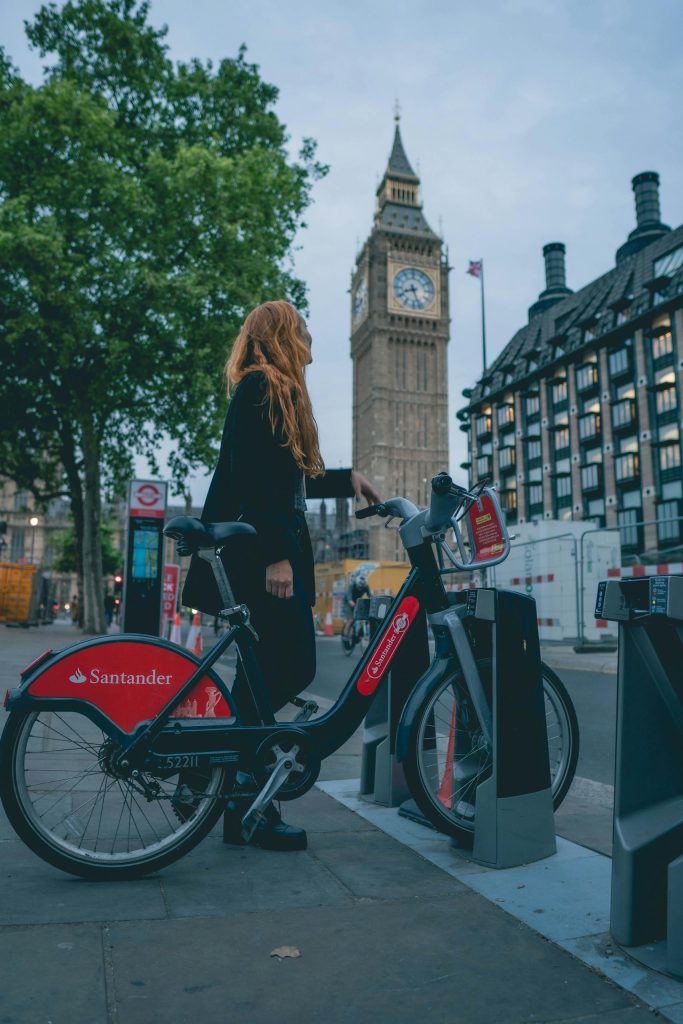
My approach to vacation cycling used to be casual and largely unresearched. I would walk up to a boardwalk kiosk in a busy coastal town, hand over a credit card, and pedal away on a heavy, single-speed cruiser without checking the brakes or the route map. That carefree method, however, feels increasingly reckless in 2026. The reality of distracted driving, fragmented infrastructure, and variable fleet maintenance has shifted the priority from simple availability to verified safety. The old default of forcing a bicycle into car-centric traffic is being replaced by a calculated search for cities where the rental experience is integrated into a protected, cohesive network.
This shift is particularly relevant for women travelers who prioritize personal safety and reliable equipment over the cheapest hourly rate. Urban planners and mobility experts note that the “gender gap” in cycling often closes in cities that invest in high-quality, separated infrastructure, proving that safety is a design choice, not a skill level. I realized that a successful ride requires renting in a place where the system is designed to protect the rider, not just the car.
Portland, Oregon
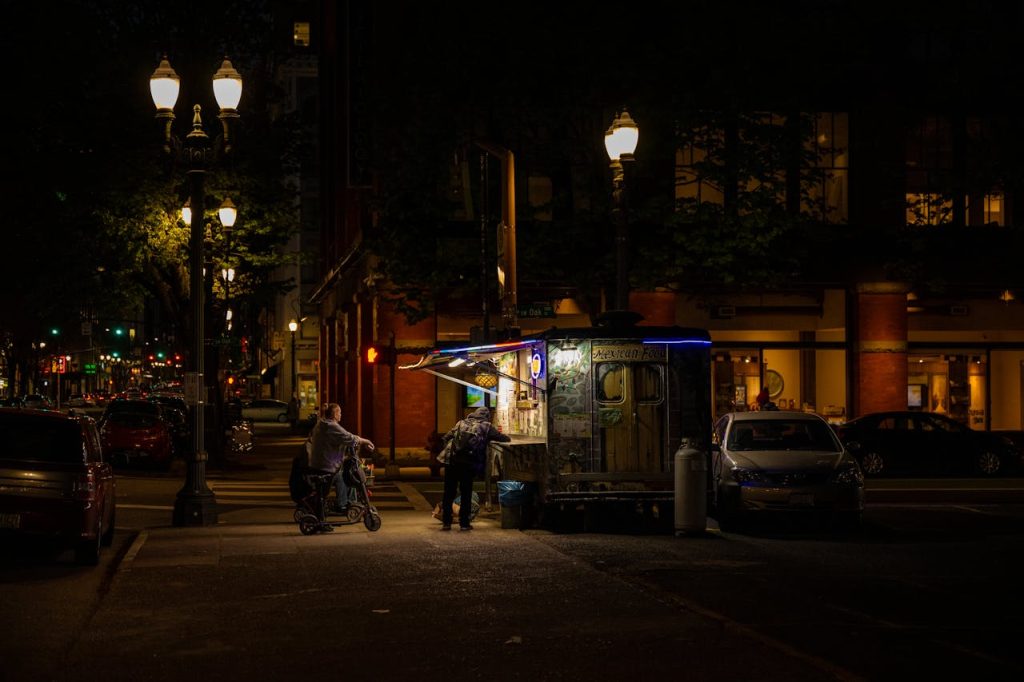
Portland serves as the premier example of why dedicated infrastructure is the single most important factor when renting a bike. Transportation engineers and safety analysts emphasize that the city’s extensive network of “neighborhood greenways”—residential streets prioritized for bicycles—allows renters to navigate vast distances without ever competing with high-speed traffic. Unlike the terrifying shoulder-riding required in the typical congested beach town, Portland offers a predictable, low-stress environment where the infrastructure does the defensive work.
Cycling advocates point to the “Tilikum Crossing,” a bridge banned to private cars, as a symbol of this safety-first philosophy. The drivers here are infrastructure reliability and traffic calming. Renting in a city that physically separates bikes from heavy trucks significantly reduces the mental load of navigation, allowing the rider to focus on the scenery rather than survival. That is why the math changes when the lane is protected.
The city is defined by its coffee culture, river bridges, and a pervasive, rainy-day resilience.
A tradeoff involves the persistent threat of bike theft and the reality of urban camping along some paths. Local shop owners frequently warn renters to never leave a bike unattended, even for a moment, as high-end rentals are prime targets. Additionally, the winter drizzle can make painted road markings slick, requiring extra caution during the wet season.
Minneapolis, Minnesota
Minneapolis illustrates the safety value of fully grade-separated transit. Urban designers frequently cite the Midtown Greenway as a gold standard, offering a “bicycle highway” that sits below street level in a former rail trench, completely removing the risk of intersection collisions. For a woman renting a bike, this means miles of uninterrupted riding without the constant stop-and-go anxiety of cross-traffic that plagues less planned cities.
Park authorities and mobility researchers highlight the Grand Rounds Scenic Byway as a model for recreational loops that prioritize leisure over speed. The drivers are physical separation and long-term budgeting for maintenance. The city plows its bike paths with the same urgency as its roads, ensuring that the rental network remains viable and safe even during shoulder seasons.
This destination offers a chain of lakes, a distinct arts district, and a hardy, outdoor spirit.
The tradeoff is the extreme seasonality and wind exposure. Meteorological records show that winter temperatures can be dangerous, limiting the comfortable rental window to late spring through early autumn. The open nature of the trails also means facing stiff headwinds that can turn a leisurely ride into a strenuous workout.
Washington, D.C.
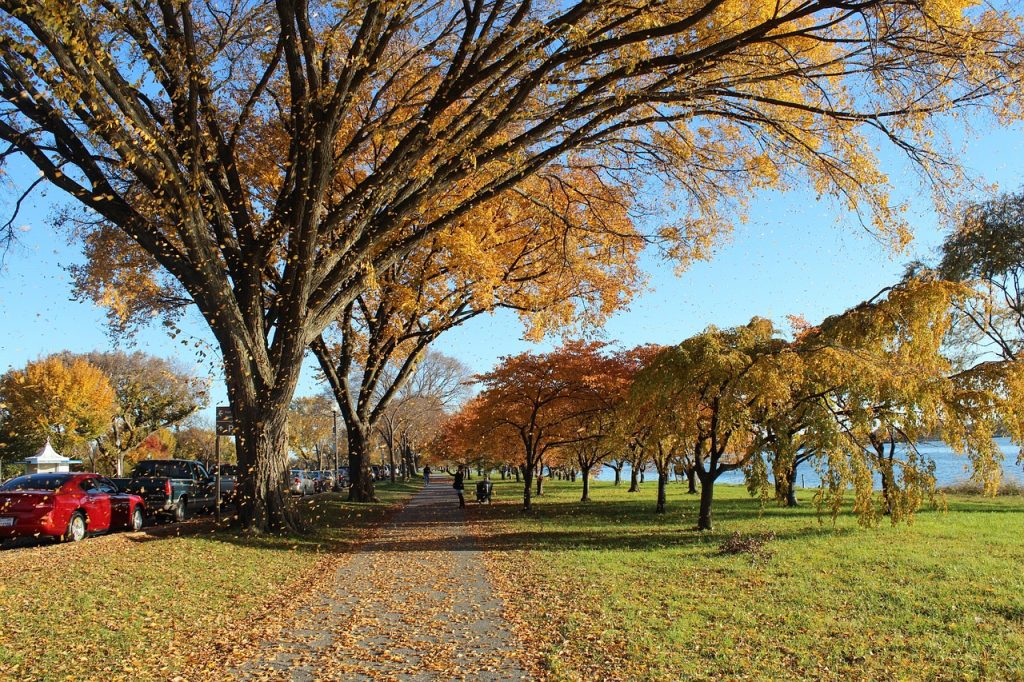
Washington, D.C. demonstrates the importance of using a reputable, docked bikeshare system over valid-dependent dockless options. Transit policy analysts note that Capital Bikeshare maintains a rigorous maintenance schedule and rebalancing protocol, ensuring that the bike unlocked at the National Mall has functioning brakes and inflated tires. This contrasts sharply with the “scattered scooter” model found in many tourist traps, where equipment is often vandalized or poorly maintained.
Safety experts emphasize the utility of the protected lanes on Pennsylvania Avenue, which place the rider in a position of authority rather than submission. The drivers are equipment reliability and network density. A docked system provides a clear start and end point to every ride, removing the uncertainty of abandoning a rental in an unsafe or unauthorized zone.
The capital is characterized by neoclassical monuments, wide boulevards, and a busy, professional energy.
A tradeoff is the complex street layout and security closures. Navigating the circles and diagonals designed by L’Enfant can be confusing for a newcomer, even with a map. Furthermore, frequent motorcades or security events can shut down key routes without warning, forcing cyclists into detours through heavy traffic.
Davis, California
Davis offers a lesson in the safety of “critical mass” and driver awareness. As home to the U.S. Bicycling Hall of Fame, the city has a culture where cyclists are the dominant road users, forcing drivers to be hyper-aware and deferential. Traffic safety researchers explain that this psychological shift creates a safety net that physical barriers alone cannot achieve; drivers here expect to see bikes at every corner.
University planners note that the layout of the UC Davis campus and downtown creates a seamless, car-free core. The drivers are social norming and driver education. Renting here feels safer because the adversarial relationship between driver and rider is replaced by a cooperative one, a stark departure from the aggression found in standard suburban sprawl.
The town is defined by its university influence, flat topography, and a deep-rooted agricultural history.
The tradeoff is the lack of variety in terrain. The landscape is relentlessly flat, which, while easy, can become monotonous for those seeking a dynamic ride. The intense Central Valley heat in the summer also requires planning rides for the early morning to avoid heat exhaustion.
Cambridge, Massachusetts
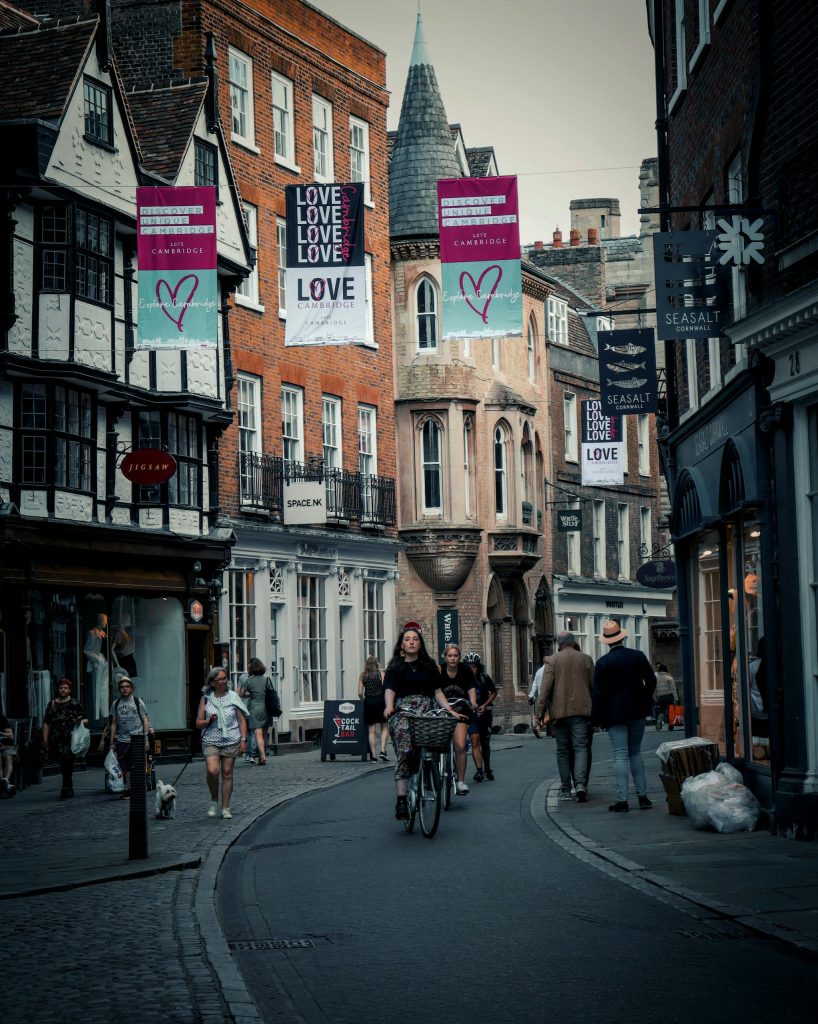
Cambridge validates the tip of renting where innovation drives safety standards. The city has aggressively implemented “floating” parking lanes that place parked cars between the cyclist and the moving traffic, using the vehicles as a steel shield. Urban mobility experts praise this design for eliminating the “dooring” risk that terrifies cyclists in older, unplanned cities.
The drivers are engineering adaptation and collision reduction. By reversing the traditional street order, Cambridge creates a protected channel for rentals that feels distinct from the chaotic roads of neighboring Boston. This structural commitment signals to the renter that their safety is a municipal priority.
This city is known for its academic prestige, brick sidewalks, and a dense, intellectual hum.
A tradeoff is the visual chaos and pedestrian density. The streets are often narrow and crowded with students, jaywalkers, and delivery trucks, creating a high-stimulation environment that requires constant focus. The intricate one-way street network can also make wayfinding frustrating for those without a handlebar-mounted GPS.
Boulder, Colorado
Boulder highlights the necessity of renting high-quality gear suited for the specific terrain. Local cycling shops maintain fleets of performance-tuned e-bikes and road bikes designed to handle significant elevation changes safely. Sports physiologists and guides warn that attempting to ride at 5,430 feet on a heavy, poorly geared “beach cruiser”—the standard rental in flat coastal towns—is a recipe for physical distress and loss of control on descents.
The drivers are mechanical integrity and terrain matching. Verified rental outlets here ensure that brake pads are fresh and batteries are charged, critical factors when navigating the foothills. The culture of athleticism ensures that rental equipment is treated as a vehicle, not a toy.
The town is characterized by the Flatirons, a fitness-obsessed population, and a high-cost outdoor lifestyle.
The tradeoff is the sticker price and the altitude adjustment. Renting a high-performance e-bike here costs significantly more than a standard daily rental elsewhere. Additionally, visitors often underestimate the thin air, leading to rapid fatigue and dehydration even on moderate rides.
Austin, Texas
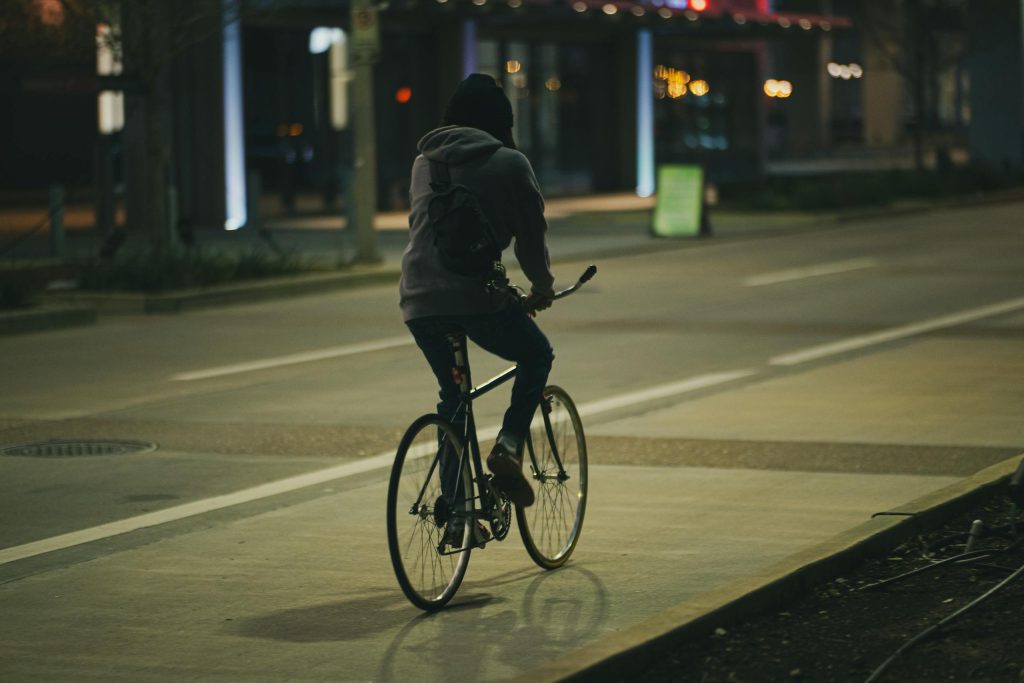
Austin proves the value of renting in a city with dedicated recreational loops that remove cars from the equation entirely. The Ann and Roy Butler Hike-and-Bike Trail offers a continuous circuit around Lady Bird Lake, allowing for hours of riding without crossing a single street. Parks and recreation officials note that this separation is vital for women who want to exercise solo without the threat of vehicular traffic.
The drivers are spatial separation and social safety. The high traffic on the trail ensures that a rider is never truly isolated, providing a “safety in numbers” effect that is comforting for solo travelers. This contrasts with the isolation of riding on the shoulder of a rural highway or a deserted beach road.
The city is defined by its limestone cliffs, live music heritage, and a distinct, humid vibrancy.
A tradeoff is the congestion and heat. During weekends, the trail becomes a bottleneck of joggers, dogs, and strollers, making it difficult to maintain a consistent riding pace. The intense Texas heat also means that midday rides are physically punishing, limiting the safe rental window to mornings or evenings.
Seattle, Washington
Seattle emphasizes the importance of e-bikes for safe handling on wet, hilly terrain. Mobility analysts report that the proliferation of pedal-assist rentals has democratized access to the city’s topography, allowing riders to keep pace with traffic on steep inclines rather than wobbling dangerously at slow speeds. Renting an e-bike here is a safety decision, ensuring the power to navigate intersections and hills with confidence.
The drivers are topographical adaptation and fleet modernization. The city’s rental fleets are often equipped with wider tires and disc brakes to handle the frequent rain, a specific safety feature that generic rentals often lack. That tradeoff matters when descending a 10% grade on wet pavement.
The city offers ferry views, a tech-driven economy, and a lush, evergreen backdrop.
The tradeoff is the complexity of the streetcar tracks and the rain. Urban cyclists warn that the wet rails of the streetcar system are a major hazard for thin tires, causing frequent crashes for the uninitiated. The constant drizzle requires renting rain gear or accepting that you will arrive at your destination damp.
Madison, Wisconsin
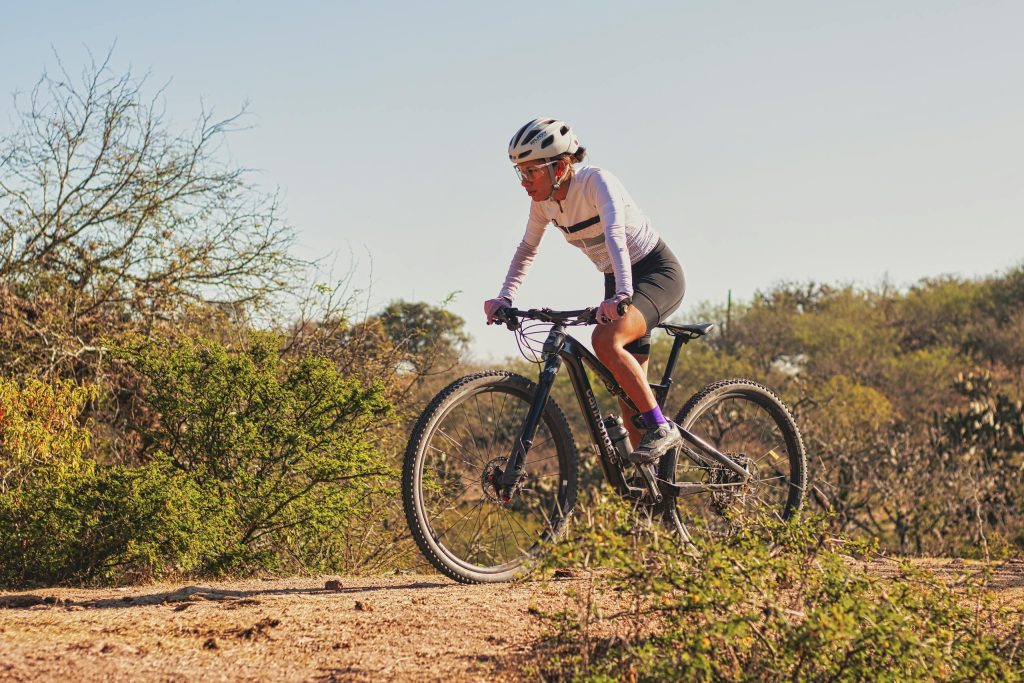
Madison showcases the benefit of trail connectivity and signalized crossings. The Capital City State Trail and the pervasive “bike box” intersections allow cyclists to clear lights ahead of cars, increasing visibility. Civic planners note that the city’s isthmus geography forces a density that favors bikes, resulting in a network where paths link directly to key destinations like the university and the capitol square.
The drivers are intersection safety and network integration. Unlike cities where the bike path ends abruptly at a highway, Madison’s system is designed as a functional grid. Renting here allows for a seamless transition from leisure riding to practical commuting, supported by signals that specifically prioritize two-wheeled traffic.
The city is known for its lakefronts, political activity, and a strong midwestern work ethic.
A tradeoff is the student traffic and seasonal wind. The sheer volume of students on bikes can create chaotic flow patterns near the university during class changes. Furthermore, the wind whipping off the lakes can make crossing the isthmus physically challenging during the shoulder seasons.