9 Tourist Areas Where Pickpocketing Is Rising Fast
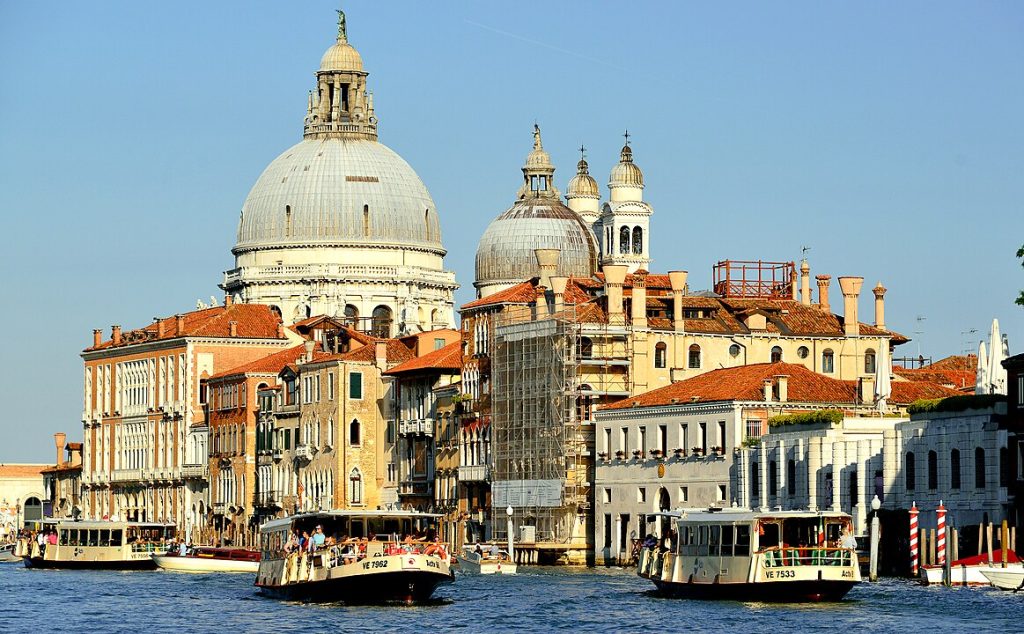
Tourist hot spots are feeling fuller again, and petty theft is rising fastest where crowds compress into tight, distracted lanes. Pickpocket crews work the same predictable chokepoints: transit doors, museum gates, street performances, and café lines where bags hang open and phones stay visible. The shift is not just volume but tempo, with quick handoffs and fast exits that leave little time to react. Cities add signage and patrols, yet the risk still concentrates in the few blocks everyone funnels through. Seasonal spikes now stretch into shoulder months, especially around festivals, cruise arrivals, and summer heat that slows attention.
Barcelona’s La Rambla And Gothic Quarter
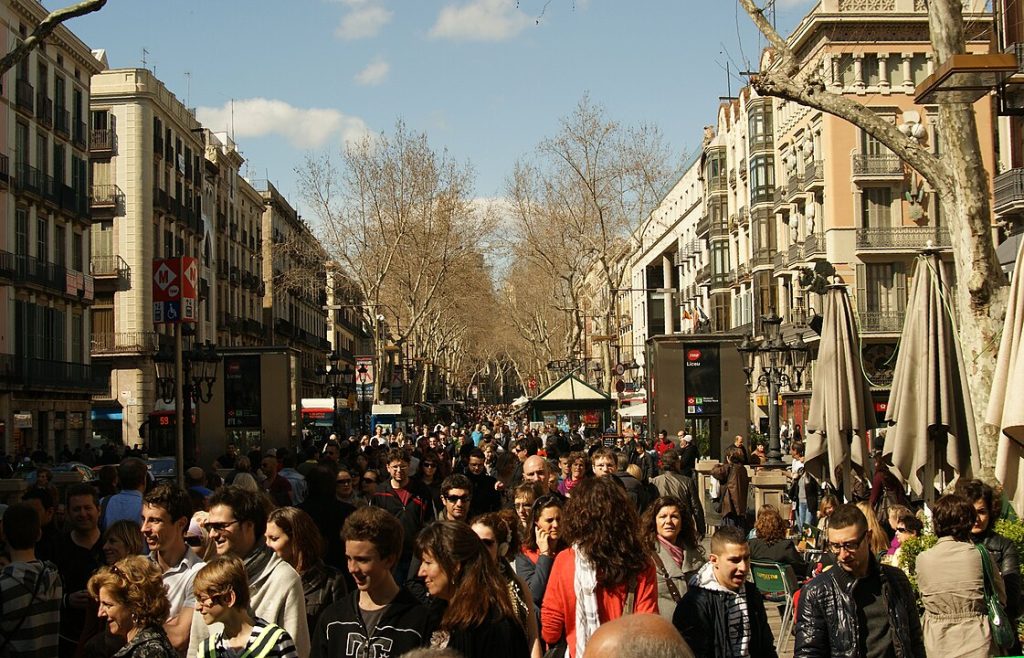
Barcelona’s tourist core is built for crowding: narrow sidewalks, sudden stops for street performers, and steady foot traffic between La Rambla, the Gothic Quarter, and nearby Metro entrances. Pickpockets favor pause points like crosswalk clusters, ticket checks, and café terraces where bags sit half-open and phones stay out for photos. Teams often split roles, with one person creating a mild distraction while another moves fast, then passes items along before anyone looks down. Risk climbs when day-trippers and late diners overlap on the same blocks. Local advice is simple: zip bags, keep straps forward, and avoid back pockets.
Rome’s Termini Station And Historic Core
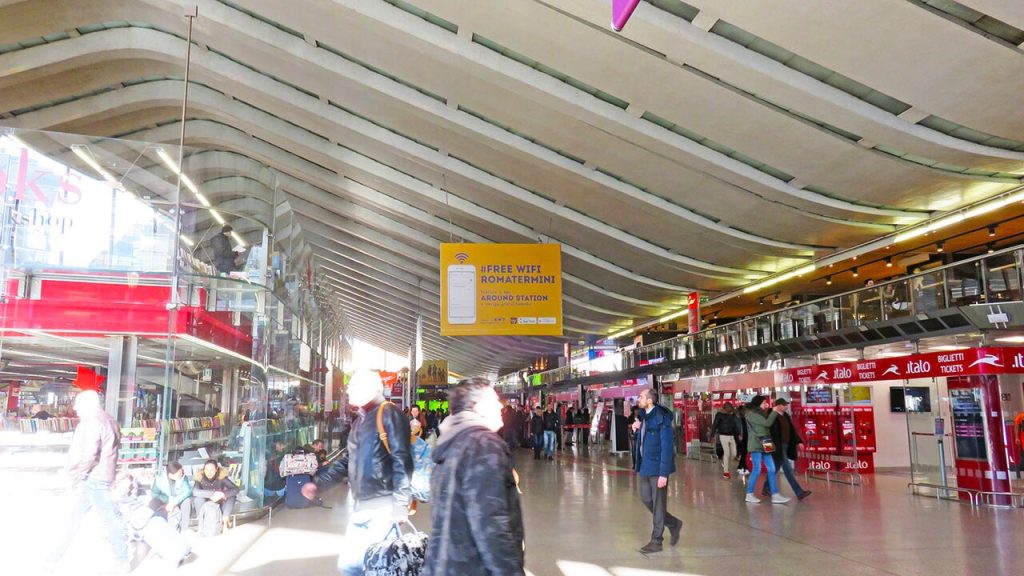
Rome’s busiest trouble spots sit where transit and landmarks collide, especially around Termini, Metro platforms, and the fast loop of the Colosseum, Trevi Fountain, and the Pantheon. Queues and turnstiles create cover because hands juggle tickets, maps, and phones, and people press closer without thinking. Pickpockets often wait for the squeeze onto trains or buses, then fade into the next wave at street level. Even crossbody bags get tested when zipper pulls are left exposed, and the moment is gone before the platform clears. Spring and summer peaks stretch into evenings, when heat and crowds make small lapses feel easy to miss.
Venice’s Vaporetto Stops And St. Mark’s Basin
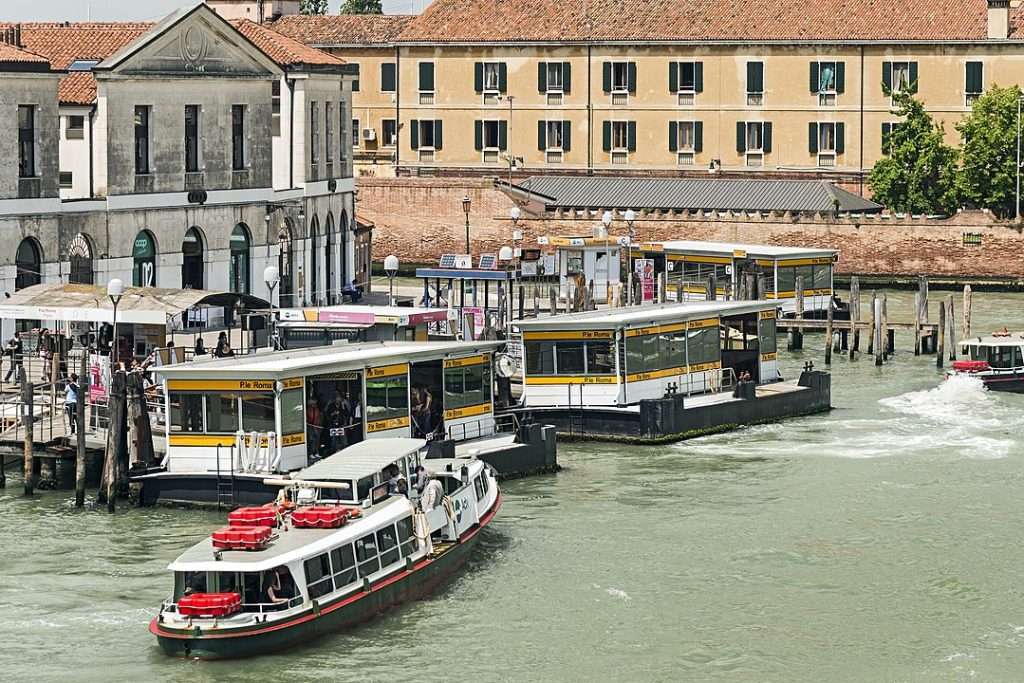
In Venice, bottlenecks do the work. Vaporetto platforms, bridge approaches, and the churn around St. Mark’s Square pack strangers shoulder to shoulder during day-trip surges. Pickpockets tend to choose the boat-door moment, when bodies compress, hands grab rails, and attention shifts to finding space. Outer pockets and open totes are the easiest targets, and losses often surface only when the next stop arrives. Evening strolls can feel calmer, but density returns whenever tour groups bunch at viewpoints and ticket lines. Passports carried for hotel check-ins or ferries are especially exposed when kept in quick-reach jacket pockets.
Florence’s Duomo Area And Ponte Vecchio
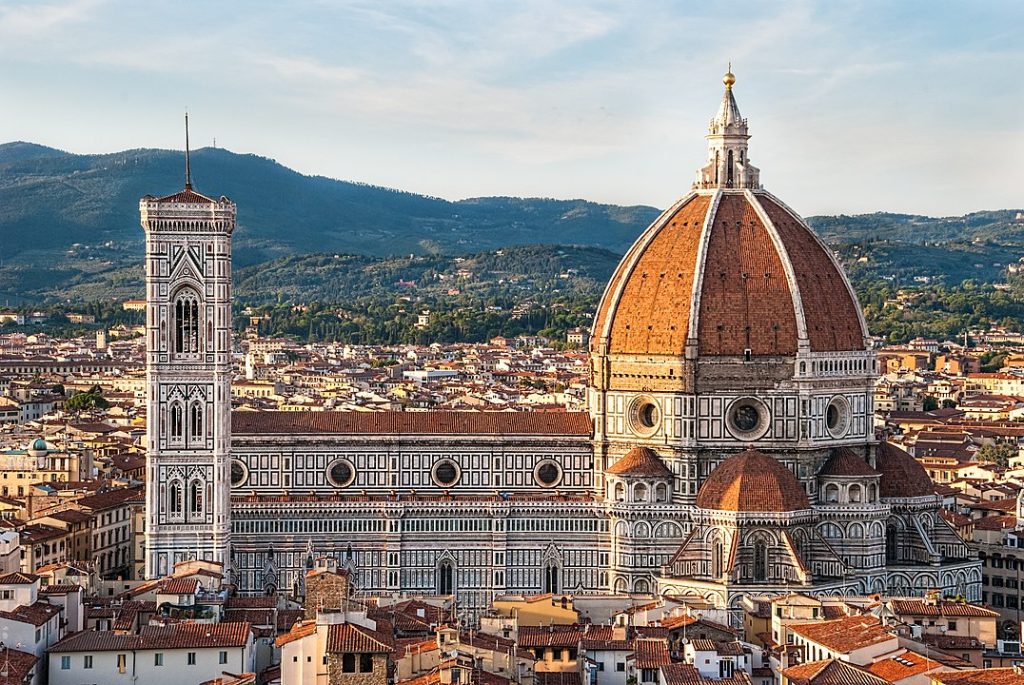
Florence concentrates major sights into a tight ring, and that compression can turn petty theft into a fast-moving problem. Around the Duomo, San Lorenzo Market, and the approaches to Ponte Vecchio, visitors stop often, look up, and adjust bags as they squeeze past. Pickpockets blend into tour groups, then peel away at a gelato counter or crosswalk where attention is on payment. Markets add cover because hands are full and aisles stay narrow at midday, and missing cards are often noticed only at the next checkout. Risk rises after train arrivals and in late afternoon, when fresh crowds stack onto the same few streets.
London’s West End And Major Tube Interchanges
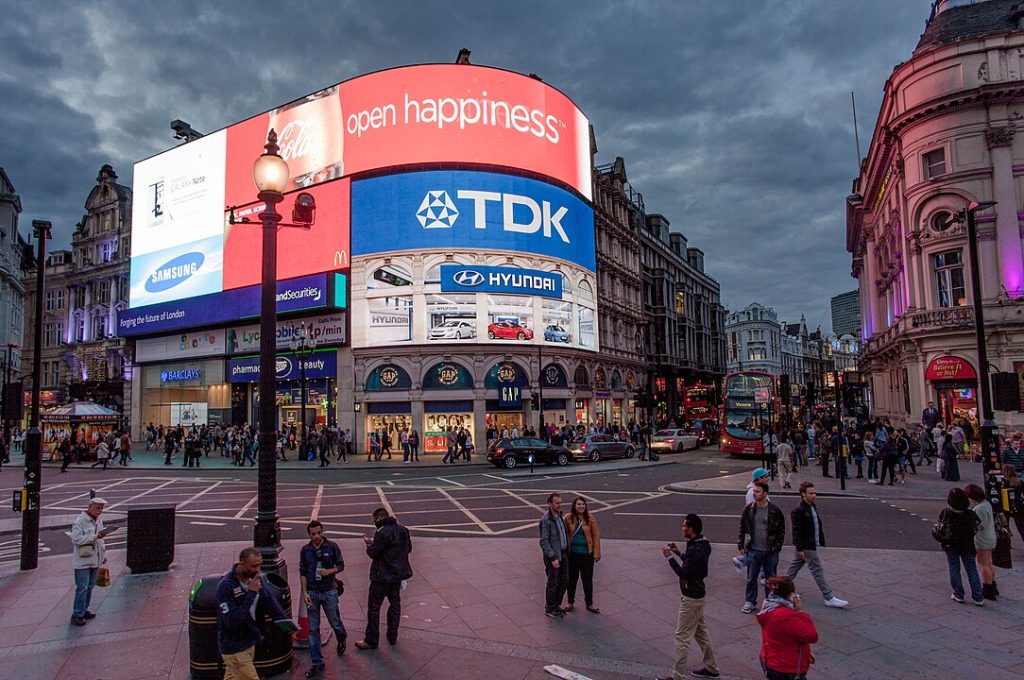
London’s West End mixes dense sidewalks with Tube exits that release people in waves, and that rhythm creates easy cover for light-fingered theft. Oxford Street, Leicester Square, and nearby interchanges form predictable pause points at escalators, ticket barriers, and curbside crossings. Phones come out for directions and photos, then linger in loose hands as the crowd pushes forward. Some incidents are quick grabs timed to closing doors or turning corners, with items hidden fast and carried away like ordinary commuter motion. Late afternoons and weekends are busiest, and local habits lean toward keeping devices tucked away between checks.
Paris’s Louvre Corridors And Central Metro Lines
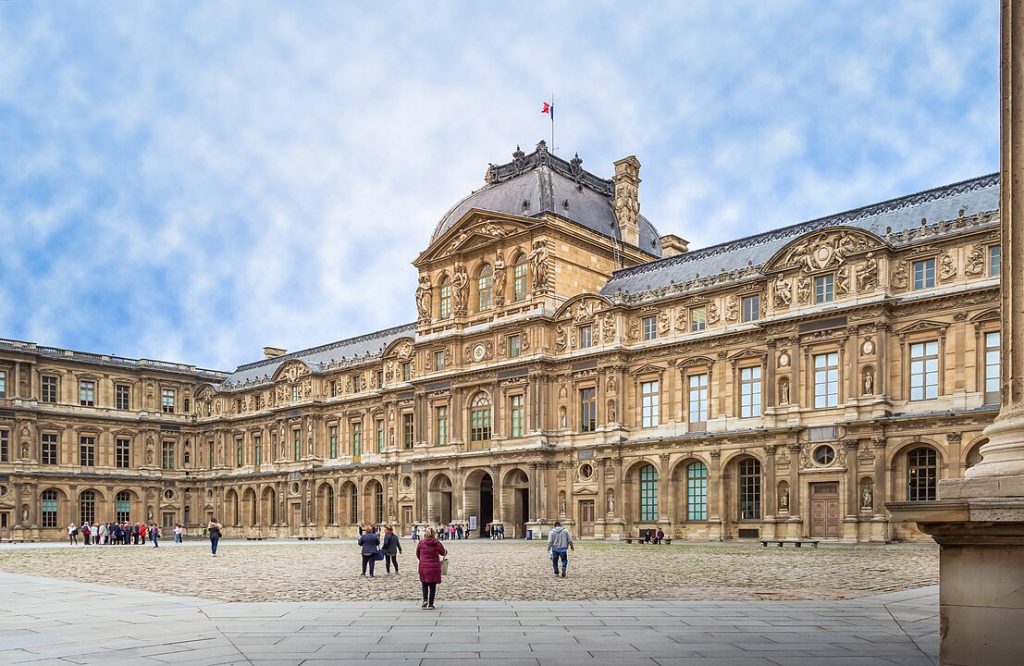
Paris sees pickpocketing spike when major routes stack at once: museum entrances, river crossings, and Metro transfers where everyone funnels through the same doors. The Louvre area, big stations, and central lines can feel like moving corridors, with attention split between signage and the next platform. Teams favor escalators and stairwells because people shift bags, hold rails, and glance away for a beat. Phones and cards are often taken quietly, then the crowd turns a corner and the moment is over. Event seasons add pressure, and even a simple request for help can create the opening while hands stay busy with tickets.
Amsterdam’s Red Light District And Central Station
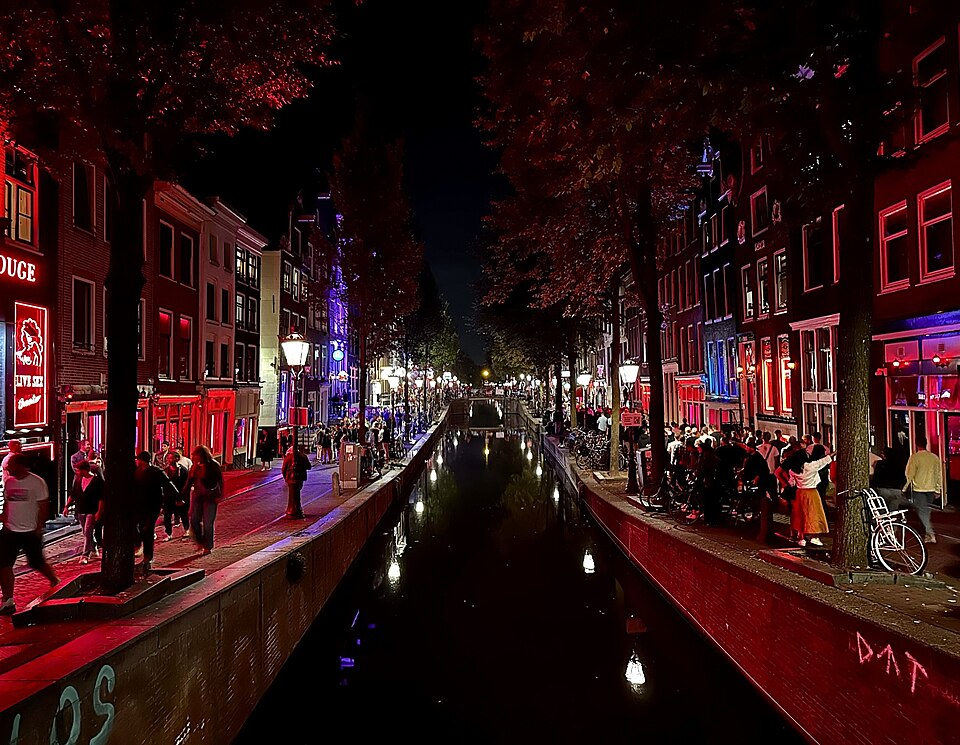
Amsterdam’s center shifts after dark, when nightlife, canal walks, and packed tram stops keep attention scattered. Central Station, Dam Square, and the Red Light District compress visitors into narrow streets where backpacks sit behind shoulders and pockets stay easy to reach. Pickpockets favor doorways, ticket gates, and tram doors, since people are already turning, stepping, and watching for gaps. Many incidents start with a harmless bump, then end with a quick handoff to someone walking the other direction before anyone realizes a pocket is lighter. Weekends amplify the pattern, and summer crowds keep it running from afternoon into night.
Dublin’s Temple Bar And City Bus Corridors
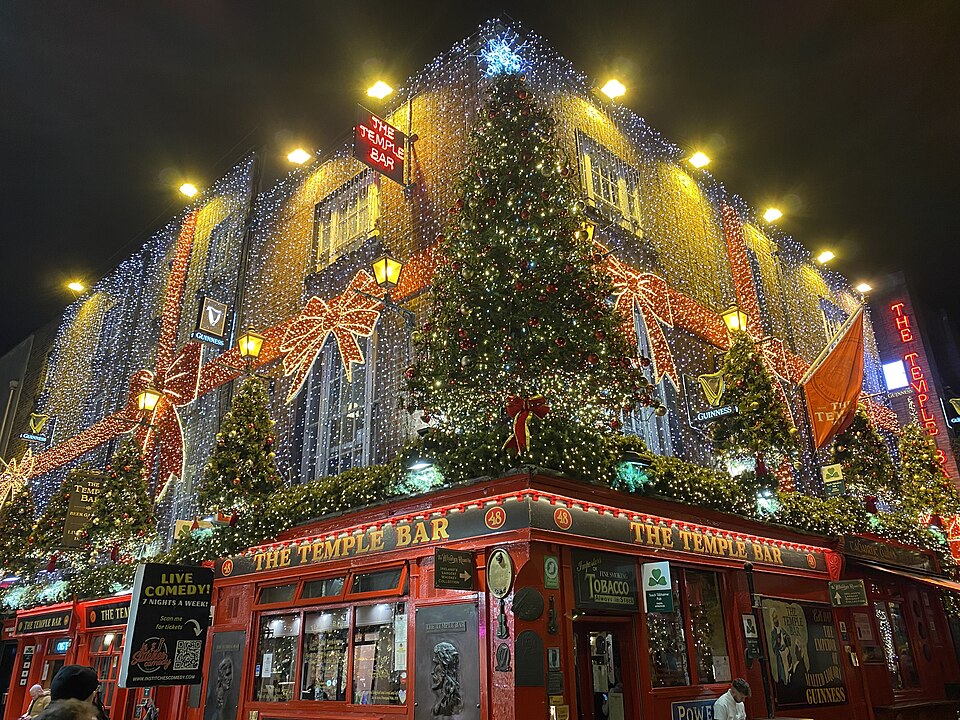
Dublin’s city center flips from calm to packed quickly, especially around Temple Bar, Grafton Street, and the river crossings. Buses and tram stops create tight transitions where people tap cards, lift bags, and squeeze down aisles while watching for the next stop. Pickpockets often rely on simple crowding at doors, using the natural shuffle to mask quick hands and fast exits. Nightlife adds another layer because coats come off, wallets come out repeatedly, and bags get hung on chair backs, making small lapses easy to miss. Reports often describe organized groups working the same blocks, circling between bus corridors and busy pubs.
Palma de Mallorca’s Cathedral Area And Beachfront
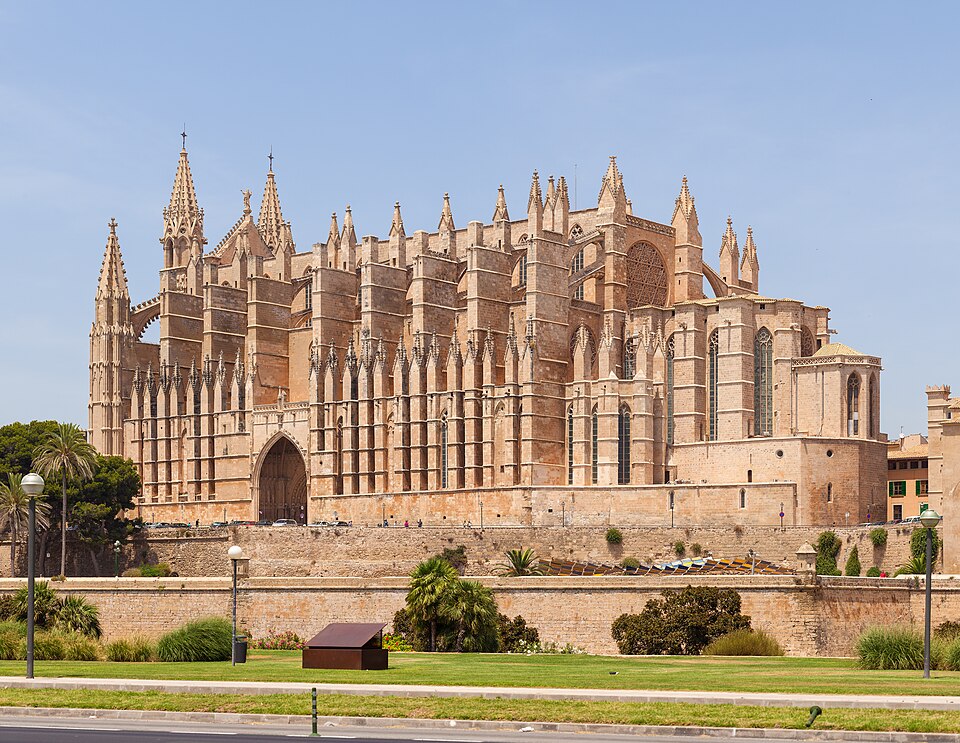
Palma de Mallorca’s Cathedral zone and beachfront promenades invite slow wandering, which can also mean phones and bags stay casually exposed. Seasonal crowds gather at viewpoints, market stalls, and waterfront cafés, creating tight clusters where zippers are easier to test. Pickpockets tend to target the small pauses: buying water, checking ferry times, or searching for a ride, when attention is on a screen. Theft spreads quickly in summer because visitors rotate constantly and the same patterns repeat all day. Passports and cards are most exposed when kept in outer pockets or open beach bags for convenience.