9 Tourist Cities That Feel Quieter Than A Decade Ago
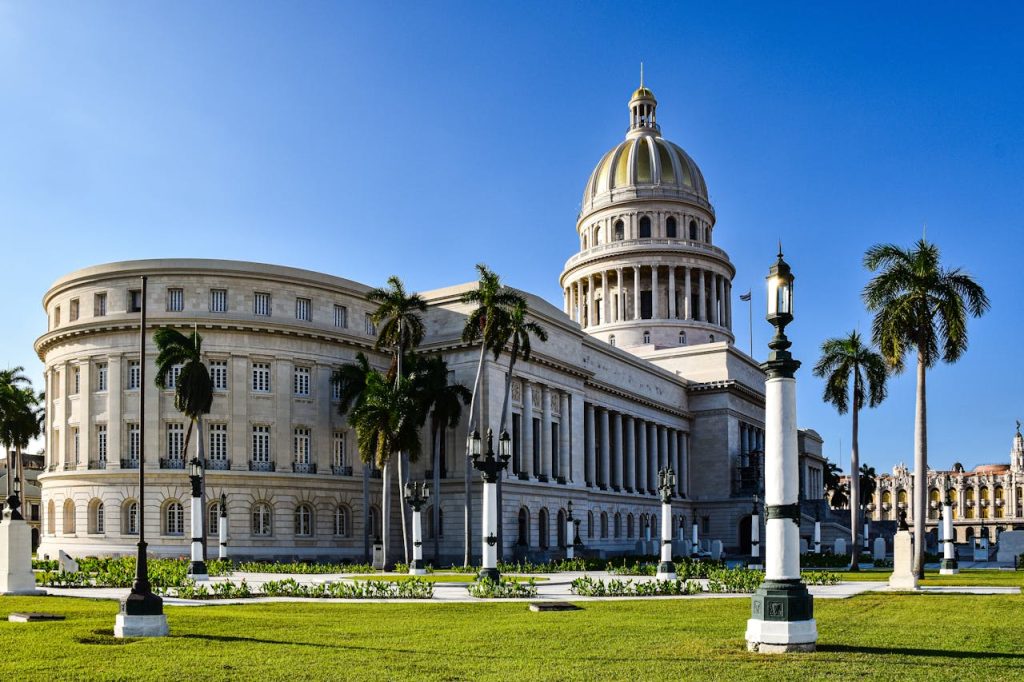
Some tourist cities feel calmer than they did a decade ago.
The reasons vary. A few places tightened rules around short stays, group traffic, and cruise-day surges. Others saw travel patterns change, so the old peak pressure never returned in the same shape.
What remains is still recognizable, just easier to enjoy. When sidewalks loosen and noise drops, details come back: local routines, small shops, and the simple pleasure of moving at a human pace. That is the quiet people remember.
Venice, Italy
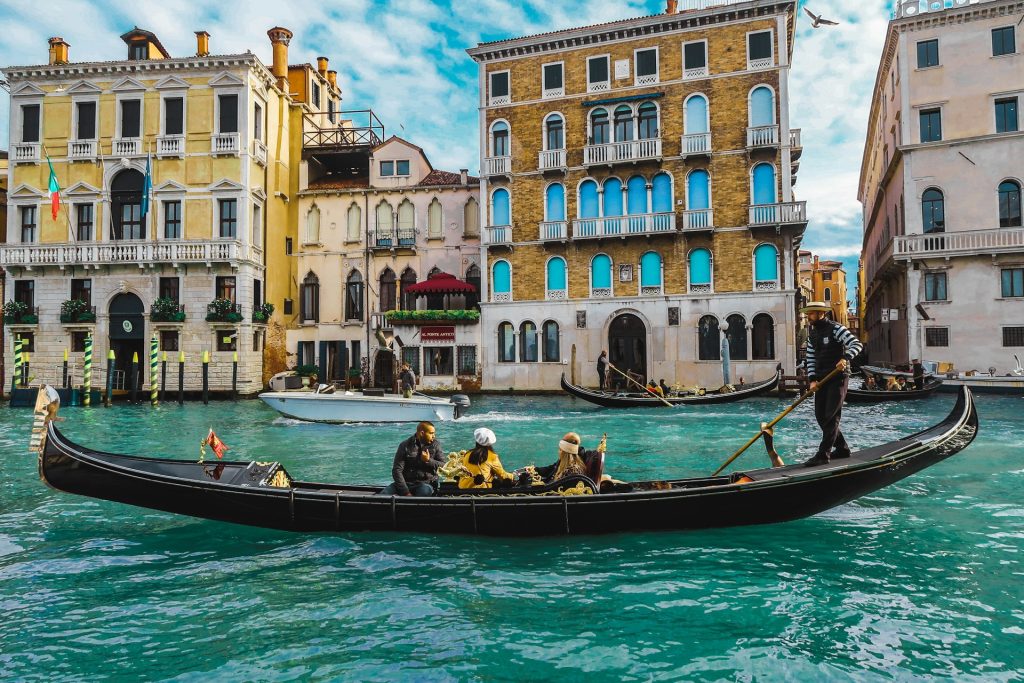
Venice can still feel busy, but the rush no longer hits with the same every-hour certainty. Officials have tried to steer the most compressed day trips toward quieter timing and clearer limits, which reduces the sense of a city being processed in a single afternoon.
That shows up around the classic pinch points. Bridges unclog sooner, the lanes off the main routes stay walkable, and there are more moments when shopkeepers and residents move without having to negotiate a wall of cameras.
In the softer gaps, the lagoon becomes the headline again: water sounds, church bells, and the slow pace of boats doing everyday work, not sightseeing loops.
Amsterdam, Netherlands
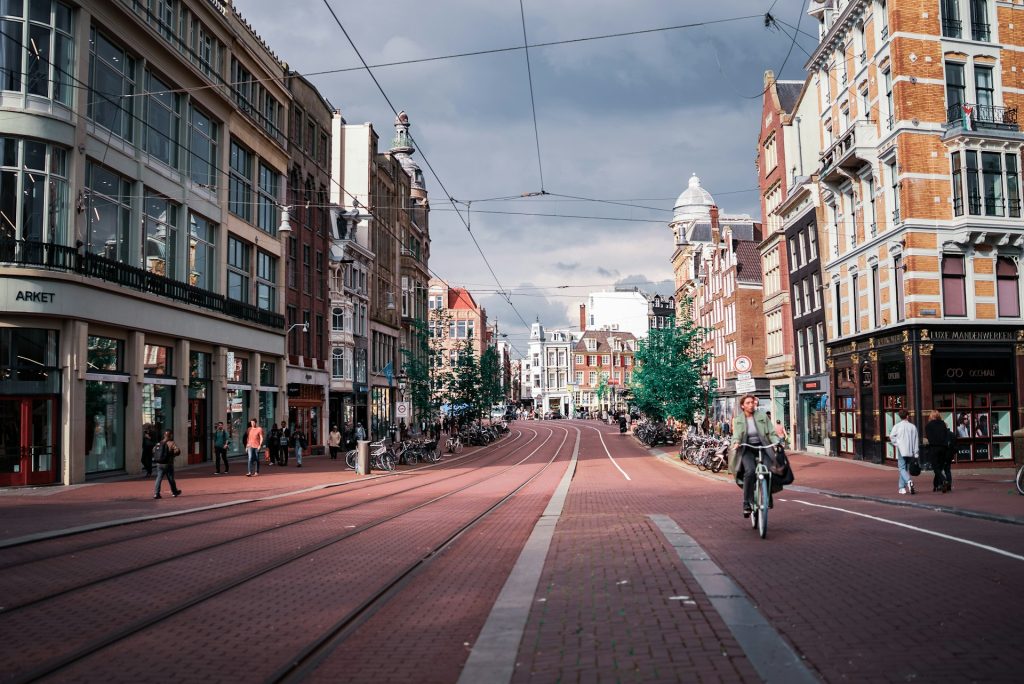
Amsterdam still draws a steady stream, yet the city has worked to cool the sharpest party-tourism peaks and manage mass arrivals. The goal is simple: keep the canals, streets, and transit from being overwhelmed by one kind of visitor at one kind of hour.
The difference is easiest to feel near the water. Mornings can be calmer, museums see fewer sudden surges, and popular blocks are less likely to tip into that tense, shoulder-to-shoulder shuffle that makes everyone impatient and loud.
Even when it is lively, it often feels more spread out, which gives neighborhoods space to sound like themselves after dark, with locals lingering longer.
Dubrovnik, Croatia
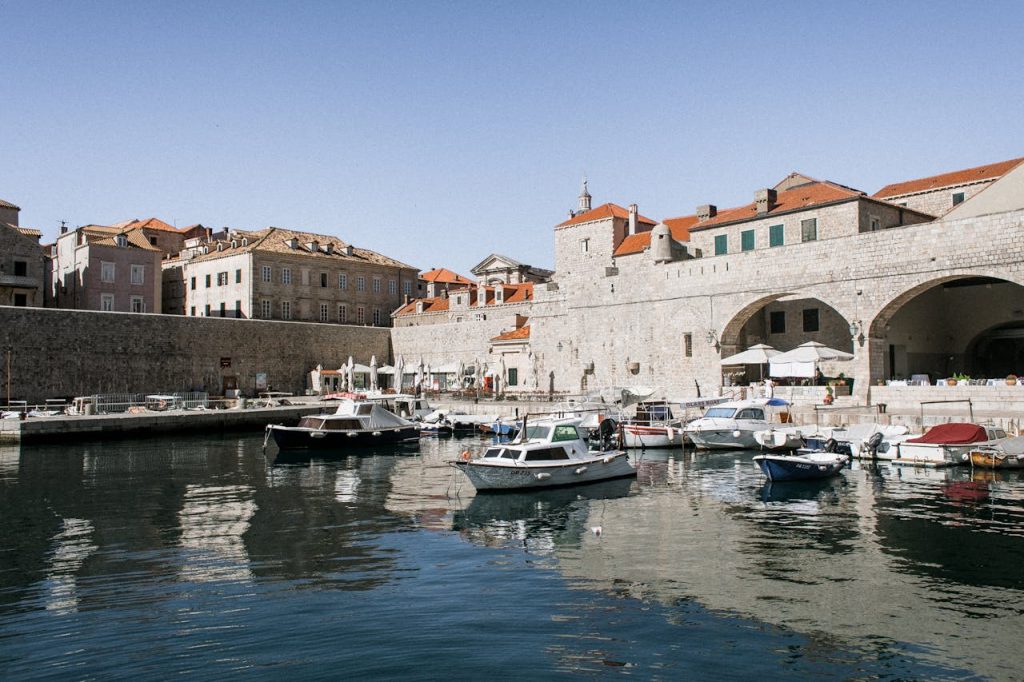
Dubrovnik’s Old Town is built for beauty, not sudden crowd explosions, and the last decade made that obvious. More active cruise scheduling and crowd management have aimed to prevent the walls from becoming a daily bottleneck of guided flags and jammed gates.
When the peaks are smoothed, the city feels less like a funnel. The main street stays easier to stroll, steps and alleys reopen, and the viewpoints along the ramparts stop feeling like a single-file queue that never ends.
The calmer rhythm suits Dubrovnik. It lets sea air, stone shine, and evening cafés carry the mood instead of the noise of constant turnover, day after day.
Bruges, Belgium
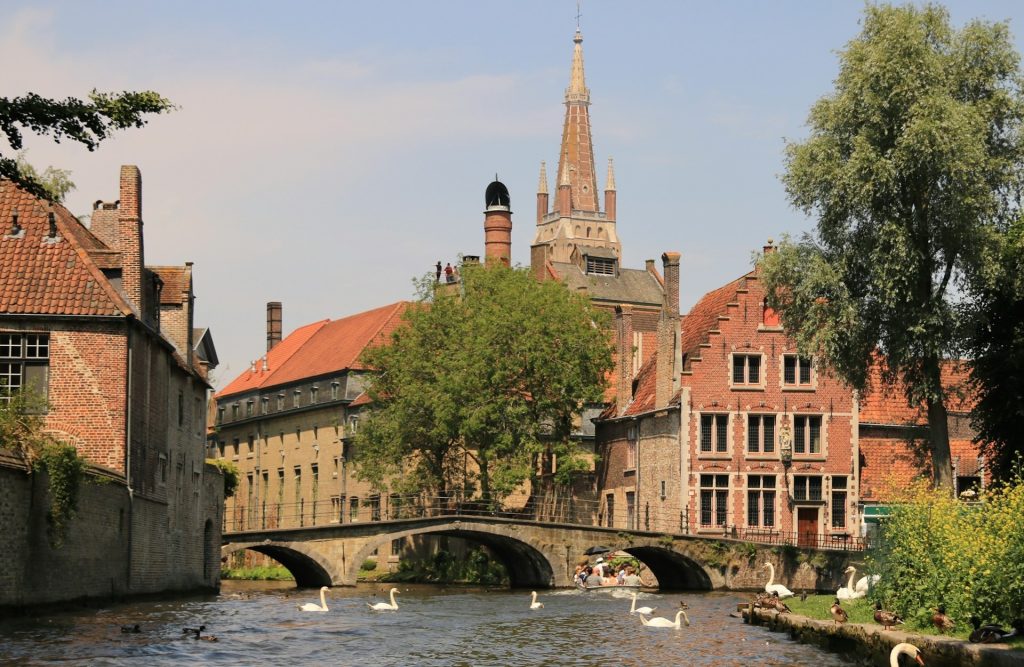
Bruges can still pack out at midday, but it often clears faster than it did a decade ago. Local efforts to manage coach and cruise-linked day trips have nudged the city toward a slower pattern, where visits are less concentrated into one tight burst on the clock.
That change restores the small pleasures that get lost in heavy pressure. Canal paths stay walkable, the Markt feels less like a staging area, and quiet side streets keep their charm instead of turning into overflow lanes.
When evening comes, Bruges settles quickly. Warm windowlight, bell towers, and water reflections take over, and the city’s hush feels believable again.
Barcelona, Spain
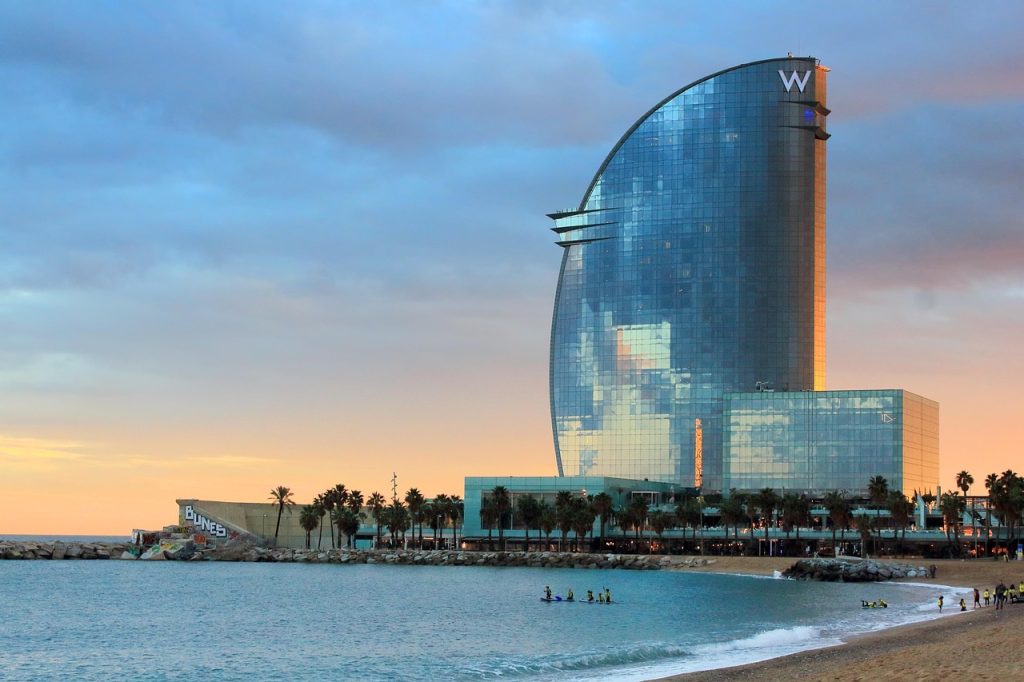
Barcelona is not quiet, yet parts of it feel less relentlessly crowded than they did in the mid-2010s. Pressure has pushed the city to manage visitor flows, especially around the port and the oldest neighborhoods where narrow streets amplify every surge.
When fewer arrivals stack up at once, the difference is physical. Transit lines ease, sidewalks stop pinching into stop-and-go traffic, and residents can cross the Gothic Quarter without the constant feeling of being edged to the walls.
The city keeps its buzz, but the tempo can be less frantic. Markets, plazas, and late dinners regain a little room to breathe, especially outside weekends.
Florence, Italy
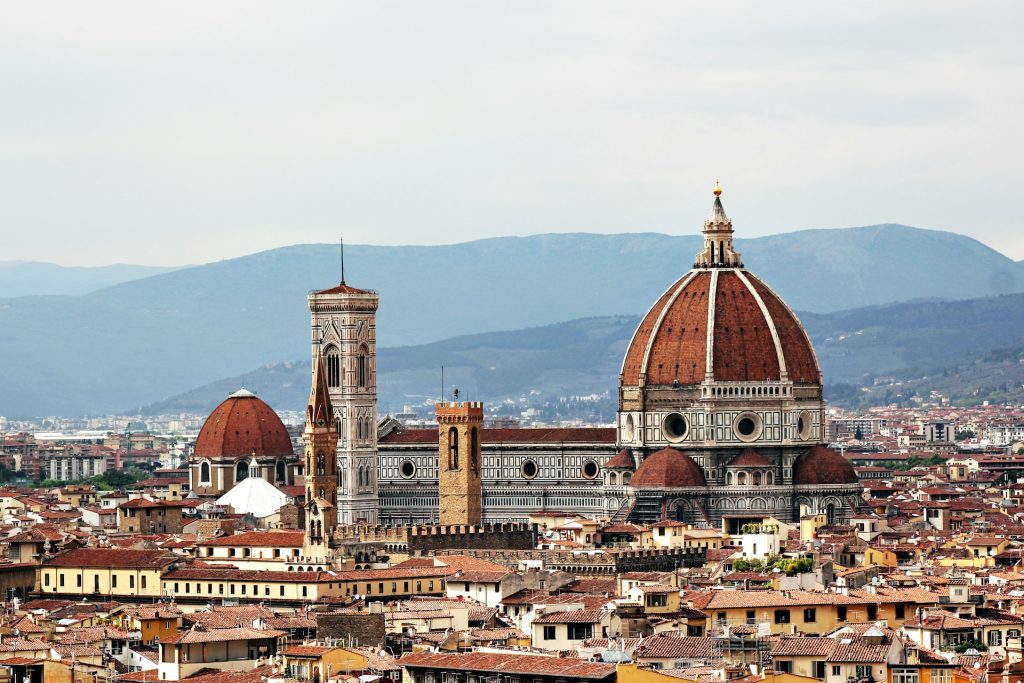
Florence’s center once felt like a nonstop guided soundtrack, with narration bouncing off stone and turning tight streets into echo chambers. The city has pushed back on the noisiest habits, including loud amplification and short-stay clutter that turns doorways into obstacles.
When the volume drops, the place changes. Streets feel wider, corners clear sooner, and locals can cross the historic core without weaving around groups parked in the same photo spot.
Tourism still clusters at the Duomo and the Uffizi, but between those magnets Florence can feel calmer, letting food aromas, artisan shops, and river light carry the day.
San Francisco, California
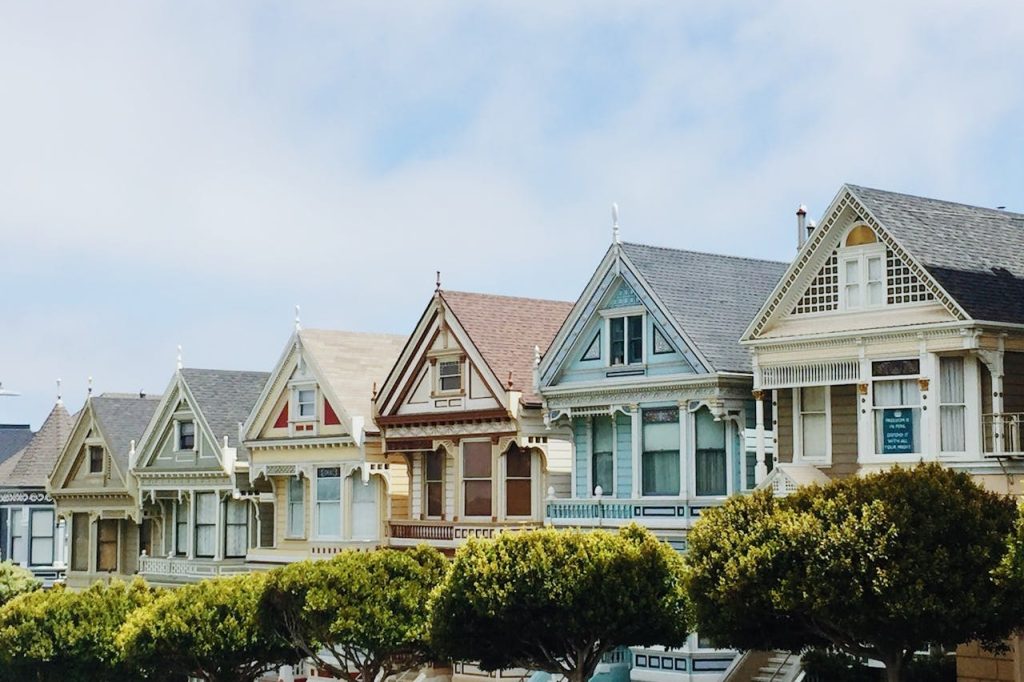
San Francisco felt louder in the 2010s, when conventions, tour buses, and packed retail blocks kept downtown buzzing from morning to night. Since then, travel has returned unevenly, and the city does not always carry the same all-day pressure.
The difference shows up between landmarks. Waterfront paths can be less compressed, cable-car clusters thin out faster, and the walk from Market Street toward the bay feels more like a city stroll than a slow-moving crowd.
That space fits San Francisco’s mood. Fog, wind, and neighborhood cafés take the lead, and the city’s everyday character is easier to notice on an ordinary afternoon.
Hong Kong
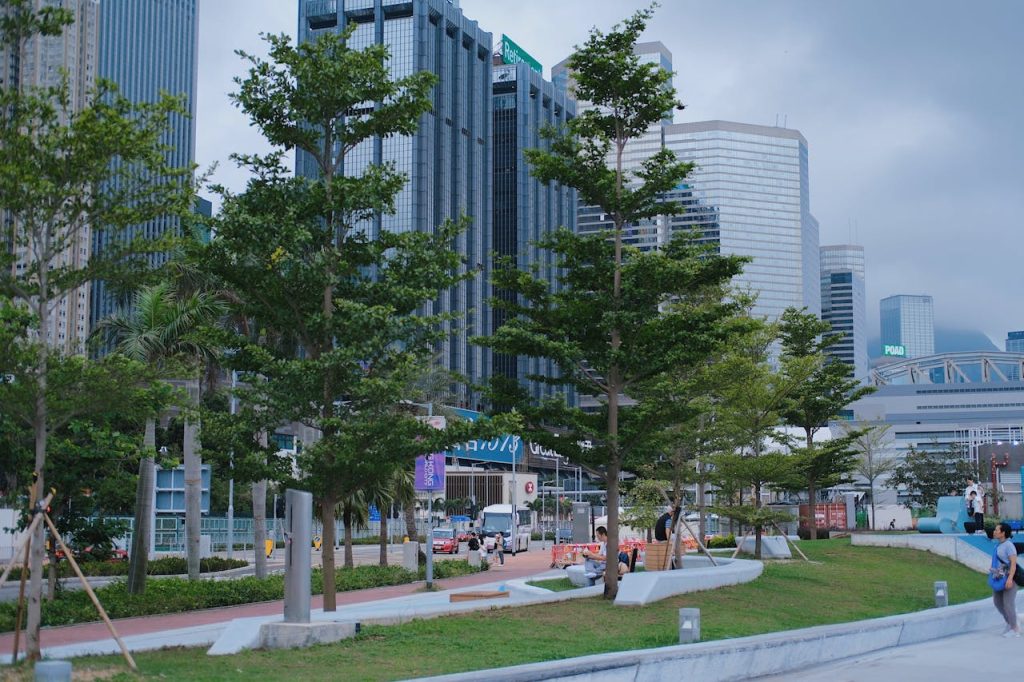
Hong Kong still moves fast, but some tourist zones feel less jammed than they did ten years ago. After a turbulent stretch for travel, the rebound has been real, yet many days do not resemble the late-2010s peak when districts felt permanently shoulder-to-shoulder.
With a little more space, the city reads differently. Markets are easier to browse, ferry terminals feel less frantic at midday, and harbor promenades can belong to evening walkers instead of a nonstop stream of quick photos.
The energy remains, just redistributed. The rush concentrates in fewer hotspots, while side streets, temples, and small eateries get room to breathe again.
Havana, Cuba
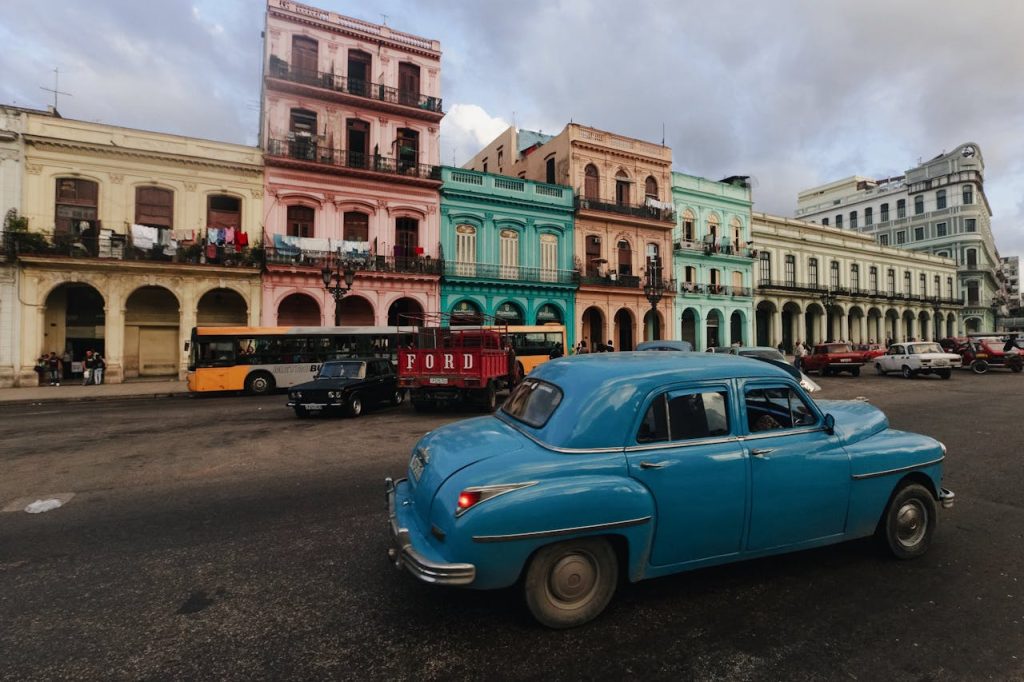
Havana’s appeal has always been atmosphere, but a decade ago it carried the hum of a city bracing for a tourism boom. Recent years brought fewer visitors than the late 2010s, and that slowdown left more open tables, fewer booked-out rooms, and longer pauses in the famous lanes.
With less pressure, Old Havana can feel more like a neighborhood than a corridor. Courtyards stay open, lines at squares feel lighter, and the soundtrack shifts toward dominoes on stoops and music from balconies.
Along the Malecón, evenings linger. Sea air, conversation, and the steady rhythm of waves take the foreground, giving the city room to exhale after sunset.