9 Travel Behaviors That Instantly Annoy Locals
Most locals do not resent visitors. They resent friction. In crowded neighborhoods, a few careless habits can turn sidewalks into bottlenecks, cafés into waiting rooms, and quiet streets into loud stages. The smallest choices carry the biggest weight: how people move in a crowd, how they speak to staff, what they assume is fine because they are on vacation. Respect is not complicated, but it is specific and consistent. These nine behaviors come up everywhere because they make daily life harder in places already stretched by popularity, construction, and limited space.
Stopping Dead In The Middle Of The Sidewalk
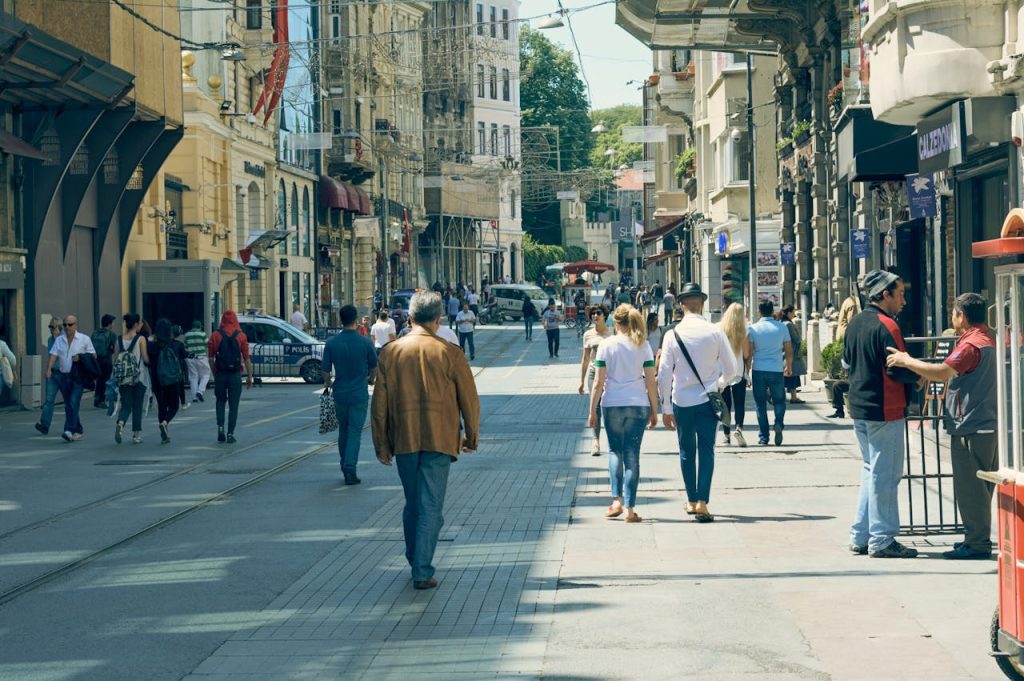
Nothing spikes local patience like a group that halts mid-walk to check maps, take photos, or debate lunch while everyone behind them swerves. Sidewalks in older cities can be narrow, commuters move fast, and a sudden stop creates a ripple of shoulder bumps and near-collisions. Locals handle it by stepping to a wall, ducking into a doorway, or pulling off near a storefront before touching a phone. Visitors who treat the sidewalk like a living room force others to step into the street, then act surprised when someone squeezes by. A clean habit fixes it: stop with intention on the edge, not in the center, and keep bags close so the flow stays smooth.
Talking Loudly Like The Street Is A Stage
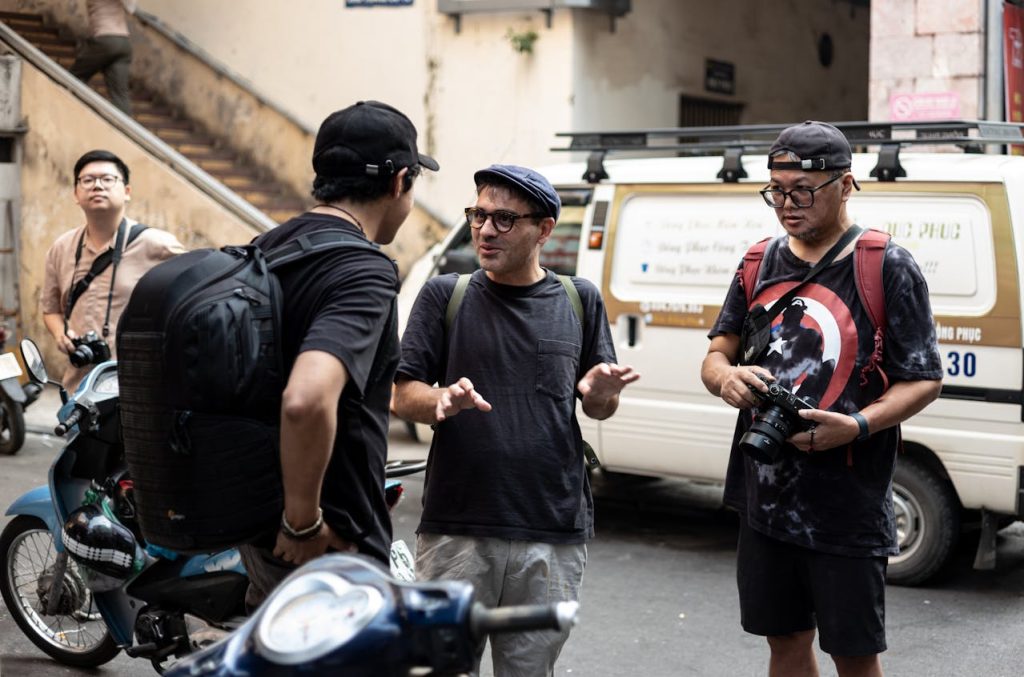
In many destinations, residents hear tourists before they see them. Loud voices echo in stone alleys, transit platforms, and small cafés, turning personal conversation into public noise that lingers. Locals are not offended by accents. They are tired of volume that treats the neighborhood like scenery instead of a place where people live, sleep, and work. The problem gets sharper at night, when groups leave bars and keep the same energy outside apartments with thin windows. A quieter tone is not about being formal. It is basic courtesy that keeps a city livable, especially in historic districts where sound carries far and families are trying to rest before early shifts.
Treating Staff Like Servants
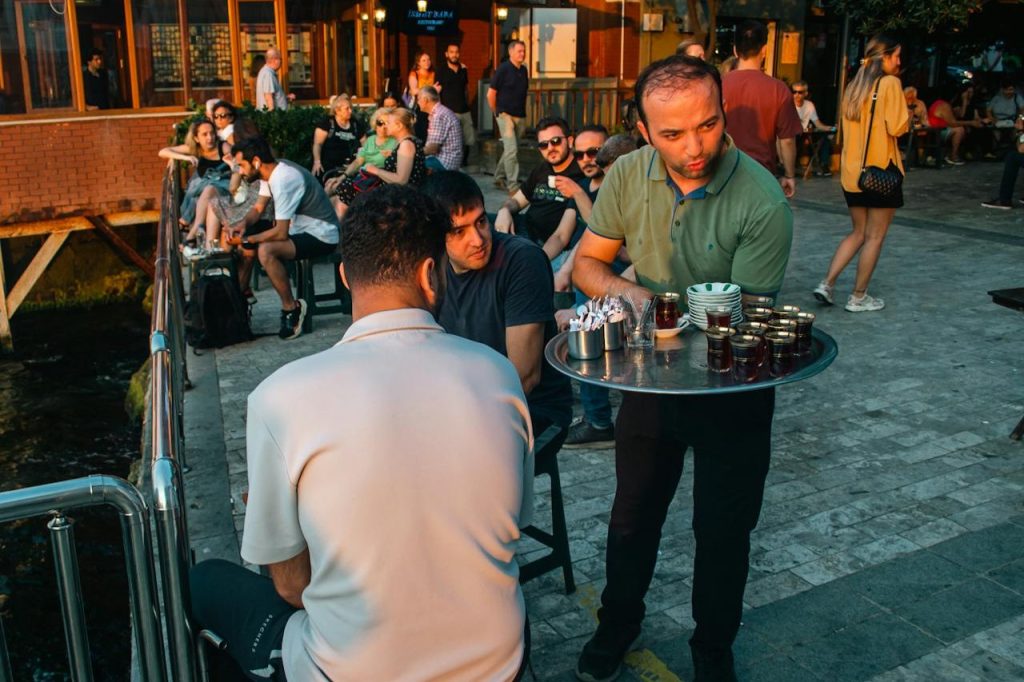
Locals notice quickly when travelers snap fingers, skip greetings, or use a blunt command voice with servers, drivers, and shopkeepers. It is not only rude, it signals that the person in front of them exists solely for convenience. In heavy tourism zones, staff already juggle crowds, language gaps, and constant turnover, so disrespect lands hard and spreads fast through the room. A calm hello, a clear request, and a real thank you change everything, and it often leads to better service because it lowers tension on both sides. Locals do not expect perfect manners. They expect basic human tone and patience when lines are long, kitchens are busy, and mistakes happen.
Ignoring Local Line Culture
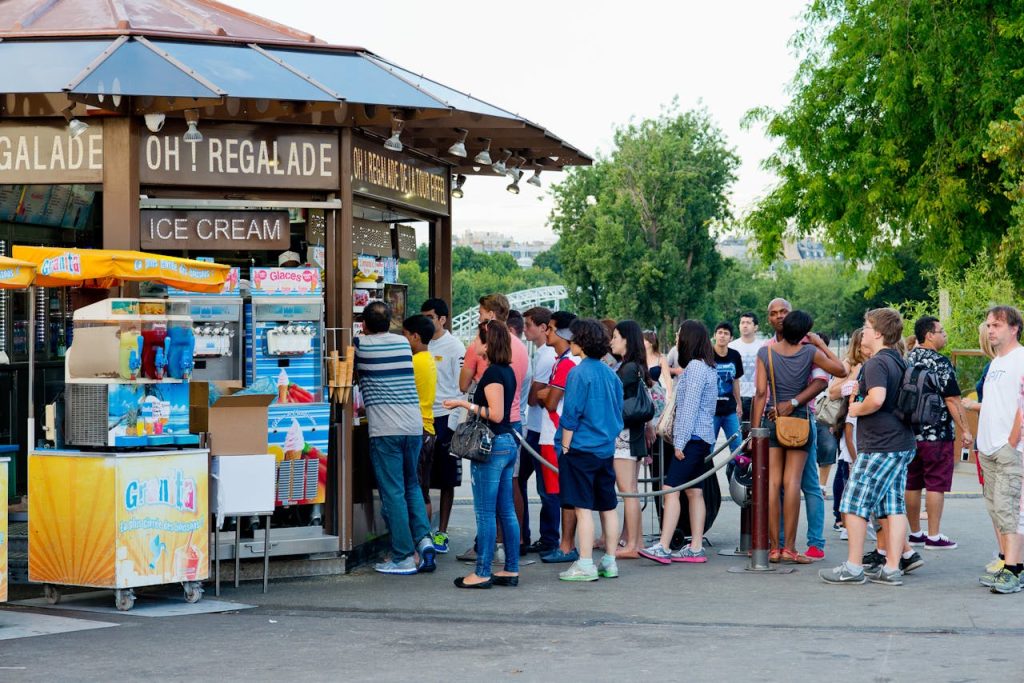
Every place has its own line logic, and visitors break it without realizing. Some cultures form tight, visible queues. Others use a looser system where eye contact and subtle positioning signal who is next. The annoying moment happens when tourists block the counter while deciding, or drift forward as if confusion is a pass to jump ahead. Locals read it as entitlement, not innocence, because the rules become obvious within minutes of watching. The fix is simple: ask who is last, stand where the line actually forms, and step aside to decide before reaching the front. It respects the fact that locals are not on vacation. They have lunch breaks, trains to catch, and errands to finish, and the line is part of their day, not an experience.
Acting Like Rules Do Not Apply On Vacation
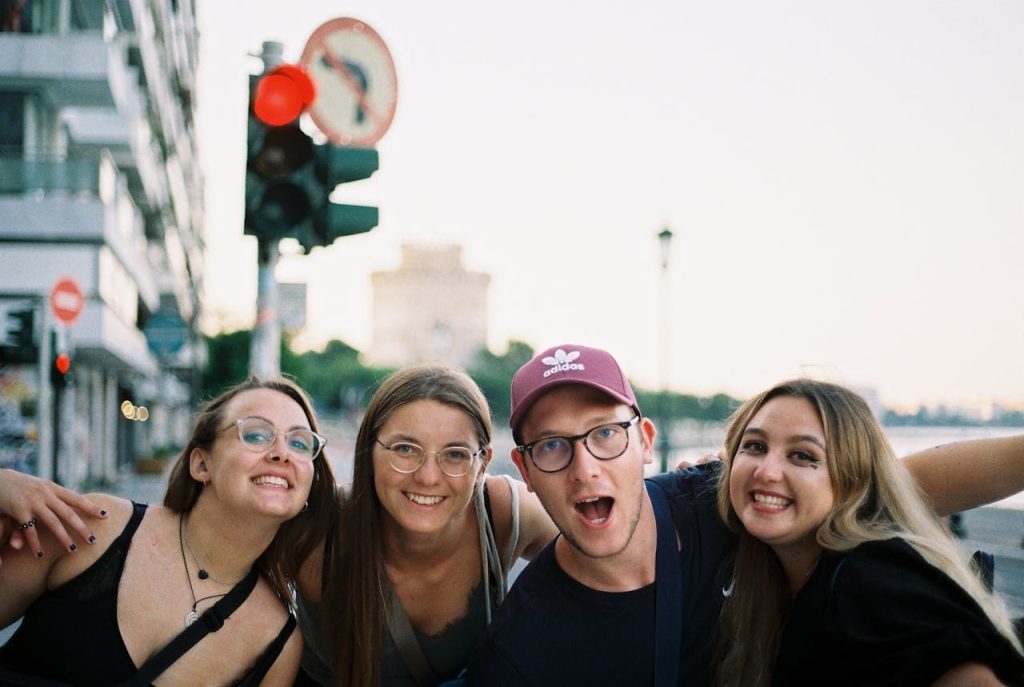
Residents get tired of travelers who treat vacation as a free pass to ignore posted signs, smoke where it is prohibited, climb barriers for photos, or bring loud behavior into quiet spaces. Rules in tourist areas are not decoration. They exist because crowds make small risks bigger, from fragile dunes and trails to museums, temples, and residential streets. When visitors ignore them, locals pay the cost through closures, heavier enforcement, and a more restricted experience for everyone, including respectful travelers. Following boundaries keeps places open and keeps the local mood steady. It also protects the feeling that a destination still belongs to the people who live there, not only the people passing through for a weekend and leaving the consequences behind.
Blocking Transit Doors And Escalators
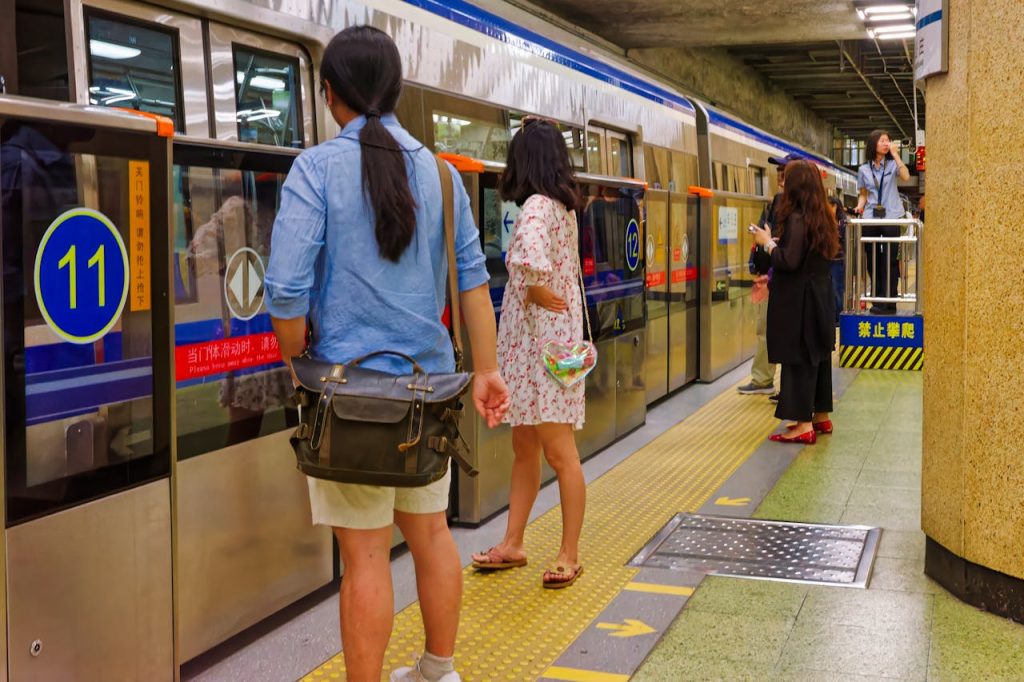
On metros, buses, and trains, locals move with muscle memory: let people exit first, keep aisles clear, and stand on one side of escalators so others can walk. Tourists often block doors while reading maps, or stop at the top of stairs to reorganize bags, creating an instant pileup behind them. It feels small, but at rush hour it delays dozens of people and raises stress fast. Locals do not expect visitors to know every unwritten rule, yet they do expect awareness of flow. Step off the escalator, move to the side, then figure it out. Transit is not the place for a group huddle, because every pause multiplies in a crowded system and turns into frustration.
Buying Out Daily Necessities In Small Stores
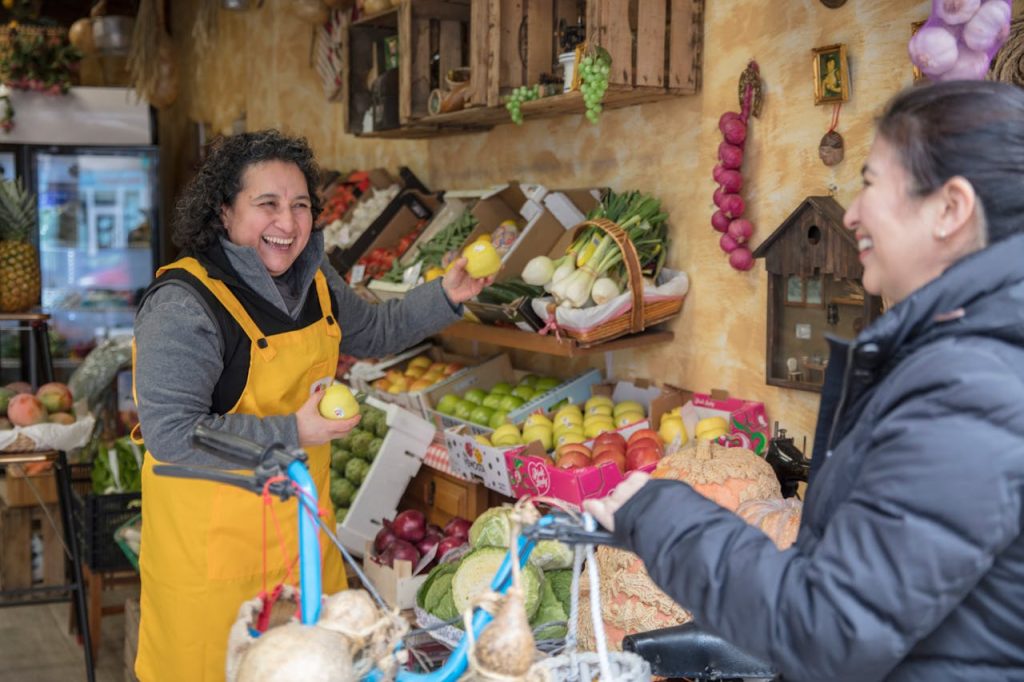
In small towns and islands, locals notice when visitors buy out basics like water, sunscreen, diapers, or bread, especially right after arrival days. It is not the purchase itself. It is the scale, and the assumption that supply is infinite. Many places have limited deliveries, and locals rely on the same shelves for everyday life. When tourists clear them, residents pay higher prices, drive farther, or go without until the next shipment. A little restraint keeps goodwill high: buy what is needed, leave some for others, and use refill stations when available. It is a simple way to share space without making locals feel crowded out in their own town, especially in peak season when shelves already run thin.
Treating Neighborhoods Like Theme Parks
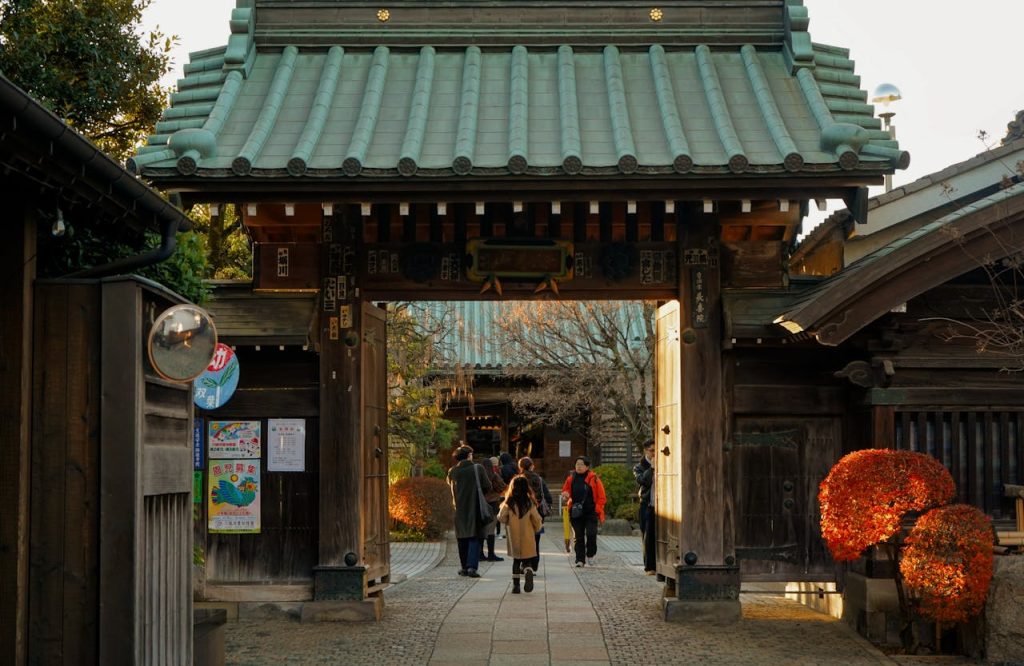
Locals feel it when visitors flood residential streets for a photo spot, a viral café, or a so-called hidden gem, then behave as if the neighborhood exists for content. The problem is not walking around. It is noise, litter, blocked driveways, groups posing on stoops, and people peering into windows like the area is an exhibit. Housing pressure and short-term rentals already make many communities feel unstable, so theme-park behavior cuts deeper. A neighborhood can be beautiful and still be someone’s home. Visitors who keep voices down, stay off private property, and avoid filming strangers without consent help destinations remain open and welcoming. Curiosity lands well when it is paired with restraint and respect for daily life.
Complaining That Everything Is Different

One of the quickest ways to irritate locals is constant comparison: the food is strange, the service is slow, the coffee is wrong, the way people drive is bad. Residents hear it as disrespect dressed up as commentary, especially when the traveler chose to come. Differences are often shaped by laws, staffing, customs, and climate, not by incompetence. Curiosity lands better than critique. Asking why a thing is done a certain way opens doors, while complaining closes them and earns polite distance. Locals are usually happy to share context when the tone is respectful, but few want to be cast as a supporting character in someone else’s running joke about how their home should operate.