9 Travel Choices That Feel Kinder to Your Schedule

A kind schedule is the difference between a trip that feels nourishing and one that feels like another job. Travel pros know most stress comes from transitions: early alarms, long commutes, tight connections, and days packed so tightly that one delay ruins the mood. Small choices can protect whole afternoons, keep evenings unhurried, and leave room for rest without guilt. These nine decisions favor steadier timing, fewer moving parts, and simple flexibility, so travel stays pleasant even when lines run long or weather shifts.
Fly Midday Instead Of Dawn Or Midnight

Midday flights often cost a little more, but they buy stability: airports are staffed at full strength, delays have time to recover before nightfall, and travelers skip 3 a.m. alarms that begin the trip already drained. Ground transport is also easier at midday, with trains, shuttles, and ride-shares running frequently, plus hotel desks ready for early bag drops, room notes, and simple questions about neighborhoods and transit cards. When a delay lands, there is still daylight to reroute, grab food that is not a rushed snack, and check in without the feeling that the first day has slipped away.
Choose One Home Base, Not Three Cities

City-hopping every other day looks efficient, but it quietly eats hours in checkout lines, platform changes, and the constant reset of learning where groceries, coffee, and transit actually are. One home base reduces that daily restart, so mornings can be slow, afternoons can stretch, and evenings can end naturally without racing toward the last train, repacking in a hurry, or hunting for a late dinner near a new hotel. Pros choose a well-connected neighborhood and treat side trips as optional branches, which keeps plans flexible, simplifies laundry and rest, and protects the trip from turning into a series of transfers.
Book Lodging In The Neighborhood, Not Just The Deal
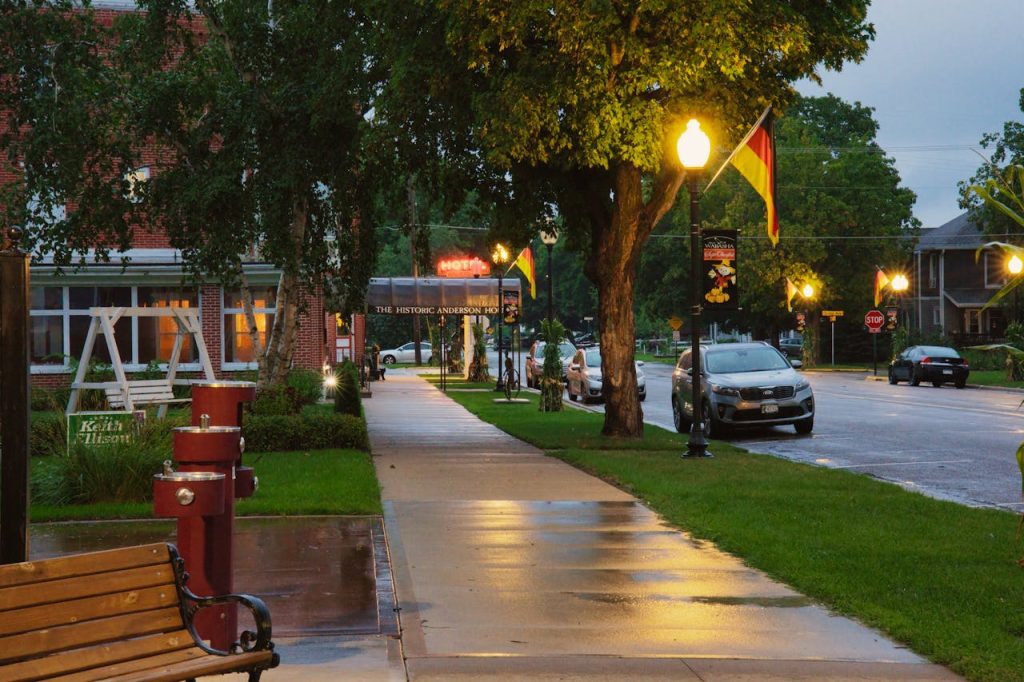
A discounted hotel far from daily life can steal more time than it saves in money, because long commutes split days in half and make simple plans feel heavy when transit runs late or ride prices spike after events. Staying near the streets that get walked, the cafés that stay open, and the lines that connect quickly creates a built-in reset point for dropping bags, changing clothes, or taking a short break without drama. Pros pay for location when the itinerary is tight, since convenience quietly adds hours back to the schedule and makes it easier to pivot if rain, crowds, or tired legs change the plan.
Pay For One Fewer Connection

Connections can work, but each extra one adds a new chance for the schedule to crack: late boarding, gate changes, short taxi times, and weather that compounds across hubs. Paying for a nonstop, or removing one connection, is often the biggest upgrade for time and mood on short trips, because it reduces failure points that trigger missed reservations, late-night arrivals, and morning plans spent recovering. Pros weigh the full cost of disruption, including rebooking lines and unplanned hotel nights, then choose the simpler routing when it protects a whole day rather than saving a small amount.
Build A Real Buffer Day, Not A Fake One

Many itineraries claim to be relaxed, then stack every day and call a late breakfast a rest day, which rarely holds when a line runs long, weather shifts, or a train runs behind schedule. A real buffer day has no timed tickets, no long transit, and no must-do dinner, leaving space for laundry, a slow café, a neighborhood walk, a nap, and one low-stakes stop such as a bookstore, market, or easy museum that can be skipped without regret. Pros place it right after arrival or before departure, so the trip absorbs surprises without penalty, and the calendar stops feeling like it is chasing itself quietly.
Pick Trains For Medium Distances When They Are Practical

When routes are direct, trains can be kinder to time than flights, because stations are central, security is lighter, and boarding is straightforward instead of a chain of checkpoints. Pros favor rail for trips that would otherwise include an airport transfer, long waiting, and baggage carousel delays, especially when door-to-door time ends up similar once check-in buffers, security queues, and gate walks are counted. Train hours also count as real rest, with tables, power outlets, snacks, and views that mark the change of place while keeping the day intact rather than chopped into procedural steps.
Front-Load Reservations, Back-Load Wandering

A schedule feels more humane when the most structured plans happen early, while energy is high and there is still room to recover from delays without sacrificing the whole day. Afternoons and evenings work better for flexible blocks such as markets, parks, a second museum if the mood fits, or a long dinner that can shift by 30 minutes without turning into a scramble over transit and closing times. Pros use one anchor per day and leave generous gaps around it, which keeps the trip responsive to weather and crowds, and prevents the feeling of sprinting between commitments from breakfast to bedtime.
Use Early Check-In Or Luggage Storage On Purpose

Trips lose valuable hours when luggage dictates movement, especially on arrival mornings and departure afternoons when a suitcase turns every plan into a detour and every staircase into a decision. Early check-in, luggage storage, and bag-drop services turn those gaps into usable time, letting travelers take a first walk, sit down for a real meal, or visit a small museum without hauling bags, scanning for lockers, or watching the clock too closely. Pros confirm policies in advance and pack a light day bag, which makes the edges of the trip feel like real days, not time spent hovering near a lobby.
Plan One No-Decision Evening Each Trip

Decision fatigue is real travel fatigue, and it shows up after long transit, constant navigation, language barriers, and the pressure to make every hour count. One no-decision evening with a simple plan, like a familiar meal, a nearby café, a bath, or a quiet night in, resets energy and protects the days that follow without adding logistics, more walking, or another set of reservations to manage. Pros schedule it after the hardest day, keep it close to the hotel, set a gentle bedtime, and treat good sleep as the quiet upgrade that keeps mornings smooth, moods steady, and plans pleasant again truly.