9 Travel Days That Feel Unstructured
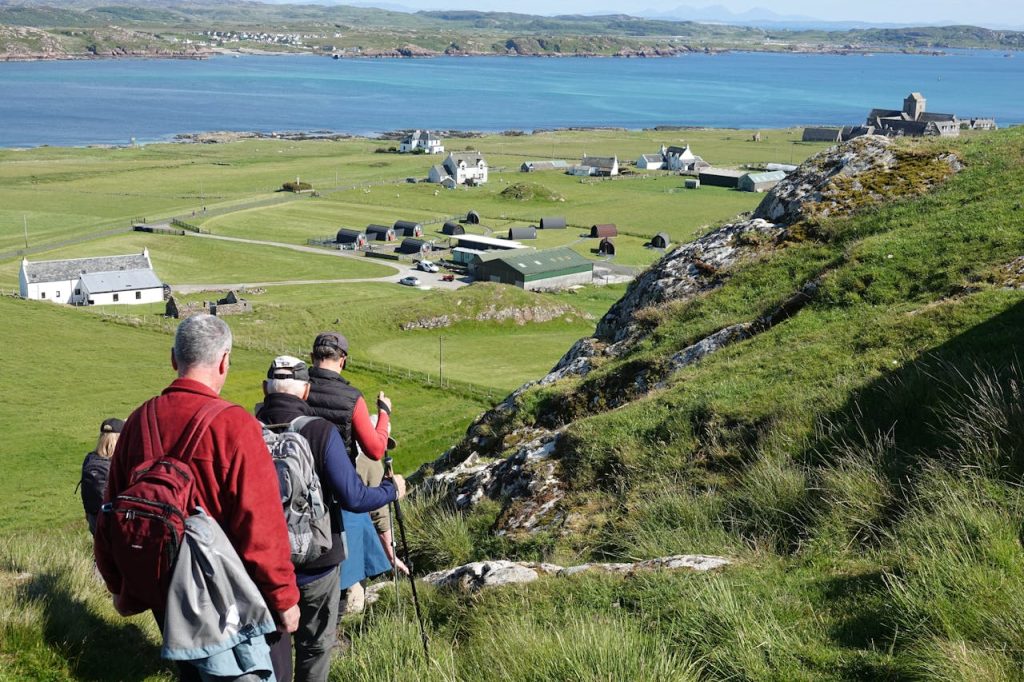
Unstructured travel days are not careless. They are intentional pauses where the map stays folded and the mood stays open, and the place is allowed to lead. Instead of chasing a checklist, travelers settle into slow breakfast, long walks, and small detours that arrive naturally, like a museum entered on a whim or a café that becomes a home base. These days still have a loose spine, usually one anchor and plenty of empty space. They work in big cities and small towns, and they often become the memories people recall most clearly later.
Late Breakfast, Then No Decision Until Noon
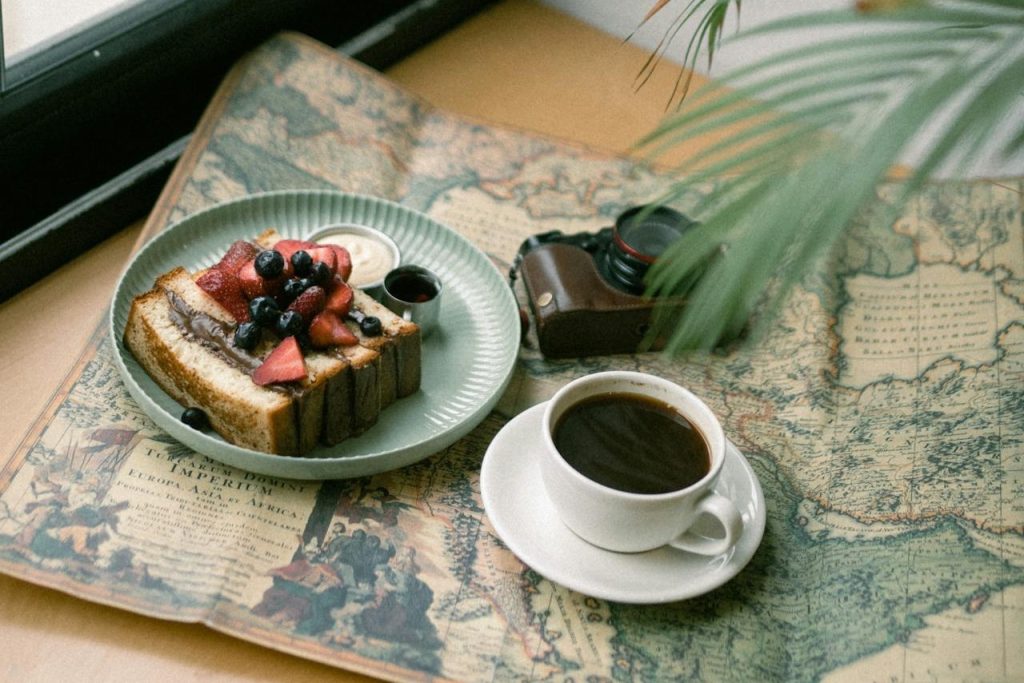
The day starts with a late breakfast that lasts, not rushed bites between plans. A warm pastry, eggs, or something local lands better when there is time to notice the room, the light, and the street waking up outside. After that, nothing is booked until noon, which leaves space for a second coffee, a bookstore stop, a riverside detour, or just sitting and watching scooters, strollers, and dogs pass. By lunchtime, one easy decision tends to appear on its own, a museum sign, a park gate, a ferry dock, and the afternoon follows that thread at walking speed with snack pauses and no debate.
One Neighborhood, Repeated Loops
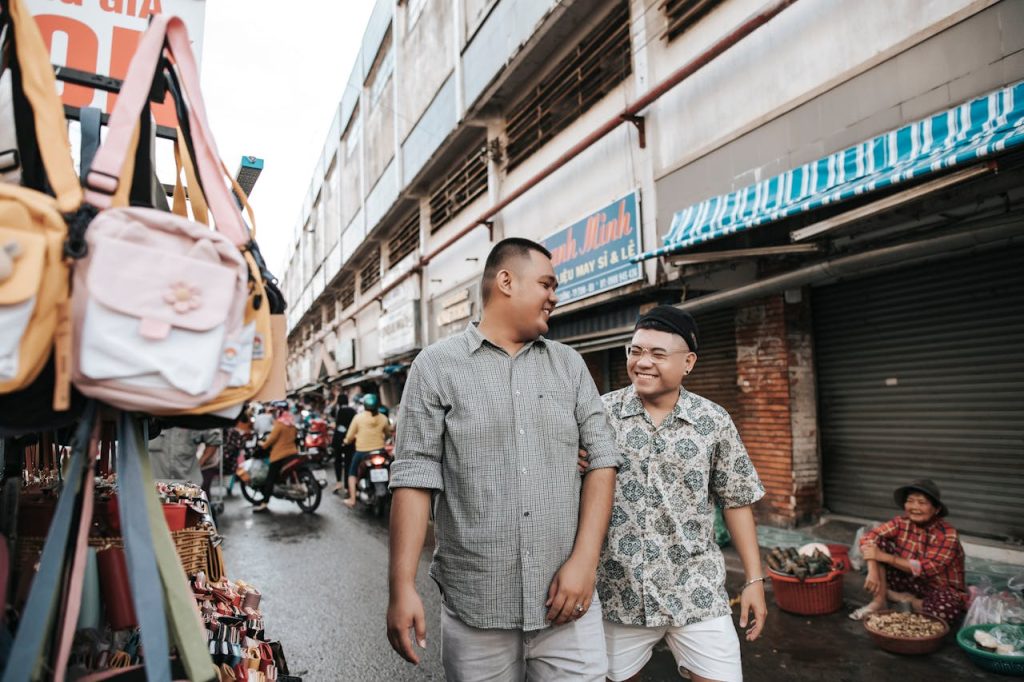
Rather than crossing the whole city, travelers choose one neighborhood and stay loyal to it for hours, letting repetition remove pressure. A first loop finds the bakery and a quiet side street, a second loop returns for a later snack, and a third loop ends at the same bar when lamps switch on and the air cools. The small radius keeps energy for noticing details: a courtyard fountain, a mural half-hidden by vines, a tiny grocery, a stoop with flowers, and the comfort of recognizing faces. The day feels full without constant movement, and the slow return to familiar corners makes it strangely personal, like a place is opening up instead of being consumed.
A Market Morning That Turns Into Lunch
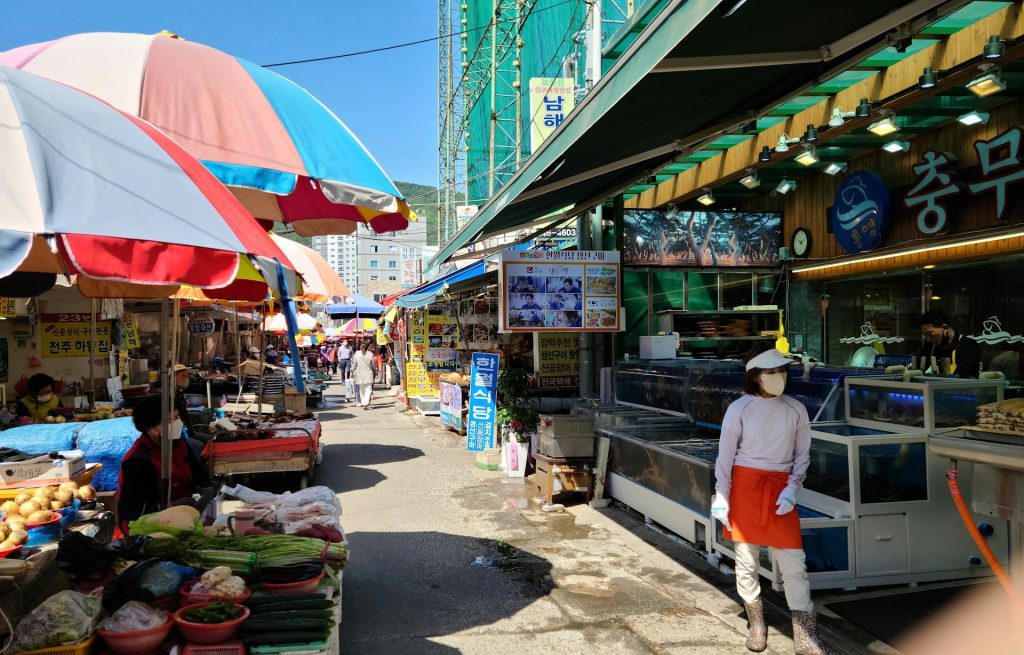
A market morning starts as browsing, but it rarely stays there once smells, samples, and small conversations begin rewriting the plan. A vendor offers a taste, a loaf looks too good to ignore, and lunch turns into a picnic built from olives, fruit, cheese, and something hot wrapped in paper. With no timeline, travelers drift to a square or waterfront, eat slowly, and watch local rhythms take over, then wander back for tea, spices, flowers, or one last ingredient that quietly decides dinner. The day stays soft and responsive, with the tote bag growing heavier and the mind growing calmer.
Museum Hour With No Follow-Up Plan
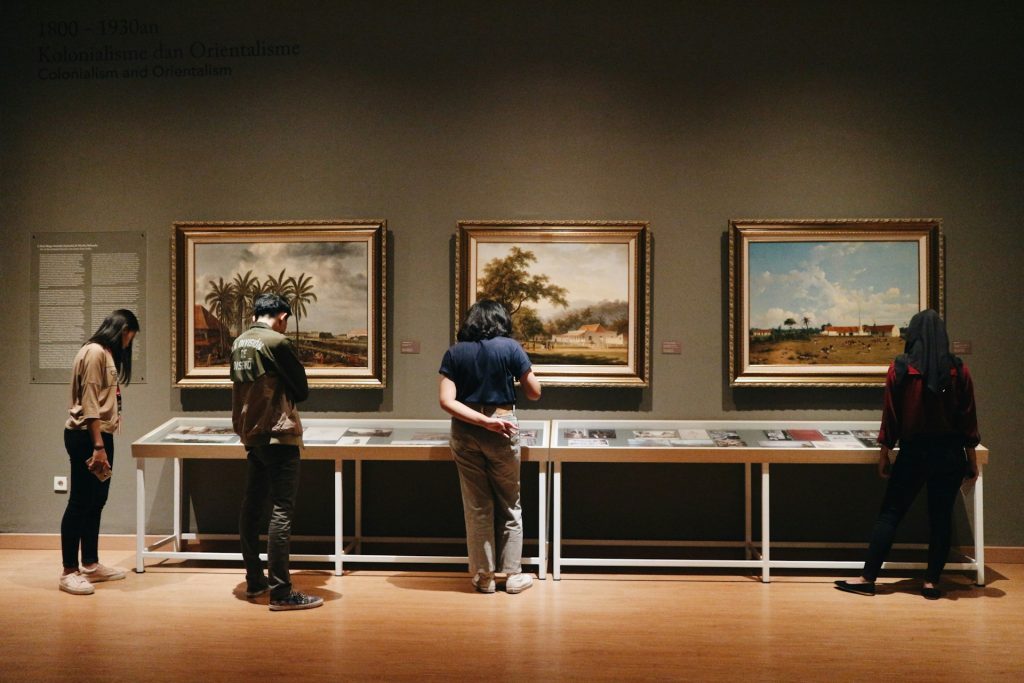
An unstructured day can include a museum, but only for an hour, which keeps attention sharp and prevents the tired march through every room. Travelers choose one wing, one artist, or one small exhibit, then leave while curiosity is still awake, stepping back into daylight feeling lighter instead of overfilled. The open space afterward becomes the real luxury. A café table, a record shop, or a slow walk continues the mood, and the mind keeps turning over colors, faces, and textures while feet drift into new streets. Without a follow-up plan, the day stays flexible, and the museum becomes a spark, not a task.
Transit Ride To The End Of The Line
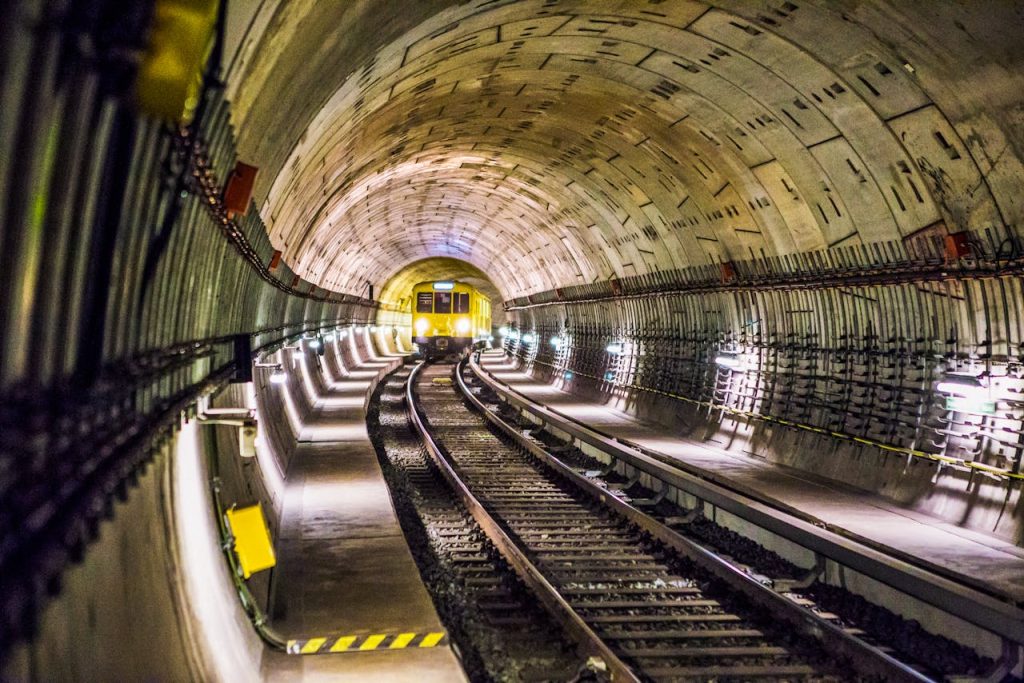
Riding transit to the end of the line is a gentle way to let a city choose the day, with the route acting as a ready-made story. The train or tram passes through everyday neighborhoods that tourists often skip, and the final stop usually offers a park, a shoreline, a market street, or a view that costs nothing and feels earned. Travelers step off with no agenda beyond a slow walk and a snack, then return when it feels right, watching storefronts, schoolyards, and evening light shift through the window. The ride itself becomes part of the rest, because sitting still is allowed, and the day feels complete without effort.
Bookstore, Bench, And A Long View

A bookstore can anchor a whole day without making it feel planned, especially in a city where weather and crowds change by the hour. Travelers browse slowly, pick a slim book or postcard, then carry it to a bench, a riverside wall, or a quiet plaza where time stretches and nobody expects quick turnover. Reading a few pages, people-watching, and returning for a second browse creates a soft loop. The day ends with one small purchase that feels meaningful, plus the scent of paper and fresh ink that follows back to the hotel like a souvenir. Add a calm café stop nearby, and the whole afternoon feels steady.
Laundry And Errands Like A Local

Some of the most unstructured travel days look ordinary: laundry, a pharmacy stop, and a slow grocery run that replaces frantic sightseeing with calm. The difference is the pace, because errands become a way to step into local life, learning store layouts, trying unfamiliar snacks, and catching bits of conversation in line. With clean clothes and a stocked room, the afternoon opens for a nap, a long shower, a balcony sit, or a casual dinner nearby, and the day feels restorative without needing a highlight. It is a reset with proof: folded shirts, a full water bottle, and the quiet satisfaction of being prepared for tomorrow.
A Weather-Led Day
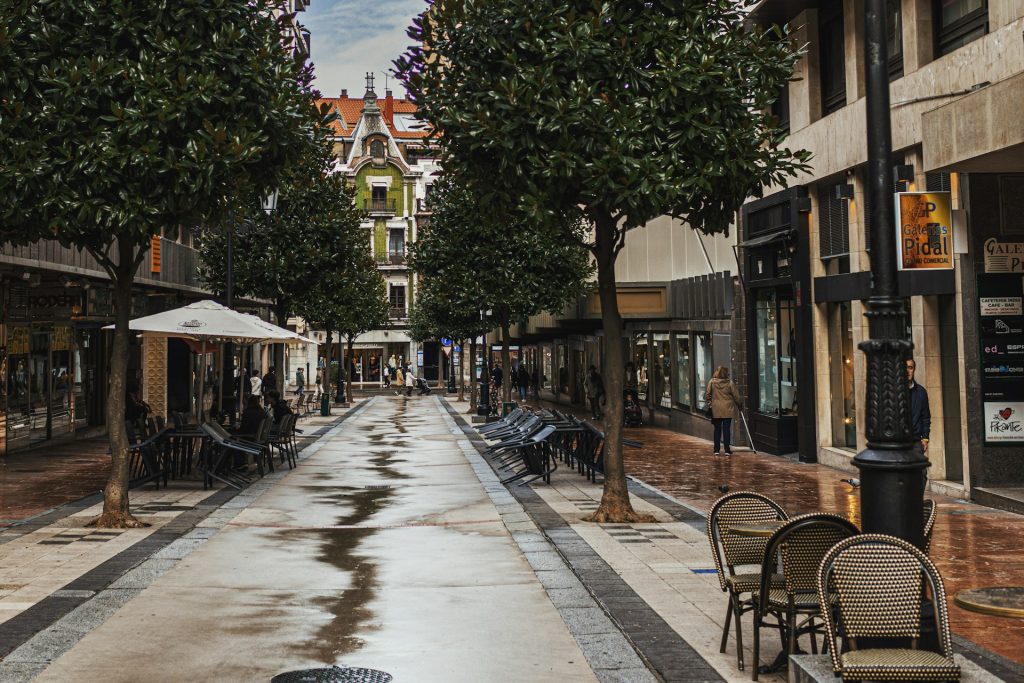
When weather shifts, structure can fall away in the best way, because the forecast becomes a guide rather than a problem. Sun turns into a long walk and an outdoor table; rain turns into museums, covered markets, galleries, and a café afternoon with soup, pastry, and pages of a newspaper. Instead of fighting the sky, travelers pick one anchor and let the rest unfold, ducking into doorways, listening to rain on awnings, and noticing how the city sounds when streets are slick. The day ends with an early dinner and a warm return, aligned with the place, with slower breathing and no sense of lost time.
Sunset Chasing With Only One Rule
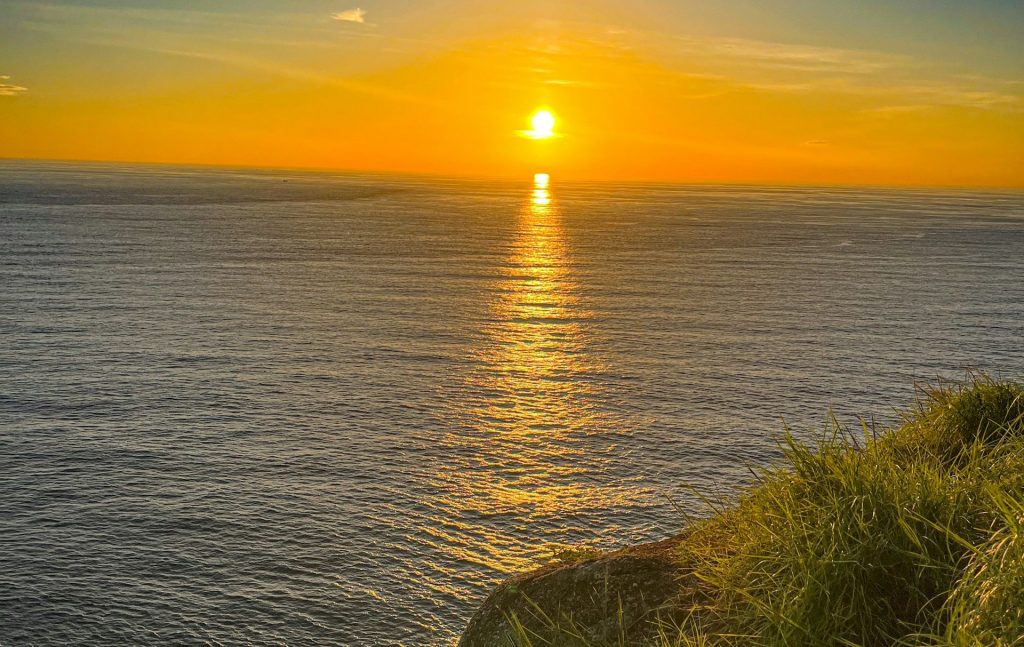
Sunset chasing sets one simple rule and leaves the rest loose, which is why it works. Travelers keep the day open, then choose one viewpoint, a hill, a bridge, a beach, or a rooftop, and arrive early enough to settle in with a warm drink and a good seat. Everything before that stays flexible: a nap, a snack crawl, a short gallery stop, a quiet swim, a postcard written at a café, and a slow walk that changes direction whenever something looks interesting. The reward is a golden-hour moment that feels earned, followed by dinner wherever the afterglow points, no debate required and no pressure to optimize.