9 Travel Destinations Where Paperwork Plays a Big Role in the Trip

My travel strategy for years was defined by a deliberate lack of planning. I would book a flight to a popular coastal hub or a major capital, land with a passport, and figure out the rest over coffee the next morning. It was a freedom that felt guaranteed, but that era of frictionless movement has collided with a new global reality of digital authorizations, mandatory entry fees, and strict biosecurity declarations. The simple, spontaneous getaway is being replaced by a landscape where the administrative burden of a trip often rivals the logistical planning.
This shift is not merely bureaucratic red tape but a calculated response to overtourism and environmental fragility. Policy analysts and heritage experts explain that destinations are increasingly using complex paperwork as a filter to manage visitor flow and fund preservation. While this adds predictability and funding to strained locations, it fundamentally changes the traveler’s role from a casual observer to a registered participant. The carefree week at a standard beach resort now feels distant compared to the rigorous preparation required for these regulated frontiers.
Bhutan
The Kingdom of Bhutan has long operated on a unique tourism model that prioritizes high value over high volume, but the administrative requirements remain some of the most rigorous in the world. Travelers must process a visa application that includes payment of a substantial Sustainable Development Fee for every night spent in the country. Government economists and cultural preservationists utilize this mandatory daily levy to fund free healthcare and education for citizens while naturally limiting the number of visitors who can afford to enter.
Economic sustainability and cultural sovereignty are the primary drivers. Unlike the open-border model of a typical Southeast Asian backpacking trip, Bhutan ensures that every visitor contributes directly to national development. The visa process creates a hard filter that prevents the kind of mass tourism that creates crowding and infrastructure strain elsewhere.
The destination is defined by its fortified dzongs, prayer-flagged mountain passes, and a quiet, spiritual atmosphere.
The tradeoff involves a significant financial and logistical commitment. The mandatory fee is non-negotiable and requires upfront payment, making a spontaneous extension of the trip impossible for most travelers. This creates a highly structured environment where the itinerary is often fixed by the budget rather than the traveler’s whim.
Venice, Italy
Venice has formalized the end of unrestricted day-trip tourism with its highly publicized Access Fee system. Visitors arriving for the day on peak dates must now pay a fee and register via a digital portal before entering the historic city center. Municipal authorities and urban preservationists enacted this measure to manage the crushing flow of transient visitors who strain the ancient infrastructure without contributing to the overnight economy.
Risk analysts and city planners note that the drivers are infrastructure survival and crowd management. The lagoon city faces unique logistical challenges where waste removal and building maintenance cost far more than on the mainland. The entry fee acts as a digital turnstile, discouraging casual, low-value tourism while generating data that helps the city predict pedestrian traffic flows.
The city offers a unique landscape of canals, pedestrian-only piazzas, and a slow-paced lifestyle dictated by water transport.
A major tradeoff is the administrative friction added to a simple vacation. Spontaneous trips from nearby resort towns now require checking a calendar and processing a payment in advance. Failing to register can result in substantial fines, meaning the casual romantic getaway now requires the same level of bureaucratic preparation as a business trip.
Galápagos Islands, Ecuador
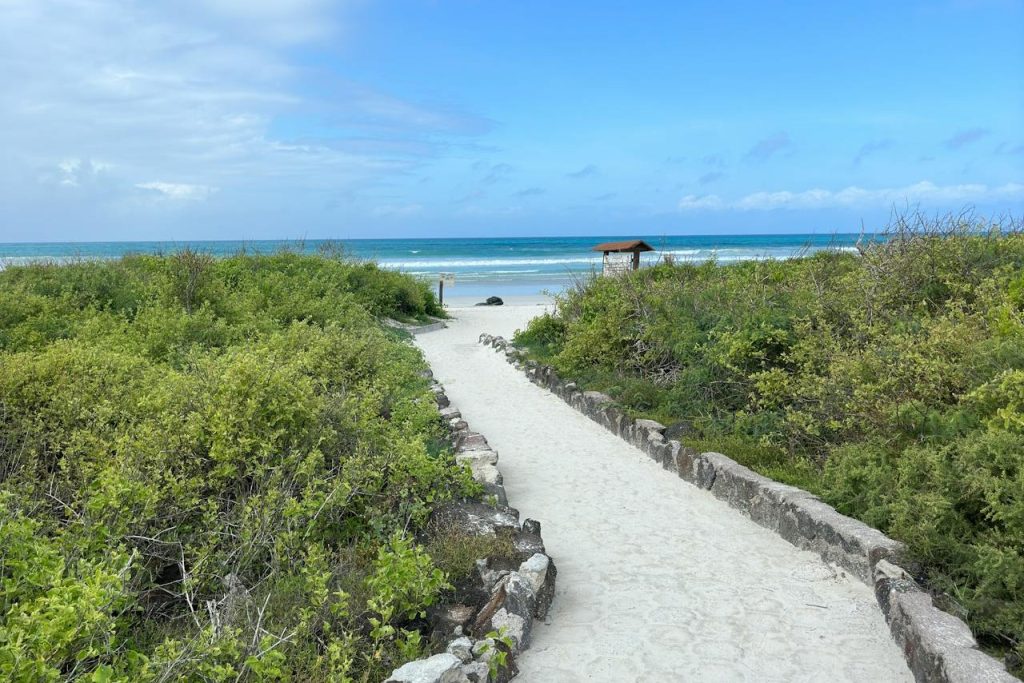
The Galápagos Islands enforce a multi-layered system of permits and cards to protect their unique biodiversity. Visitors must purchase a Transit Control Card at the airport before departing the mainland and pay a significant national park entrance fee upon arrival. Conservation biologists and park authorities strictly monitor these documents to track the movement of every individual entering the fragile ecosystem.
Biosecurity and ecological isolation are the critical drivers. Scientists explain that invasive species and human pathogens pose an existential threat to the endemic wildlife. The Transit Control Card system allows authorities to screen travelers and ensure that no prohibited biological materials enter the archipelago. Unlike a standard island holiday where arrival is a formality, landing here is a screened process.
This destination offers unrivaled wildlife proximity, volcanic landscapes, and a remote, scientific atmosphere.
The tradeoff is a loss of autonomy and a high initial cost. Travelers cannot simply book a flight and head to the beach; they must navigate a series of checkpoints and payments before even leaving the airport. The process emphasizes that the visitor is entering a protected reserve rather than a recreational zone.
Machu Picchu, Peru
The Inca Citadel has implemented a rigid circuit system that links ticket purchases to specific walking paths. The Ministry of Culture requires visitors to choose a specific circuit and entry time at the moment of booking, and tickets act as a binding contract for that specific route. Geologists and heritage engineers warn that the unstable mountain terrain cannot support the free movement of millions of feet without risking landslides.
Structural integrity and erosion control are the urgent drivers. Heritage institutions note that the granite terraces were never designed for mass tourism. By forcing visitors onto distinct tracks via their ticket selection, site managers spread the wear and tear across different sectors. This contrasts sharply with the open-access exploration available at less famous archaeological sites.
The site is defined by its dramatic Andean setting, cloud forest biodiversity, and the mystery of its stone architecture.
Travelers lose the ability to see the entire site in a single visit. A ticket buys access to only one section, meaning visitors must purchase multiple tickets and navigate complex booking rules to see different angles of the ruins. The meditative experience of wandering the ruins is replaced by a continuous, flow-based movement mandated by the permit.
Easter Island, Chile

Rapa Nui has instituted strict governance over visitor entry to protect its limited resources and cultural sites. Travelers must fill out a dedicated entry form, present a return ticket, and show proof of a reservation at a registered accommodation for a maximum stay of 30 days. Local governance bodies and island councils enforced these rules to prevent overpopulation and the strain on waste management systems caused by long-term drifters.
Resource management and cultural autonomy are the drivers. Community leaders emphasize that the island is a living home rather than just an open-air museum. The mandatory hiring of local guides to enter the national park further formalizes the visit. This ensures that economic benefits stay on the island and that visitors adhere to respectful behavior codes.
The island is known for its enigmatic moai statues, grassy volcanic craters, and intense isolation.
The tradeoff creates a highly supervised experience. The days of renting a jeep and exploring the statues alone are over. Visitors must align their schedules with hired guides and official park hours, removing the sense of solitary discovery that once defined the island.
New Zealand
New Zealand operates one of the most stringent biosecurity borders in the world. Visitors from visa-waiver countries must obtain an NZeTA before travel and complete a detailed traveller declaration regarding outdoor gear and food. Biosecurity officers and agricultural experts enforce these rules to prevent the introduction of pests that could devastate the country’s massive agricultural economy.
Economic protection and environmental defense are the drivers. Agricultural economists report that a single outbreak of foot-and-mouth disease or an invasive fruit fly could cost the nation billions. The paperwork is not a formality but a legal declaration backed by instant fines for non-compliance. It turns the arrival process into a serious interrogation of hiking boots and camping equipment.
The country offers vast fjords, temperate rainforests, and a culture deeply connected to the outdoors.
The tradeoff is the stress of packing and arrival. Travelers must scrub their gear before departure and declare even minor food items to avoid penalties. The casual entry of a typical backpacking trip is replaced by a high-stakes border crossing where an apple in a backpack can lead to a significant fine.
Antarctica
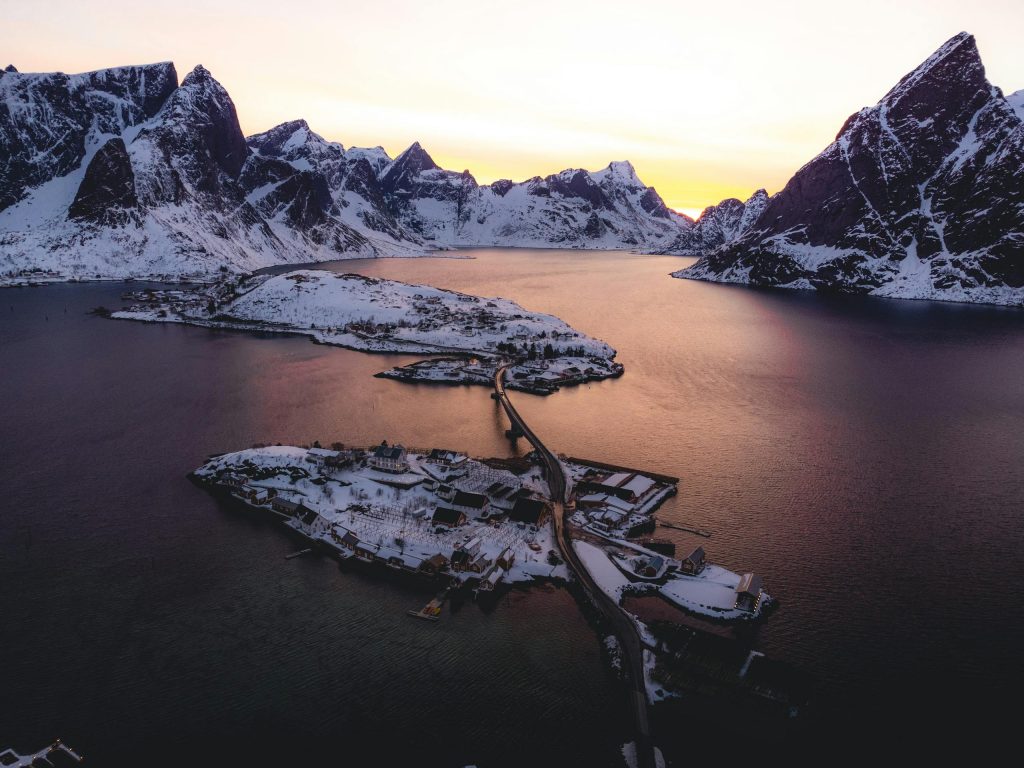
Tourism to the White Continent is governed by the strict guidelines of the International Association of Antarctica Tour Operators and the Antarctic Treaty System. Visitors must complete comprehensive medical forms and biosecurity declarations before they are cleared for the expedition. Polar scientists and expedition operators require this paperwork to ensure that no one becomes a medical liability in a region without hospitals.
Safety and biological protection are the drivers. Medical experts warn that evacuation from Antarctica is weather-dependent and incredibly costly. The rigorous medical screening filters out those who might face health crises in extreme isolation. Additionally, biosecurity forms ensure that visitors understand the strict prohibitions against introducing foreign seeds or soil.
The continent offers a landscape of icebergs, vast glaciers, and silence found nowhere else on Earth.
The tradeoff is a total lack of privacy regarding health and a rigorous pre-trip vetting process. Travelers must disclose personal medical history to operators months in advance. The preparation feels more like a military deployment or a scientific expedition than a leisure cruise.
Bali, Indonesia
Bali has introduced a tourist levy and a digital customs declaration to manage the impact of mass tourism. International arrivals must pay the levy digitally and complete a customs declaration via a QR code system before or upon arrival. Regional government officials and cultural leaders implemented the levy to fund cultural preservation and waste management projects on the island.
Infrastructure funding and cultural respect are the drivers. Urban planners note that the island’s infrastructure was buckling under the weight of millions of visitors. The levy ensures that the tourism economy directly supports the maintenance of temples and the cleaning of beaches. It adds a transactional layer to an island that was previously known for its low-cost, easy access.
The island is characterized by its Hindu temples, terraced rice paddies, and vibrant surf culture.
The tradeoff is the erosion of the “cheap and easy” reputation. The accumulation of visa fees, levies, and digital forms adds friction to the arrival experience. The carefree surf trip now begins with a series of digital administrative tasks that must be completed before leaving the airport terminal.
Nepal
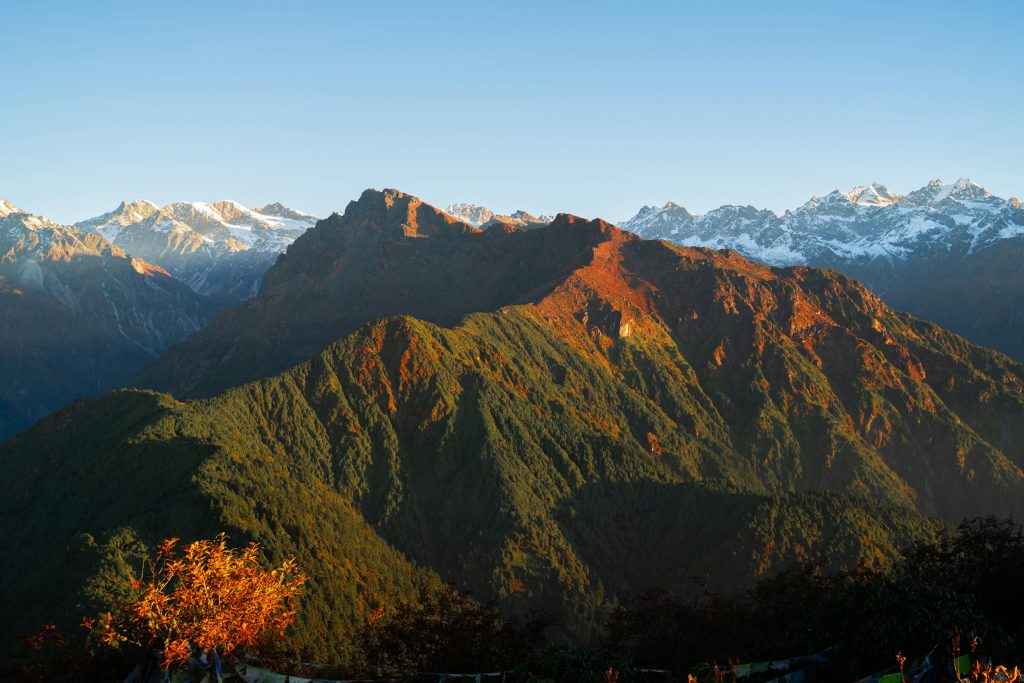
The Everest region and other trekking areas in Nepal require a combination of permits that must be secured before hitting the trail. Trekkers need a TIMS card and a national park permit, and recent regulations have mandated the use of GPS tracking chips and the hiring of guides for many routes. Mountaineering associations and safety officials support these measures to improve search and rescue operations and labor rights for porters.
Safety management and labor regulation are the drivers. Search and rescue coordinators explain that the tracking systems allow for faster responses in emergencies. The guide mandates ensure that solo trekkers do not vanish into the wilderness without a trace and that local workers are employed fairly. This structure professionalizes what was once a haven for independent drifters.
The region offers high-altitude trekking, Sherpa culture, and views of the world’s highest peaks.
The tradeoff removes the illusion of wild, unregulated adventure. The trek is now a monitored activity with strict compliance requirements. Travelers must accept a higher level of scrutiny and responsibility, stripping away the solitary nature of a mountain holiday.