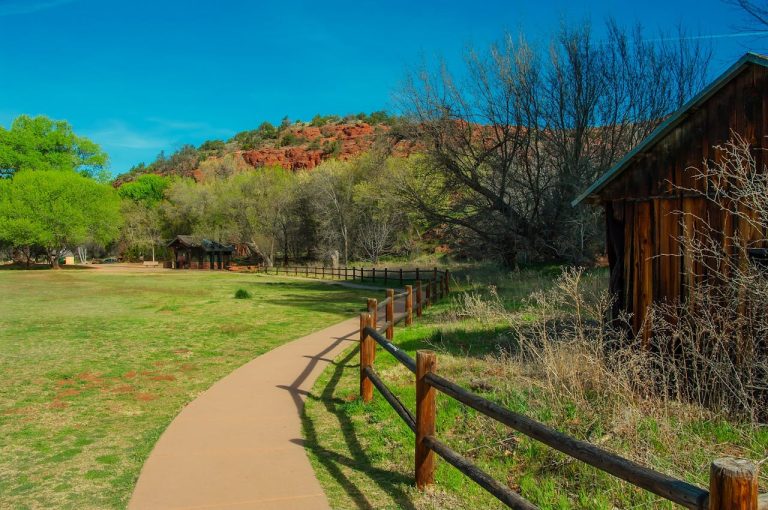
9 Travel Ideas That Feel Manageable Because There’s No Pressure to Love Them

Travel can feel lighter when the goal shifts from chasing highlights to simply enjoying a change of scenery, especially when time is limited and rest matters most. Some trips work best when expectations stay modest, schedules stay flexible, and the experience leaves room for quiet moments. A manageable getaway often includes familiar comforts, short distances, and activities that can be skipped without guilt, so the day still feels successful. That mindset also reduces the pressure to post, optimize, or judge every hour. These nine travel ideas focus on calm, low-stakes formats that fit many budgets and energy levels, and they work well for solo travelers or small groups. Each one offers a clear plan, yet none demands a perfect mood to feel worthwhile.
Take A One-Night Hotel Reset Nearby

A one-night stay close to home can deliver the feeling of travel without the stress of logistics. A short drive or simple train ride keeps planning minimal, and a nearby neighborhood can feel fresh when time is limited, especially if you choose somewhere you rarely visit, and bring one small treat like a pastry or new magazine, or pick a hotel with late checkout and good lighting. The best part is flexibility, since check-in can happen after work, and the next morning can include coffee, a walk, and an unhurried return, with no pressure to pack the day, and you can pause for a museum stop or thrift store browse. A pool, bookstore, or a quiet lobby becomes enough entertainment. This kind of reset works because the trip succeeds even if plans change.
Plan A Museum And Cafes Weekend
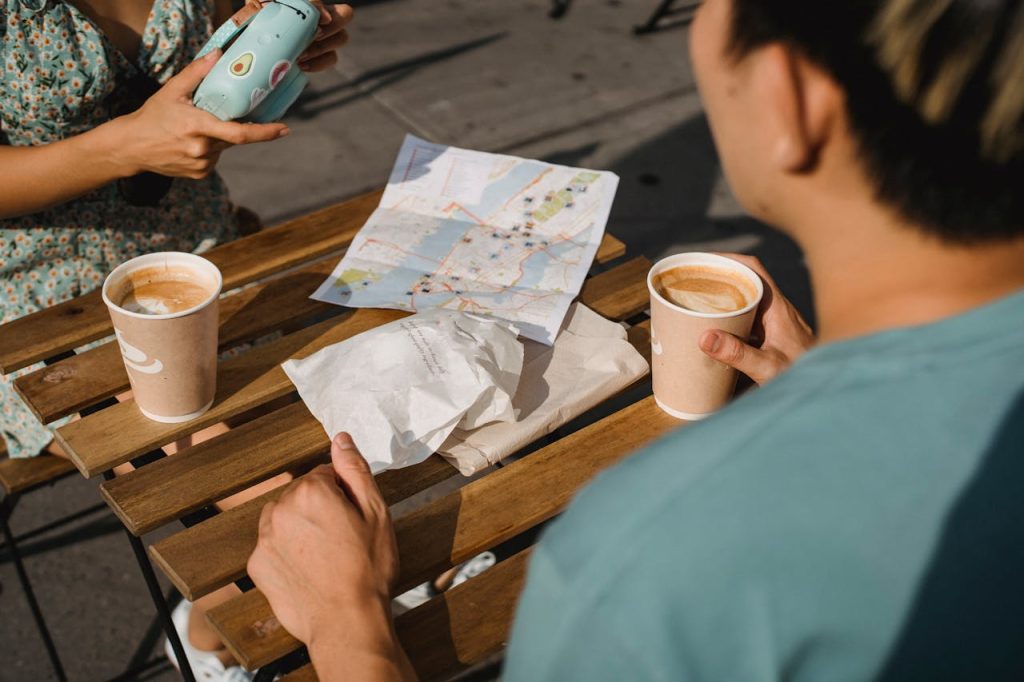
A museum-centered weekend feels low pressure because it offers structure without forcing a packed schedule, and it gives you one clear anchor for each day. A single major museum can fill a morning, then the rest of the day can drift through cafes, bookstores, and neighborhood streets, with time to sit and people-watch between stops. Tickets can often be booked in advance, yet the experience still allows breaks, long lunches, and early nights, especially if you choose a hotel within walking distance. Weather matters less, which reduces stress when forecasts shift, and it keeps plans stable even when rain rolls in. The trip also stays easy to tailor, since galleries can be skimmed or lingered in depending on energy, and smaller exhibits can become pleasant surprises.
Choose A Beach Town In The Off-Season

An off-season beach town can feel restful because the focus shifts from busy attractions to quiet shoreline routines, and the days naturally slow down. Cooler temperatures and fewer crowds often make walks more pleasant, and simple pleasures like reading, coffee, and long views become the main event, especially at sunrise or just before dusk. Restaurants may run shorter hours, but that can reinforce an easy schedule rather than a frantic one, and it encourages early dinners or casual picnic meals. Lodging can also be easier to secure without months of planning, and prices sometimes make a nicer room feel reasonable. Even if the water stays too cold for swimming, the trip still works as a change of pace, with no pressure for constant activity.
Spend Two Days In A Small College Town

A small college town offers a built-in mix of bookstores, casual restaurants, and cultural events without the intensity of a major city, and it usually feels easy to navigate on foot. Campuses often anchor walkable areas, and the presence of students can keep neighborhoods lively while still feeling approachable, especially in the afternoons and early evenings. A weekend can include an art museum, a public lecture, or a game, then shift to coffee shops and parks with no need to rush, and you can browse independent shops between plans. The trip stays manageable because the scale is compact, and many stops sit close together, which reduces transportation costs and decision fatigue. If plans fall through, a stroll through campus streets can still feel satisfying.
Take A Scenic Train Ride With No Big Agenda
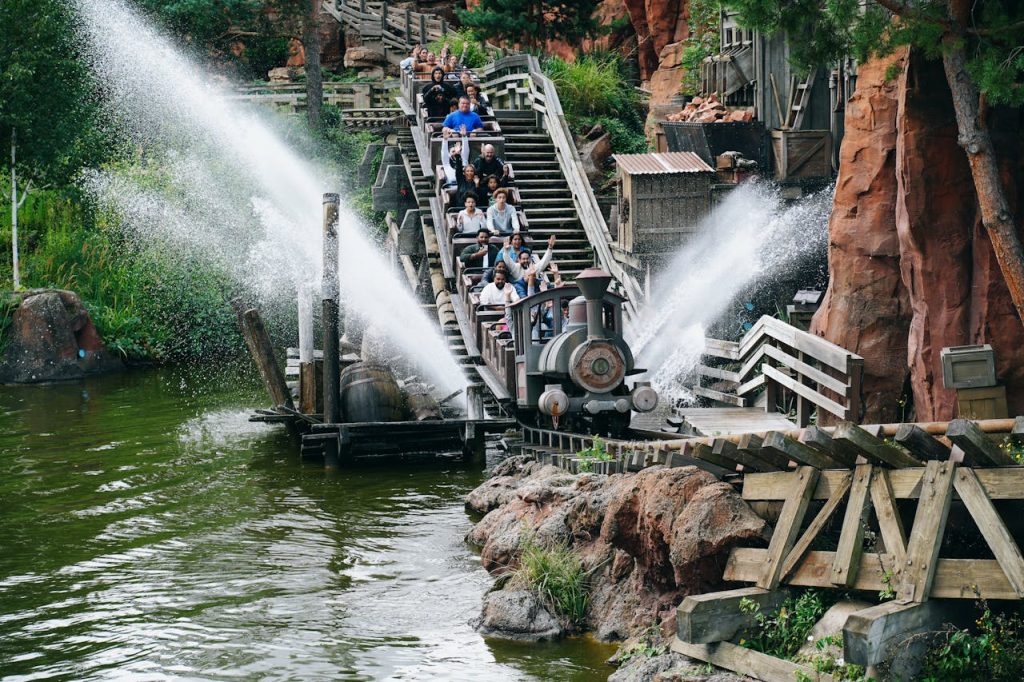
A scenic train ride creates movement and novelty while keeping effort low. Boarding feels simpler than airport routines, and the view provides built-in entertainment without requiring constant decisions, especially when you snag a window seat and let the landscape change. A short overnight trip can work, or the ride itself can be the centerpiece, followed by a simple meal and a return later that day, with time for a small walk near the station. The destination can be secondary, which removes pressure to “do” everything. Packing stays light, and reading, music, or conversation fills the time naturally. This format often feels especially manageable because the schedule is set by the train, not a long to-do list.
Book A Cabin Weekend For Rest And Simple Meals
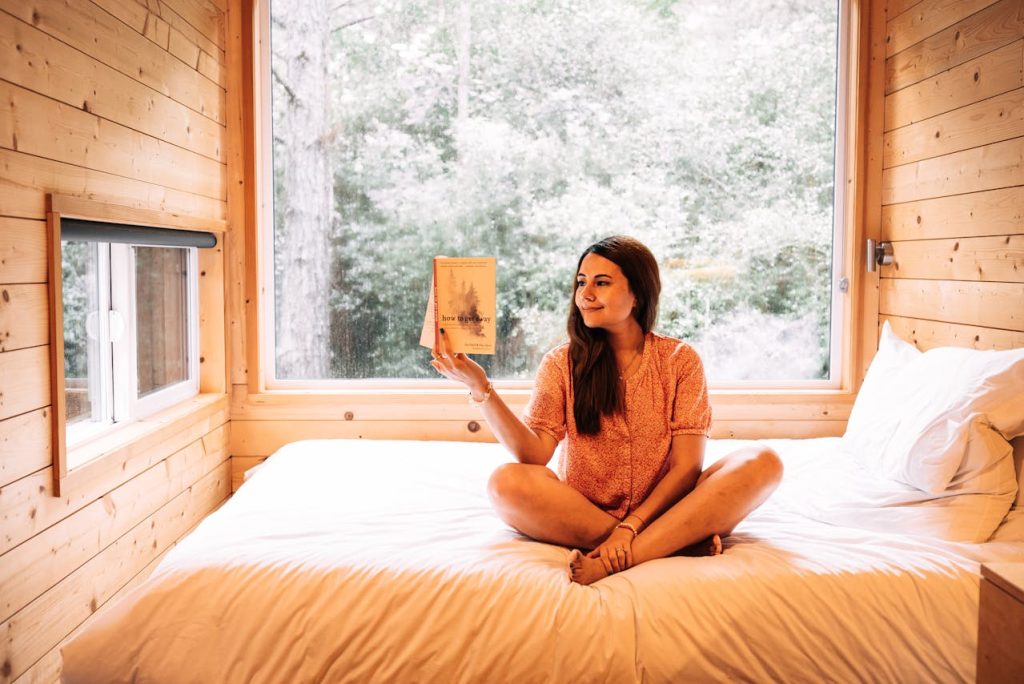
A cabin weekend can feel forgiving because it centers on slow routines rather than attractions, and it removes the pressure to be constantly productive. A short list of groceries, a few easy meals, and a stack of books can become the entire plan, with room for board games, journaling, or an afternoon nap. Nature offers optional activities like short hikes or lakeside walks, yet staying inside with music and a warm drink still counts, especially when rain or wind makes outdoors feel less inviting. Limited cell service can even feel like relief, not deprivation, when expectations stay low. The trip also works well with early nights and late mornings, which supports recovery, and a simple fire or candlelight can set the tone.
Try A Food-First Day Trip With One Reservation

A food-first day trip stays manageable when it revolves around one solid reservation and a flexible window around it, so everything else can stay optional. A favorite restaurant, a regional diner, or a market hall can become the anchor, and the rest of the time can be filled with wandering, local shops, or a park, with a dessert stop if energy stays high. The best trips keep the drive short and the plan simple, so the day does not hinge on perfect timing, and you can turn around early without feeling like you failed. If weather turns, the trip still holds because the meal remains the highlight, and indoor browsing can replace outdoor plans. One dependable plan can make the whole day feel like a treat, especially when you bring home leftovers or a small specialty item.
Visit A Botanical Garden And Take Long Walks

A botanical garden getaway offers a calm activity that naturally sets the pace, and it makes the day feel intentional without feeling strict. Paths provide gentle structure, benches invite breaks, and seasonal displays make each visit feel slightly different. Pairing the garden with long walks in a nearby park or historic neighborhood can create a full day without intense planning, and a single café stop can serve as a midpoint. The experience feels low pressure because time can stretch or shrink based on mood, and there is no single must-see moment. Even a brief visit can feel satisfying, especially when it includes a quiet lunch afterward. Nature-based itineraries often feel manageable because they reward simply showing up.
Pick A Low-Key City Neighborhood And Stay Put
Sometimes the easiest trip is choosing one neighborhood in a larger city and treating it like a small town, so the experience stays focused and easy to repeat. Checking into a hotel, finding a couple of coffee spots, and walking the same streets can create comfort quickly, and you start to notice small details like murals, stoops, and local routines. This approach avoids the pressure of crossing the city for famous sights and turns the trip into a routine change rather than a checklist, with fewer transit puzzles and less decision fatigue. A local market, a small gallery, and a calm dinner become enough, especially when the goal is to feel rested. If energy runs low, the hotel becomes part of the plan, not a failure, and a slow evening with takeout can still feel like a win.