9 Travel Ideas That Feel Manageable Because They Don’t Promise Much

Travel does not always need bold promises to feel worthwhile, especially during times when simplicity matters more than spectacle. Some trips work best when expectations remain modest, allowing places to reveal themselves gradually through routine moments. These journeys emphasize ease, familiarity, and manageable pacing rather than transformation. They often involve smaller destinations, shorter distances, or predictable rhythms that reduce pressure. Instead of chasing highlights, travelers settle into environments that support rest, observation, and everyday comfort. These travel ideas feel approachable because they prioritize steadiness, clarity, and realistic experiences, making movement feel supportive rather than demanding.
Revisiting A Familiar Nearby City

Returning to a familiar nearby city can feel surprisingly restorative because nothing needs to be proven. Familiar streets reduce navigation stress, while known landmarks create immediate orientation. The visit becomes about noticing subtle changes rather than covering ground. Meals happen without pressure to research endlessly, and days unfold at a natural pace. This kind of trip encourages walking, resting, and casual observation instead of scheduling. Because expectations remain low, small details gain importance. The experience feels manageable, grounded, and flexible, allowing travel to support routine and comfort rather than disruption, over time without creating unnecessary emotional or logistical strain.
Visiting A Quiet Coastal Town Off Season

Choosing a quiet coastal town in the off season removes urgency from travel decisions. Fewer visitors mean easier reservations, slower streets, and conversations that feel unforced and natural. Weather may feel cooler or changeable, yet that unpredictability encourages flexible days instead of rigid plans. Walks replace itineraries, and meals happen when hunger appears. Local businesses operate at a steadier pace, reflecting everyday rhythms rather than peak demand. Because nothing dramatic is promised, the experience feels manageable. The coast provides atmosphere without obligation, allowing rest, observation, and gentle routine to shape each day without creating pressure or expectation.
Staying In A Small Inland College Town

Staying in a small inland college town feels manageable because daily life already runs at a gentle pace. Streets remain walkable, cafes operate consistently, and cultural offerings exist without pressure. Academic calendars shape predictable rhythms, making it easy to sense how days unfold. Bookstores, libraries, and local theaters encourage quiet engagement rather than urgency. Lodging tends to be straightforward, and distances remain short. Because expectations stay modest, time feels flexible. The visit supports routine habits like morning walks and unhurried meals, creating a travel experience that feels supportive, familiar, and calm without requiring constant planning or emotional energy.
Taking A Short Train Trip Between Neighboring Cities
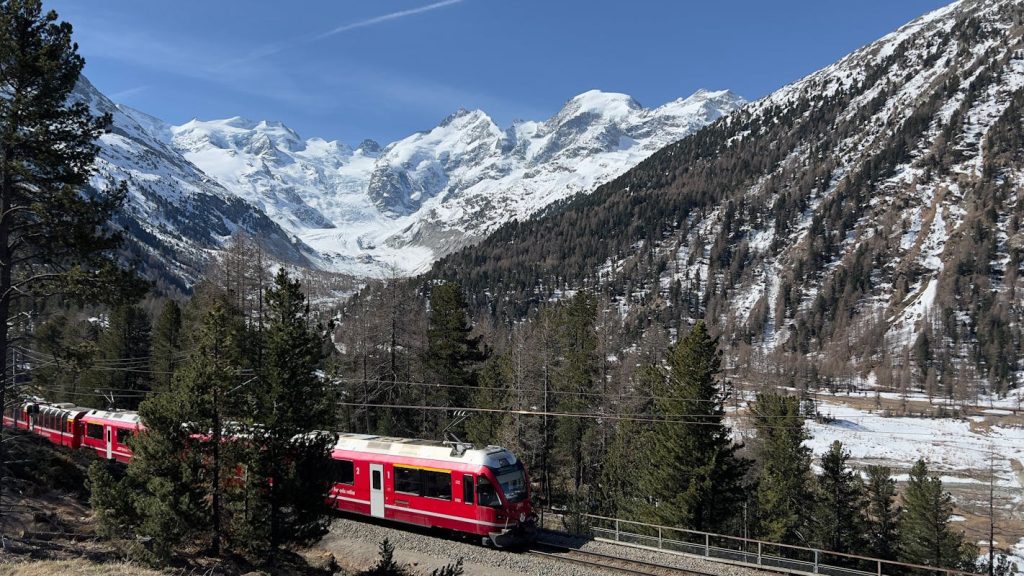
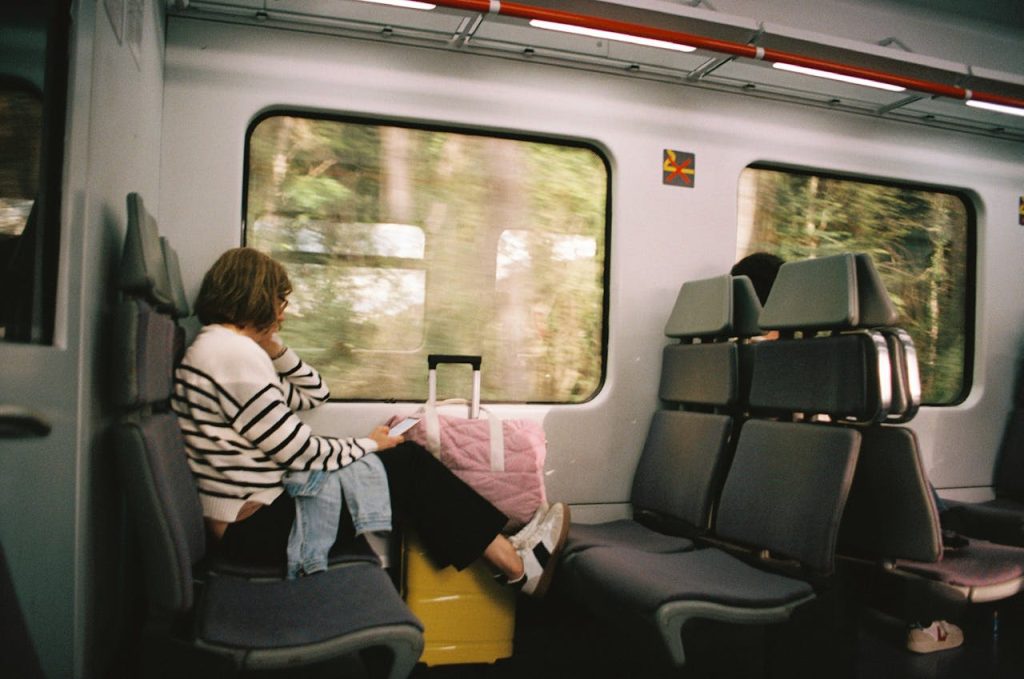
A short train trip between neighboring cities feels manageable because movement itself remains simple and contained. Schedules are predictable, packing stays minimal, and travel time allows rest instead of fatigue. Arriving by train places visitors directly into walkable areas, removing transportation stress. The destination feels close enough to understand quickly, yet different enough to refresh perspective. Days unfold without urgency, shaped by cafés, streets, and familiar urban patterns. Because the trip does not promise transformation, attention stays on small comforts. This approach supports flexibility, reduces decision making, and allows travel to feel calm, efficient, and quietly rewarding rather than demanding.
Spending Time In A Regional Historic Town

Spending time in a regional historic town feels manageable because daily life moves slowly and predictably. Streets reflect long established routines, and landmarks integrate naturally into everyday surroundings. Museums, cafes, and shops operate at a human pace, allowing visits without scheduling pressure. Lodging often sits close to main areas, reducing transit demands. The town’s history provides context without requiring deep study. Because expectations remain modest, attention shifts toward walking, resting, and observation. This kind of trip supports gentle engagement, offering structure through place while leaving room for personal rhythm and uncomplicated enjoyment throughout quiet, ordinary days.
Renting A Simple Cabin In A Familiar Region
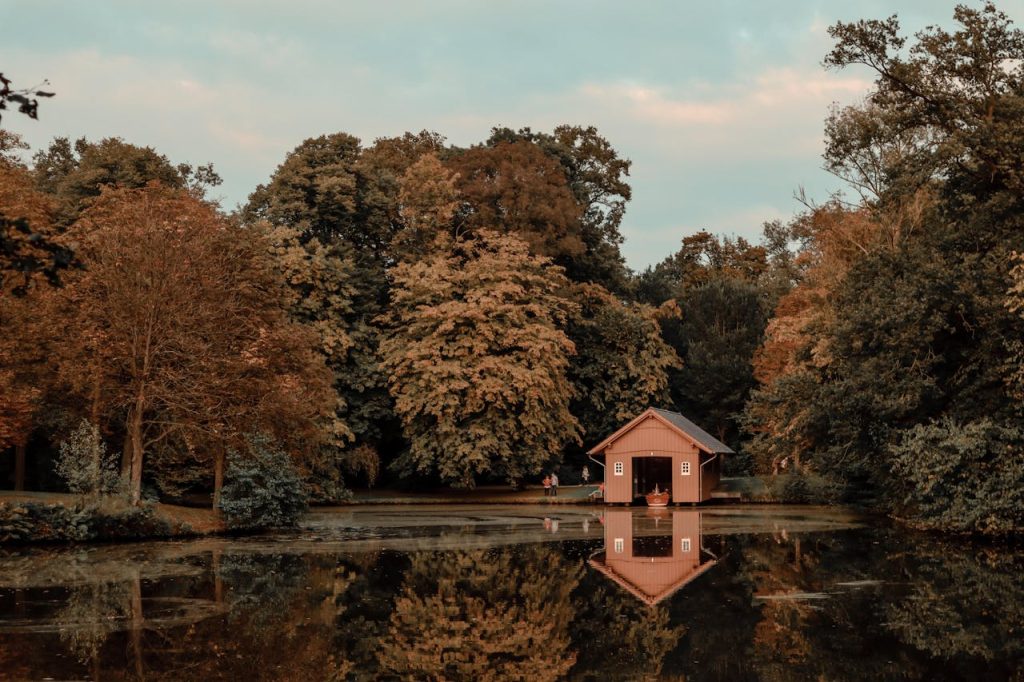
Renting a simple cabin in a familiar region feels manageable because the setting encourages routine rather than novelty. Days center on basic tasks like cooking, walking, and reading, reducing decision fatigue. The surroundings provide consistency without constant stimulation. Weather shapes activities naturally, setting an easy pace. Limited amenities simplify expectations, while quiet evenings support rest. Because the trip does not promise transformation, attention remains grounded. This kind of stay values repetition and comfort, allowing time to pass gently while reinforcing habits that feel restorative, stable, and realistically sustainable within a familiar, low pressure environment overall.
Choosing A Midweek Staycation Close To Home

Choosing a midweek staycation close to home feels manageable because daily structures remain intact. Familiar grocery stores, walking routes, and routines continue without interruption. Time away from work exists without travel logistics or cultural adjustment. Days can hold small variations while preserving normal patterns. This approach reduces planning stress and emotional demand. Rest comes from shifting focus, not location. Because expectations stay low, the experience feels supportive rather than performative. A staycation like this offers pause without disruption, allowing recovery, perspective, and comfort to develop naturally within ordinary surroundings during a predictable, manageable break period.
Booking A Familiar Chain Hotel In A New Place

Booking A Familiar Chain Hotel In A New Place feels manageable because expectations remain clear from the start. Standardized rooms remove guesswork, and predictable amenities support routine habits like rest, meals, and quiet evenings. Staff interactions follow familiar patterns, reducing emotional effort during arrival and departure. Exploring nearby neighborhoods becomes optional, not required. Because comfort comes built in, attention shifts toward simple observation rather than optimization. This approach allows travel without pressure, offering change of scenery while maintaining stability, making the experience accessible, calm, and easy to manage over short stays or brief escapes without overcommitment or stress.
Visiting Family In A Low Key Setting
Visiting Family In A Low Key Setting feels manageable because relationships already define the rhythm. Days follow shared routines, meals happen naturally, and conversations require little effort. Familiar surroundings reduce decision making, while expectations remain realistic. Travel focuses on presence rather than planning. Quiet time fits easily between obligations, allowing rest without explanation. Because the visit does not promise novelty, pressure stays low. The experience centers on connection, predictability, and continuity, making movement feel supportive instead of demanding during short visits or longer stays that blend seamlessly into everyday life without disruption, strain, or heightened expectations.