9 Travel Windows Families Prefer During the School Term

Family travel during the school term often requires careful timing rather than spontaneous planning. Many families look for windows that balance academic responsibilities with opportunities for rest, connection, and exploration. These periods tend to offer lower crowds, more availability, and calmer travel experiences compared to peak vacation seasons. Schools, work schedules, and seasonal rhythms all shape these preferences. Understanding when families choose to travel during the academic year reveals patterns driven by practicality rather than impulse. This article explores nine travel windows families often favor during the school term, highlighting why these specific periods feel manageable, rewarding, and easier to coordinate.
Early September After School Resumes

Early September is a favored travel window for families once schools reopen. Popular destinations feel quieter after summer crowds depart, yet weather often remains pleasant. Families with flexible attendance policies or short school breaks use this period. Accommodations and flights tend to be more available, reducing logistical pressure. Attractions operate at normal capacity without peak congestion. This window allows families to reset after summer while maintaining academic momentum. The timing supports shorter trips that feel refreshing rather than disruptive, making early September a practical choice for calm, cost aware family travel. Many families appreciate peaceful routines during this transition.
Mid October Fall Break Periods
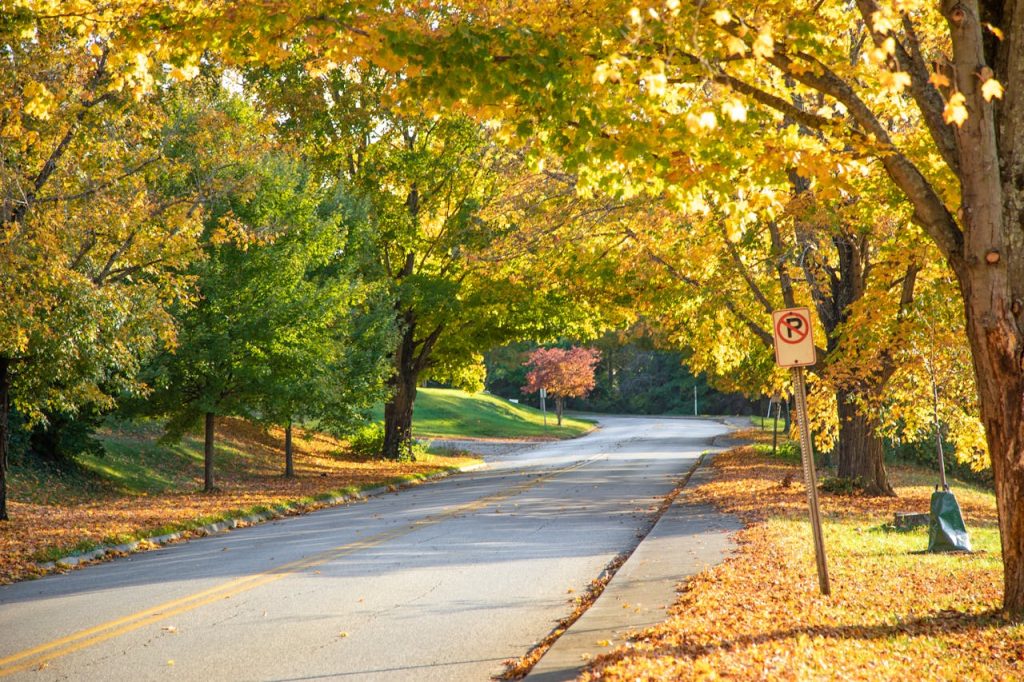
Mid October aligns with fall break schedules adopted by many school districts. Cooler temperatures and seasonal scenery enhance travel, especially in nature focused destinations. Crowds remain lighter than during major holidays, allowing families to explore comfortably. This window works well for regional trips that limit missed class time. Cultural festivals and autumn activities provide enrichment without overwhelming itineraries. Parents often appreciate the balance between learning continuity and rest. Mid October travel feels intentional, offering families a chance to reconnect while respecting school commitments and avoiding peak travel stress. The timing encourages presence, and meaningful seasonal experiences together.
Early November Before Thanksgiving

Early November provides a quiet travel window before Thanksgiving demand begins. Families use this time for short getaways or visits to nearby destinations. Travel costs and crowd levels remain moderate, and weather transitions encourage indoor attractions or mild outdoor activities. Schools typically remain in session, but brief absences are easier to manage than during longer holidays. This window suits families seeking calm experiences without holiday intensity. The period allows travel to feel restorative rather than rushed, supporting meaningful time together before the busy end of year season begins. This timing offers balance, affordability, and shared moments before holiday obligations accelerate significantly.
Late January After Winter Break

Late January appeals to families once winter break ends and routines stabilize. Travel demand drops sharply, creating peaceful conditions in many destinations. Ski areas, museums, and cities feel less crowded. Schools often have minimal academic disruption during this time. Weather may be cold, but predictability supports planning. Families value the contrast between holiday busyness and post break calm. Late January travel emphasizes simplicity and recovery, offering a quieter reset that fits well within the school term without competing with major events or extended absences. This timing supports reflection, affordability, and smoother transitions back into structured daily family life.
February Midwinter Breaks

February midwinter breaks appear in many school calendars, especially in colder regions. Families use this window to escape winter conditions or embrace them through seasonal activities. Travel remains manageable because break schedules vary by district. Destinations avoid peak congestion seen during spring or summer. This timing supports both short flights and drive trips. Educational travel also fits well here. February travel feels purposeful, offering relief from routine while respecting academic structure. The window allows families to recharge during a predictable pause in the school term. This break provides mental reset, shared experiences, and renewed focus before academic demands increase again.
Early March Before Spring Break Rush
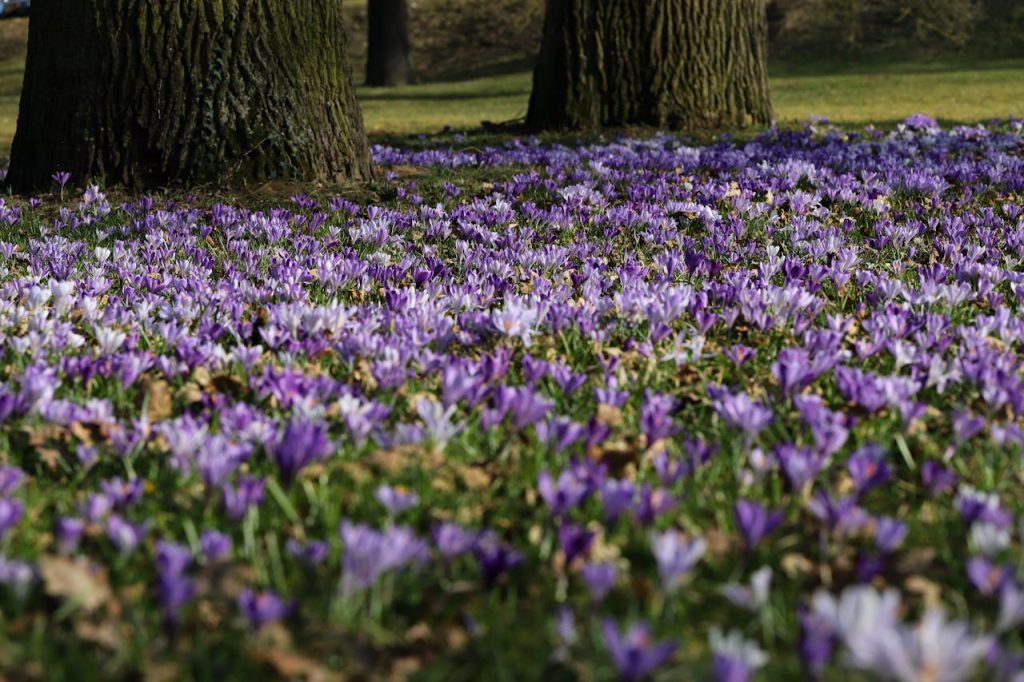
Early March sits just ahead of widespread spring break travel. Families who can travel during this window benefit from lower prices and calmer conditions. Weather improves in many regions, expanding destination options. Schools remain active, but brief trips create minimal disruption. Attractions operate fully without peak demand. Parents often prefer this timing to avoid crowds associated with later March. Early March travel feels strategic, providing spring renewal without the logistical challenges of peak season family travel. This window supports flexibility, savings, and experiences before schedules intensify. Planning feels simpler and calmer overall. Families enjoy balance, affordability, and ease during transitional travel period.
Late April Shoulder Season

Late April functions as a shoulder season between spring break and summer. Families often travel during this period to take advantage of mild weather and reduced crowds. Schools approach the end of the academic year, making short absences easier to plan. Nature destinations begin reopening, while cities feel less hectic. Travel costs stabilize after spring peaks. Late April supports relaxed itineraries that balance exploration and rest. Families appreciate the sense of openness this window offers before schedules tighten again. This timing encourages flexibility, calm transitions, and memorable experiences without competing demands or heightened seasonal pressure. It provides breathing room for families before summer intensity returns.
Early May Before School Year Ends

Early May attracts families seeking one last trip before end of year commitments intensify. Weather remains favorable in many destinations, and tourist traffic stays moderate. Schools often focus on wrap up activities, allowing flexibility for short travel. Families value the calm before graduations, exams, and summer planning. This window works well for cultural or outdoor trips that do not require extensive preparation. Early May travel feels measured and rewarding, fitting naturally into the school term without adding unnecessary pressure. This timing offers balance, closure, and shared moments before schedules accelerate and responsibilities peak nationwide. Families appreciate ending the school year with calm, meaningful travel.
Early December Before Holiday Break

Early December provides a quieter alternative to late December holiday travel. Families traveling during this time avoid peak crowds and inflated costs. Seasonal decor and events begin, offering festive atmosphere without intensity. Schools remain in session, but short trips can be managed. Weather conditions are predictable in many destinations. Families often use this window for nearby getaways or visits that emphasize togetherness over spectacle. Early December travel feels intentional and calm, allowing families to enjoy seasonal experiences before schedules become crowded. This timing supports reflection, affordability, and relaxed routines before year end demands accelerate nationwide families.