9 Treehouse Treks Treed With Termite Terrors

Structural engineers and entomologists frequently warn that the allure of sleeping or hiking within the forest canopy comes with a significant, invisible risk. In tropical environments where heat and humidity accelerate organic decay, wooden structures face a constant siege from xylophagous insects. Termites serve as the primary decomposers in these ecosystems and view the supporting beams of treehouses and canopy walkways as an abundant food source.
Forestry safety inspectors emphasize that the structural integrity of elevated wooden paths can be compromised long before external damage becomes visible to the untrained eye. These pests consume cellulose from the inside out and leave a hollow shell that can snap under the weight of hikers. Understanding the perpetual battle between maintenance crews and these relentless insects highlights the engineering challenges required to keep these popular aerial attractions safe for visitors.
The Gibbon Experience In Laos
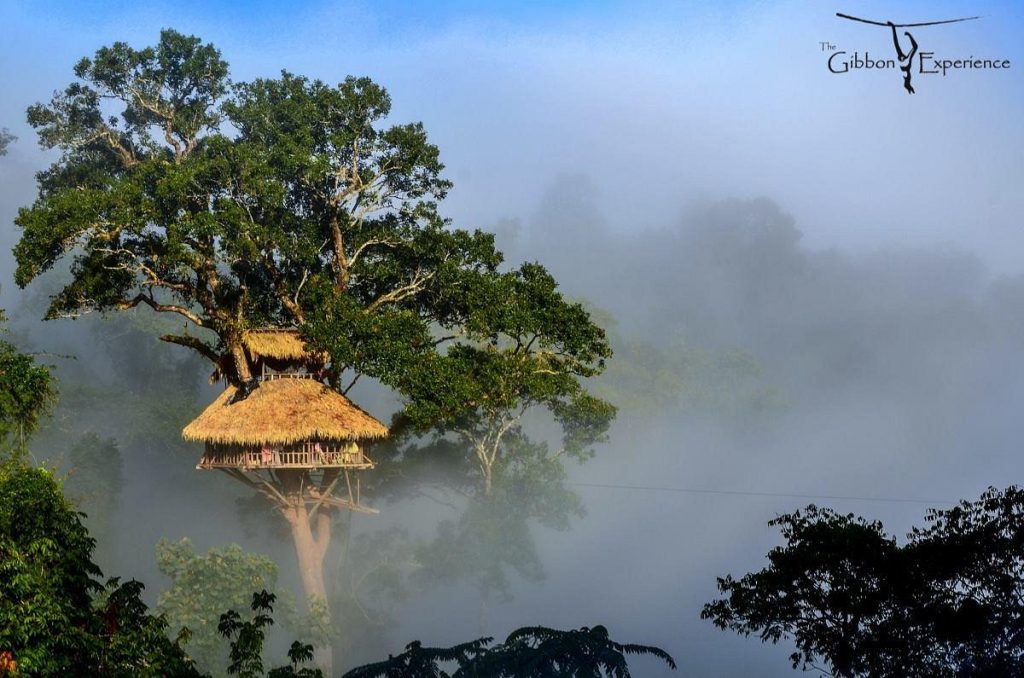
Civil engineers working in Southeast Asian ecotourism note that the humid jungle environment of the Bokeo Nature Reserve creates ideal breeding conditions for subterranean and drywood termites. The famous treehouses here are perched high in the canopy and connected by zip lines which makes regular maintenance inspections logistically difficult. Pest control experts explain that the local softwoods used in some construction elements are particularly susceptible to infestation requiring constant replacement to prevent catastrophic failure.
Safety consultants point out that the isolation of these treehouses means that structural repairs must be carried out manually without heavy machinery. This limitation often leads to a cycle where the insects degrade the wood faster than crews can fortify it. Visitors are suspended hundreds of feet above the ground in structures that are essentially fighting a daily war against rapid biological decomposition.
Kakum National Park Canopy Walkway In Ghana
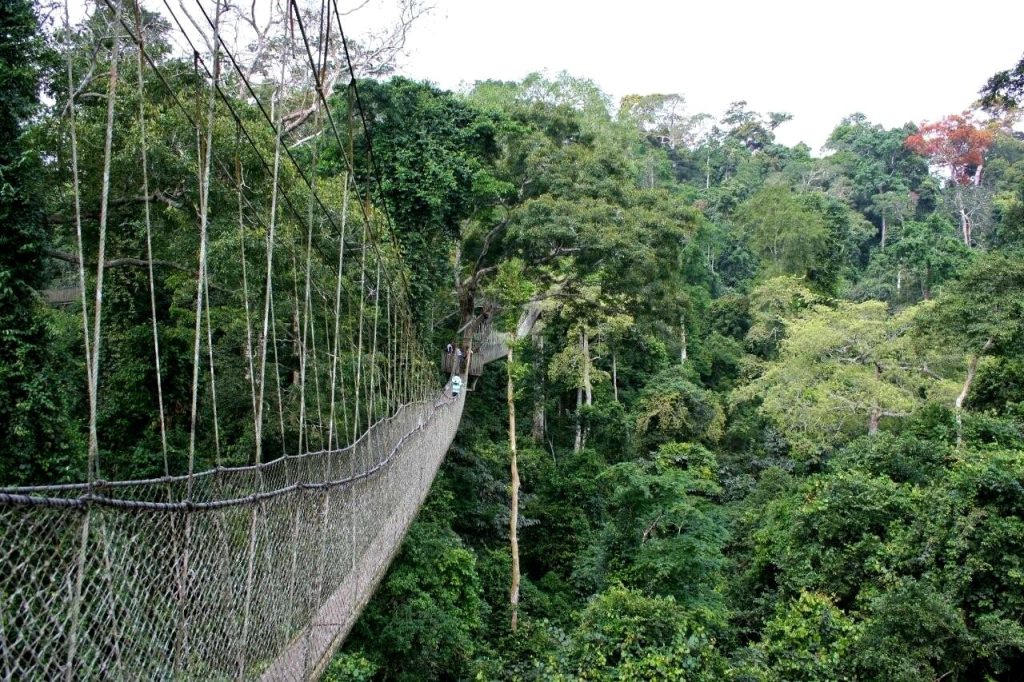
Park rangers and conservation officials in Ghana identify the maintenance of this famous seven-bridge system as a continuous struggle against the elements and insect activity. While the main cables are steel, the wooden planks and netting supports are vulnerable to the aggressive termite species native to the Central Region. Forestry researchers explain that the high moisture content of the rainforest softens the timber which allows termites to bypass natural wood defenses and compromise the decking.
Maintenance teams conduct rigorous daily checks to identify the distinctive mud tubes and frass that indicate termite activity. Structural engineers emphasize that even treated wood eventually succumbs to the relentless appetite of the colony in such a biodiversity hotspot. The safety of the trek relies entirely on the speed at which compromised sections are identified and swapped out for fresh lumber.
Amazon Research Center Canopy Walkway In Peru
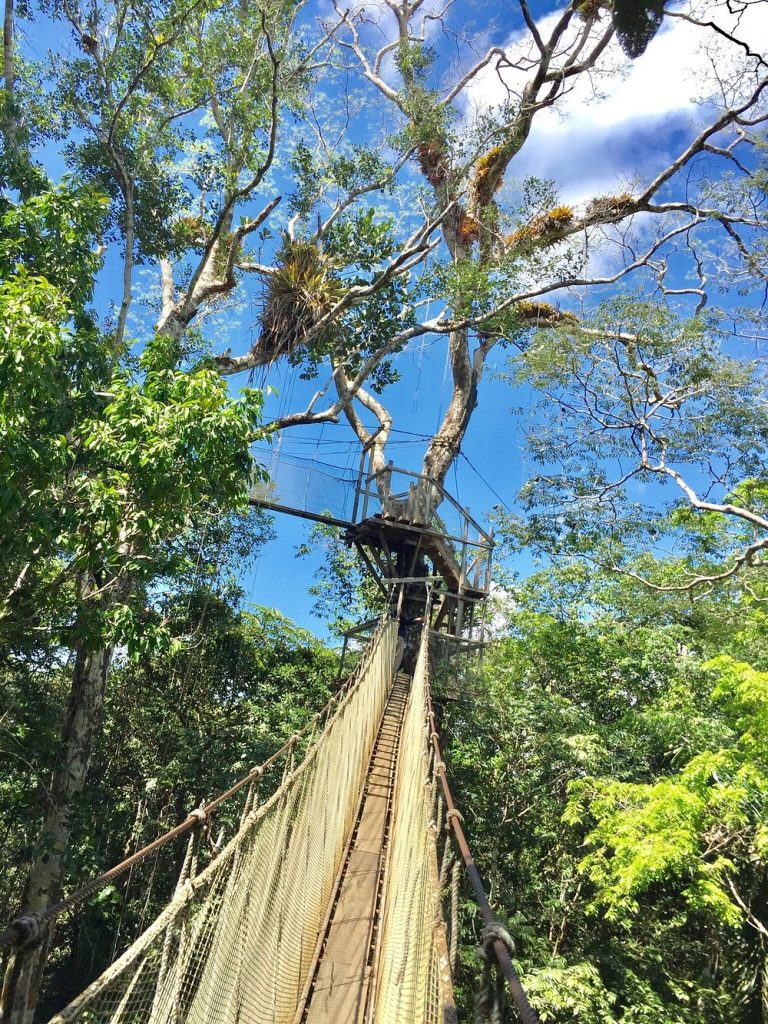
Entomologists studying the Peruvian Amazon highlight that this region boasts one of the highest densities of termite species on the planet. The canopy walkway serves as a critical research tool but also represents a massive influx of cellulose into the upper levels of the forest. Biologists note that termites here are adept at scaling trees to reach the wooden platforms where they establish satellite colonies that weaken the connections between the walkway and the host trees.
Construction specialists utilizing ironwood for these structures admit that while the material is dense, it is not impervious to specialized termite mandibles over time. The constant humidity ensures that the wood remains pliable enough for insects to penetrate. Researchers working on the platforms often document the rapid rate at which local fauna attempts to reclaim the man-made structure back into the nutrient cycle of the forest floor.
Taman Negara Canopy Walkway In Malaysia
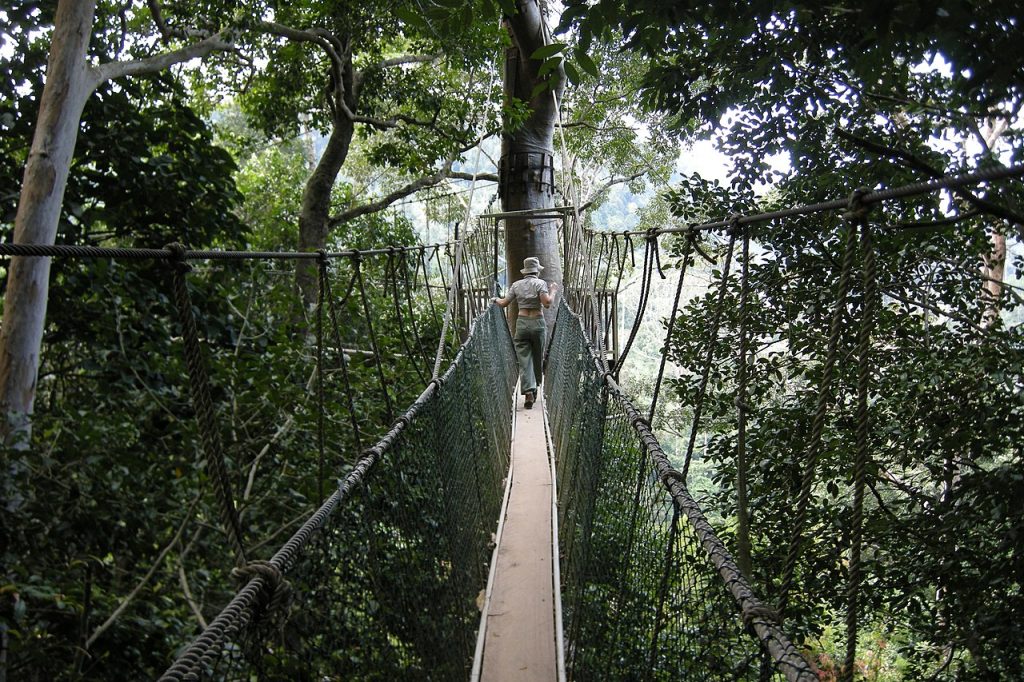
Forestry department officials in Malaysia manage one of the longest canopy walkways in the world within an ancient rainforest ecosystem. The age of the forest means that termite colonies are established and massive with networks that extend high into the dipterocarp trees. Arborists warn that the trees supporting the walkway are themselves subject to hollows created by termites which can affect the stability of the anchor points.
The walkway requires frequent closures for maintenance as the wooden ladders and platforms degrade. Tourism safety inspectors note that the tropical climate accelerates the breakdown of chemical treatments used to protect the wood. This necessitates a labor-intensive strategy of visual inspection and physical testing to ensure the wood has not been hollowed out by the millions of insects foraging nearby.
Valley Of The Giants In Australia
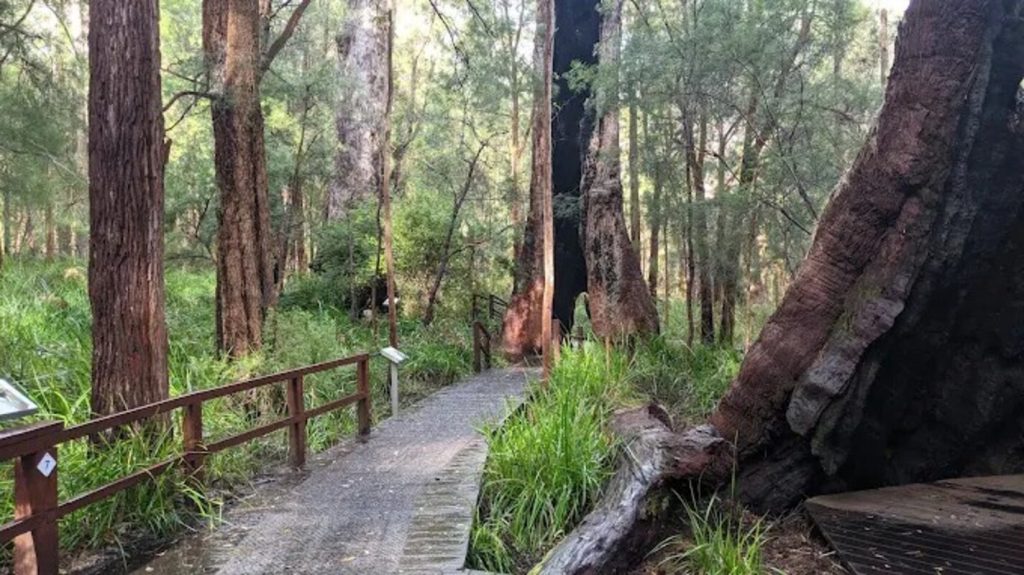
Arborists and landscape architects in Western Australia cite the famous Tingle trees as a prime example of nature utilizing termites for structural engineering. The Tree Top Walk was specifically designed with steel trusses to avoid relying on the trees themselves because Red Tingle trees are often completely hollowed out by termites and fire. Plant pathologists explain that while the trees survive this hollowing, they lack the internal strength to support bolted wooden structures.
The ground-level boardwalks that wind through the Ancient Empire Walk face the direct threat of subterranean termites. Maintenance crews must maintain a barrier between the soil and the timber to prevent the insects from consuming the walkway. The entire site serves as a testament to the power of termites to shape the forest and the necessity of using non-organic materials to allow humans to visit safely.
Ulu Temburong National Park In Brunei
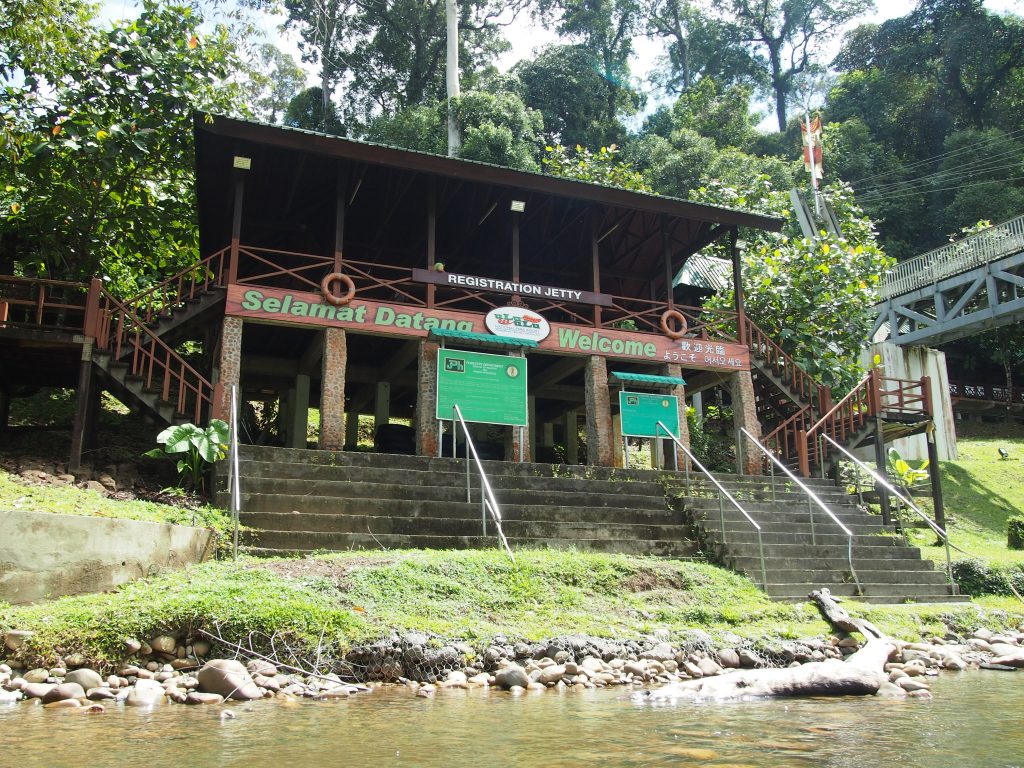
Civil engineers and park planners in Brunei shifted from traditional wood construction to aluminum and steel towers specifically to combat the termite threat. Historical data from earlier wooden structures in the park showed that the rapid rate of decay made them unsustainable and unsafe for tourism. Materials scientists note that the humidity in Brunei combined with fungal activity creates a synergistic effect that allows termites to devour wooden structures in months rather than years.
The canopy walk now stands as a metal spire rising from the jungle but the approach trails still utilize wooden sections that require vigilance. Park staff report that fallen trees often damage the lower sections and introduce termite populations to the boardwalks. The stark contrast between the steel towers and the decaying forest floor highlights the incompatibility of permanent wooden structures in this insect-dominated domain.
Khao Sok National Park Treehouses In Thailand
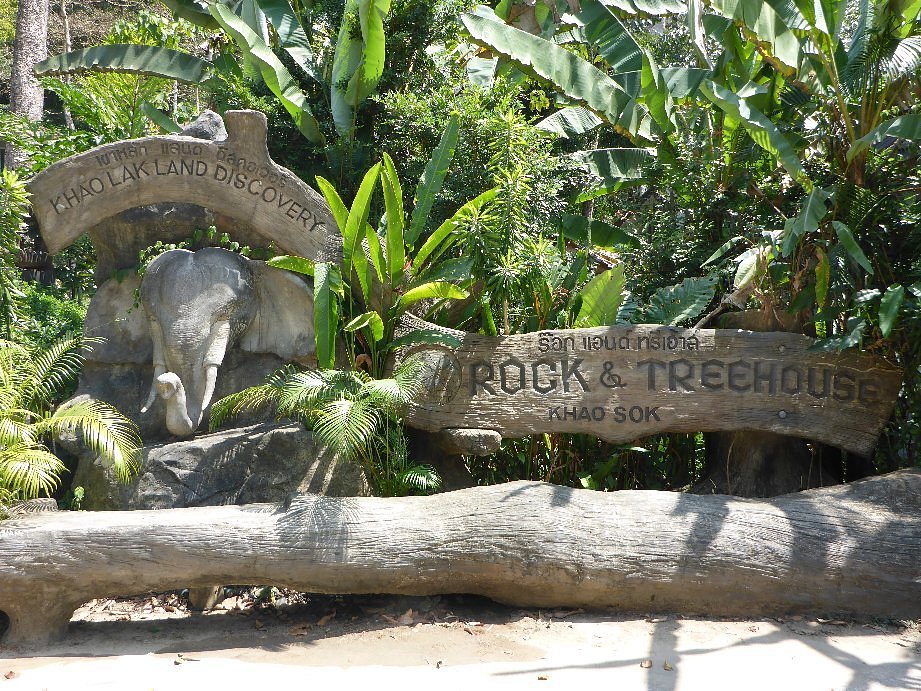
Hospitality owners and pest control specialists in Southern Thailand struggle constantly with the maintenance of bamboo and wood bungalows. The native bamboo borers and termites view the natural building materials as a buffet. Structural engineers warn that bamboo, while strong, loses its integrity rapidly once the inner fibers are compromised by insects.
The elevated nature of these jungle stays adds a layer of risk as support stilts are often driven directly into the damp soil. Construction experts advise that without concrete footings the termites have a direct highway into the living quarters. Travelers are often sleeping atop structures that are in a constant state of being reinforced against the voracious appetite of the local insect population.
Danum Valley Canopy Walk In Borneo
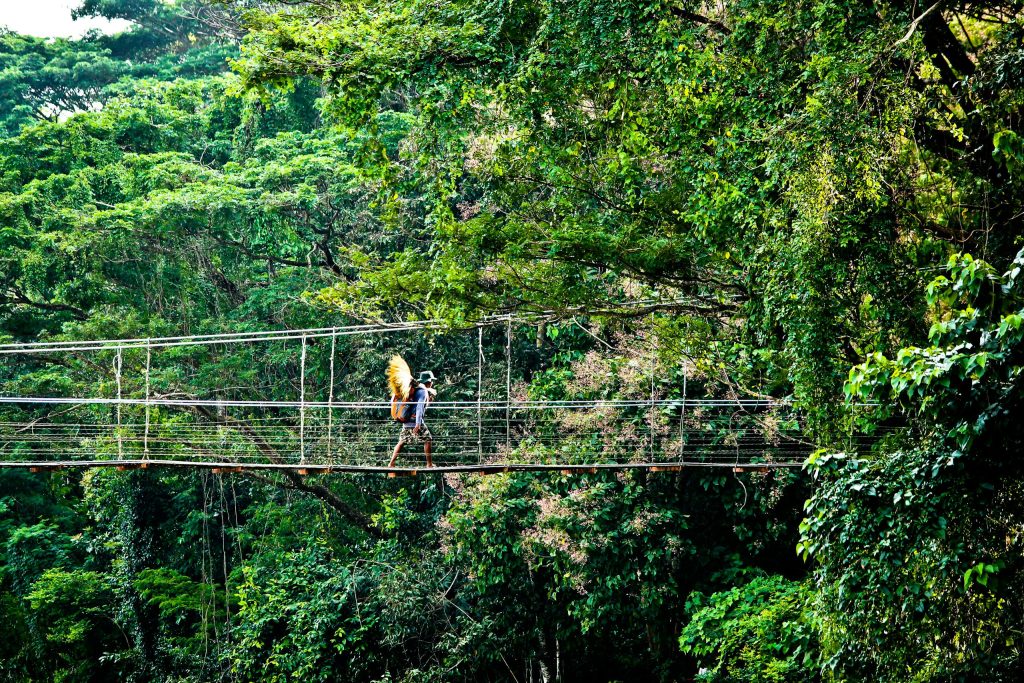
Rainforest ecologists in Sabah utilize the Danum Valley walkway to study the complex interactions of the dipterocarp forest. They observe that the high humidity promotes fungal growth which pre-digests wood for termites. Research papers from the center detail how the decomposition rate in this valley is among the fastest in the world which poses a significant challenge for any permanent infrastructure.
The walkway relies on sturdy trees for support but the connecting planks are subject to intense biological pressure. Safety officers employ a rigorous schedule of board replacement to outpace the decay. The trek offers a firsthand look at the efficiency of termites as recyclers but requires a massive human effort to keep the path secure for researchers and eco-tourists.
Monteverde Cloud Forest Reserve In Costa Rica
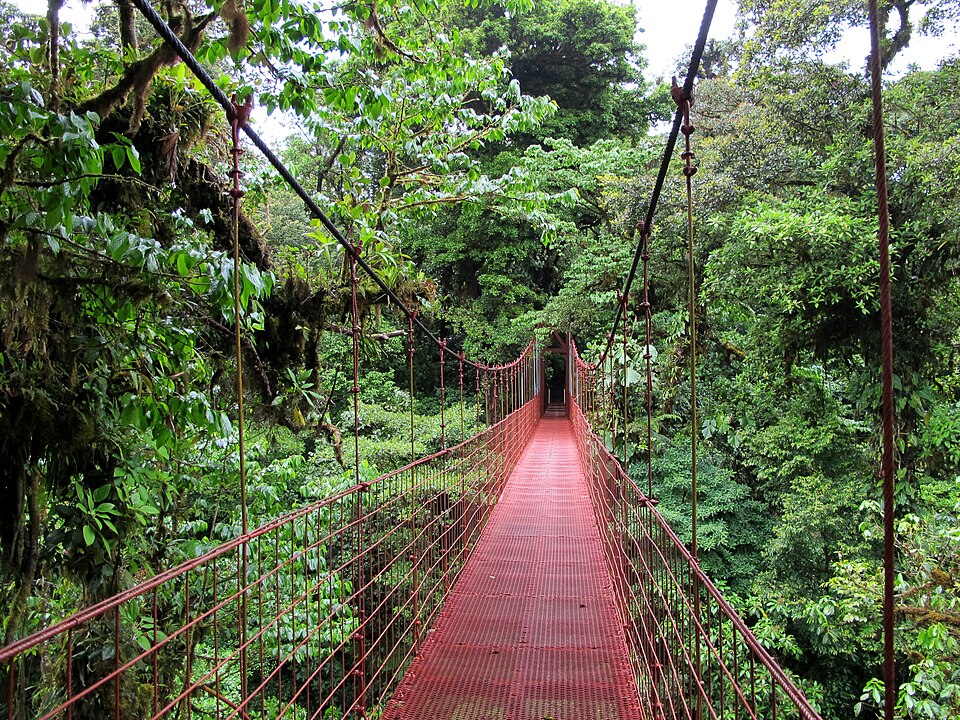
Integrated pest management specialists in Costa Rica emphasize that the cloud forest environment creates a unique challenge for wood preservation. The constant mist and cloud cover keep wood perpetually wet which leaches out protective treatments and invites termite infestation. Ecologists note that the biodiversity of the reserve includes wood-boring beetles that work in tandem with termites to compromise railings and floorboards.
The suspension bridges here have largely transitioned to metal grating to mitigate this risk but the connecting trails and older observation decks remain vulnerable. Park maintenance directors allocate significant budgets to monitoring these wooden elements. The battle against the insects is visible in the patchwork repairs found along the quieter sections of the reserve trails where nature relentlessly tries to dismantle human encroachments.