9 Trips That Avoid Seasonal Pressure
Travel often feels rushed when destinations are shaped around peak seasons, crowded calendars, and limited availability. Some trips, however, naturally avoid that pressure by operating outside narrow windows or by spreading visitors evenly throughout the year. These experiences rely on geography, climate stability, or local routines that do not depend on brief seasonal demand. The result is travel that feels calmer, more flexible, and less constrained by timing. Such trips allow slower planning, easier movement, and deeper observation of daily life. Each of these destinations offers rewarding experiences without relying on fleeting seasons or high demand cycles. These qualities encourage thoughtful, unrushed exploration.
Coastal California Road Trip
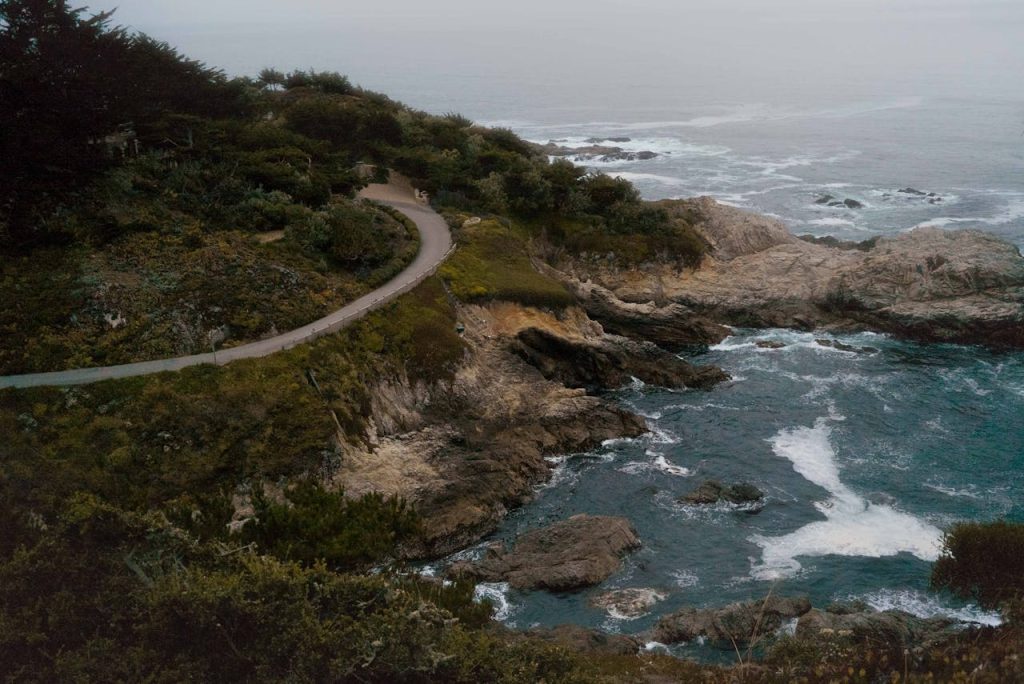
A coastal California road trip avoids seasonal pressure because mild weather remains consistent throughout much of the year. Highway One stretches through towns that function year round rather than closing after peak months. Coastal fog, ocean breezes, and moderate temperatures prevent extreme seasonal shifts. Restaurants, viewpoints, and parks serve local communities alongside visitors, keeping operations steady. Whale migration varies by season, but scenery remains constant. Flexible pacing allows stops without reservations or rigid schedules. This trip works in winter, spring, or fall without losing appeal, making it a reliable option for travelers seeking flexibility and reduced crowd intensity.
New Mexico Cultural Loop
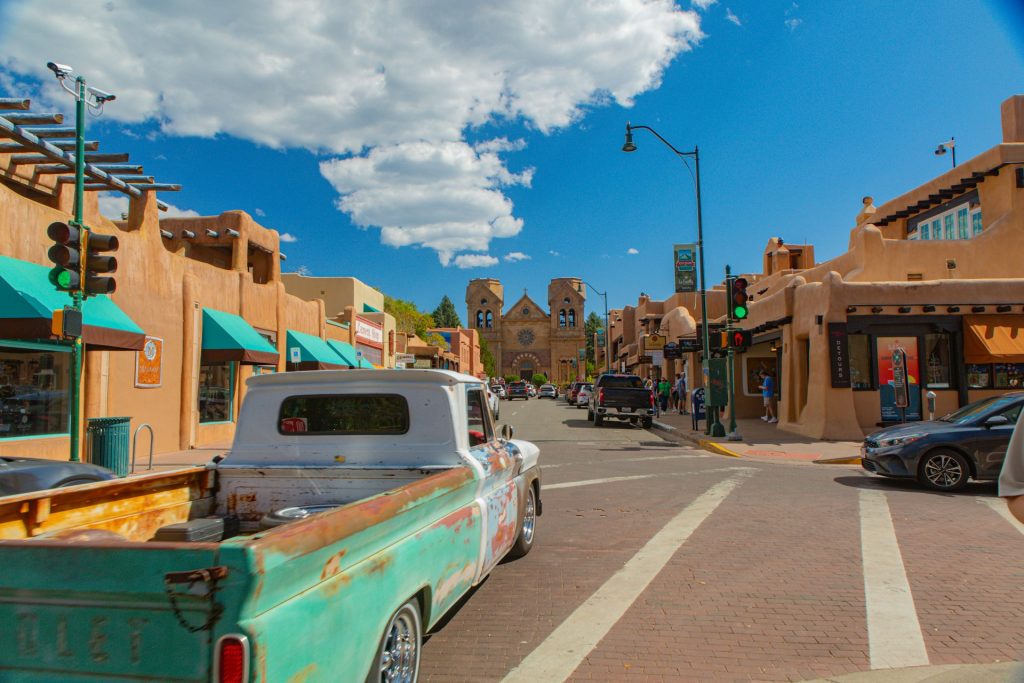
A New Mexico cultural loop avoids seasonal pressure due to its broad elevation range and year round cultural activity. Many cities like Santa Fe and Albuquerque supports local life beyond tourism cycles. Places like museums, historic plazas, and Indigenous communities operate steadily throughout the year. Weather varies by region, but dry conditions reduce disruptions. Festivals occur regularly, yet travel does not depend on specific dates. Scenic drives, adobe architecture, and regional cuisine remain accessible across seasons. This type of trip allows travelers to adjust timing easily while still engaging deeply with history, art, and landscape without competing with narrow peak demand periods.
Portugal Inland Villages
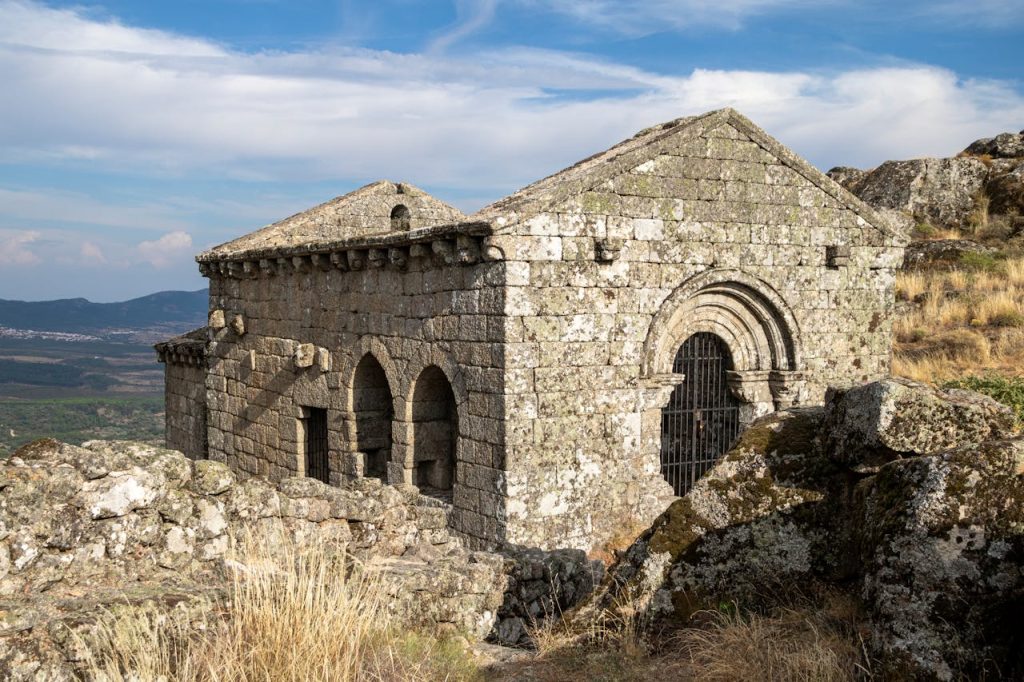
Portugal’s inland villages avoid seasonal pressure because daily life continues largely unchanged throughout the year. Unlike coastal resorts, these regions do not rely on summer tourism for activity. Vineyards, farms, and town markets operate on local schedules. Mild winters and warm summers keep travel manageable across seasons. Small museums, churches, and cafes serve residents first. Roads remain accessible, and accommodations do not fluctuate dramatically in price or availability. Visiting inland regions offers consistent experiences regardless of month, allowing slower exploration and genuine interaction without navigating high season congestion or closures tied to tourism focused coastal cycles.
Japan Regional Rail Travel
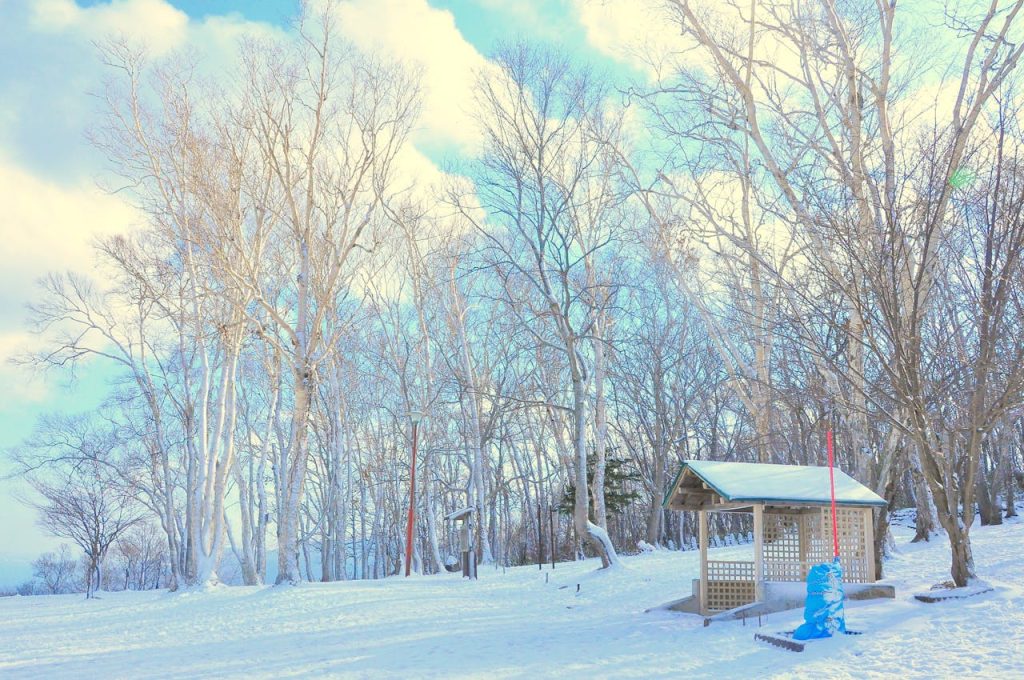
Regional rail travel in Japan avoids seasonal pressure by connecting working towns rather than resort hubs. Local trains operate on fixed schedules year round, supporting commuters and residents. Rural areas, small cities, and regional centers maintain consistent routines outside major holiday periods. While cherry blossom season draws crowds to specific sites, everyday neighborhoods remain steady. Local restaurants, shops, and inns depend on regular clientele. Scenic views change subtly with seasons, but accessibility remains constant. Traveling by regional rail encourages flexibility, allowing itinerary adjustments without reliance on narrow seasonal windows or competition for limited accommodations or transportation.
Canadian Prairie Cities
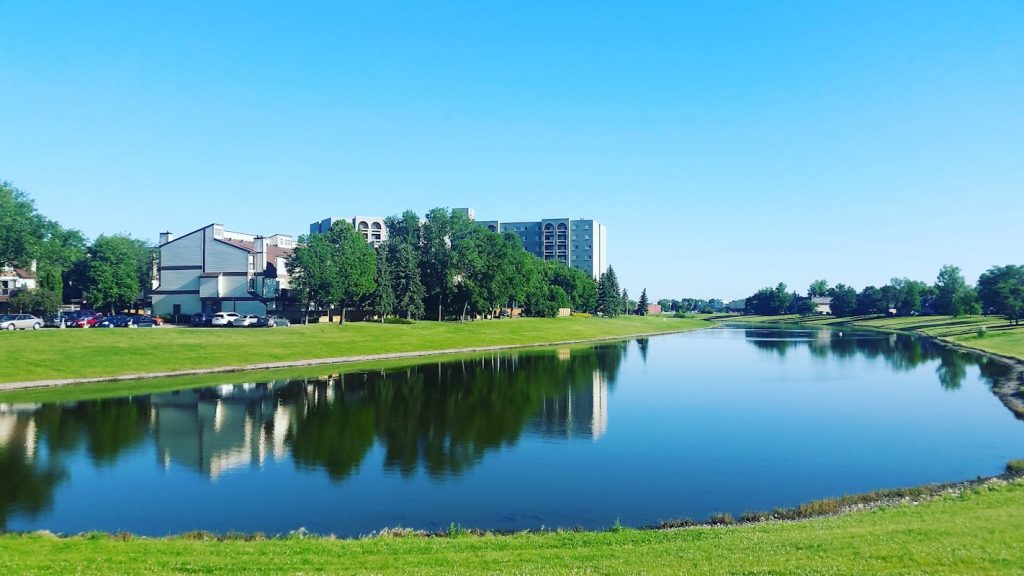
Canadian prairie cities avoid seasonal pressure because they function independently of tourism driven cycles. Cities like Winnipeg, Regina, and Saskatoon maintain steady cultural, educational, and civic activity year round. While winters are cold, infrastructure supports daily life consistently. Museums, galleries, and local events operate on predictable schedules. Summer brings warmth but not overwhelming tourism. Travel costs and availability remain stable outside brief holiday periods. These cities offer a grounded experience shaped by community rhythms rather than visitor demand, making them suitable for trips planned around personal schedules rather than seasonal peaks or festival calendars.
Northern Thailand Slow Travel
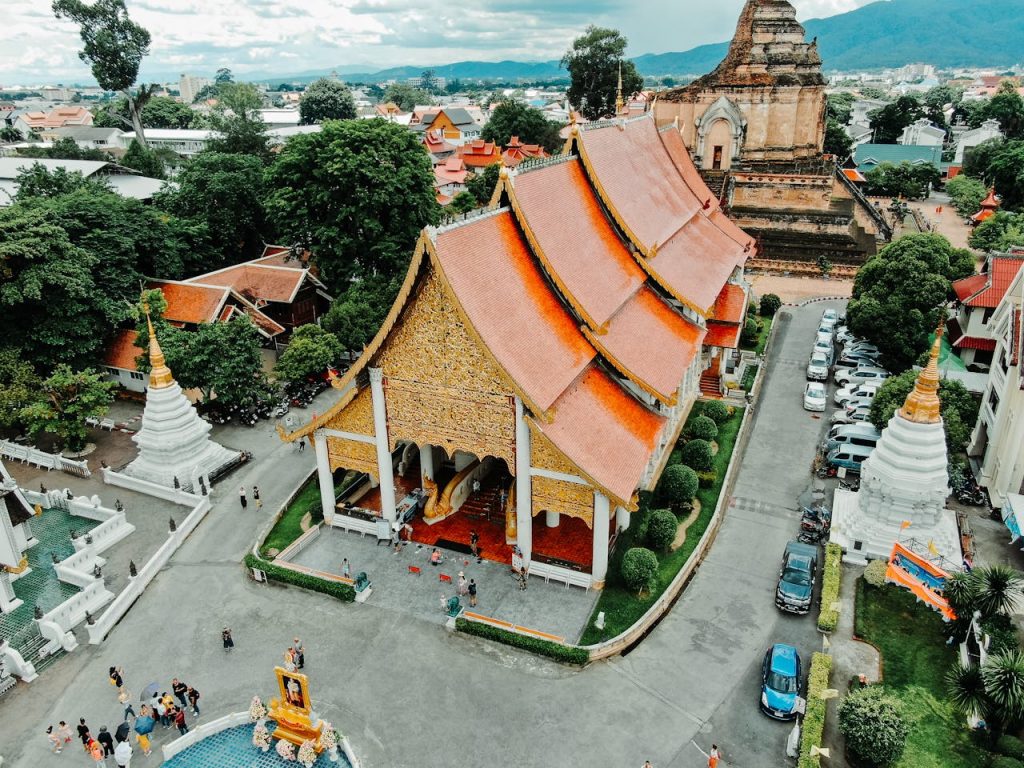
Northern Thailand supports slow travel that avoids seasonal pressure due to its extended dry season and year round local activity. Cities like Chiang Mai function as regional centers with universities, markets, and neighborhoods serving residents daily. While monsoon rains affect certain months, travel remains feasible and quieter. Temples, craft communities, and food markets operate continuously. Agricultural cycles shape landscapes without limiting access. Accommodation availability remains broad outside short holiday spikes. This type of trip allows flexibility in timing and pacing, reducing urgency while encouraging immersion in daily routines and cultural practices that continue regardless of visitor volume.
Eastern Turkey Cultural Route

An eastern Turkey cultural route avoids seasonal pressure because it centers on working cities rather than resort destinations. Many towns like Erzurum or Van maintain steady life through education, trade, and agriculture. Historic sites, mosques, and markets remain accessible throughout the year. Weather also varies here, but infrastructure supports year round movement. Tourism remains secondary to local needs, preventing dramatic seasonal swings. Cultural traditions follow long established calendars not designed for visitors. Traveling this route allows observation of daily life without crowd surges, offering a stable experience shaped by geography and history rather than tourism demand.
South Island New Zealand Road Travel
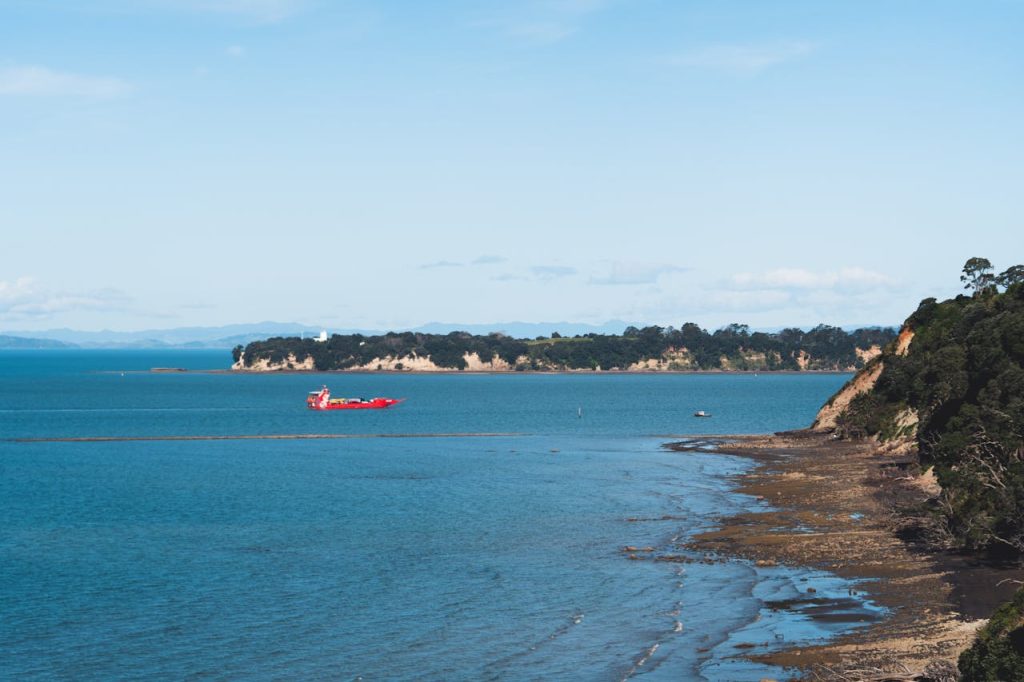
South Island road travel in New Zealand avoids seasonal pressure due to dispersed attractions and low population density. While summer sees increased visitation, many regions remain uncrowded year round. Weather patterns vary by region, allowing alternative routes and timing. Small towns operate independently of tourism peaks, supporting farming and local services. Scenic landscapes remain accessible across seasons, from alpine areas to coastal roads. Accommodation supply spreads across regions rather than concentrating demand. This flexibility enables travel planning without strict seasonal dependence, offering consistent access to nature and communities without intense competition or limited availability.
Uruguay Coastal And Inland Mix
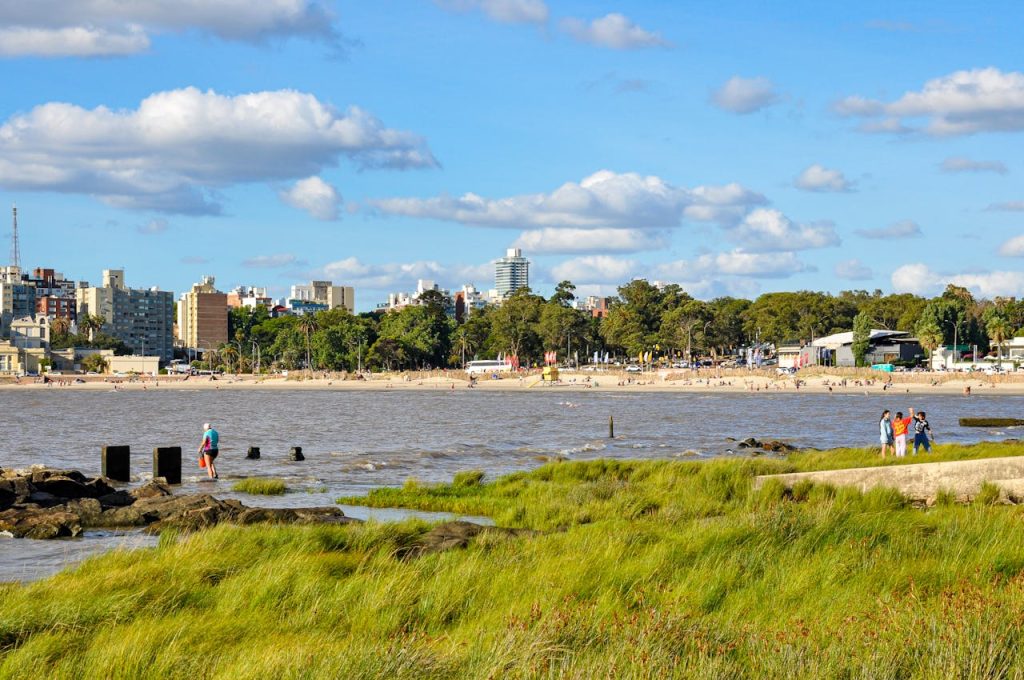
Travelling to Uruguay offers trips that avoid seasonal pressure by balancing coastal and inland experiences. While beach towns peak briefly in summer, inland cities and countryside remain steady year round. Montevideo functions as a working capital with consistent cultural life. Rural estancias, wineries, and historic towns operate on local schedules. Mild climate reduces seasonal extremes. Travel between regions allows adjustments based on timing without sacrificing experience. This mix provides flexibility and continuity, enabling exploration beyond short peak windows while maintaining access to food culture, history, and landscapes shaped by everyday life rather than tourism cycles.