9 Trips That Feel Honest About Crime, Surveillance, and Unease
Some trips feel carefully curated, but others leave the seams visible. In cities shaped by monitoring, street crime, or divided histories, travel becomes slower and more alert. Locals share small habits that keep days smooth: which stations stay busiest, when to take a licensed cab, and how public space is managed by cameras, lighting, and design. Handled well, the experience is not about fear. It is a chance to understand how people protect ordinary life while carrying memory in plain sight. The best days end with deeper respect for local rules and a quieter sense of what safety actually costs.
Berlin’s Stasi Museum And The Texture Of Being Watched
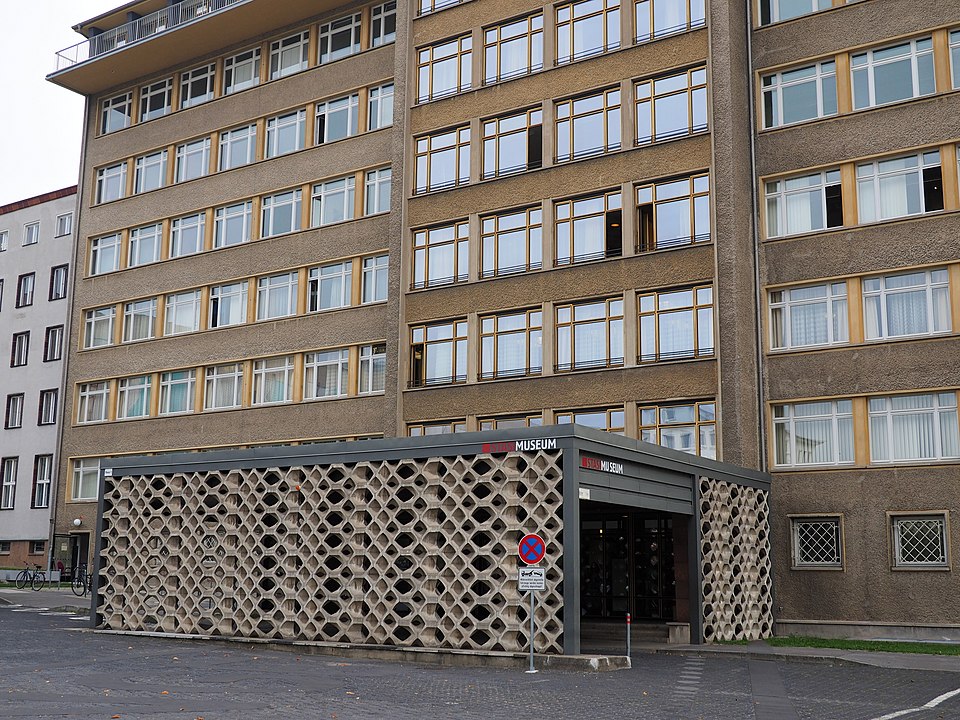
Berlin can feel relaxed on the surface, which is why the Stasi Museum lands with such force. Inside the former East German state security headquarters, preserved offices, wall maps, and case files show how observation ran like office work, with procedures for recording voices, tracking movement, and recruiting informants. Later, even ordinary moments, a tram ride, a lobby camera, a casual question, carry extra meaning, because the trip shows how surveillance can be quiet, administrative, and built to linger for decades, and it leaves a sharper respect for privacy and trust in the city’s public life.
Belfast’s Murals, Peace Gates, And Two Versions Of The Same Street
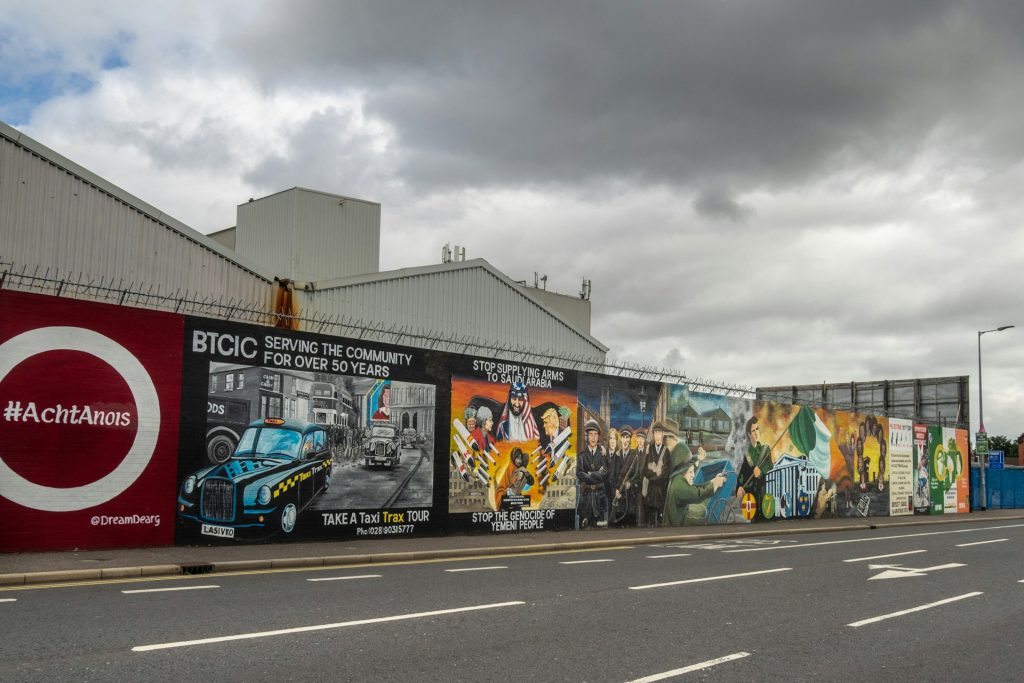
Belfast is candid because memory is still mapped onto neighborhoods, not filed away, and it shapes small choices in real time. A Black Taxi tour through West Belfast, including the Falls and Shankill corridors, moves between murals, memorials, and peace gates, with guides explaining why certain symbols matter and how daily life adapted around lines that once felt permanent. The unease is subtle: a street can shift in tone in a few blocks, and the trip asks for care with language, timing, and photographs, while also showing how humor and hospitality keep moving alongside caution, especially after dark or on match days.
Mexico City’s Camera Poles And A City That Moves On Record
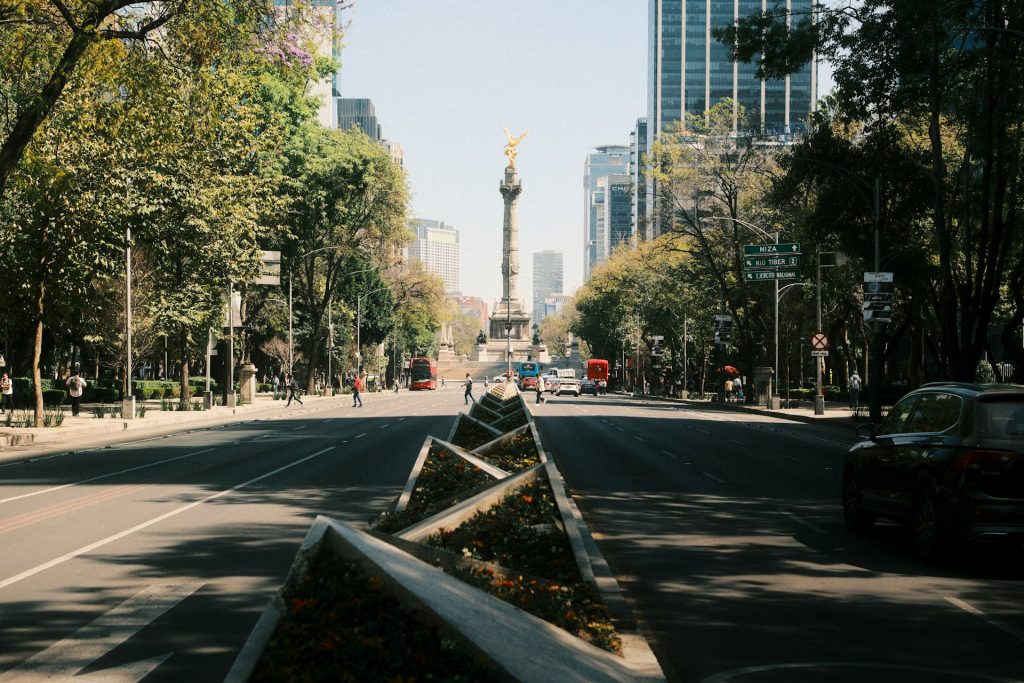
Mexico City wears its security infrastructure in plain sight, and that visibility becomes part of the story, for better and for worse. Busy avenues and transit hubs are lined with public cameras, patrols, and signage that signals where help can be found, while locals trade practical advice about licensed taxis, neighborhood boundaries, and late-night routes. The trip feels honest because it holds two truths at once: many residents want faster response and safer commutes, yet constant monitoring can also feel like a quiet tax on privacy, especially when rules are unclear or accountability feels distant.
Johannesburg’s Constitution Hill And The Architecture Of Rights
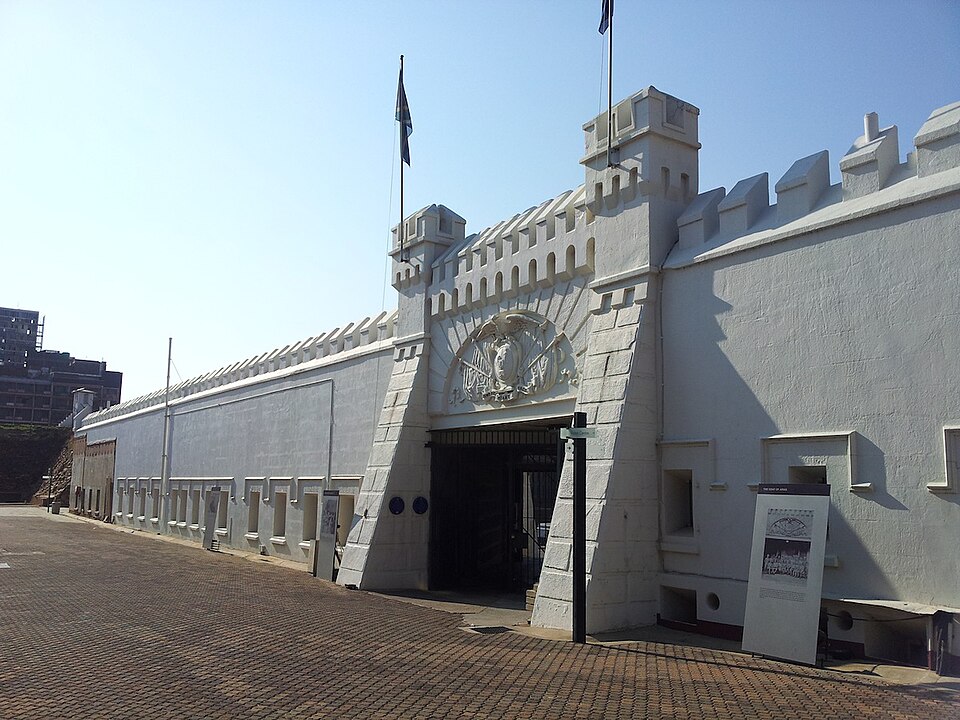
Johannesburg feels most clear-eyed at Constitution Hill in South Africa, where punishment and rights sit on the same ground. Guided tours move through the Old Fort complex and former prison blocks, then end at the Constitutional Court, linking harsh routines of the past to the legal language meant to prevent their return. The experience is unsettling in a useful way: heavy doors, narrow corridors, and recorded testimony show how control becomes everyday practice, yet the site also insists that a city can face its history directly and still build institutions that protect dignity in public life.
Palermo’s Anti-Extortion Tourism And The Quiet Work Of Refusal
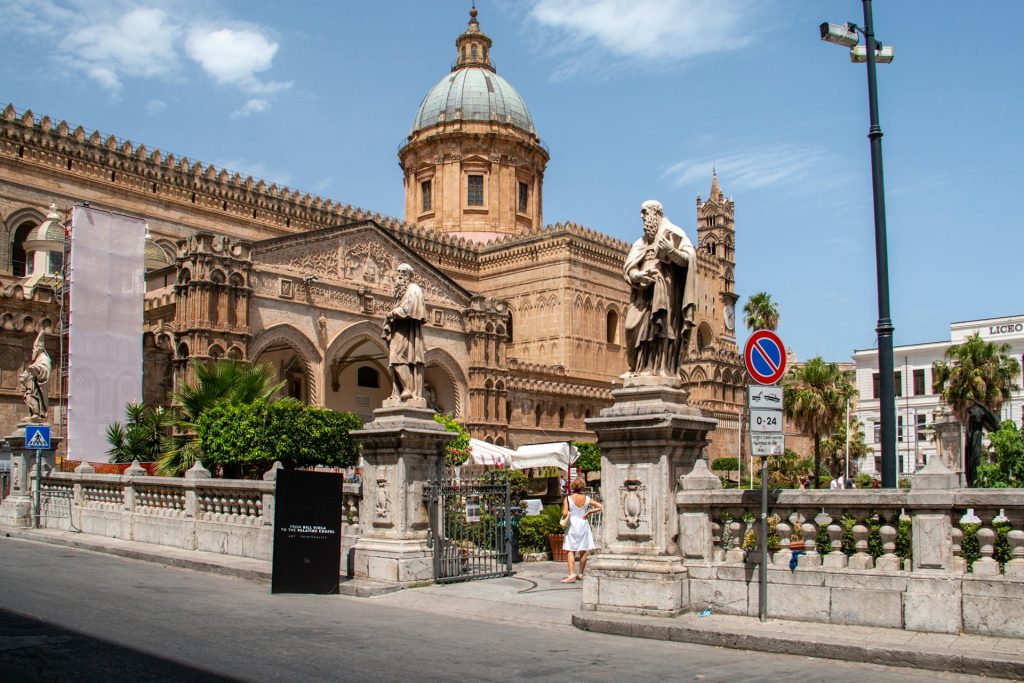
Palermo’s most honest trip is not about chasing danger; it is about noticing how intimidation can hide inside ordinary commerce in plain midday daylight. Travelers can seek out anti-extortion networks such as Addiopizzo, choosing walking tours, markets, and restaurants that publicly refuse protection payments and keep the focus on civic courage rather than folklore. What lingers is the everyday texture: a café that posts its stance, a shopkeeper who speaks carefully, and the sense that resilience is built through receipts, relationships, and repeated choices that strengthen a neighborhood over time.
Sarajevo’s Tunnel Of Hope And The Discipline Of Endurance
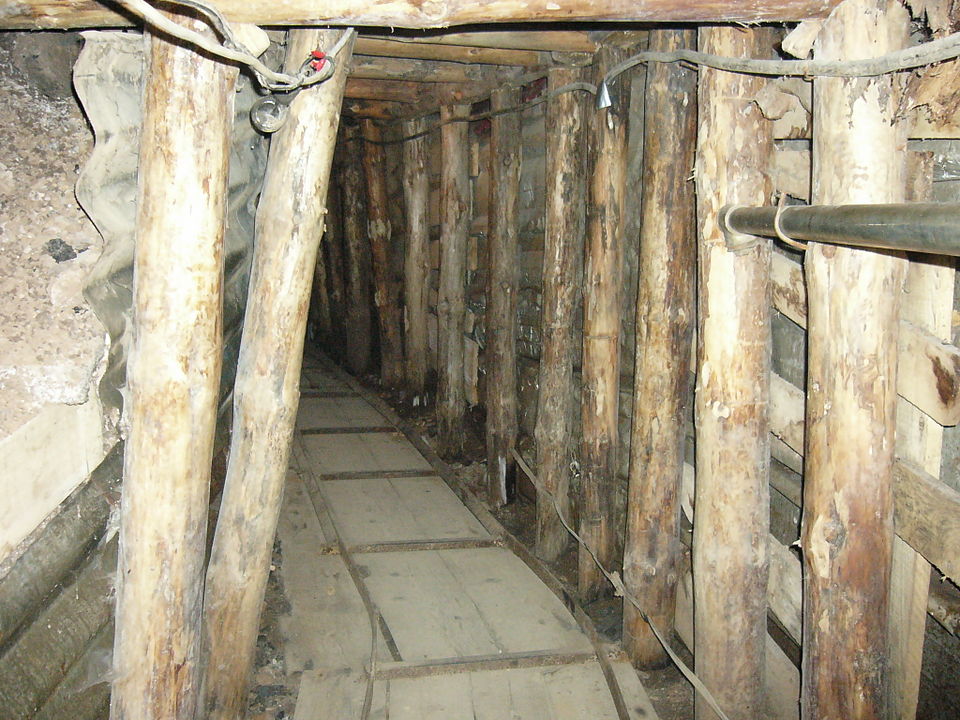
Sarajevo carries unease without performance, because traces of crisis and recovery sit close together. A visit to the Tunnel of Hope museum, built around a wartime passage dug beneath the airport area, includes a guided walk through a preserved section and explains how residents moved food, medicine, and messages when normal routes failed. The trip stays with visitors for its restraint: small rooms, personal photos, and matter-of-fact narration show how endurance is built from logistics and routine, while the city outside continues with cafés, call to prayer, and winter light reflecting off the Miljacka.
Medellín’s Comuna 13 Escalators And A Neighborhood Reconnected
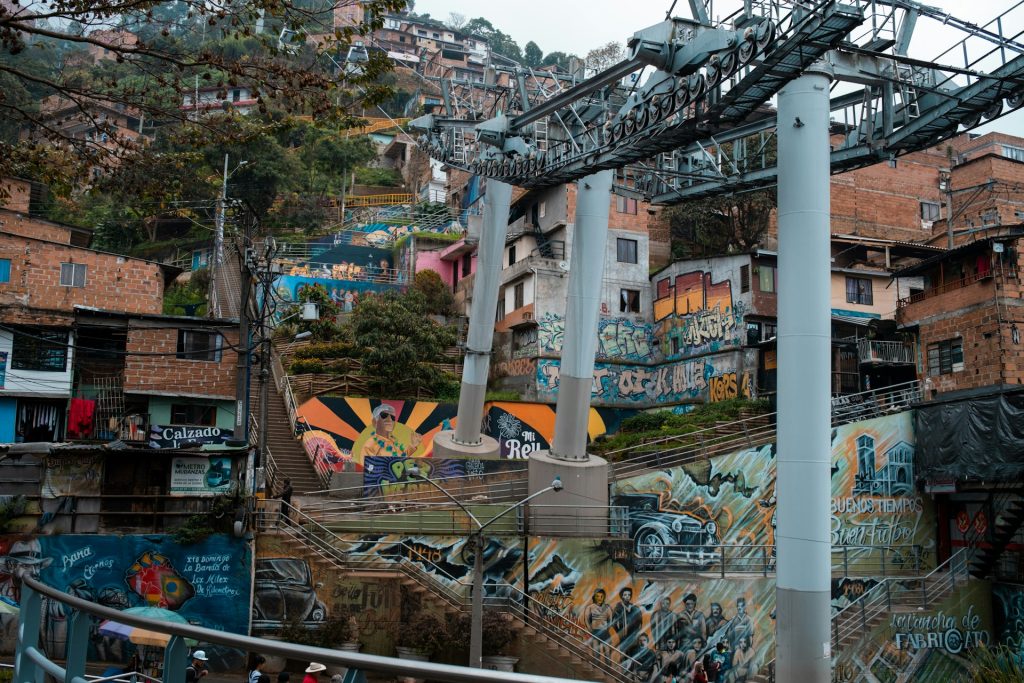
Medellín’s Comuna 13 is often framed as transformation, but the best visits keep the tone grounded, on a steep hillside where views and vigilance coexist. Tours along stairways, street art corridors, and the neighborhood’s outdoor escalator system explain how mobility, lighting, and public space changed daily routines, while acknowledging the hard years that shaped community caution. The honesty comes from limits: guides flag areas that deserve privacy, discourage sensational storytelling, and redirect attention to music, small businesses, and the steady work of rebuilding trust one block at a time.
London’s Transport Cameras And The Choreography Of Public Order
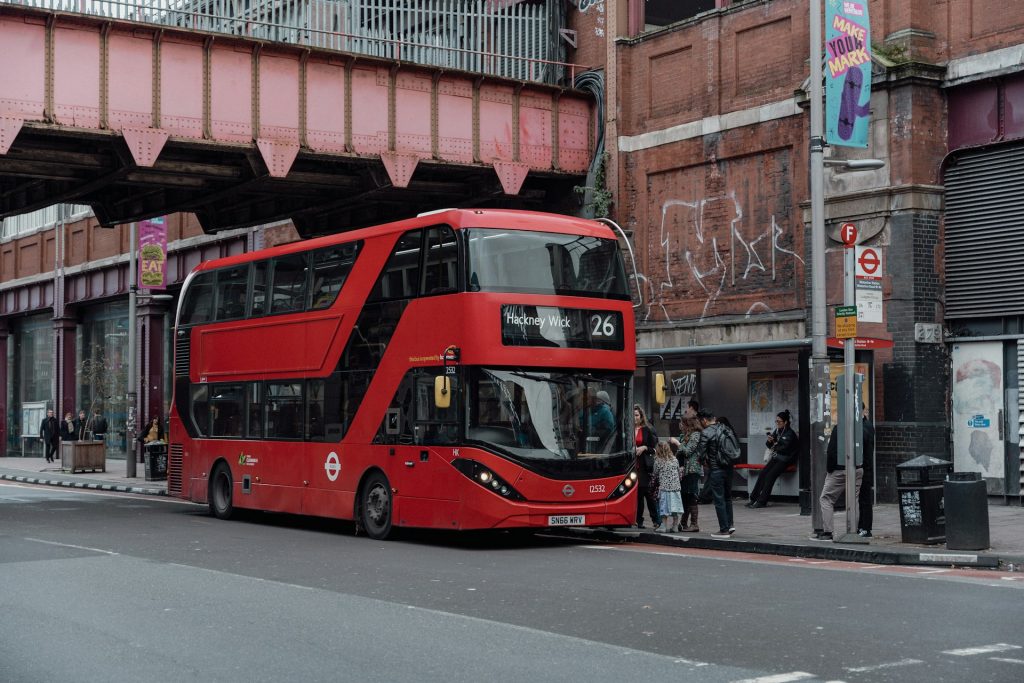
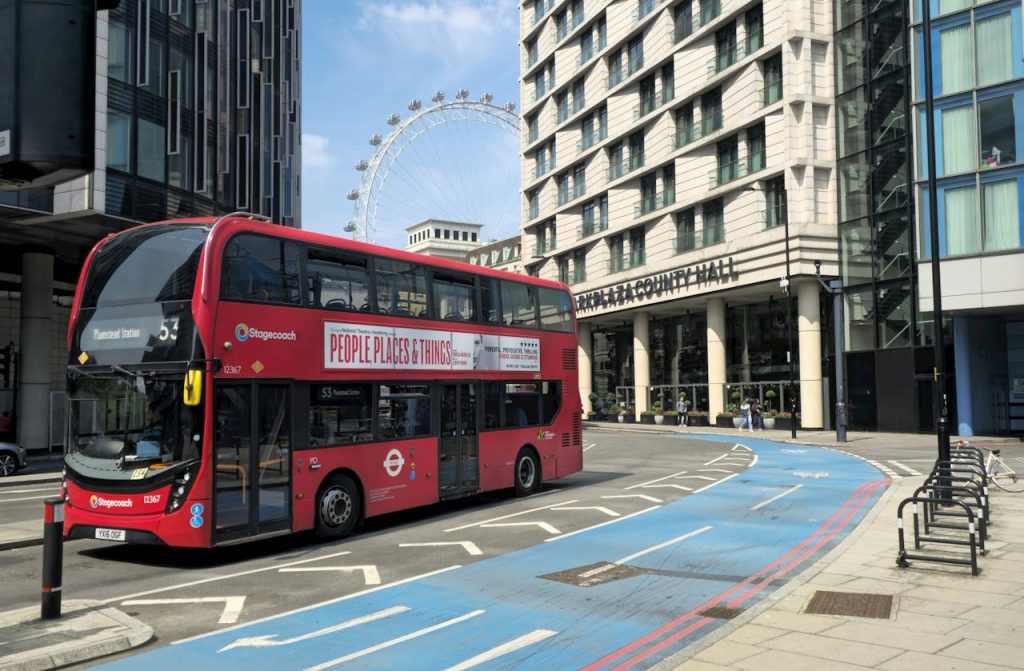
London’s calm can feel effortless until the city’s safety systems become visible, especially on public transport. Stations, buses, and busy intersections are covered by CCTV and staffed routines for commuters and visitors, so order is not just cultural habit but engineered practice, reinforced by announcements, lighting, and clear lines of movement. The trip feels honest in small moments: a late-night platform, a quiet carriage, a quick response to a disruption, all pointing to the tradeoff at the heart of modern cities, where comfort is supported by constant observation that most people stop noticing.
Riga’s Corner House And The Weight Of A Locked Door
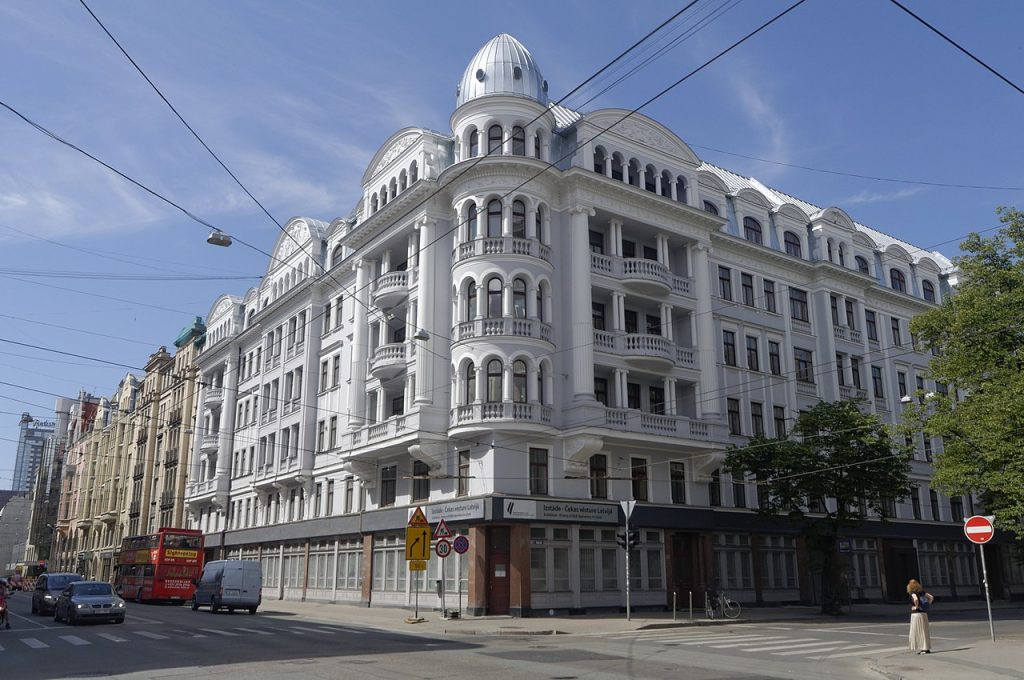
Riga’s Corner House confronts visitors with how control can live inside ordinary architecture, sitting on a major boulevard near the city center. The former KGB headquarters, now visited on guided tours, leads through stark rooms and basement cells that make repression feel procedural rather than dramatic, built from forms, keys, and silence. Outside, the city’s cafés and Art Nouveau streets return quickly, which sharpens the lesson: unease does not always announce itself, and a place can look beautiful while still carrying memories that shape how people speak, trust, and move through public space.