9 U.S. Cities Where Hotel Prices Spike Without Warning
Hotel prices in popular American cities rarely stay predictable. Sudden demand shifts, limited inventory, and local events can send nightly rates soaring with little notice. Travelers often plan budgets around average costs, only to encounter sharp increases upon booking. Factors like conventions, sports schedules, festivals, and weather disruptions contribute to these spikes. Even familiar destinations can become unexpectedly expensive overnight. This article highlights nine U.S. cities where hotel prices frequently surge without clear warning. Each location reflects documented travel patterns and market behavior, offering insight into how timing and circumstance can dramatically influence lodging costs for visitors.
New York City
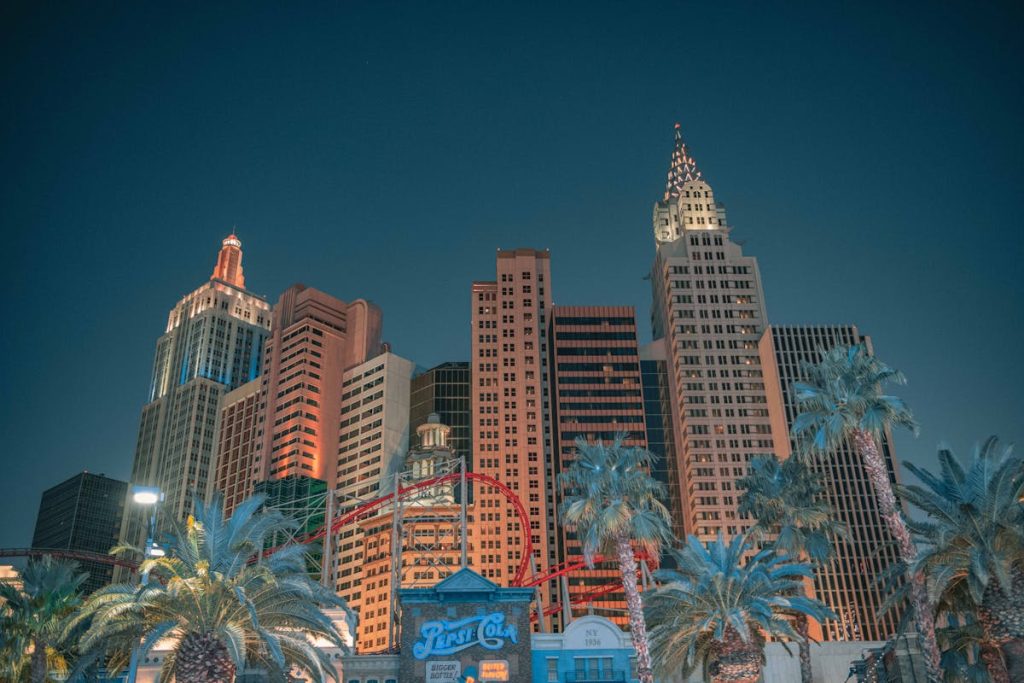
New York City regularly experiences sudden hotel price spikes driven by constant demand. Major events like fashion weeks, United Nations meetings, and Broadway premieres strain availability. Even without headline events, limited room inventory keeps pricing volatile. Neighborhood specific demand can shift overnight due to concerts or sporting events. Business travel and tourism overlap heavily, especially in Manhattan. Weather disruptions also tighten supply. Visitors booking late often face sharp increases. The city’s global importance and nonstop activity mean pricing rarely stabilizes, making New York one of the most unpredictable hotel markets in the country for travelers seeking last minute accommodations.
Las Vegas
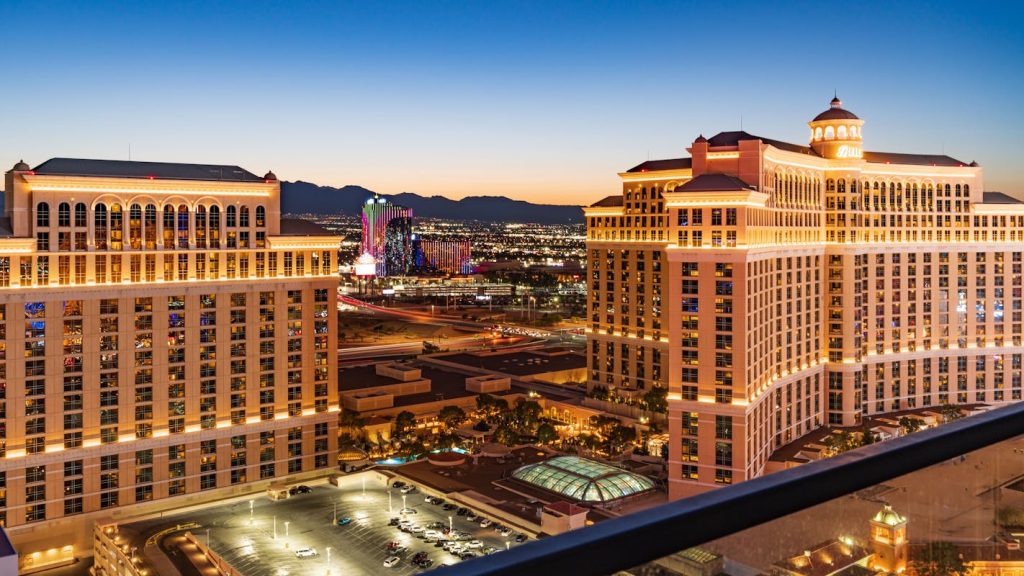
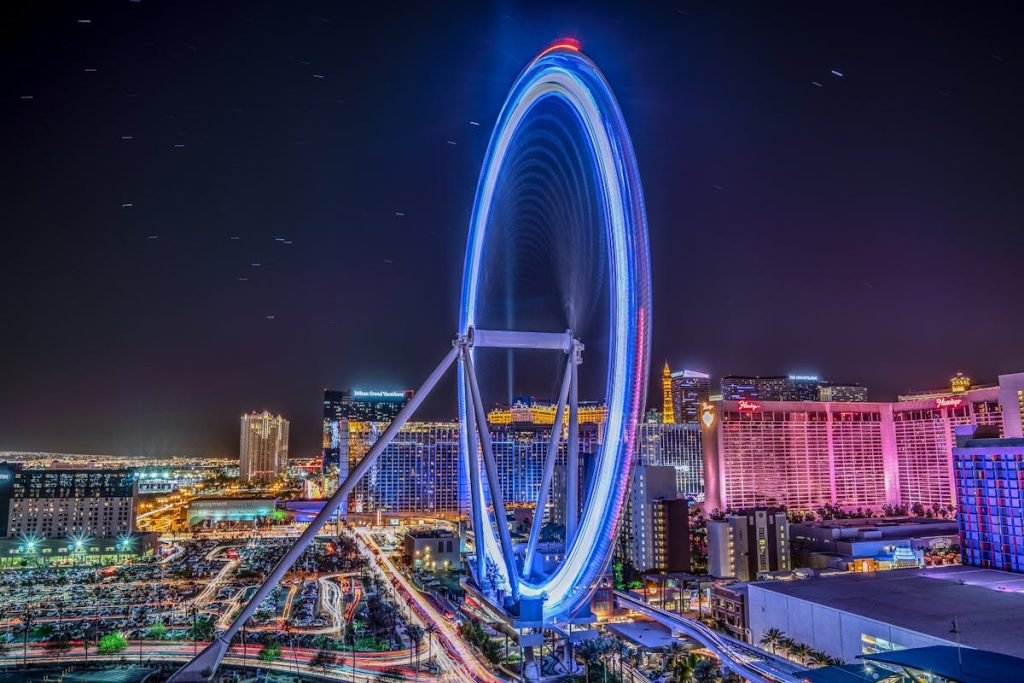
Las Vegas hotel prices spike rapidly due to event driven demand. Conventions, major fights, concerts, and sporting events fill rooms quickly. Weekend pricing often doubles compared to weekdays without advance notice. Resort fees add to perceived increases. Large properties still sell out during peak events, limiting alternatives. Even midweek rates surge during conventions. Tourists unfamiliar with the event calendar face sticker shock. The city’s reliance on entertainment tourism creates dramatic pricing swings. Las Vegas demonstrates how a destination built on events can shift from affordable to expensive overnight based solely on scheduling.
San Francisco
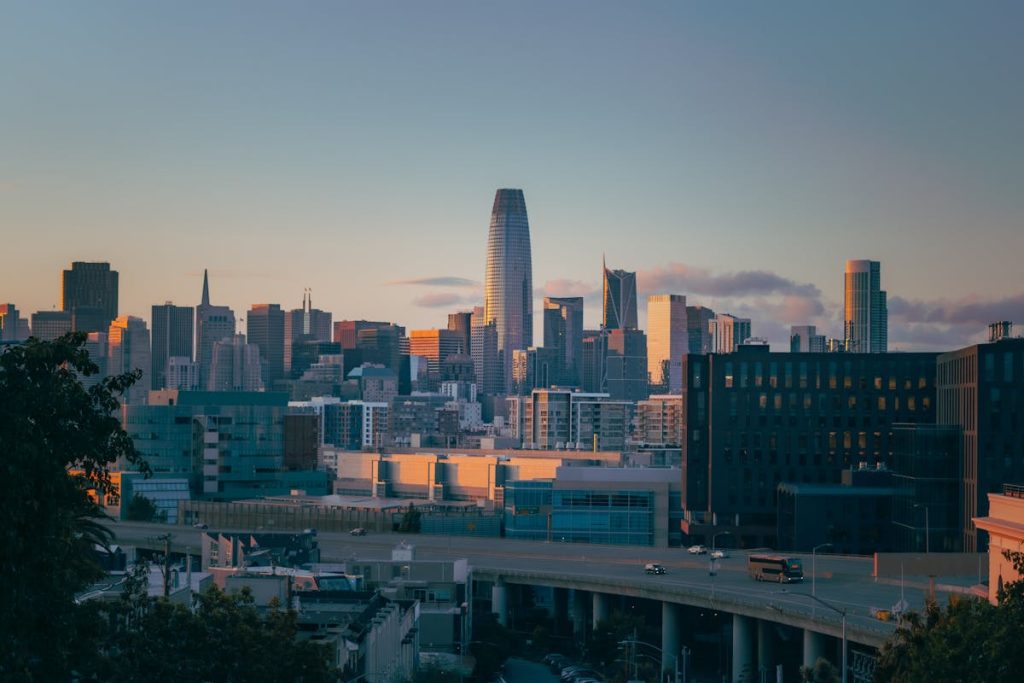
San Francisco sees abrupt hotel price increases tied to tech conferences and limited supply. Large industry events book thousands of rooms simultaneously. The city’s compact size restricts new hotel development. Sudden demand pushes rates upward quickly. Tourists often compete with business travelers year round. Seasonal tourism adds pressure during summer and fall. Even minor conventions influence pricing. Public transportation access concentrates demand in specific neighborhoods. Visitors booking without awareness of local schedules frequently encounter unexpected costs. San Francisco’s mix of tourism, business travel, and housing constraints creates one of the nation’s most volatile hotel pricing environments.
Miami
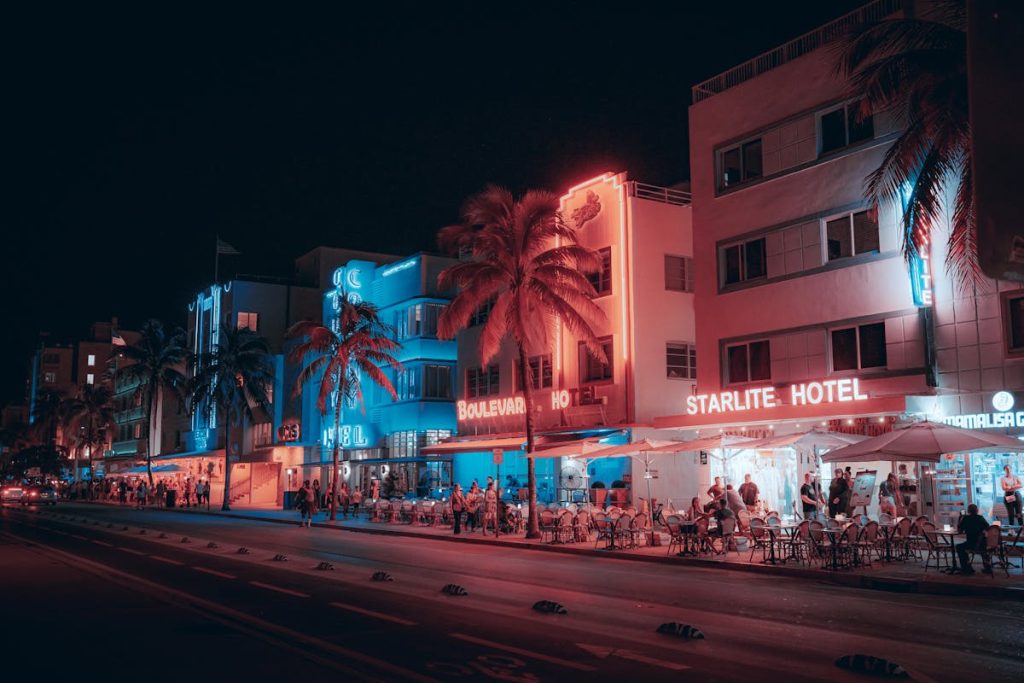
Miami experiences unpredictable hotel price spikes linked to seasonal tourism and events. Peak winter travel, art fairs, and major sporting events rapidly reduce availability. Beachfront properties raise rates quickly when demand rises. Cruise traffic also affects short term lodging needs. Weather events can compress demand unexpectedly. International tourism patterns influence pricing year round. Visitors often underestimate how quickly rates change. Even weekdays become expensive during festivals. Miami’s blend of leisure travel, nightlife, and global appeal results in sudden hotel price increases that catch unprepared travelers off guard throughout the year.
Chicago
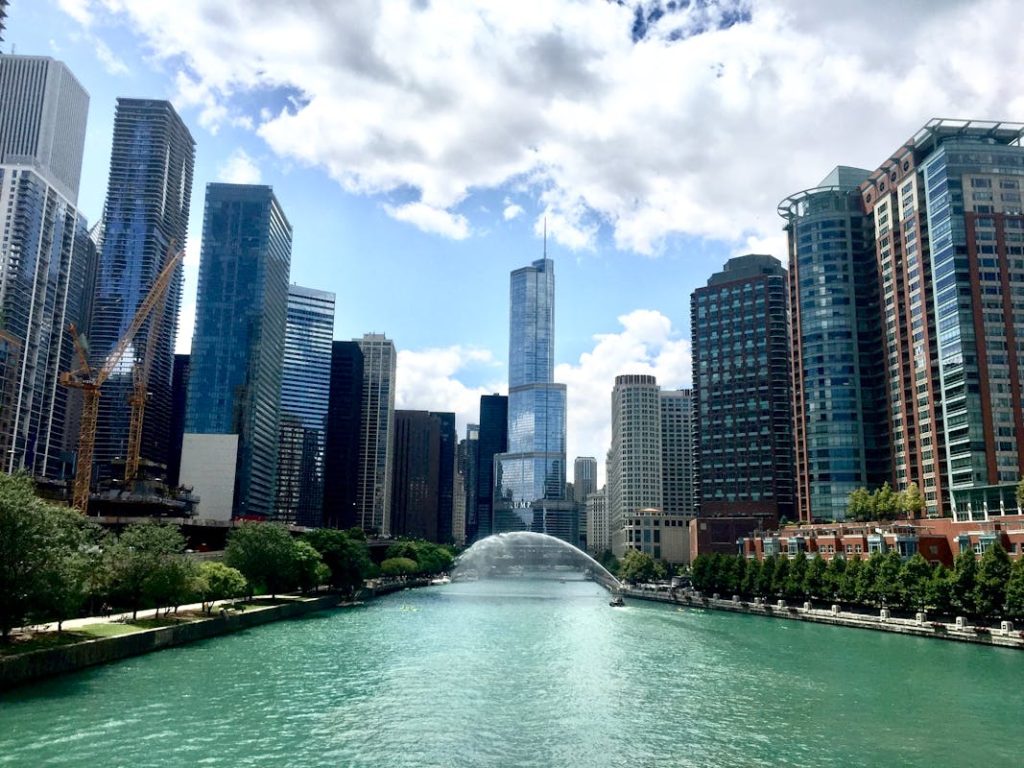
Chicago hotel prices spike without warning during conventions and citywide events. Large trade shows at McCormick Place strain room availability. Major concerts, marathons, and sports events also affect rates. Summer tourism overlaps with business travel, increasing competition. Neighborhood festivals influence localized pricing. Sudden demand often outpaces supply downtown. Visitors booking close to arrival frequently encounter higher costs. Weather disruptions sometimes concentrate travel into shorter windows. Chicago’s role as a convention hub makes pricing highly sensitive to scheduling, creating abrupt increases that surprise travelers unfamiliar with the city’s event driven demand cycles.
Boston
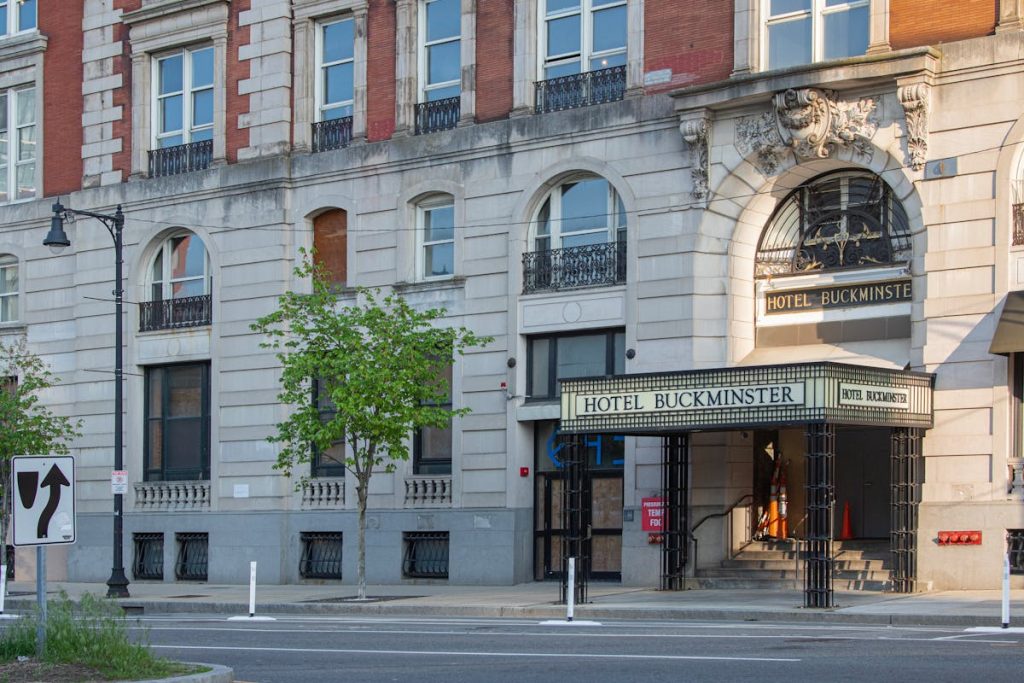
Boston’s hotel prices rise quickly due to limited inventory and academic calendars. University events, graduations, and conferences significantly impact availability. Historic layout restricts large scale hotel expansion. Seasonal tourism peaks during fall and summer. Sporting events also influence demand. Even small conventions can raise prices citywide. Visitors often underestimate how tightly booked the market becomes. Last minute bookings face steep increases. Boston’s combination of education, tourism, and history creates a hotel market where prices respond sharply to short term demand, making sudden spikes common for travelers without flexible plans.
Nashville
Nashville experiences sudden hotel price surges tied to music tourism. Concerts, festivals, and large events fill rooms quickly. The city’s rapid popularity growth outpaces hotel supply. Weekend demand remains especially volatile. Bachelor and bachelorette travel contributes to unpredictable booking patterns. Sporting events and conventions add pressure. Visitors booking late often face dramatically higher rates. Even weekdays can spike during major performances. Nashville’s entertainment driven economy creates constant fluctuations, making hotel prices difficult to predict without close attention to local event calendars and seasonal travel trends.
Austin
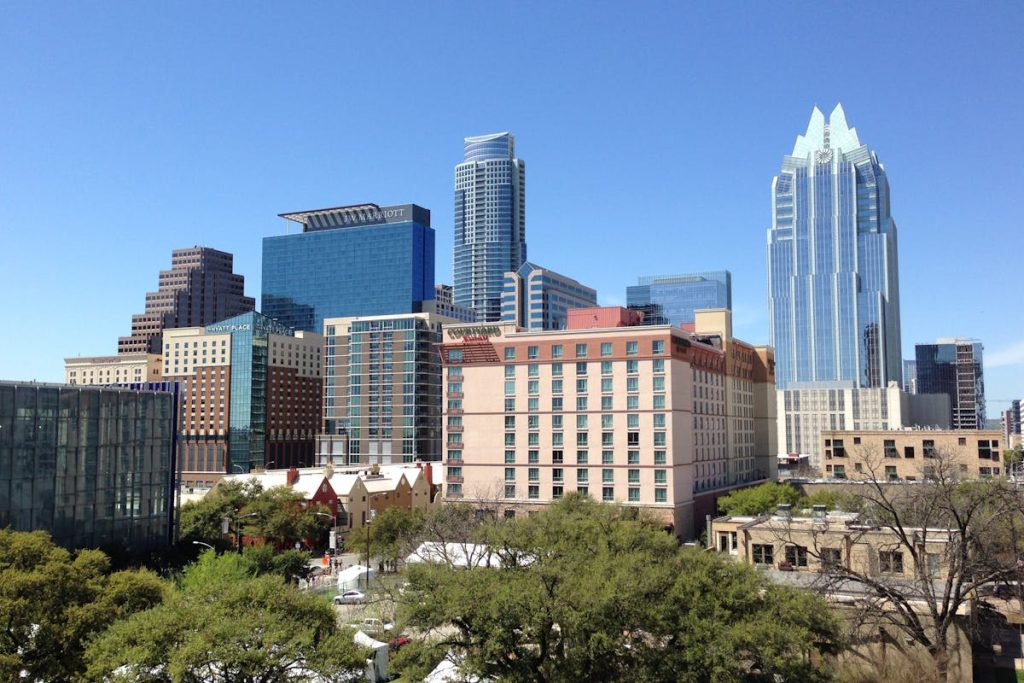
Austin hotel prices spike unexpectedly due to major festivals and tech events. South by Southwest and Austin City Limits cause extreme demand surges. Limited downtown inventory intensifies price swings. Even smaller conferences influence rates significantly. Weekend leisure travel overlaps with business events. The city’s growth strains lodging supply. Visitors often underestimate event impact. Prices rise quickly across neighborhoods. Austin’s reputation as a cultural and tech hub creates recurring, sudden hotel price increases, catching travelers off guard when booking without awareness of the city’s packed annual event schedule.
Honolulu
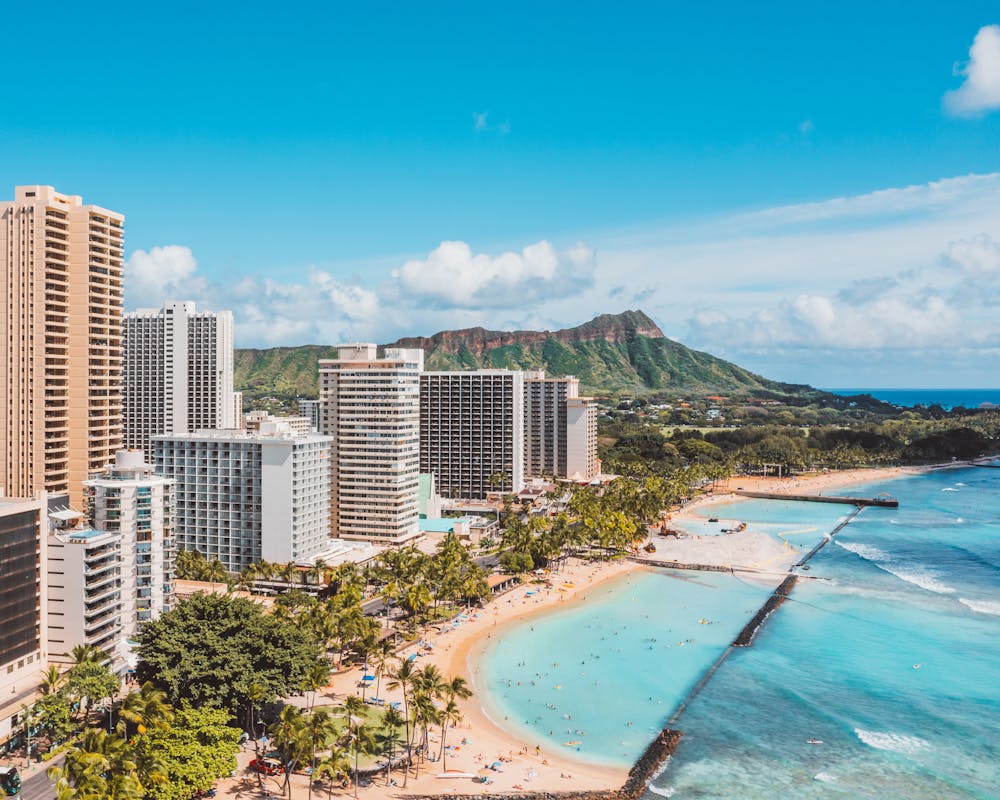
Honolulu hotel prices increase sharply due to island limitations and seasonal demand. Limited land restricts new hotel development. Peak travel seasons fill rooms quickly. Flight disruptions can concentrate demand unexpectedly. Large events and holidays strain availability. International tourism patterns affect pricing stability. Visitors often expect consistent resort pricing but encounter sudden increases. Even budget options sell out rapidly. Honolulu’s reliance on tourism and geographic isolation amplify market sensitivity, making hotel prices prone to abrupt spikes that surprise travelers planning trips without flexibility or real time monitoring.