9 U.S. Trips That Sound Simple Until the Distance Becomes the Whole Problem
Some U.S. trips look easy because two famous places sit close on a map. Then the miles stack up, daylight gets traded for fuel stops, and traffic turns a neat plan into a slow crawl. Distance shapes everything: where meals happen, how legs feel after hours in a seat, and whether a scenic detour fits before dark. Add weather swings, crowded parking lots, and long gaps between services, and the drive becomes the main challenge. These routes still reward patience, but they demand realistic timing, early starts, and flexible plans when the road rewrites the day. The smartest itineraries build slack on purpose, not by accident.
Los Angeles to San Francisco via the Coast
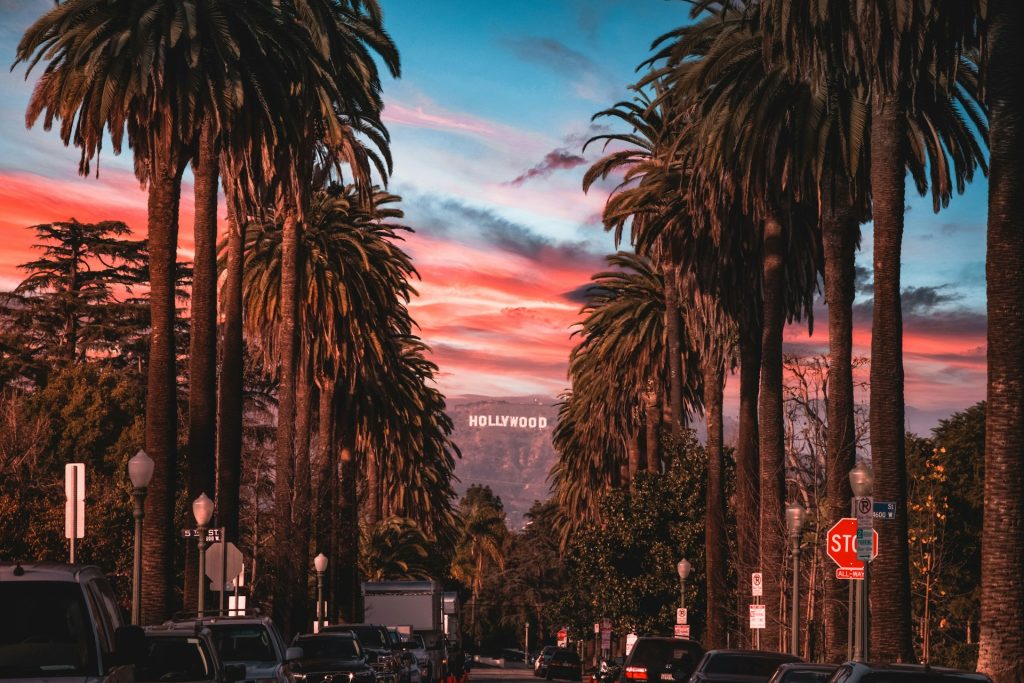
It looks like a simple California hop until Highway 1 turns time into the real price. The coastal route trades speed for cliffs, coves, and constant curves, plus pullouts that turn quick photo plans into long pauses. Fog can flatten the view, and seasonal closures can force an inland reroute that adds hours and resets dinner plans. Service drops in pockets near Big Sur, so timing feels less certain. Beach towns fill early, parking turns into a hunt, and the last climb into San Francisco often lands late, hungry, and satisfied in spite of it. An overnight stop makes the coast feel like the point, not the delay.
Miami to Key West on U.S. 1
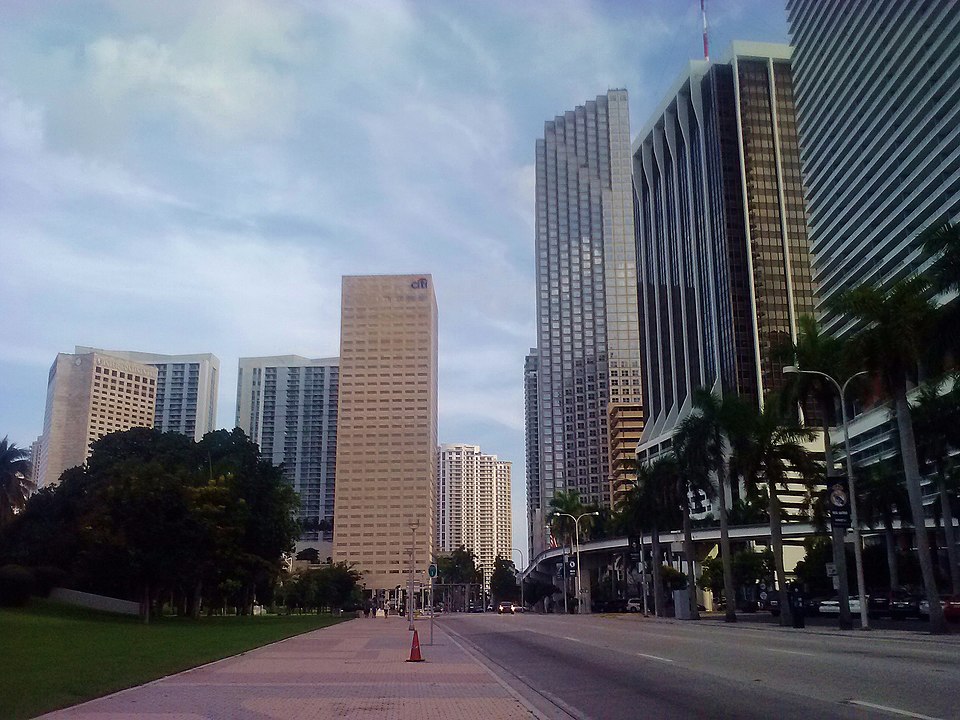
South Florida sells it as an easy cruise, but the Overseas Highway moves on island time. Bridge after bridge looks effortless, yet weekend surges, stoplights, and slow zones make the drive feel longer than the mileage suggests. A short break in Islamorada or Marathon can stretch once crowds spill onto narrow lanes with few passing options. One fender-bender can stall everything because there is usually only one way forward. Key West adds scarce parking and long waits, and the return repeats the same pinch points with less novelty and more sun glare. Leaving before sunrise helps, but patience still matters.
New York City to Acadia National Park
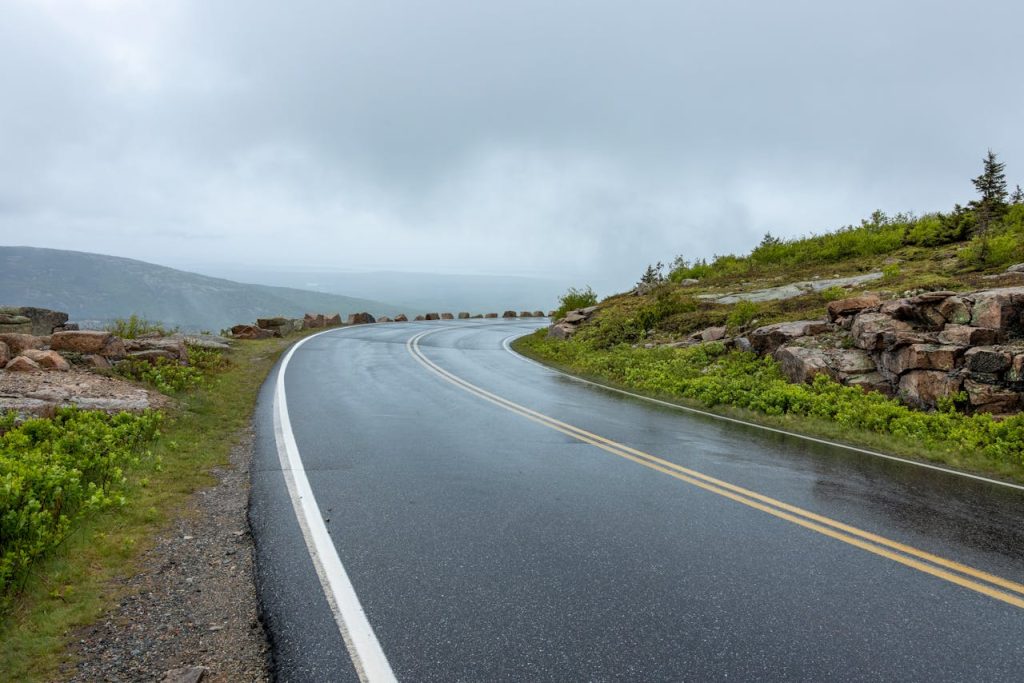
Maine feels close on a map, yet the route keeps extending as city exits, tolls, and traffic eat the first hours. After Boston, the road calms down, but the clock does not, and late arrivals meet early kitchen closings and limited grocery runs. In peak season, park entry lines, crowded pullouts, and slow streets in Bar Harbor can turn the first evening into recovery time. Even simple tasks like finding ice or picnic supplies take longer when everything is booked. A mid-drive stop near Portland often makes the first hike feel possible instead of hurried, and the ocean air tastes better for it. The next day.
Chicago to the Badlands and Black Hills
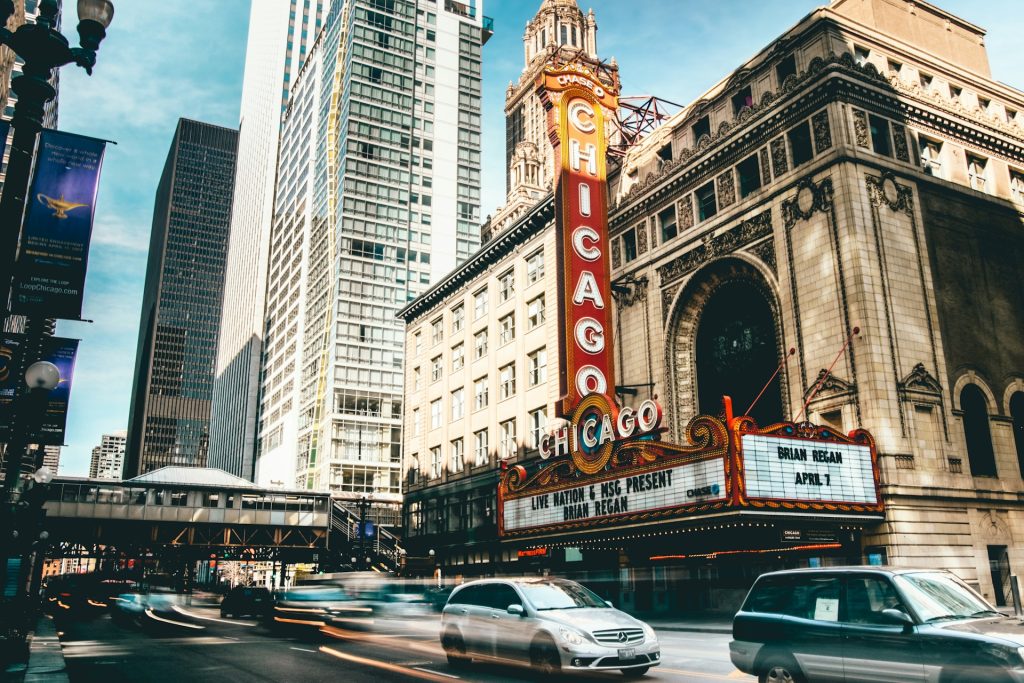
The Midwest can make distance feel gentle because the highway is wide and straight. Then the horizon refuses to change, and long gaps between towns turn fuel, food, and rest into decisions instead of habits. Strong winds, summer storms, and roadwork add delays across open plains where detours are scarce and radio fades. Stop for a view, and the next stop may be an hour away, so schedules tighten quickly and tempers can, too. When the Badlands finally rise and the Black Hills turn pine green, the scenery hits hard, but it arrives after a steady day that quietly drains energy. Splitting the drive in Sioux Falls keeps the trip human.
Denver to Moab and Arches
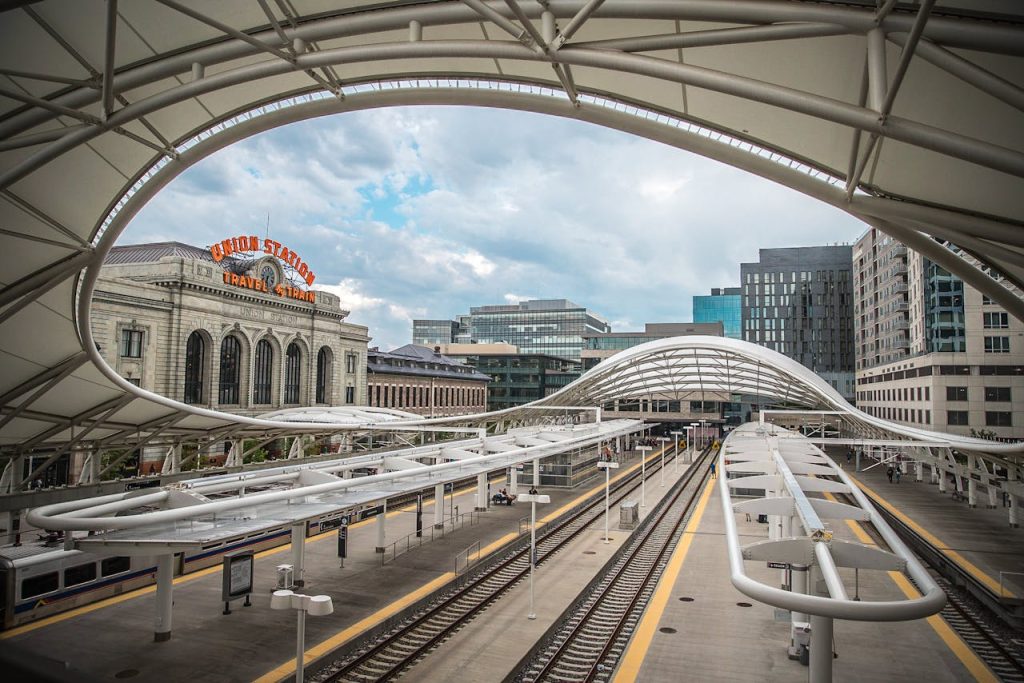
It reads like a quick jump from mountains to red rock, but the route demands attention early. High passes can swing from sun to snow, and roadwork or slow trucks compress schedules long before the canyons begin. Western Colorado adds miles that feel heavier as daylight slips behind ridgelines, while service stops thin out and plans have fewer easy resets. Traffic through small mountain towns can crawl around lunch and school pickup times. Near Moab, a small town absorbs big crowds, and park entry lines can keep the clock running before the first arch appears. Arriving the night before turns the morning into a start, not a scramble.
Las Vegas to the Grand Canyon South Rim
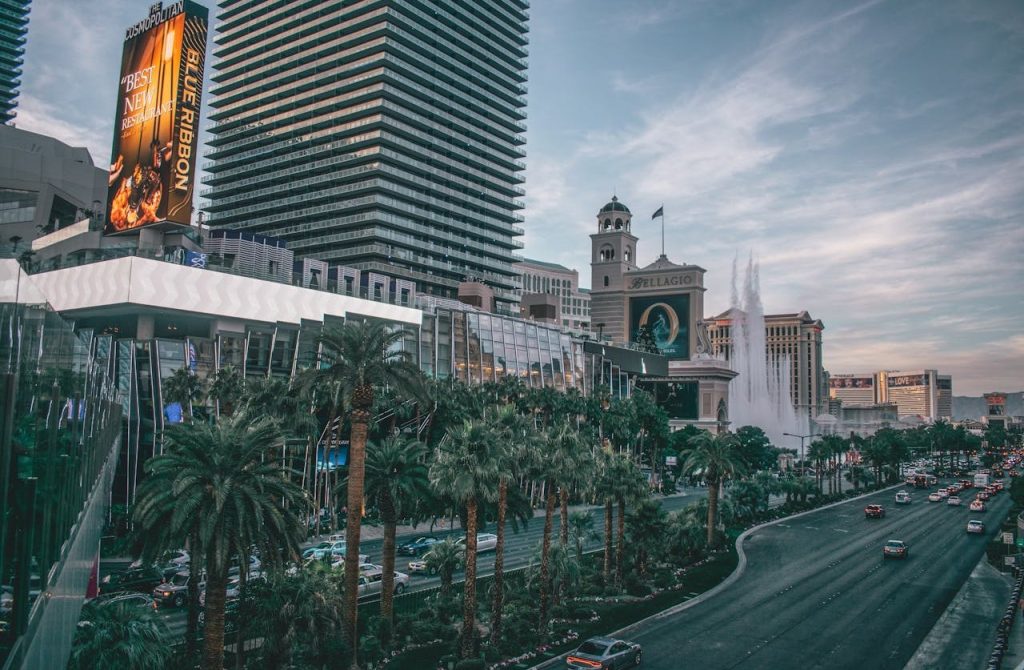
Nevada makes it seem quick, but the drive is a lesson in empty miles and hidden time costs. Food and fuel stops sit far apart, heat slows every break, and a minor slowdown ripples because alternate routes are limited. Detours often run wide, pushing the trip onto long desert highways where the scenery barely changes. Construction near Kingman or Williams can add surprise minutes that feel like an hour. Near the rim, traffic thickens at sunset, shuttles fill fast, and the return after dark feels longer once fatigue sets in. A planned stop in Flagstaff breaks the spell and keeps drivers sharp. Too.
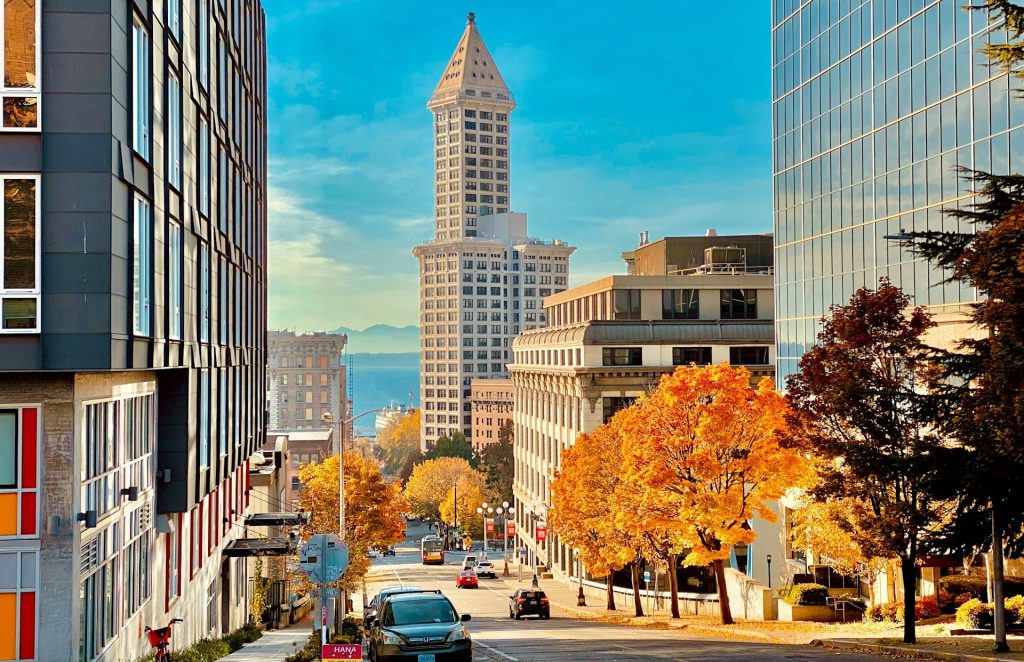
Seattle to Glacier National Park
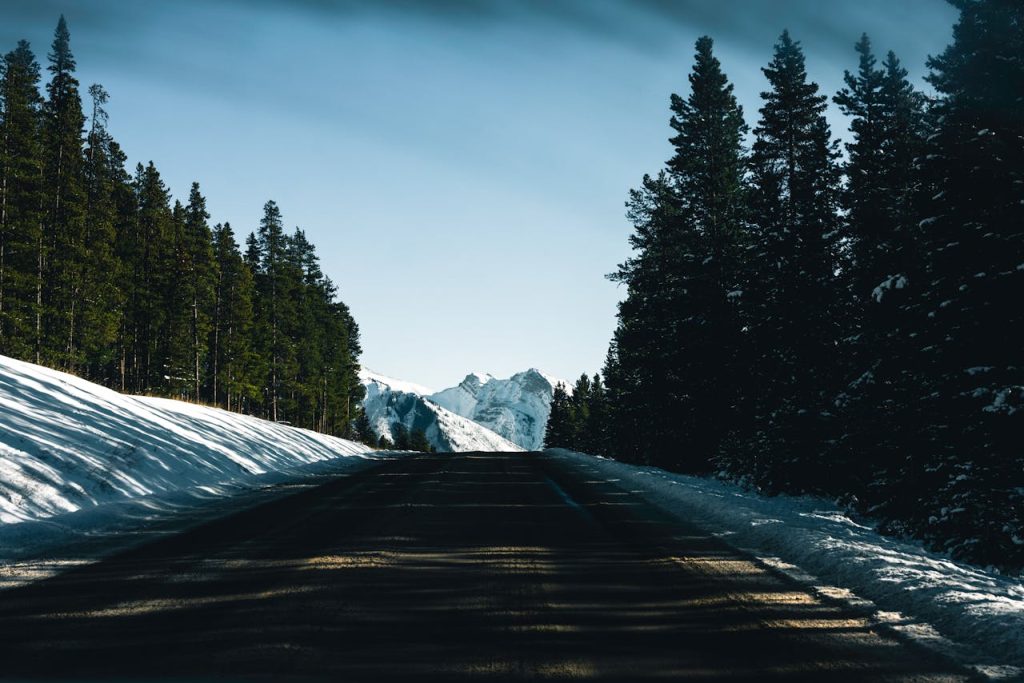
It sounds like a clean Northwest adventure until the map shows how far the road keeps pulling east. The route strings together mountain passes, long rural gaps, and weather swings that can turn smooth hours into slow, careful driving. Service fades in places, and wildlife crossings or construction zones reset arrival times without warning. Meals depend on small-town hours, so late arrivals can mean limited options and early nights. In summer, scarce lodging and shuttle rules raise the pressure on timing, and many itineraries work best with an overnight pause before the peaks. The payoff is huge, but the travel day needs respect expectations.
Dallas to Big Bend National Park
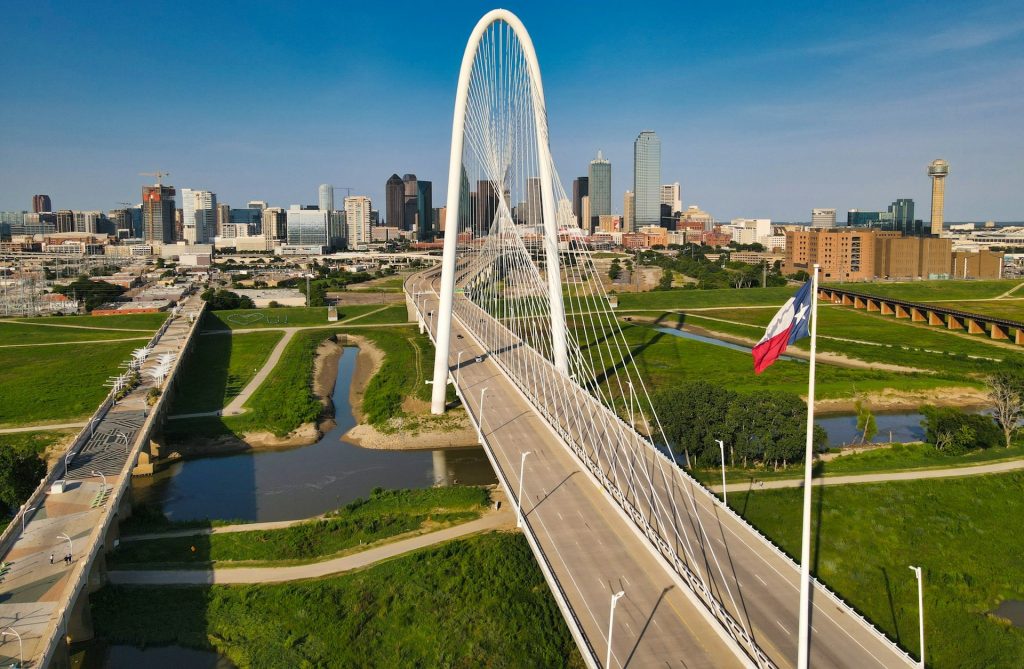
Texas makes its own scale, and this route proves it with highways that run long and quiet. Towns sit far apart, and the last stretch unfolds slowly, with few services and early closing times that reward planning. Heat, dust, and sudden storms change the pace, while darkness arrives fast on roads where deer or cattle may appear near the shoulder. Fuel stations become milestone stops, so delays feel personal instead of abstract. When Big Bend finally opens into desert views and a clear night sky, the calm feels earned, but the drive has already become the main chapter. An overnight in Marathon or Alpine keeps the park day from starting tired.
San Diego to Yosemite National Park
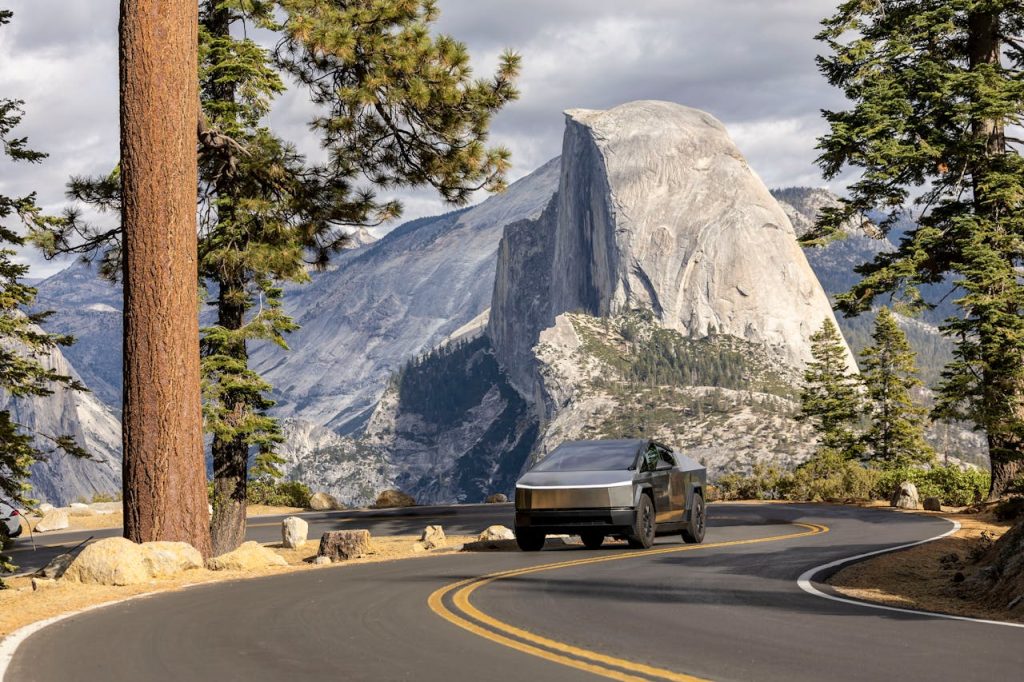
California distance hides behind familiar names, and this trip exposes it once the coast falls away. The route cuts across the Central Valley where traffic, heat, and farm trucks set the tempo, and energy can drain before the mountains even begin. Then come switchbacks, winter chain alerts, and slow climbs behind RVs that stretch the final hours. Rest areas and quick meals fill up, so breaks take longer during busy weekends. At Yosemite, entrance lines and scarce parking can extend the day again, making the first glimpse of granite feel like a reward that arrives late but lands hard. A pre-dawn start helps, but it is still a long pull.