9 US Destination That Feel Riskier Despite Lower Crowds
Lower crowds can sound like a gift: easier parking, shorter lines, and room to breathe. Yet quiet travel can feel riskier because the supports that make a trip forgiving often thin out at the same time. Seasonal staffing drops, transport runs less often, and services that usually smooth problems close early or pause entirely. Add earlier darkness, rougher weather, or longer distances between help, and a calm day can turn complicated fast. These ideas are still worth doing. They just call for daylight planning, simple backups, and respect for how far away things really are. A little slack in the schedule matters more than usual.
Off-Season National Park Hikes
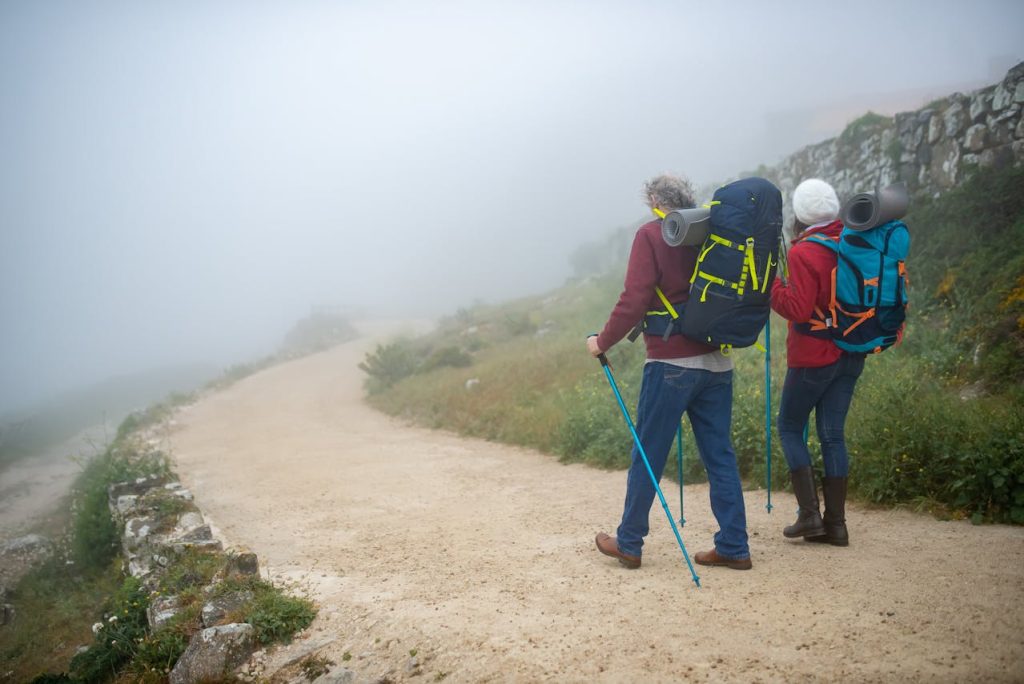
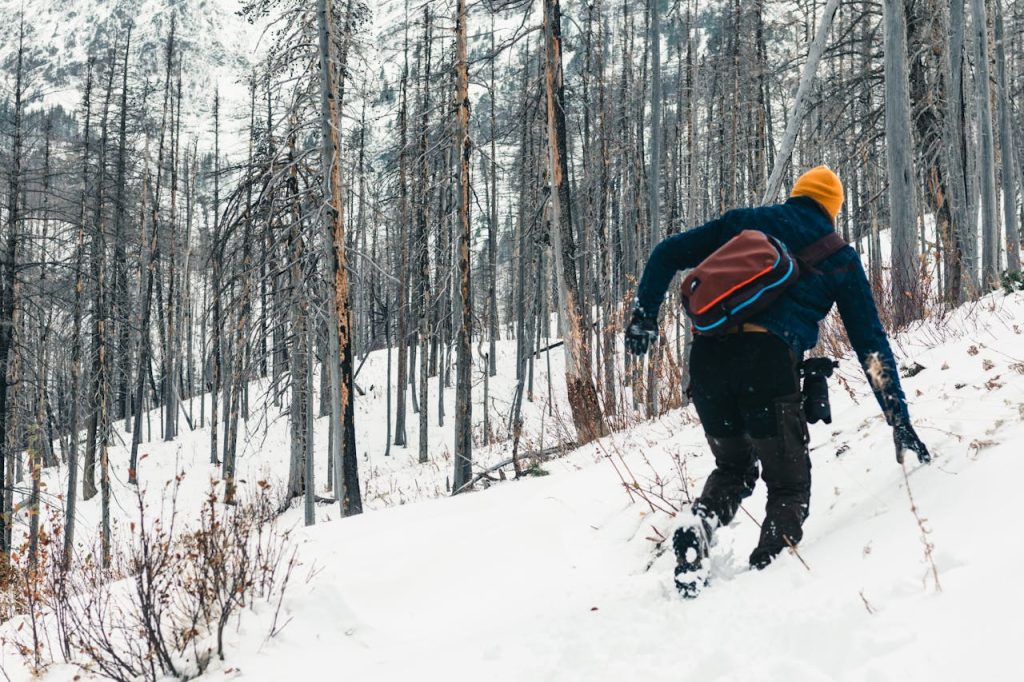
Empty trails feel freeing, but they also mean fewer rangers on patrol, fewer shuttles, and less chance that another hiker is close by when something small goes wrong. In shoulder months, visitor centers close earlier, seasonal restrooms can be locked, and cell signal often drops in the same valleys where daylight fades first. The quiet that makes views feel private can also stretch response times, so the safest version stays on maintained routes, starts early, and carries basics like water, a headlamp, and simple first aid, with a clear turnaround time shared ahead of the hike and a warm layer in the pack.
Late-Night Small Airport Arrivals
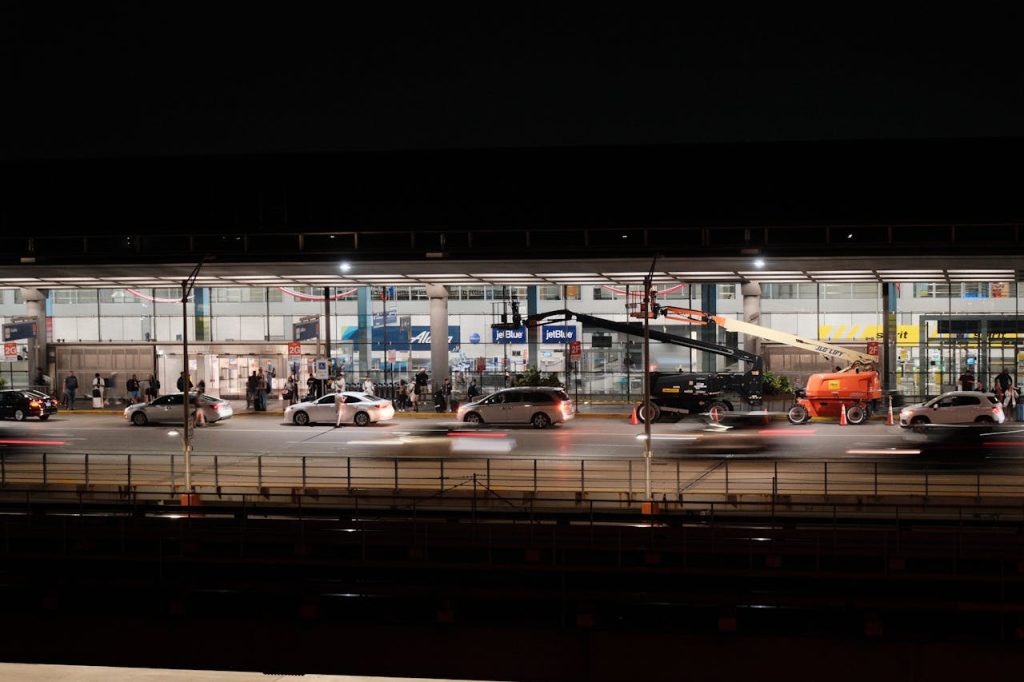
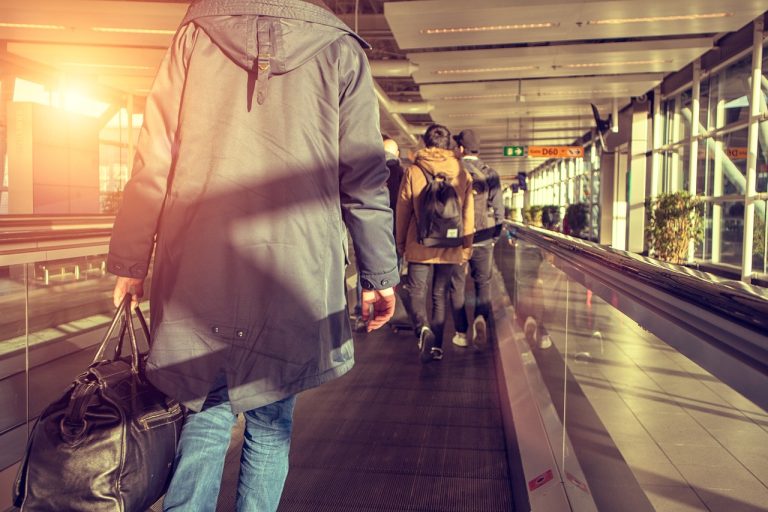
A late arrival at a small airport can feel smooth until the last flight lands and the building starts closing down. Rental counters shut, food options vanish, and rideshare availability can thin to almost nothing, especially outside major hubs. If weather delays the flight or a bag goes missing, fewer staff are on duty to untangle it quickly, and the nearest hotel may be miles away on dark roads. The calmer plan aims for earlier arrivals, confirms ground transport in advance, keeps essentials in carry-on luggage, and carries a charged power bank so a minor delay does not become a long, stranded wait.
Shoulder-Season Island Hops
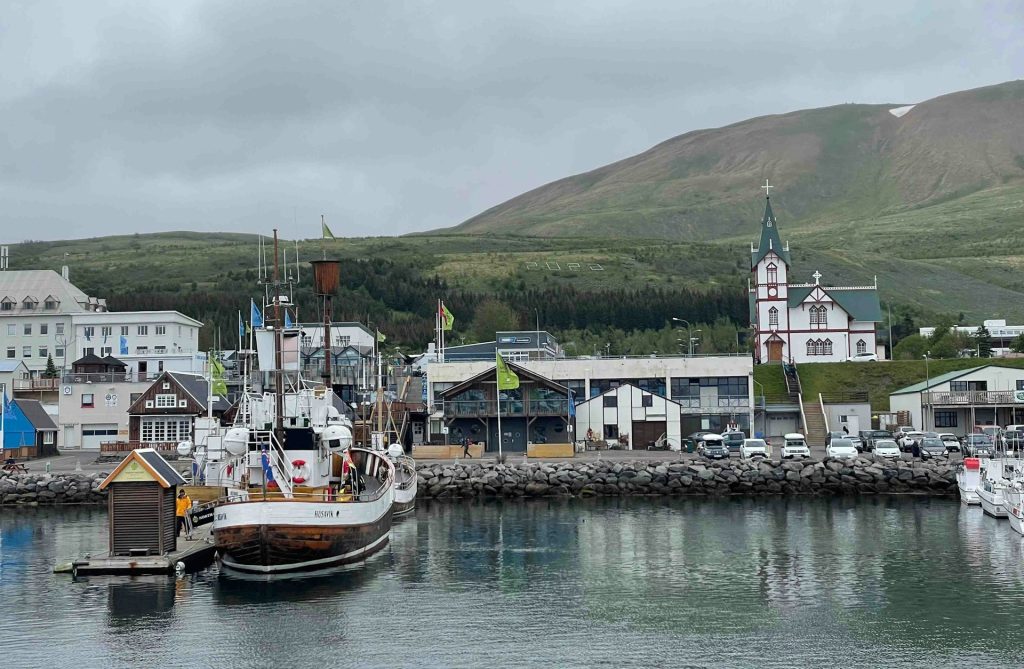
Lower crowds make island towns feel calmer, but shoulder season also thins the lifelines that keep the day easy. Ferry schedules tighten, crossings can cancel for wind, and the last sailing becomes the real deadline for dinner plans, lodging check-ins, and return routes. On land, taxis may be scarce, hours shorten, and a closed gas station or pharmacy can turn a minor errand into a long detour. A steady approach builds slack, stays near the dock, checks return times twice, and keeps offline maps and a little cash ready, because transport is the main event when service is reduced. Even simple plans benefit from a backup.
Remote Scenic Drives After Dark
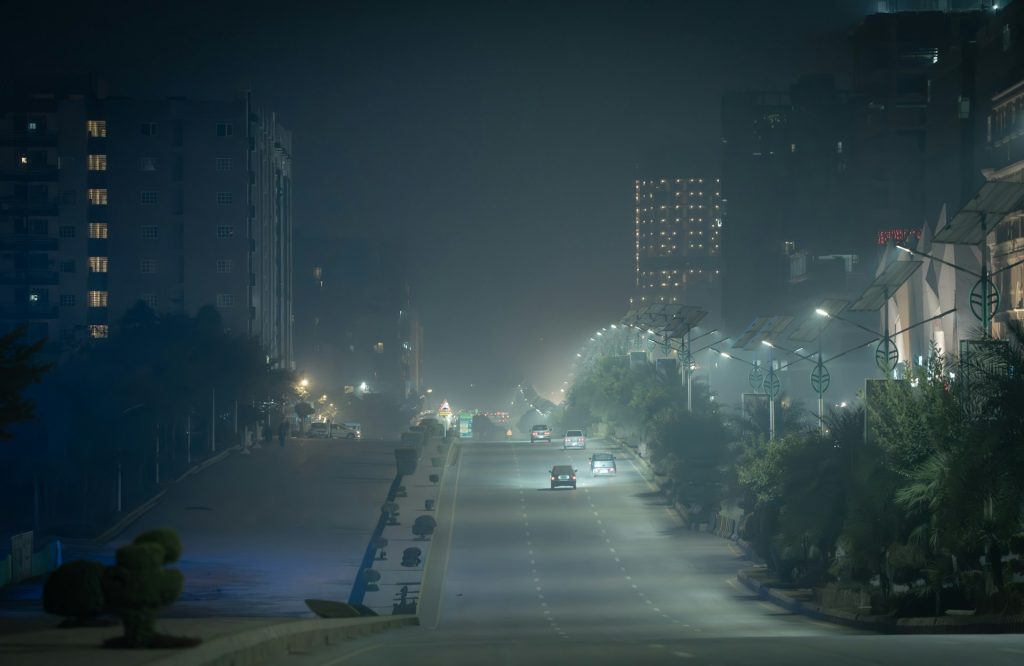
Empty roads can feel relaxing, yet remote scenic drives get more fragile after dark because help is farther away and traffic drops to almost nothing. Gas stations close earlier than expected, wildlife is harder to spot, and a flat tire can leave a car on a dark shoulder with weak signal and falling temperatures. The low-crowd version works best when long stretches stay in daylight, fuel is topped off before leaving town, and navigation is saved offline. Keeping a flashlight, water, a warm layer, and a spare charger turns the drive back into a choice instead of a test of patience and luck for everyone inside the car.
Winter Coastline Viewpoints
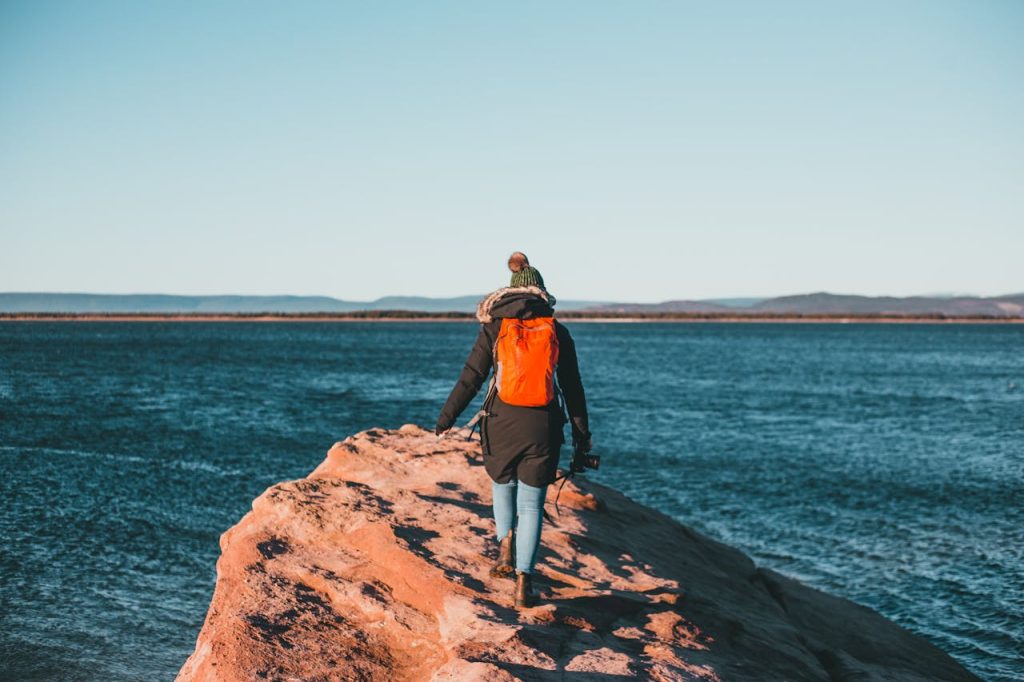
Coastal viewpoints feel calmer in winter, but the quiet can hide hazards that are easier to manage in summer crowds. Wind is stronger, stairs and rocks stay slick, and sudden waves can make shorelines unpredictable even on clear days. With fewer vendors and fewer patrols, basic support disappears, and cold spray can soak clothing quickly, turning comfort into a real concern. A sensible visit sticks to marked overlooks, checks tide and weather before leaving, and treats posted warnings as nonnegotiable, with dry layers packed so the walk back to the car stays easy. Shorter daylight tightens every margin.
Historic Districts After Closing Time
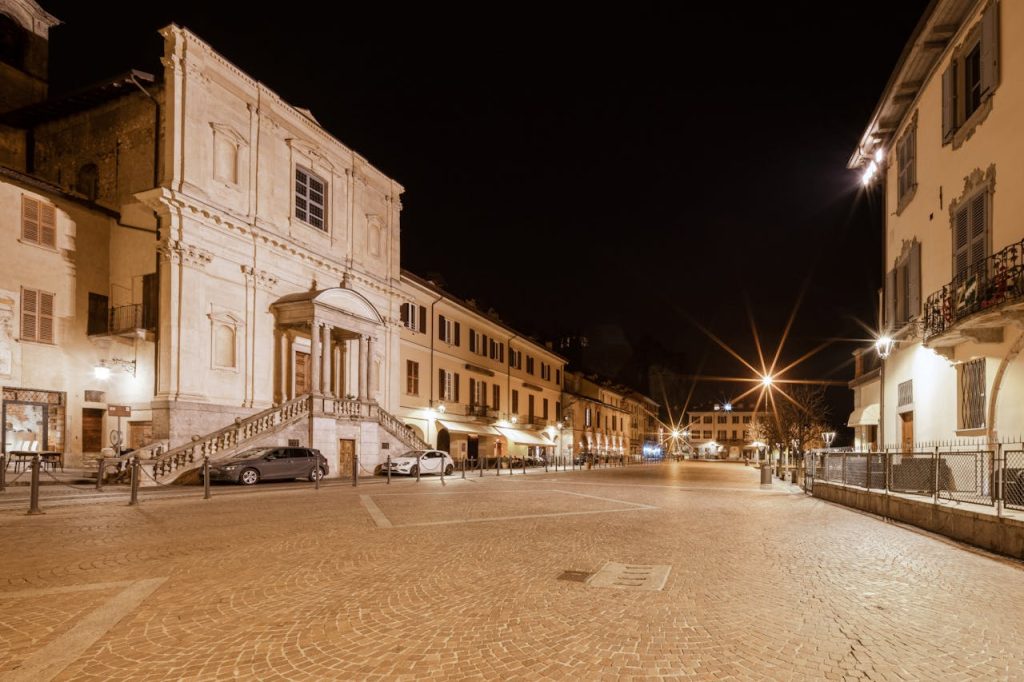
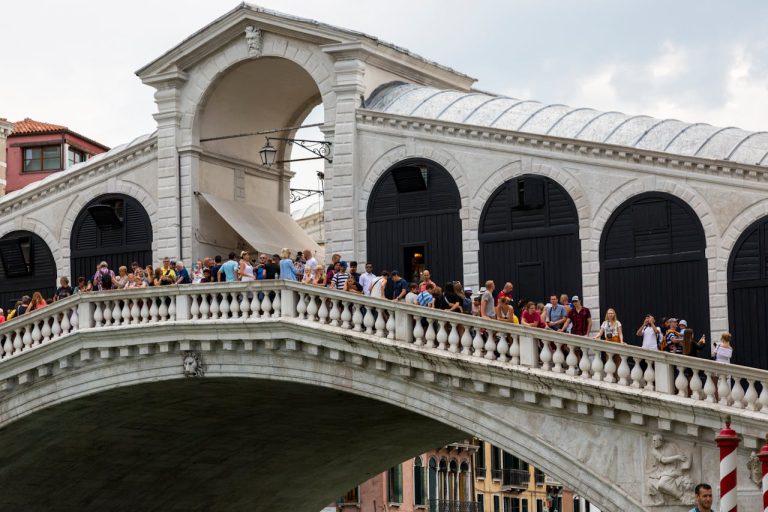
Historic districts often feel calmer after closing time, yet quieter streets can also feel less forgiving. Businesses shut early, rides become harder to find, and transit runs less often, so a wrong turn can turn into a long walk past closed storefronts and dim courtyards. Lower foot traffic means fewer casual witnesses if someone needs directions, help with a dead phone, or a quick place to warm up. The safer rhythm anchors the evening with dinner near the stay, well-lit routes, and a clear return plan, plus a charged phone and a little cash so late wandering stays intentional, not improvised.
Winter Hot Springs Soaks
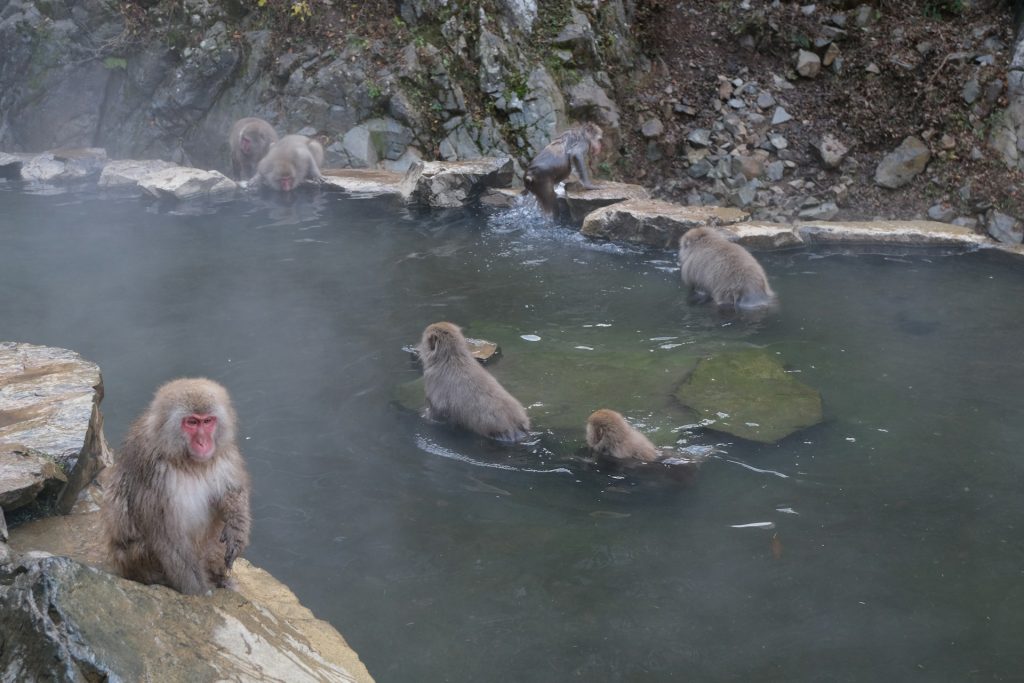
Hot springs in the off-season can feel idyllic, but lower crowds often come with slick access roads, limited lighting, and fewer services on site. Changing rooms may be locked, walkways can ice over, and steam can fog visibility right when footing matters most, with fewer nearby visitors to notice a slip. Cell coverage is often weak in canyon areas, so minor car trouble or a missed turn can take longer to solve than expected. A calmer plan checks road conditions, arrives in daylight, brings warm shoes, a dry bag, and a thick towel, and keeps the soak short enough to stay comfortable afterward.
Late-Night Intercity Bus Connections
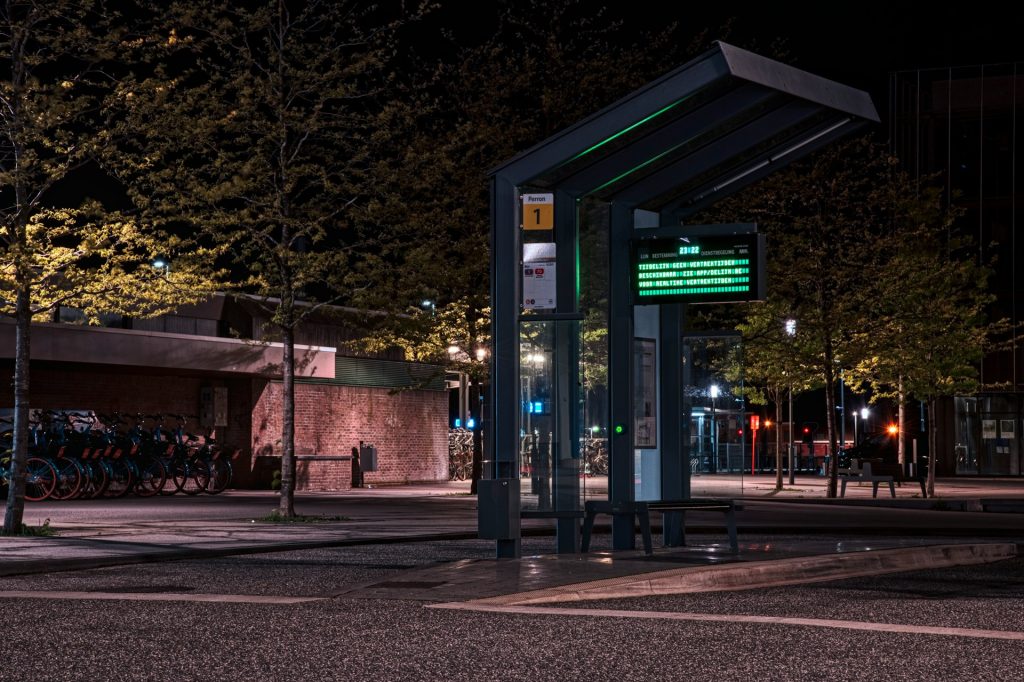
Intercity bus connections can be cheaper when demand is low, but late-night legs often come with quieter stops, fewer staff, and longer gaps between departures. A small delay can turn into hours of waiting with limited food, closed restrooms, and nowhere good to sit, especially where the station is more curb than building. With fewer people around, the mood can feel exposed, and basics like charging a phone become harder. The steady approach favors daylight connections, keeps tickets and ID easy to reach, carries snacks, water, and a charger, and books lodging near the stop so schedule slips do not spiral.
Dispersed Camping In The Off-Season
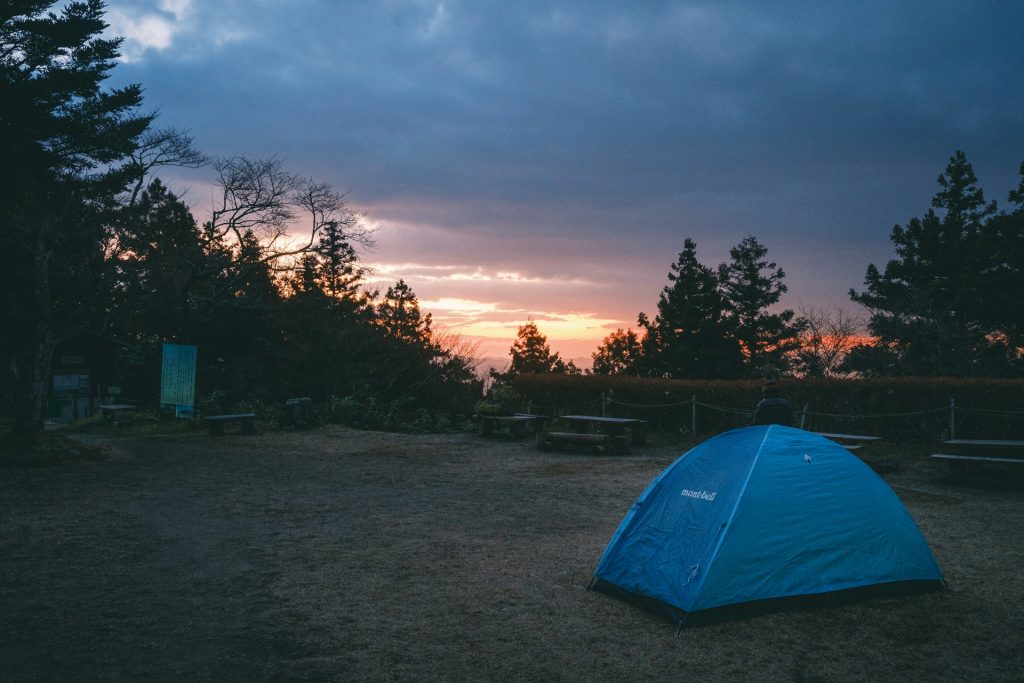
Dispersed camping feels calmer when campgrounds are empty, but it also removes the safety net that comes with hosts, neighbors, and maintained facilities. Access roads can be muddy or snowed in, fire rules can change quickly, and cell coverage is often thin, so a dead battery or stuck tire becomes a bigger problem. With fewer travelers nearby, help may be hours away, and tasks like finding water or a restroom take planning. A careful plan camps closer to town, checks conditions the same day, brings water and a headlamp, carries a paper map, and packs for colder nights than expected, so the quiet stays peaceful instead of stressful.