9 Vacation Spots Where Seasonal Closures Surprise Visitors
Seasonal closures are not a minor detail. They decide whether a scenic road is a dream drive or a locked gate, whether a ferry runs all day or not at all, and whether a hike becomes a backup plan by noon. Many places are open, just not in the way visitors assume, because weather, staffing, and safety rules quietly rewrite the map. The most surprising closures happen in destinations that look timeless on postcards, where a short operating season hides behind a big reputation.
Glacier National Park’s Going-to-the-Sun Road, Montana

Going-to-the-Sun Road feels like Glacier’s main event, yet snowpack and avalanche work can keep it closed well into early summer, and openings often arrive in segments rather than all at once. Visitors book lodging expecting a seamless cross-park drive and end up meeting turnarounds, construction zones, and tight parking near Logan Pass once access returns. The surprise is how completely the closure reshapes a trip. Many hikes, shuttles, and even dinner plans depend on which side is reachable that week, so the park can feel like two separate vacations until the last gate finally swings open.
Yosemite’s Tioga Road and Tuolumne Meadows, California
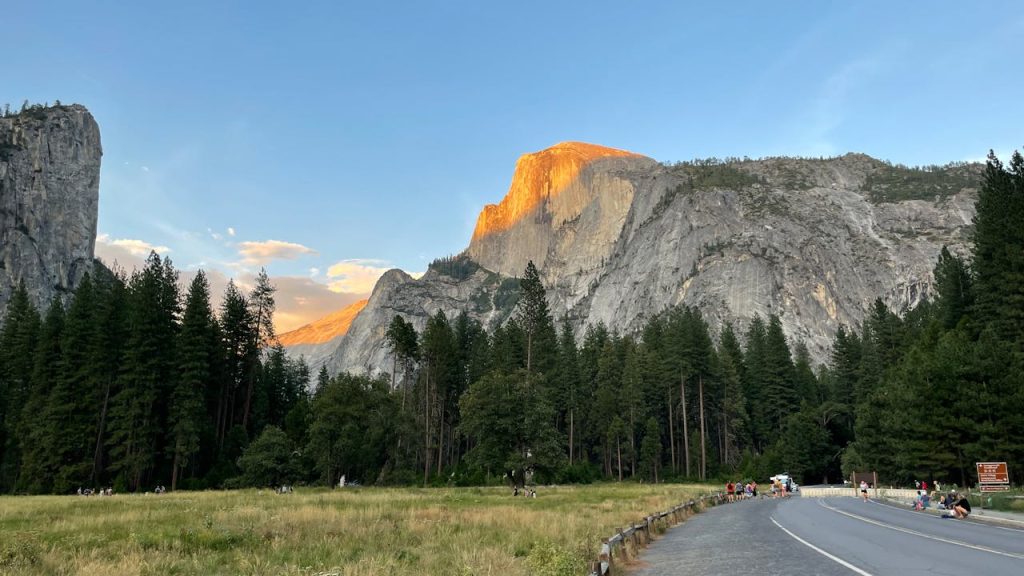
Tioga Road turns Yosemite into a high-country playground, but winter storms can close it for months, and late snow years can delay Tuolumne Meadows services even after the Valley feels fully awake. Travelers who picture one Yosemite discover two: waterfalls roaring below while alpine domes, lakes, and trailheads sit behind locked gates with no easy crossover. Even when Tioga opens, fuel and food up high can be limited, some lodges run short seasons, and trailhead parking fills early, so a day that looked effortless becomes a careful loop built around what is actually operating.
Denali National Park Park Road, Alaska
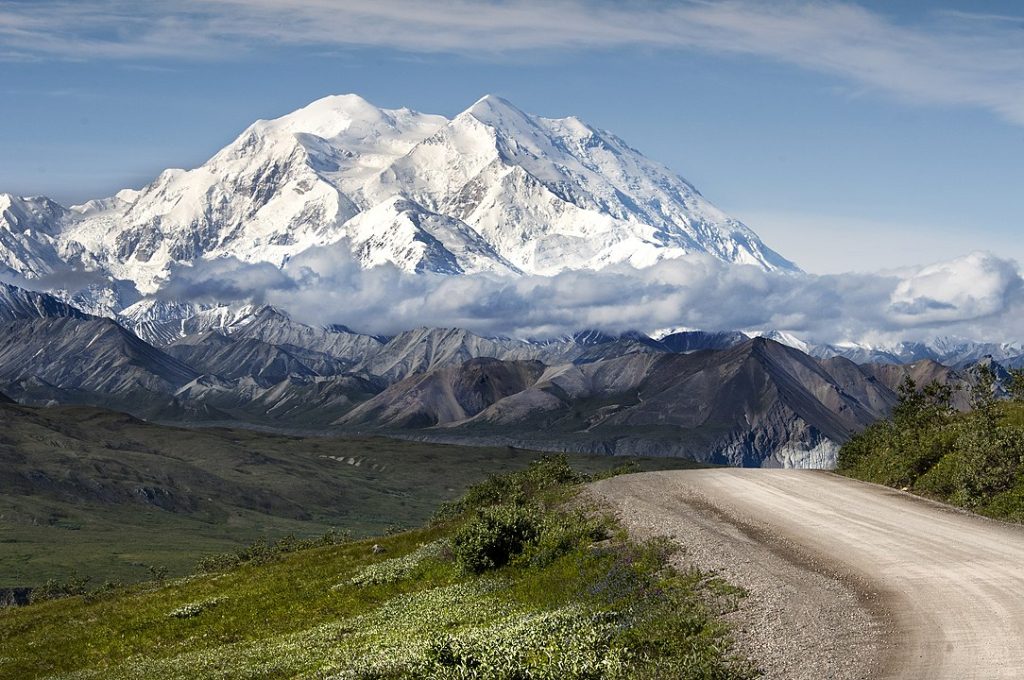
Denali’s Park Road is the doorway to big tundra views, but access changes sharply by season, and that shift surprises visitors who assumed a normal drive-and-stop park. Bus schedules thin in shoulder months, some tours end earlier than expected, and weather or road work can shorten how far vehicles travel even on bright, clear days. The result is a trip built around one departure time and one return window, with fewer chances to linger when wildlife appears late. In the evening, nearby dining and services can also wind down early, leaving the quiet feeling bigger than the town.
Yellowstone’s Interior Roads, Wyoming and Montana
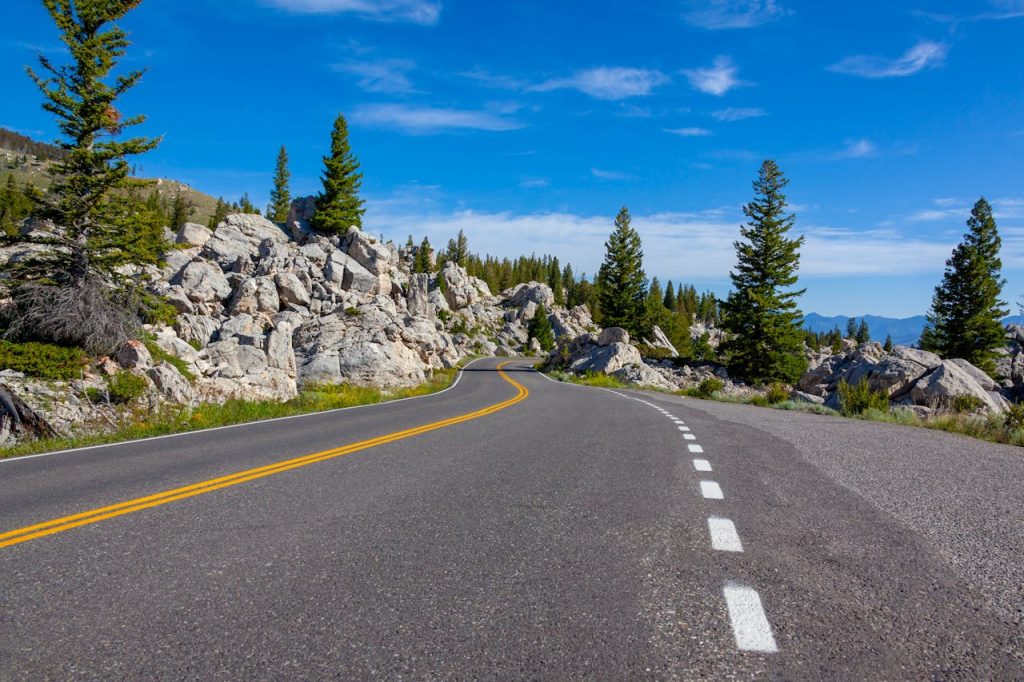
Yellowstone’s interior roads can close for winter, and the move to snow coach or permitted snowmobile access surprises travelers who planned a classic loop between geyser basins. Summer habits do not translate when gates lock, only certain corridors run on fixed schedules, and many lodges, stores, and restaurants pause outside the core winter areas. The park still delivers steam rising in cold air and wildlife tracks on white ground, but moving between regions becomes a planning exercise, because a closed road can turn a short hop into a long reroute, and meal options shrink earlier than expected.
Mackinac Island, Michigan
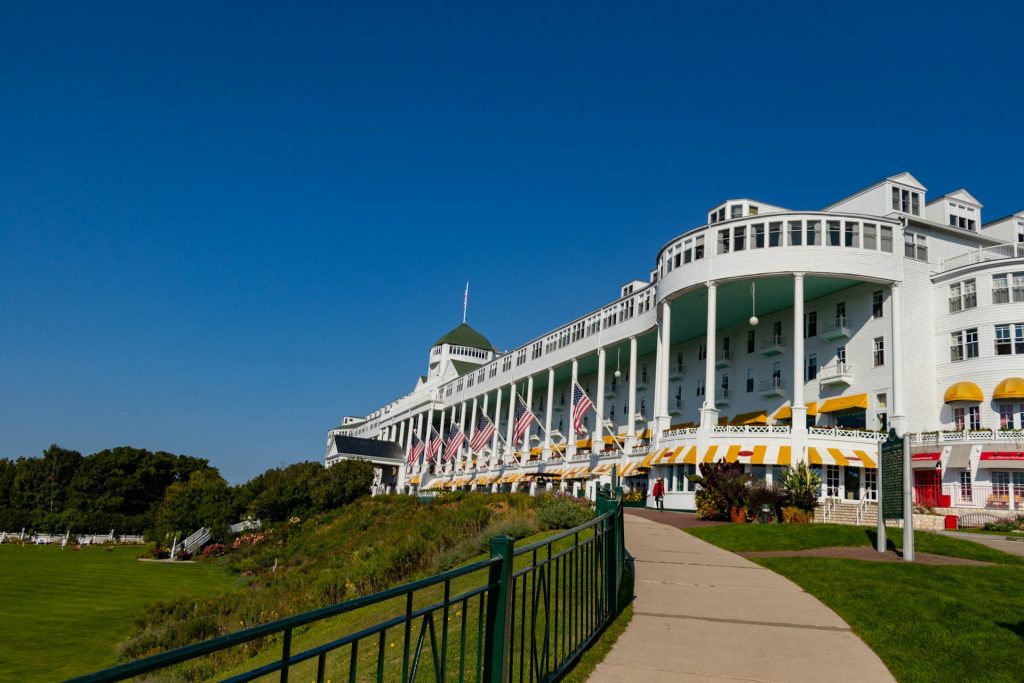
Mackinac Island is famous for car-free charm, yet many shops, tours, and restaurants close once peak season ends, and ferry schedules shrink with weather and demand. Visitors arriving in late fall or early spring often find quiet streets, fewer meal choices, and shorter attraction hours that make the island feel like a different place than the summer postcard. The surprise is how quickly the switch happens. Carriage rides, bike rentals, and historic sites may run on limited days, and some hotels shut entirely until warmer weekends return, bringing back the bustle along the waterline and the smell of fudge on busy corners.
Key West and the Lower Keys, Florida
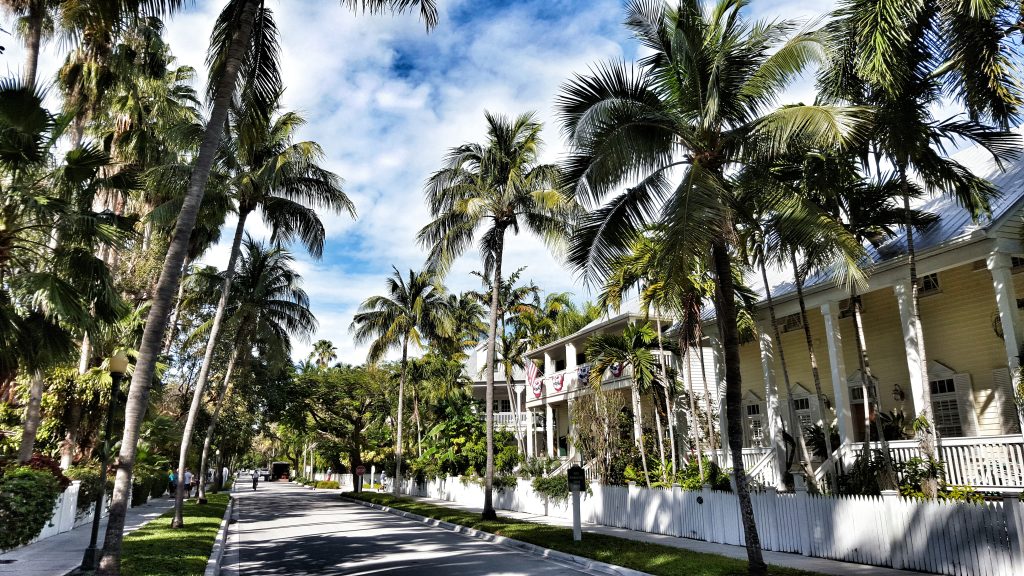
The Keys stay warm, so closures feel counterintuitive, yet hurricane-season disruptions, rough seas, and maintenance resets can pause the very trips people come for. Snorkel boats, fishing charters, and sunset cruises cut departures when wind and waves build, and some venues trim hours when staffing thins between peaks or after a stormy stretch. The surprise is the domino effect. One canceled water outing can unravel a day’s plan, and backups may be sold out, leaving visitors to pivot to forts, museums, and slower streets while watching the forecast for the next calm window.
Zion’s Narrows and River Conditions, Utah
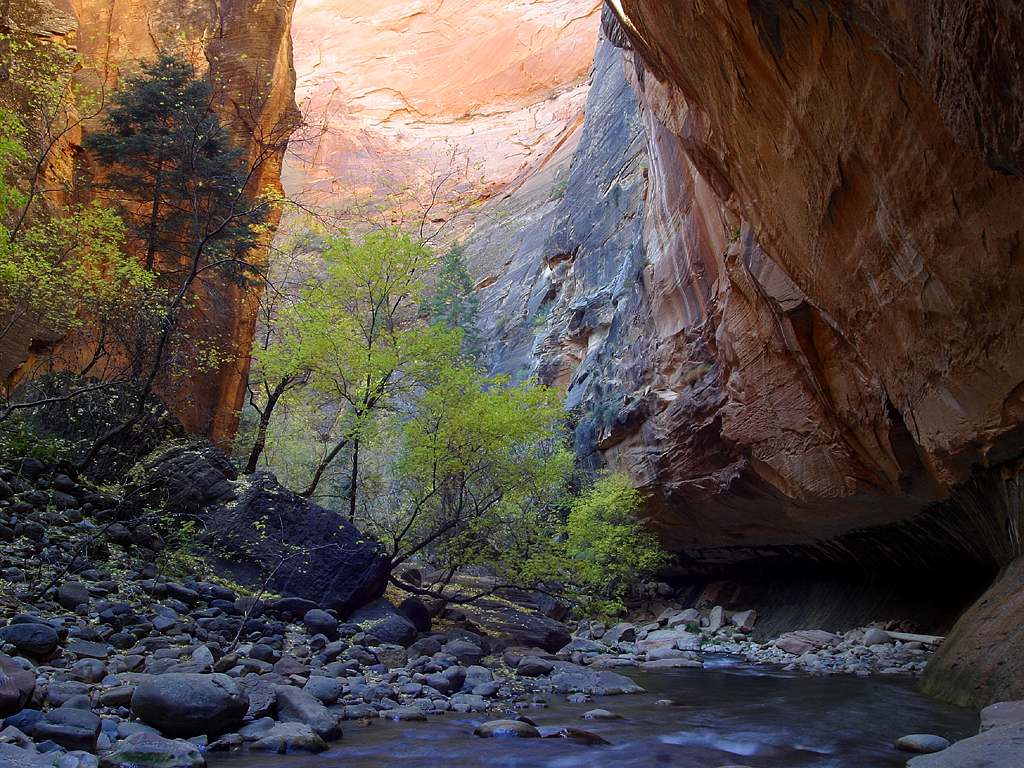
The Narrows looks like an always-open highlight, but spring runoff can raise the Virgin River and trigger closures or strict advisories that change plans overnight. When flow runs high, routes are restricted, permits tighten, and rangers steer visitors toward drier hikes that deliver a different Zion day, with less water play and more sun exposure. The surprise is how quickly conditions can flip, since snowmelt upstream can transform the canyon within days. A wading plan becomes viewpoints and shuttle loops unless river levels are checked and alternate hikes are chosen early, before the parking and lines build.
Lake Tahoe’s High Passes and Scenic Drives, California and Nevada
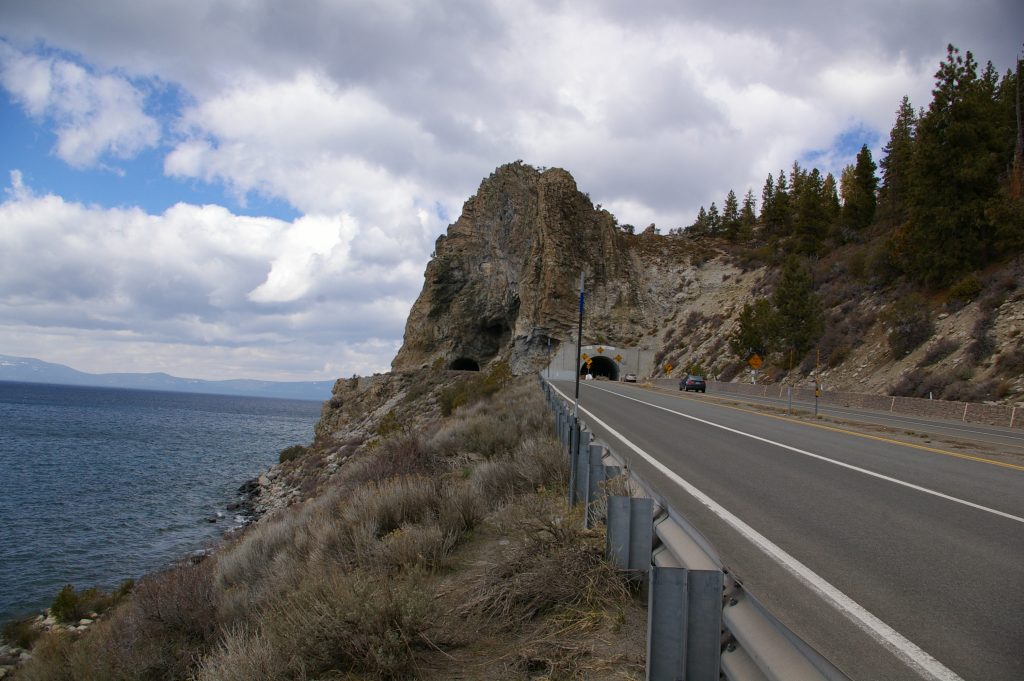
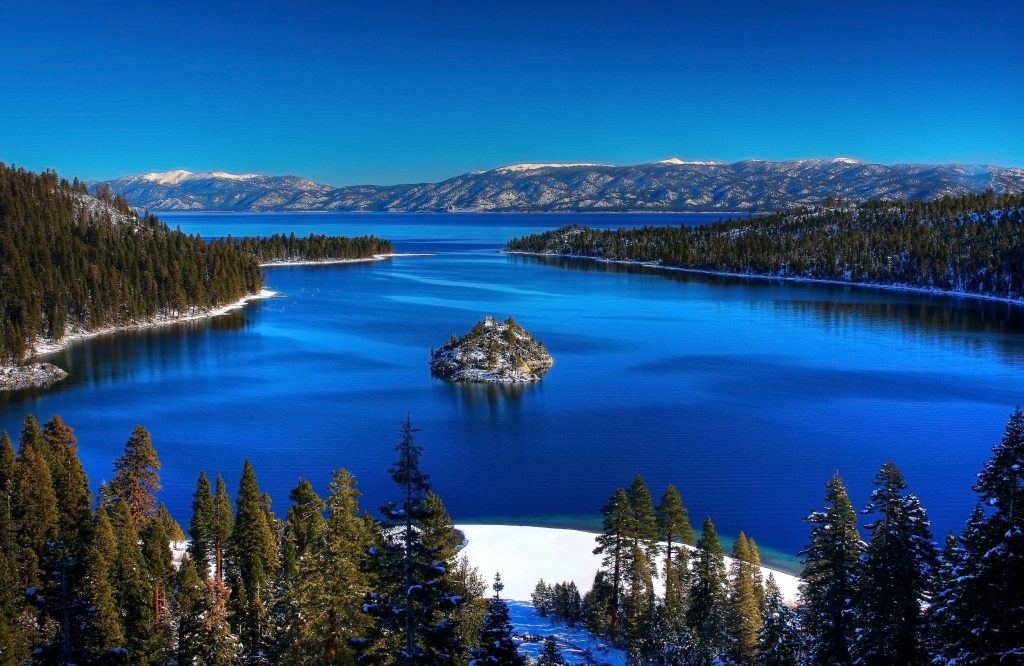
Tahoe sells year-round beauty, but high passes and scenic drives can close in winter storms, with chain controls and detours that rewrite travel times. A route that looks simple on a map becomes a long loop when plows prioritize major corridors and smaller roads stay slick, and parking rules tighten near ski hubs during peak weeks. The surprise is not snow itself, but how it limits casual exploring, dinner plans across the lake, and sunrise viewpoints, making road status checks more important than mileage. When a storm cycle lingers, even a short trip can feel like planning a mini expedition.
Olympic Peninsula Rainforest and Coastal Routes, Washington
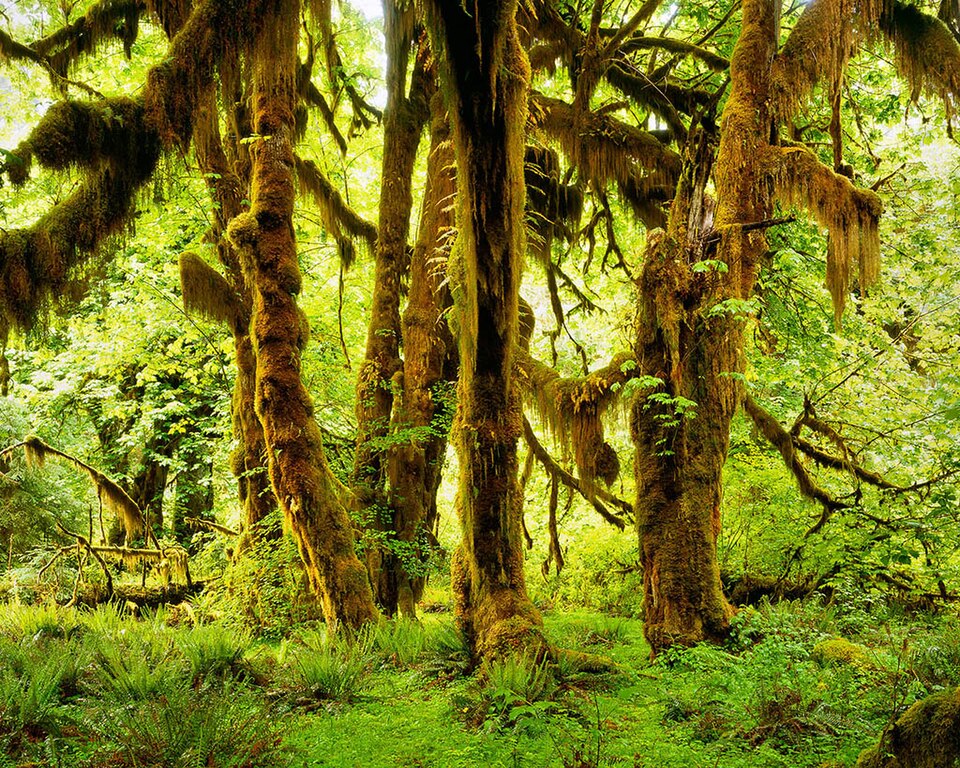
Olympic’s rainforest and beaches seem like steady, all-season escapes, yet winter storms can wash out roads, close coastal routes, and block trailheads with little warning. Gateway towns shift to off-season hours, so cafés, tours, and even basic supplies can be harder to count on after dusk, especially midweek when staff and daylight are both thin. The surprise comes when a simple peninsula loop turns into reroutes and short daylight windows. Beach time depends on tides and surf advisories, but the payoff is a moody coastline, empty viewpoints, and forests that feel almost private, with rain on ferns and surf in the distance.