9 Vintage Recipes That Gen Z Is Suddenly Obsessed With

The resurgence of vintage recipes has captured widespread attention as younger cooks explore dishes that once defined everyday American dining while discovering how comforting flavors can spark fresh creativity. Many classics that older generations prepared regularly now feel novel and charming as their retro styling and familiar ingredients offer a sense of connection to home kitchens of earlier decades. Social platforms play a large role in fueling this renewed curiosity as colorful presentations and timeless textures encourage experimentation. The trend reflects a growing desire for simplicity, nostalgia, and meaningful food traditions grounded in history. As these dishes return to modern tables, they highlight the enduring value of recipes that unite generations through shared culinary memories.
Ambrosia Salad
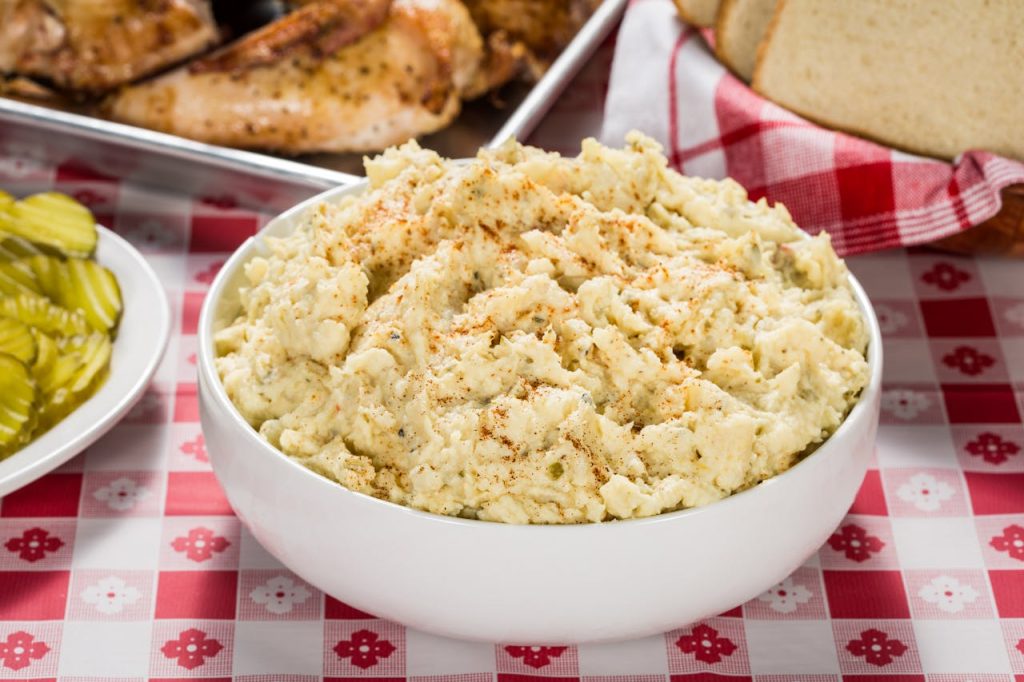
Ambrosia salad has reentered the spotlight as a vibrant, creamy dish that once appeared frequently at family celebrations throughout the American South where its sweet blend of fruit, coconut, and marshmallows created a signature festive flair. Gen Z often approaches it with fascination because the pastel colors and soft textures offer a playful contrast to more modern desserts. The dish photographs well for social sharing, which boosts its popularity while reinforcing its whimsical charm. Although its preparation remains simple, its historical roots add depth by revealing how earlier cooks embraced accessible ingredients to create joy at gatherings. Its return reflects a renewed appreciation for desserts that feel nostalgic and visually spirited.
Deviled Eggs

Deviled eggs continue to charm a new generation as their creamy yolk filling, mild spices, and smooth texture provide an endlessly adaptable appetizer that still reflects its longstanding place in American food history. The dish gained traction in early cookbooks before evolving into a staple of picnics and holiday buffets, where its bite-size convenience made it both practical and beloved. Gen Z often explores variations that add gentle twists without disrupting the familiar core, allowing the recipe to maintain its comforting identity. Their portability suits casual snacking culture, and their retro appeal adds character to gatherings. The dish’s versatility and heritage help sustain its growing presence in modern kitchens.
Tomato Aspic

Tomato aspic fascinates many younger cooks as a savory gelatin dish that once played a prominent role in mid-century spreads, especially throughout the South where molded salads regularly appeared at formal luncheons. Gen Z’s curiosity often stems from the dish’s unusual texture and visually striking presentation, which feel both nostalgic and daring in contemporary cooking. Made by seasoning tomato juice before setting it in decorative molds, aspic showcases the experimental creativity that earlier households embraced when gelatin gained widespread popularity. The dish offers insight into a period when culinary trends favored structured shapes and vibrant colors. Its revival underscores an interest in exploring recipes that challenge expectations while preserving authentic regional traditions.
Meatloaf

Meatloaf’s comforting, hearty presence has gained renewed admiration as Gen Z rediscovers how its straightforward preparation and adaptable flavor profile provide dependable meals rooted in American home cooking traditions. Historically prepared during economic hardships to stretch ingredients efficiently, meatloaf became a symbol of resourcefulness and practicality. The aroma of seasoned ground meat baking in the oven evokes memories for many families while the familiar tomato glaze adds a recognizable finishing touch. Younger cooks appreciate its versatility since seasonal vegetables or spices can shift the flavor without disrupting the classic structure. The renewed popularity highlights a desire for dishes that feel grounding, warm, and connected to the everyday tables of earlier generations.
Pineapple Upside-Down Cake

Pineapple upside-down cake has returned as a cheerful, caramelized dessert that embodies the bright colors and sweet flavors central to mid-century baking. Gen Z embraces it for its photogenic presentation, especially the iconic pineapple rings arranged beneath a glossy syrup that transforms into a decorative topping once the cake is inverted. Its historical rise paralleled the expansion of canned fruit availability, which brought tropical flavors into American homes and inspired imaginative baking trends. Today, the cake offers a sense of playfulness that easily complements gatherings while honoring past culinary creativity. The renewed interest reflects the attraction to desserts that combine simplicity with nostalgic flair, making them ideal for sharing and celebration.
Chicken à la King
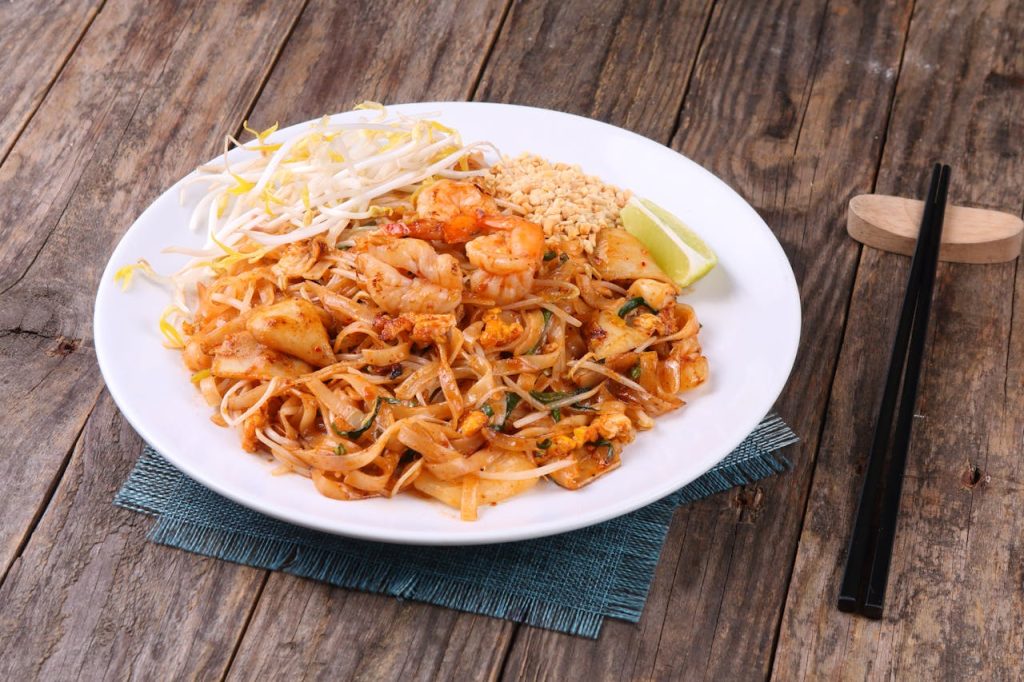
Chicken à la King has captured attention again as a creamy, savory entrée that once appeared in hotel dining rooms before transitioning into a beloved household favorite in the twentieth century. Gen Z often discovers it while exploring vintage comfort foods that rely on tender vegetables, mild seasonings, and velvety sauces to create satisfying meals with minimal complication. Its versatility makes it suitable for serving over rice, pasta, or toast points, echoing the elegant plating once favored in early restaurant service. The dish’s historical context adds charm by revealing how American cuisine adopted European-inspired techniques. Its revival reflects growing appreciation for meals that offer richness, familiarity, and a link to culinary heritage.
Waldorf Salad

Waldorf salad stands out as a crisp, refreshing dish combining apples, celery, and walnuts tossed in a lightly sweet dressing that originated at New York’s Waldorf Hotel in the late nineteenth century. Gen Z appreciates its clean flavors and uncomplicated assembly, which balance historical sophistication with modern accessibility. The dish’s longevity comes from its ability to adapt while maintaining its distinctive trio of ingredients. Its elegant origins contrast pleasantly with its effortless preparation, making it appealing for casual meals or special occasions. The renewed interest highlights a desire for recipes that feel timeless and fresh while serving as reminders of the lasting influence of early American hospitality and dining culture.
Beef Stroganoff

Beef stroganoff has experienced a strong revival as younger cooks reconnect with its creamy, savory profile rooted in nineteenth-century Russian cuisine before becoming a staple in American homes. The combination of tender beef cooked in a rich sauce and served over noodles or rice offers comforting familiarity while still conveying global influence. Gen Z appreciates how the dish blends warmth, convenience, and adaptability since small adjustments can personalize flavors without disrupting tradition. Its historical journey from European dining rooms to mid-century American tables adds depth to its modern presence. The renewed enthusiasm reflects a broader interest in approachable meals that carry both cultural heritage and satisfying substance into everyday cooking.
Jello Salad

Jello salad continues to intrigue Gen Z as a brightly colored, nostalgic dessert that once appeared at countless potlucks, holiday gatherings, and community events across the country. Its vivid hues and whimsical layers of fruit, whipped toppings, and molded shapes showcase the playful experimentation that defined mid-century culinary culture when gelatin became a household staple. Modern fascination often comes from its retro aesthetic and cheerful presentation, which make it well suited for social sharing. Although some variations may feel unconventional today, the dish represents a unique moment in American food history when creativity and convenience intersected. Its return reflects growing interest in exploring quirky vintage traditions with renewed appreciation.