9 Ways Airport Security Changes Hit Women Travelers

My approach to air travel was once defined by speed and minimalism. I would arrive at the airport an hour before departure, confident that my streamlined carry-on routine would breeze through the checkpoint without a second glance. I relied on the predictability of the process to maintain a sense of dignity and efficiency. But looking at the landscape of 2026, that assumption of friction-free movement has collapsed. The introduction of hyper-sensitive scanners, biometric mandates, and fluctuating liquid rules has disproportionately impacted women, turning the security line into a source of anxiety rather than a mere formality.
This shift is driven by a collision of new technology and old biases. Security analysts and privacy advocates note that while the stated goal is universal safety, the hardware and protocols are often calibrated to a male default, flagging common female garments, medical devices, and personal care items as threats. The seamless business trip of the past is being replaced by a navigational challenge where clothing choices and packing strategies must be defensive. I realized that getting to the gate now requires a strategy that accounts for the specific ways these systems read, and often misread, the female body.
Body Scanner Algorithms
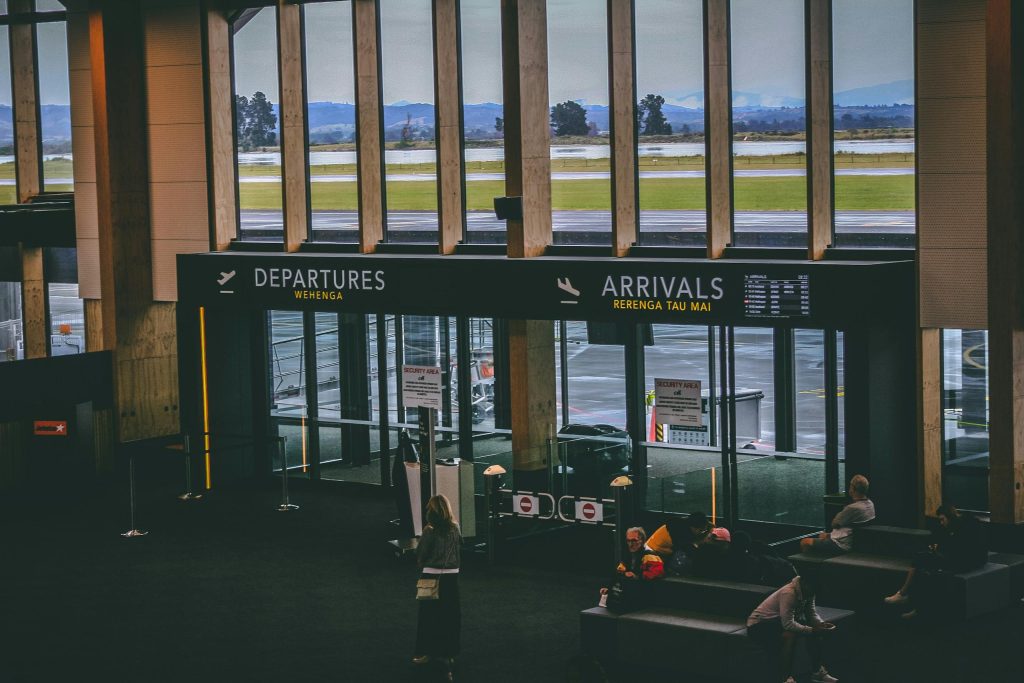
The millimeter-wave scanners found at major hubs are designed to detect non-metallic threats, but they frequently generate false alarms on female passengers. Civil rights groups and privacy researchers explain that the automated target recognition software is often trained on data sets that do not adequately account for the diversity of female body shapes or undergarment construction. This results in the machine flagging the chest or groin area as containing an anomaly when it is simply detecting the density of heavy fabric or body contours.
The drivers here are standardization and threat detection sensitivity. Transportation security agencies prioritize high-sensitivity settings to prevent prohibited items from passing through, accepting a higher rate of false positives as a necessary cost. This creates a checkpoint environment where the technology acts as a blunt instrument rather than a precision tool.
This technological interaction defines the modern pre-flight experience as one of public scrutiny.
The tradeoff is the inevitability of a physical search. When the machine flags an area, agents are required to resolve the alarm with a pat-down. This adds time to the process and forces travelers to undergo invasive touching in a public setting simply because the algorithm could not interpret their clothing correctly.
Liquid Limit Reversals
The reintroduction of strict 100ml liquid limits at many European and UK airports has created chaos for travelers who had adapted to the promise of new C3 scanners. Aviation authorities mandated the sudden return to the old rules after discovering technical shortcomings in the new equipment’s ability to screen certain liquid densities accurately. For women who often carry specific skincare regimens, makeup, or contact lens solutions, this reversal has led to last-minute confiscations and forced checked bags.
The drivers are equipment reliability and harmonized safety standards. Regulators determined that the inconsistency between airports with working scanners and those without created a security gap. The immediate response was to revert to the most restrictive common denominator to ensure no explosives could slip through the cracks of a faulty rollout.
The checkpoint becomes a zone of confusion where the rules change depending on the specific machine in the lane.
A tradeoff is the financial loss and logistical frustration. expensive products that were cleared in one direction may be confiscated on the return leg. The unpredictability forces travelers to check bags they intended to carry on, adding fees and the risk of lost luggage to what should have been a simple trip.
Hair and Headwear Protocols

Travelers with thick hair, braids, buns, or religious head coverings frequently face mandatory additional screening. Security protocols often require agents to conduct a manual pat-down of hair if the scanner cannot see through the density of the style. Social justice advocates and frequent flyers note that this policy disproportionately affects women of color, transforming a standard grooming choice into a security trigger.
The drivers are concealment risks and density limitations. Security experts state that the scanners have a limited depth of field and cannot verify that the space within voluminous hair or headwear is free of prohibited items. The protocol mandates a physical check to resolve the blind spot created by the machine’s technical limits.
This interaction highlights the intersection of personal identity and state security surveillance.
The tradeoff is a sense of targeting and public embarrassment. The requirement to have an agent touch one’s head or hair can feel dehumanizing and discriminatory. It adds a layer of friction to the travel day that passengers with different hair textures or styles simply do not experience.
Biometric Identity Checks
The rapid expansion of facial recognition technology at boarding gates and checkpoints introduces new complications for female travelers. Biometric researchers warn that these systems can struggle to match a live face to a passport photo if there are significant changes in makeup, hairstyles, or weight. While the goal is seamless processing, the reality for some women is a “no match” error that requires manual intervention.
The drivers are processing speed and identity verification. Border control agencies and airlines are pushing for a contactless journey to handle record passenger numbers. The reliance on algorithms to verify identity assumes a static appearance that does not always align with how women present themselves day-to-day versus in their official documentation.
The digital border represents a shift from human discretion to algorithmic rigidity.
A tradeoff is the privacy cost and potential for delays. Women may feel pressured to minimize makeup or alter their appearance to ensure the machine recognizes them. Additionally, the collection of biometric data raises long-term privacy concerns about how this sensitive information is stored and shared across government databases.
Breast Milk and Formula Screening
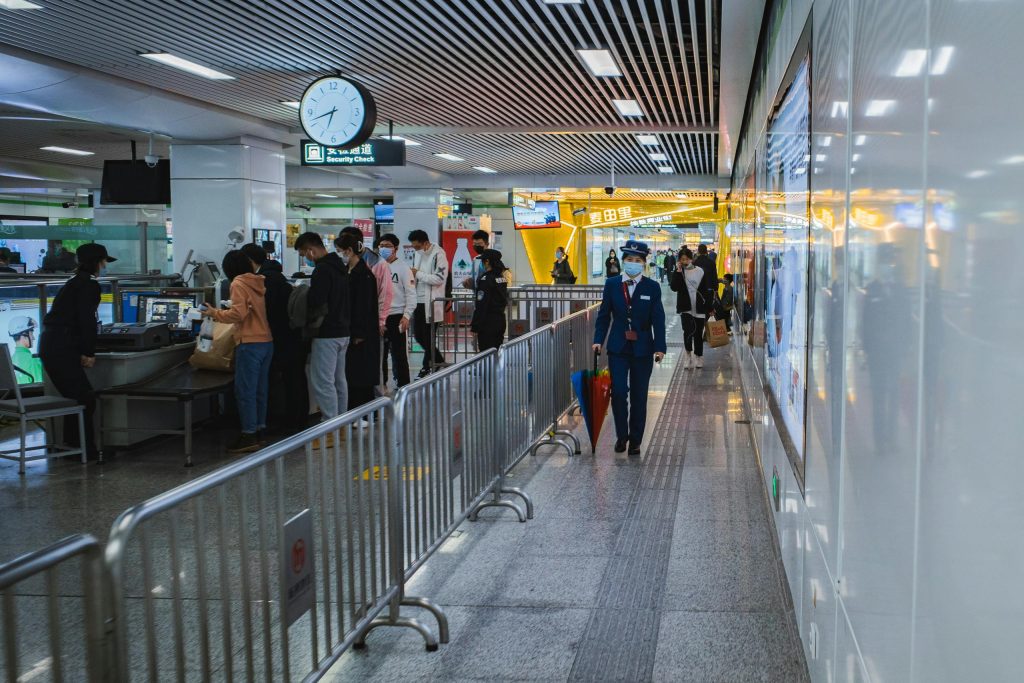
Traveling with breast milk or formula remains one of the most stressful interactions at the security checkpoint. While regulations explicitly allow these items in quantities exceeding 3.4 ounces, the screening process is often inconsistent and invasive. Family travel advocates report that agents frequently mishandle these medical necessities, requiring them to be opened or subjected to vapor analysis that parents fear could contaminate the supply.
The drivers are liquid explosive threats and protocol adherence. Security officers are trained to treat all undefined liquids as potential threats until proven otherwise. The testing protocols are designed to verify the substance without understanding the emotional and nutritional value it holds for the traveler.
This specific screening creates a high-stakes moment for mothers trying to protect their child’s food source.
The tradeoff is the time consumed and the emotional toll. The screening process can take significantly longer than standard checks, risking missed flights. Parents often face the choice of discarding valuable milk to make a flight or enduring a lengthy, stressful negotiation with security staff.
Feminine Hygiene Anomalies
The sensitivity of modern body scanners has led to an increase in alarms triggered by feminine hygiene products. Security insiders acknowledge that the machines detect any item on the body that differs in density from skin, which can include pads or panty liners. This results in the scanner highlighting the groin area, necessitating a sensitive and awkward explanation or a physical search.
The drivers are the “nothing on the body” standard. The technology is calibrated to detect any concealment, lacking the nuance to distinguish between a security threat and a standard hygiene product. The strict adherence to resolving every alarm means that agents cannot simply wave a passenger through based on a verbal explanation.
The screening environment forces a private biological reality into the public domain.
A tradeoff is the invasion of privacy and dignity. Having to discuss menstrual cycles with a uniformed stranger or submit to a groin pat-down is a humiliating experience. It creates a deterrent for travel during certain times of the month or forces women to choose less comfortable products to avoid triggering the machine.
Jewelry and Wearable Tech

The trend toward smart jewelry and permanent accessories creates frequent bottlenecks for women at checkpoints. Security protocols require the removal of bulky jewelry and electronics, but modern smart rings and bracelets often resemble traditional accessories. Confusion over what must be removed leads to passengers being sent back through the scanner or subjected to wanding when the metal detector alarms.
The drivers are electronic shielding and metal detection. Security analysts explain that any electronic device can theoretically be used to conceal a threat or interfere with the scanner’s image. The blanket rules often fail to account for the nuance of modern wearables that are designed to be worn 24/7 and may be difficult to remove quickly.
This friction point clashes with the design of modern accessories intended for seamless integration.
The tradeoff is the risk of loss and the slowing of the line. Small, expensive items placed in gray bins are easily forgotten or stolen in the chaos of the checkpoint. The pressure to strip off multiple accessories disrupts the flow and adds a layer of frantic management to the security experience.
Underwire and Clothing Fasteners
The persistence of traditional metal detectors in some lanes means that underwire bras and metal clothing fasteners remain a common trigger for secondary screening. While newer scanners are less sensitive to these small amounts of metal, the random assignment to a metal detector lane can catch travelers off guard. Security staff must resolve the alarm, often leading to a wanding of the chest area.
The drivers are magnetic sensitivity and legacy infrastructure. Older machines detect any disruption in the magnetic field, and the amount of metal in an underwire or a heavy zipper is often enough to cross the threshold. Airports maintain these machines as backups or for specific pre-check lanes, keeping the issue relevant.
The checkpoint experience varies wildly based on which specific machine is in use.
A tradeoff is the inconsistency of the rule application. A traveler might wear the same outfit on five flights without issue, only to be stopped and searched on the sixth. This unpredictability makes it difficult to plan an “airport safe” outfit with any certainty.
Intrusive Pat-Down Procedures
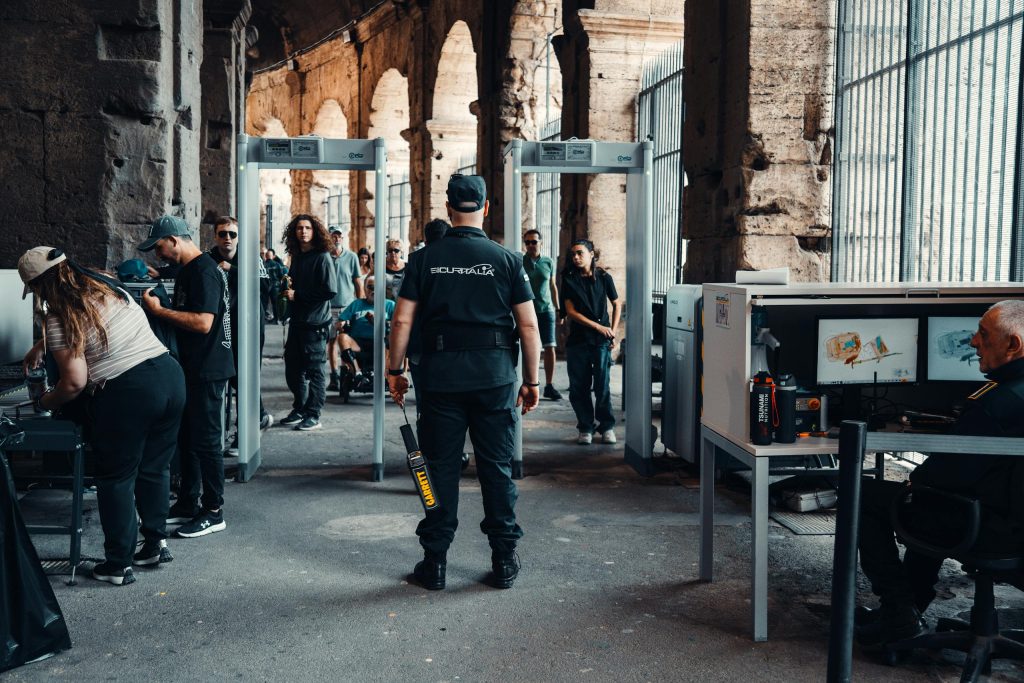
The resolution of any alarm, whether from a scanner, metal detector, or random selection, often results in a full-body pat-down. Civil liberties groups have long criticized the invasiveness of these searches, which involve agents using the backs of their hands to touch sensitive areas. For women, particularly survivors of trauma, this procedure can be deeply distressing and psychologically harmful.
The drivers are threat resolution and rigid standard operating procedures. TSA and international security agencies maintain that a manual search is the only way to verify that a concealed item is not a weapon. The protocols are strict and leave little room for agent discretion, prioritizing the clearing of the alarm over the comfort of the passenger.
This physical contact represents the ultimate breakdown of the “touchless” security promise.
The tradeoff is the potential for psychological harm and a loss of bodily autonomy. The experience reinforces the feeling that the traveler’s body is subject to state control the moment they enter the terminal. It adds a heavy mental weight to the travel experience that persists long after the checkpoint is cleared.
Source
https://www.tsa.gov/travel/security-screening
https://www.gov.uk/hand-luggage-restrictions/liquids
https://www.aclu.org/issues/privacy-technology/air-travel-privacy
https://www.tsa.gov/travel/special-procedures/traveling-children
https://ec.europa.eu/transport/modes/air/security/aviation-security-policy/liquids-aerosols-and-gels_en
https://www.propublica.org/article/tsa-transgender-screening-policies-scanners