9 Ways Cold Weather Changes How People Travel
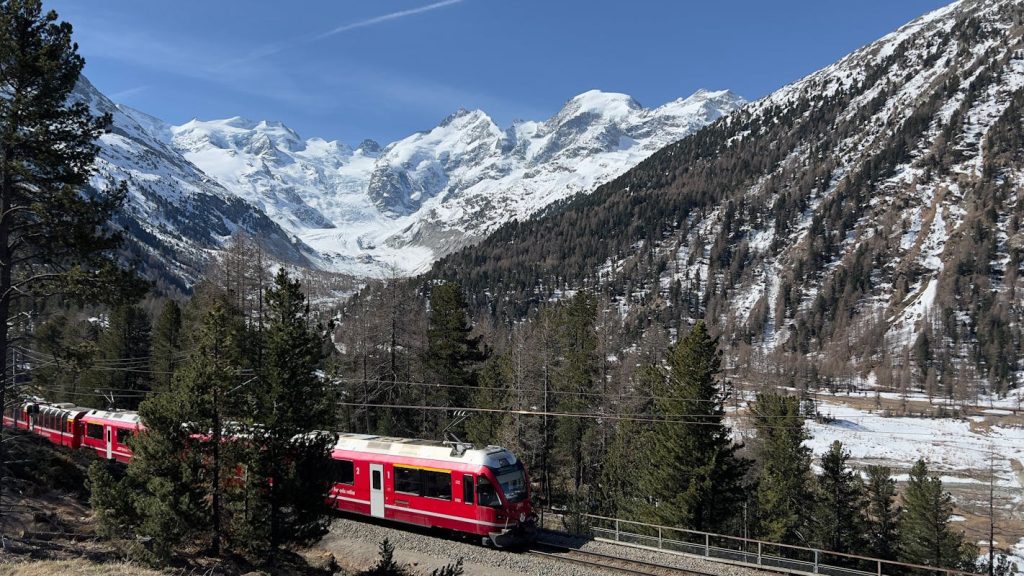
Cold weather reshapes travel in ways that extend beyond packing heavier clothing or adjusting departure dates. Temperature influences how people move, plan, rest, and interact with destinations. Shorter days, variable conditions, and physical comfort all affect decisions once a trip begins. Travel becomes more deliberate, with increased focus on shelter, timing, and efficiency. Cold also alters social rhythms, transportation reliability, and expectations around activity levels. These changes are not always obvious but consistently shape behavior. Understanding how cold weather influences travel reveals why winter journeys feel slower, quieter, and more intentional compared to warmer season experiences.
Travel Becomes More Time Conscious
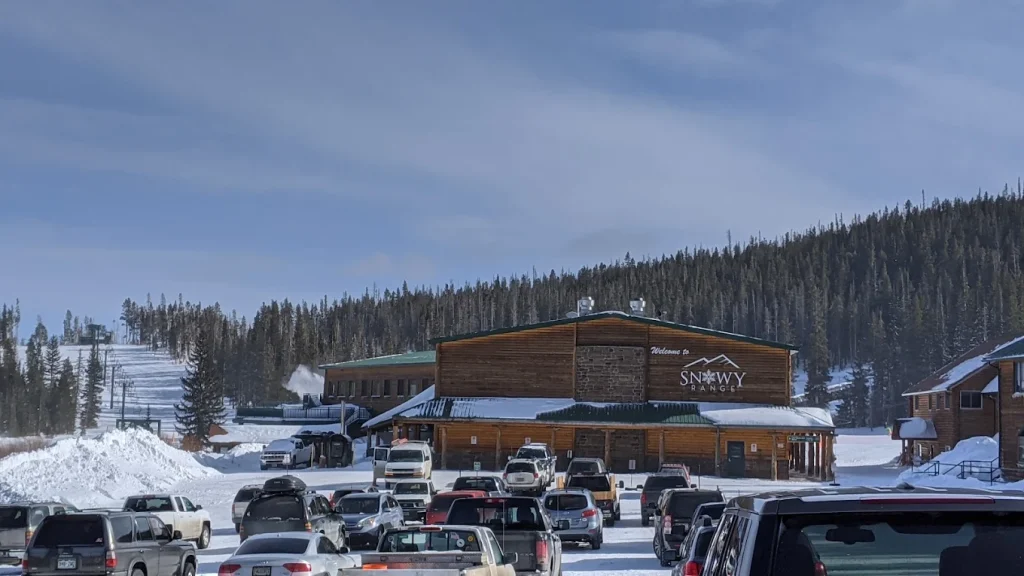
Cold weather makes travelers more aware of time because daylight hours shorten and conditions change quickly. Planning begins earlier in the day to maximize usable light. Delays feel more consequential when darkness arrives sooner. People monitor clocks closely to avoid traveling in poor visibility or dropping temperatures. Activities are scheduled with tighter margins, leaving less room for spontaneity. Missed connections or slow movement carry higher risk. This heightened time awareness shapes itineraries and reduces late night travel. Cold conditions teach travelers to respect natural limits, encouraging structured days and careful pacing rather than open ended exploration common in warmer months.
Transportation Choices Narrow
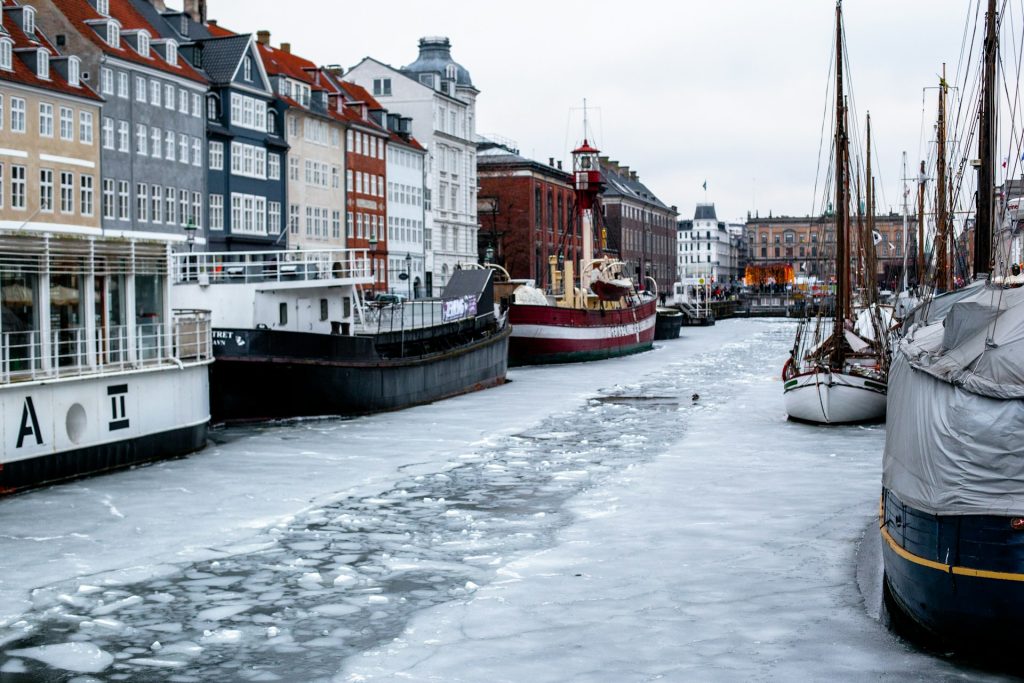
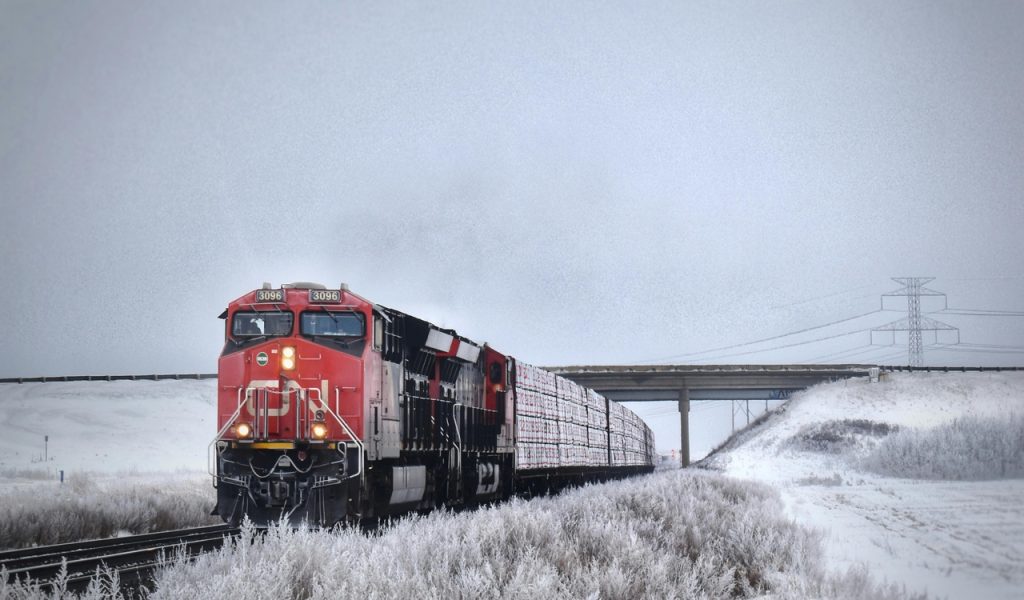
Cold weather limits transportation options by reducing reliability and flexibility. Snow, ice, and wind disrupt flights, and roads more frequently. Travelers gravitate toward routes with better maintenance and support infrastructure. Remote options feel riskier due to slower response times. Public transportation schedules become more conservative. Walking distances shorten as exposure increases discomfort. These constraints narrow choices and favor direct, predictable travel methods. Cold weather shifts preference toward stability over novelty. As conditions worsen, travelers prioritize safety and consistency, shaping routes that minimize uncertainty and reduce reliance on vulnerable connections or secondary transportation systems.
Packing Prioritizes Function Over Style

Cold weather changes packing habits by shifting focus toward function and protection. Clothing choices emphasize insulation, layering, and weather resistance. Weight increases as bulkier items replace lightweight options. Accessories such as gloves and hats become essential rather than optional. Packing mistakes feel costly when warmth is compromised. Travelers reduce outfit variety to accommodate practical needs. Footwear selection prioritizes traction and insulation. Space fills quickly, limiting room for nonessential items. This functional approach reflects adaptation to environment. Cold weather encourages thoughtful packing decisions where comfort and safety outweigh appearance or variety during extended travel days.
Daily Movement Slows Noticeably
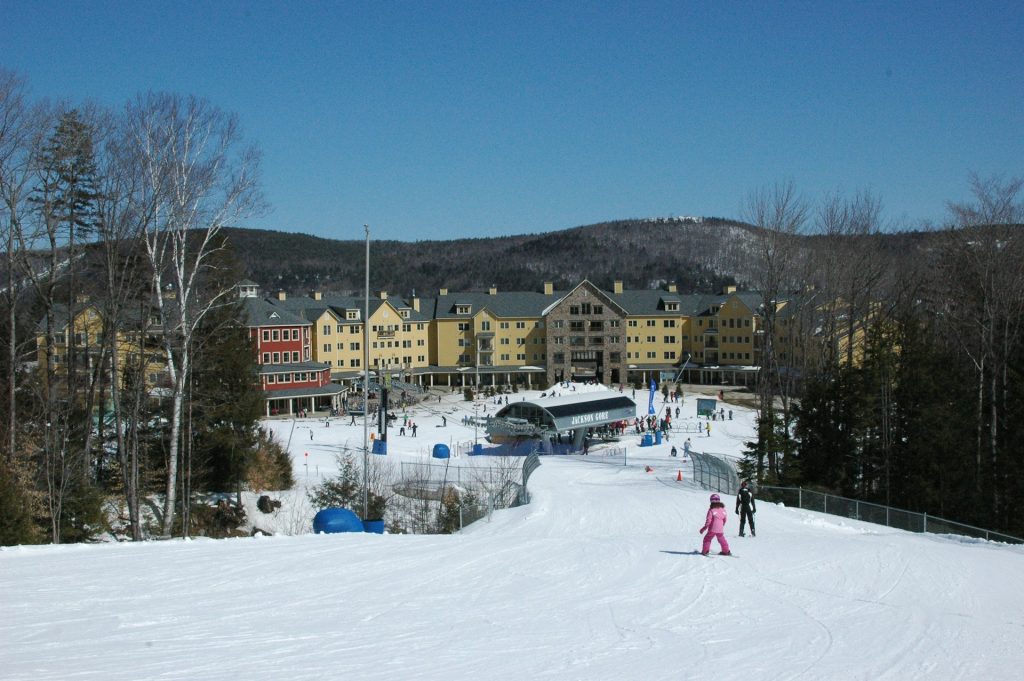
Cold temperatures naturally slow daily movement during travel. People walk more cautiously to avoid slips or injury. Frequent stops occur to warm hands or rest. Outdoor attractions require more energy, reducing endurance. Even short distances feel longer in harsh conditions. Travelers plan fewer activities per day. Transit between sites takes more time due to layered clothing and careful footing. Cold encourages shorter outings balanced by indoor breaks. This slower pace alters expectations and experiences. Travel becomes less about covering ground and more about managing energy, warmth, and recovery between movements throughout the day. Such pacing supports safety, awareness, and sustained enjoyment.
Accommodation Choices Gain Importance
Cold weather elevates the importance of accommodation quality. Travelers spend more time indoors, making warmth, insulation, and comfort essential. Lodging becomes a refuge rather than a base. Proximity to attractions matters less than heating reliability. Amenities like hot water and common spaces gain value. Budget compromises feel more significant when comfort suffers. Travelers prioritize predictable environments that support rest. Cold conditions shift focus from location alone to how a space functions. Accommodation decisions influence overall satisfaction, shaping travel experiences around recovery, warmth, and stability rather than convenience alone. Comfortable lodging directly affects mood, and overall travel resilience.
Social Interaction Becomes More Intentional
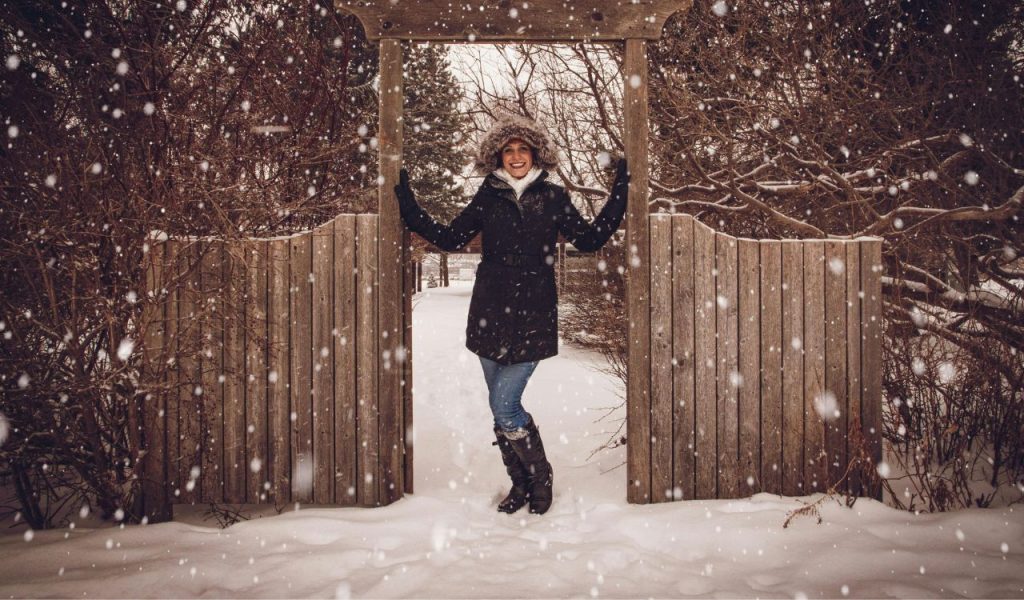
Cold weather alters social interaction by encouraging smaller, intentional gatherings. Outdoor mingling decreases as people seek shelter. Conversations happen indoors or in quieter settings. Shared warmth becomes a focal point of connection. Travelers engage more deeply with fewer people rather than many brief encounters. Social schedules tighten around meals and evenings. Noise levels drop as activity concentrates inside. Cold fosters reflection and intimacy rather than casual interaction. Travel experiences become quieter and more personal. This shift changes how people connect with destinations and each other, favoring depth over breadth during colder journeys. These conditions strengthen bonds and encourage meaningful shared moments.
Spontaneity Gives Way To Planning
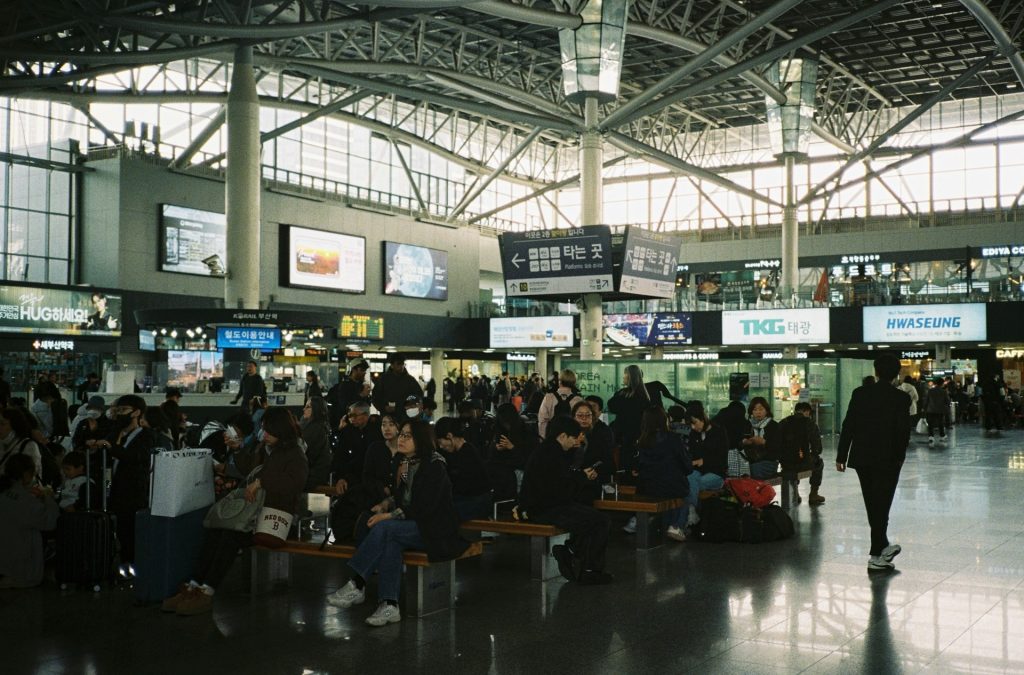
Cold weather reduces spontaneity by increasing consequences of poor decisions. Weather changes demand preparation. Missed opportunities cannot always be recovered safely. Travelers plan routes, meals, and timing carefully. Backup options are identified in advance. Flexibility remains but within defined limits. Cold discourages impulsive detours or extended outings. Planning becomes a form of risk management. This structured approach contrasts with warm weather travel where adjustments feel easier. Cold conditions reward foresight and patience, shaping travel into a more deliberate process where preparation supports safety and comfort. Careful preparation reduces stress and supports confidence in uncertain conditions.
Indoor Experiences Gain Value
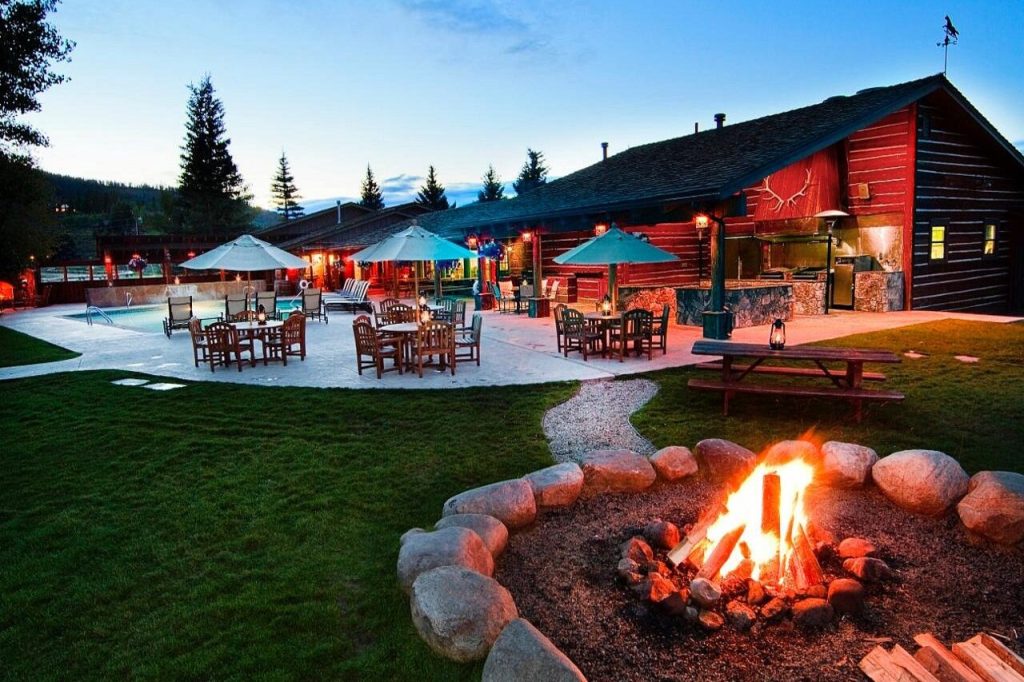
Cold weather shifts attention toward indoor experiences during travel. Museums, cafes, baths, and cultural sites become central rather than supplemental. Travelers seek warmth and shelter while exploring local life. Time spent indoors feels purposeful rather than like an escape. Cold highlights seasonal traditions tied to interior spaces. Food and drink gain prominence. These experiences provide rest between outdoor movement. Travel balances exposure with retreat. Cold conditions elevate appreciation for interiors as cultural spaces. This shift reshapes itineraries, emphasizing depth of experience within contained environments over constant outdoor activity. This balance fosters immersion, comfort, and engagement during colder trips.
Energy Management Becomes Central
Cold weather forces travelers to manage energy more consciously. Maintaining body temperature consumes calories and effort. Fatigue arrives sooner. Travelers schedule rest deliberately. Nutrition becomes more important. Overexertion carries greater risk. Breaks are planned rather than incidental. Sleep quality affects daily performance. Cold exposes limits quickly, encouraging realistic pacing. Energy management shapes decisions throughout the day. Travel becomes an exercise in balance rather than endurance. This awareness leads to more sustainable movement and reduces burnout, making cold weather travel as much about conservation as exploration. Careful pacing preserves strength and enjoyment throughout extended cold journeys.