9 Winter Escapes That Feel Calm Instead of Crowded
Winter travel often brings images of packed resorts, long lift lines, and busy streets filled with seasonal visitors. Yet many destinations offer a different experience, one defined by quiet beauty, slower rhythms, and space to breathe. These places embrace winter without relying on spectacle or volume, allowing landscapes and local culture to set the pace. Snow, cold air, and shorter days become features rather than obstacles. Travelers drawn to calm often find these environments restorative rather than stimulating. This article highlights nine winter escapes known for serenity, manageable crowds, and atmospheres that encourage rest, reflection, and unhurried exploration during the colder months.
Luang Prabang, Laos
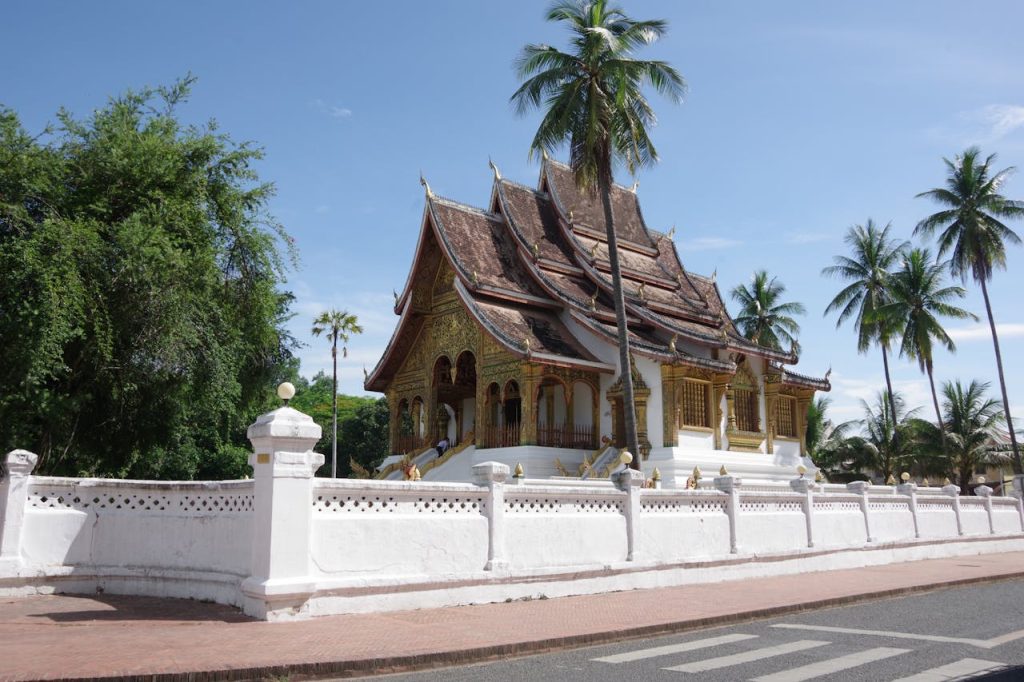
Luang Prabang offers a calm winter escape shaped by gentle temperatures and deeply rooted traditions. While winter elsewhere brings snow, this riverside town experiences cooler, drier weather that supports outdoor exploration without crowds. Daily life follows predictable rhythms marked by markets, temple ceremonies, and early evenings. Tourism remains present but subdued, blending into local routines rather than overwhelming them. The town’s small scale and walkable streets reduce pressure to plan extensively. Surrounded by rivers and hills, Luang Prabang encourages observation and patience. Winter here feels restorative, defined by quiet mornings, respectful interactions, and a pace that rarely demands urgency.
Santa Fe, New Mexico
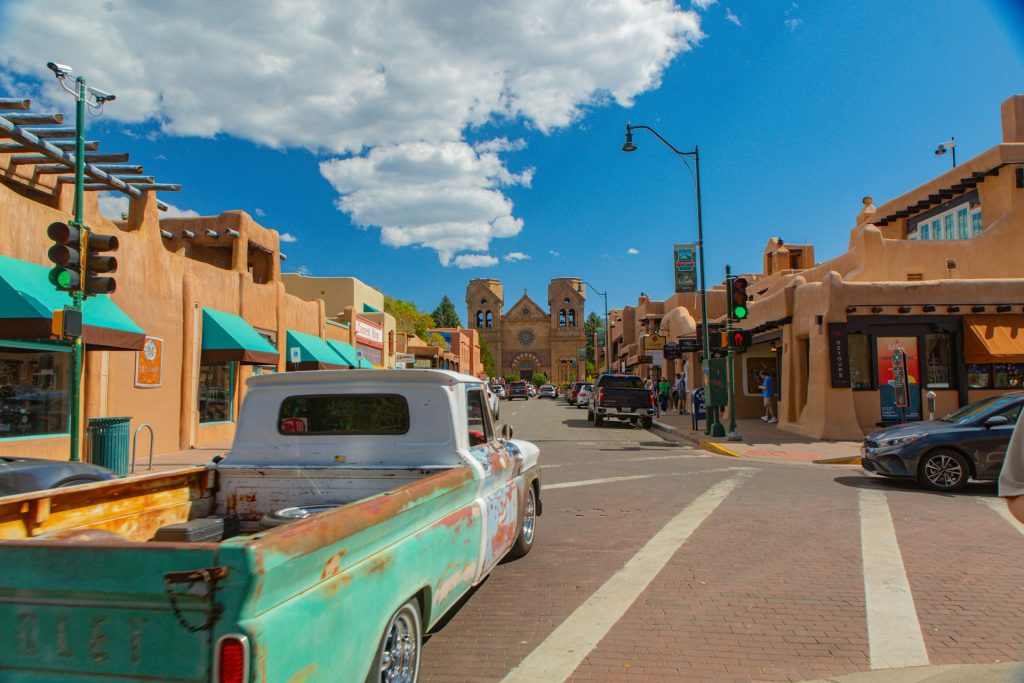
Santa Fe becomes especially calm during winter, when cooler temperatures and occasional snow soften the city’s already reflective atmosphere. Adobe architecture, and muted desert colors create visual quiet. Museums, and historic streets remain accessible without peak season congestion. The city’s elevation naturally slows movement, encouraging measured exploration. Local culture values creativity, contemplation, and routine over spectacle. Winter evenings feel intimate rather than inactive. Outdoor walks and cultural visits unfold without pressure. Santa Fe’s winter rhythm supports presence and balance, offering a peaceful alternative to busier seasonal destinations while maintaining artistic richness throughout the colder months.
Hobart, Tasmania
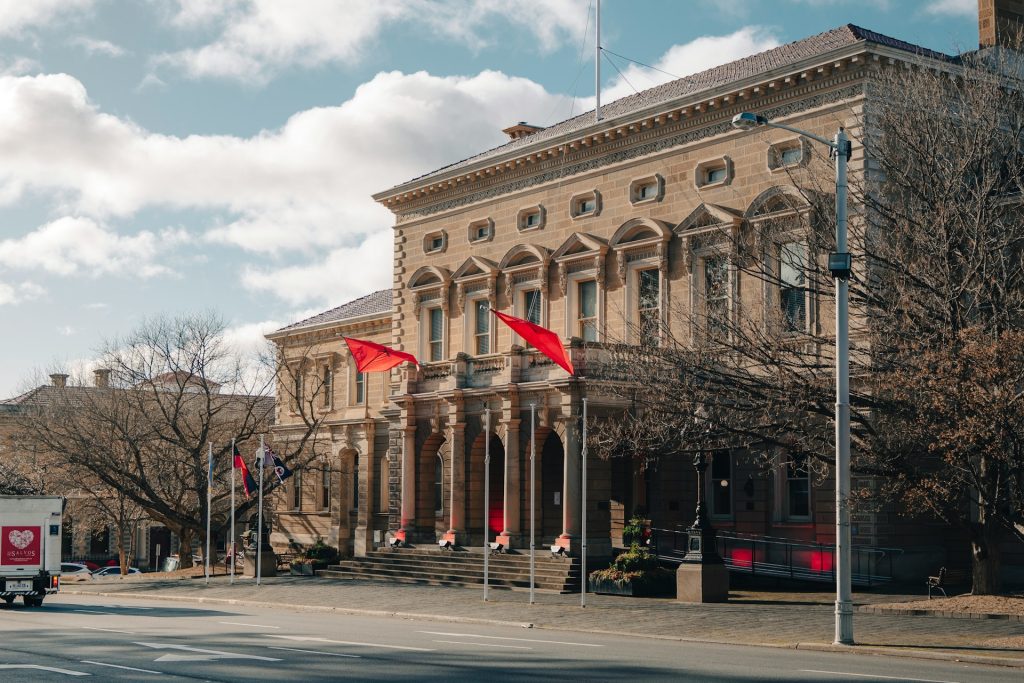
Hobart offers a tranquil winter escape defined by cool air, coastal scenery, and small-city ease. Winter brings fewer visitors, allowing markets, museums, and waterfront paths to feel spacious and unhurried. The surrounding landscapes remain dramatic year round, with nearby national parks encouraging quiet exploration. Local life continues steadily, shaped by geography and seasonal routines rather than tourism cycles. Restaurants and cultural spaces operate without urgency. Even popular attractions maintain a manageable scale. Hobart’s winter pace favors conversation, reflection, and scenery over constant activity, making it well suited for travelers seeking calm experiences anchored in nature and local character.
Kyoto, Japan
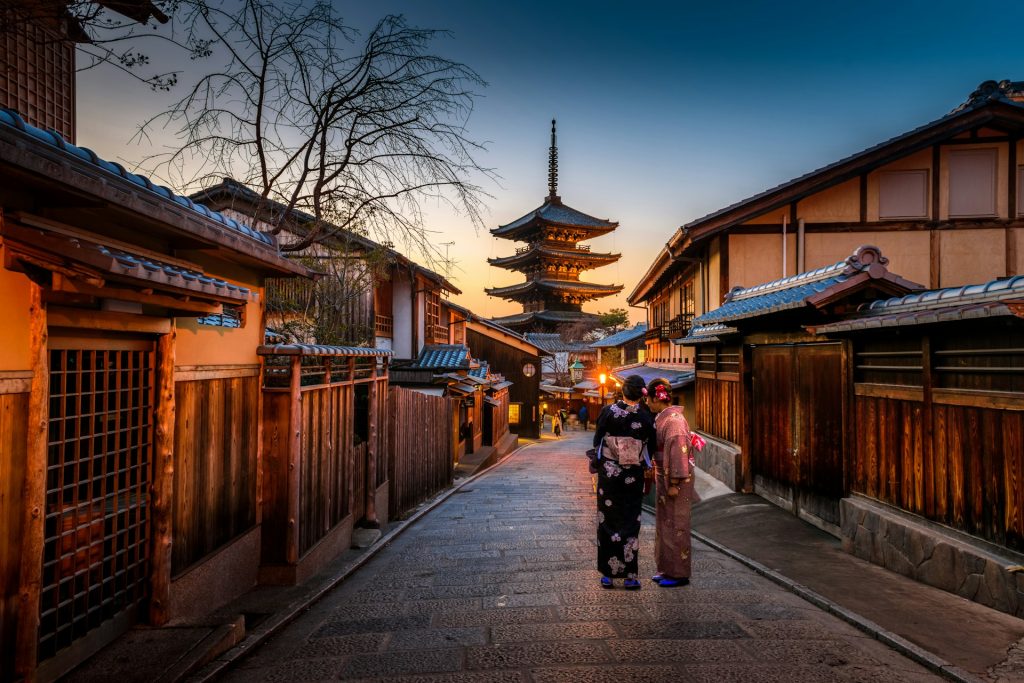
Kyoto in winter feels contemplative rather than crowded, outside peak holiday periods. Cooler temperatures thin visitor numbers at temples, gardens, and traditional neighborhoods. Bare trees and occasional snow highlight architectural lines. Public transportation remains efficient, reducing stress. Cultural norms encourage quiet observation and respectful behavior, reinforcing a calm atmosphere. Winter light softens the city, and early evenings create natural pauses. Seasonal cuisine and temple visits feel intimate rather than performative. Kyoto’s winter character emphasizes stillness, history, and ritual, offering a serene way to experience one of Japan’s most culturally significant cities without constant movement or noise.
Prince Edward Island, Canada
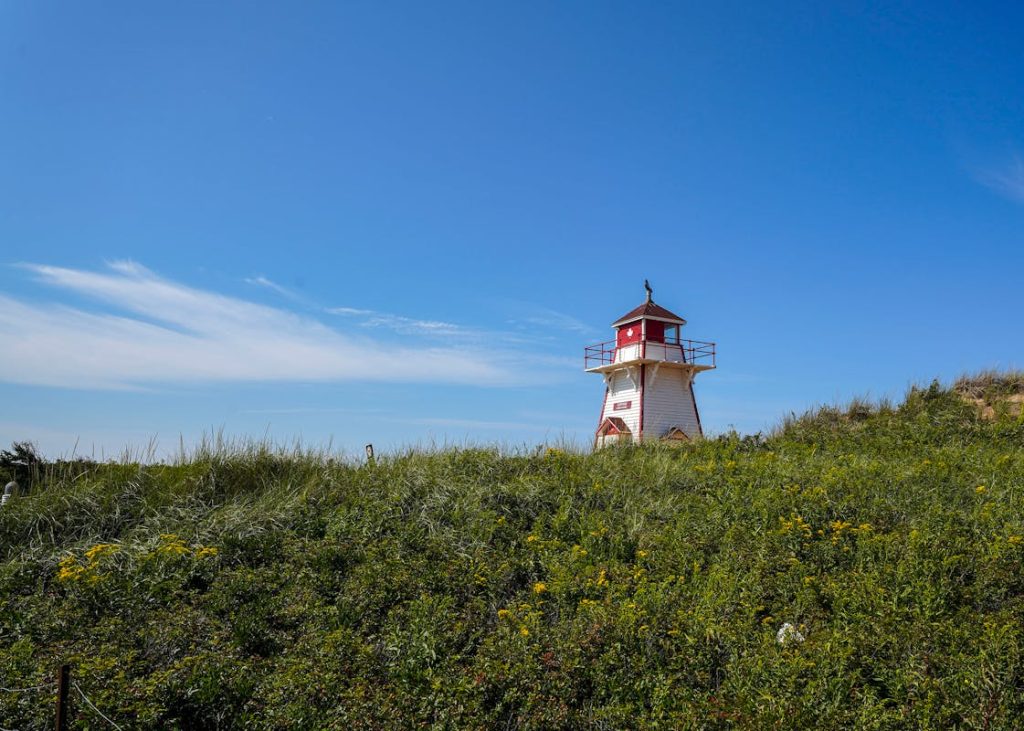
Prince Edward Island transforms into a peaceful winter retreat once summer visitors depart. Snow-covered fields, quiet coastal roads, and small towns settle into slower routines. Daily life follows weather and daylight rather than schedules. Local interactions remain friendly but unhurried. Winter landscapes encourage scenic drives, beach walks, and time indoors with food and conversation. Distances remain short, reducing travel stress. Tourism infrastructure recedes, allowing the island’s natural rhythm to dominate. Prince Edward Island in winter rewards patience and simplicity, offering a calm environment where solitude feels natural and the absence of crowds becomes part of the appeal.
Reykjavik, Iceland
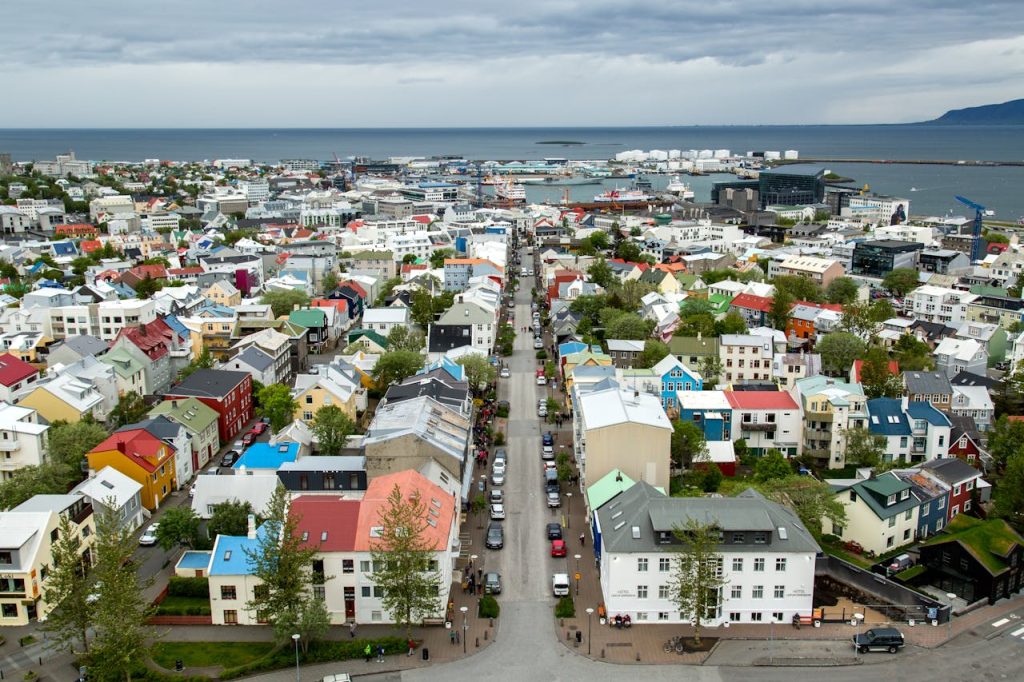
Reykjavik maintains a gentle pace during winter despite its popularity. City’s compact size simplifies navigation, while local culture values understatement and routine. Winter darkness slows schedules naturally, encouraging flexibility. Cafes, and neighborhood streets feel lived in rather than overwhelmed. Outside the city, stark landscapes invite quiet observation instead of constant activity. Weather conditions reinforce adaptability rather than rigid planning. Tourism exists but disperses across regions and time. Reykjavik’s winter atmosphere supports reflection, and simple pleasures. The balance between urban comfort and surrounding wilderness creates a calm escape defined by acceptance of winter rather than resistance to it.
Ljubljana, Slovenia
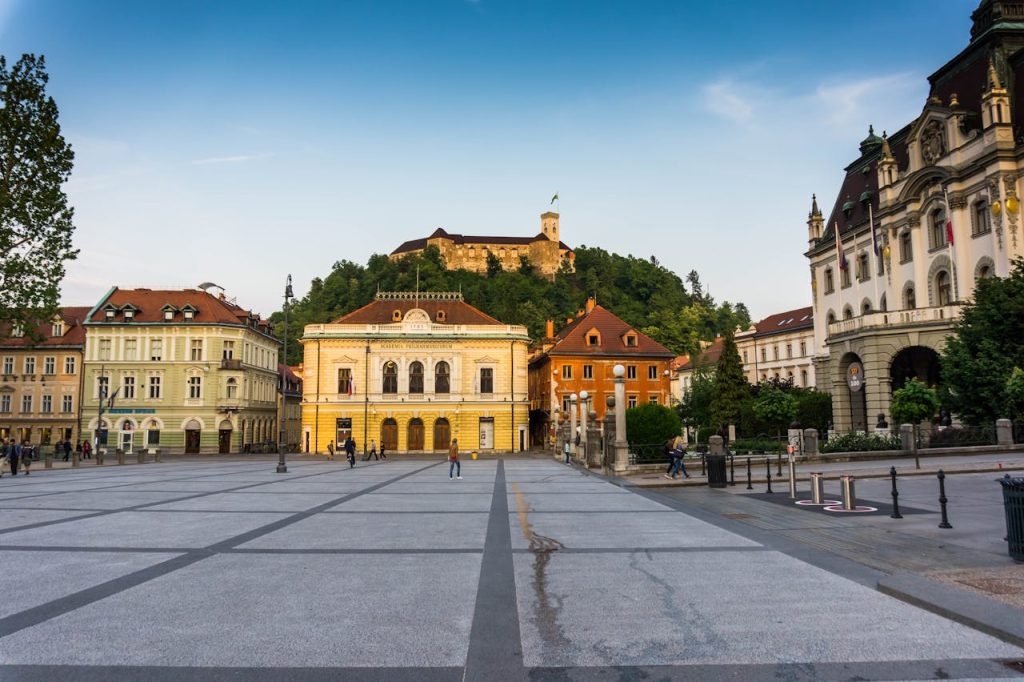
Ljubljana feels especially relaxed in winter, when its compact layout and car-free center become even more inviting. Cooler weather reduces visitor numbers, allowing cafes, museums, and riverfront paths to feel spacious. The Ljubljanica River continues to anchor daily life, reflecting a steady local rhythm. Green spaces remain accessible, even when dusted with snow. Public transportation and walkability reduce decision fatigue. Cultural attractions remain approachable without long waits. Winter in Ljubljana emphasizes routine, balance, and ease. The city offers a calm capital experience where exploration unfolds naturally, without pressure to rush between landmarks or maximize limited time.
Ubud, Bali
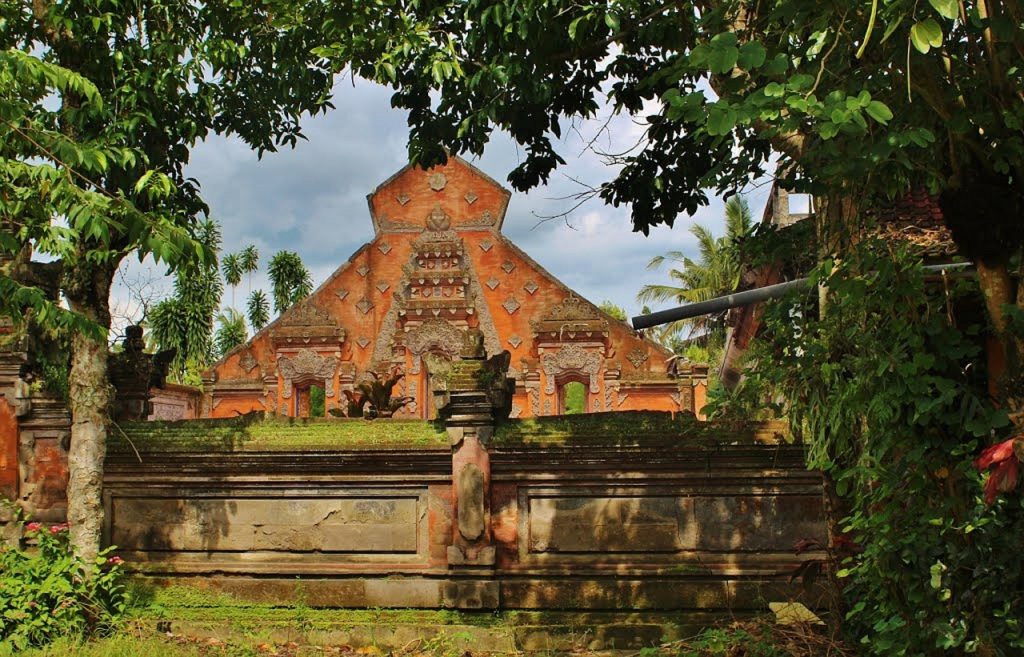
Ubud during winter months, which coincide with Bali’s wetter season, offers a quieter version of its familiar calm. Lush landscapes thrive under rainfall, enhancing the area’s natural softness. Visitor numbers decrease, allowing daily life to regain prominence. Spiritual practices, art, and wellness remain central, guiding the town’s rhythm. Streets stay active but not hurried, and schedules feel flexible. The environment encourages rest, reflection, and inward focus. Ubud’s winter atmosphere supports slower mornings and early evenings, making exploration feel intuitive rather than planned. This seasonal shift reinforces balance and reduces the sense of urgency common elsewhere. Calm defines the seasonal experience.
Porto, Portugal
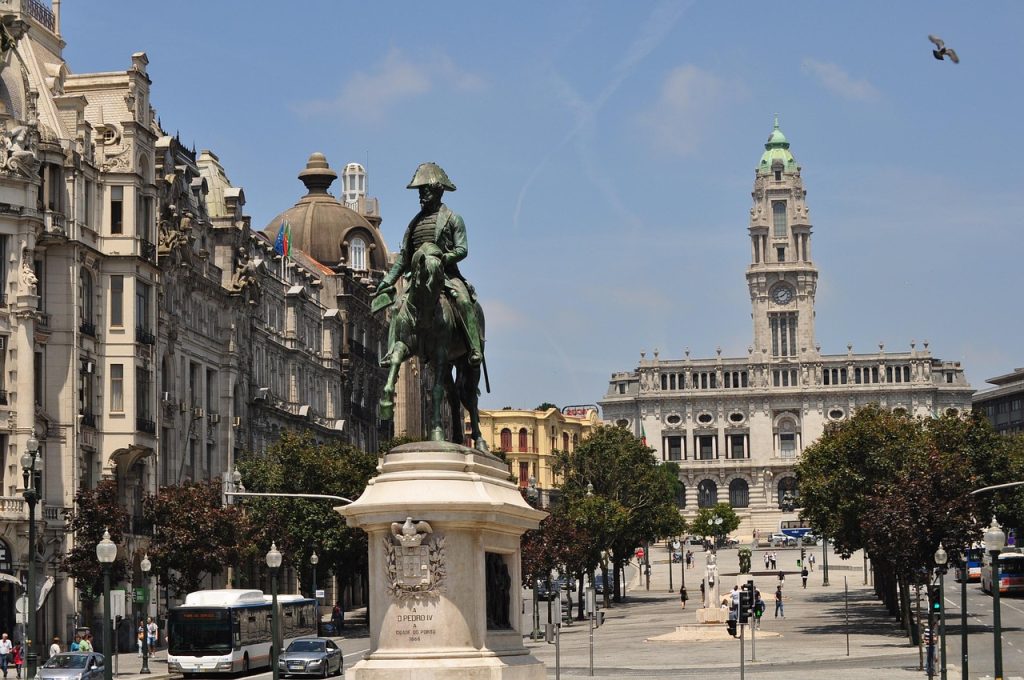
Porto in winter reveals a grounded, unforced calm shaped by daily life rather than tourism. Cooler weather and fewer visitors allow neighborhoods to function at their natural pace. Hills and riverfront paths encourage pauses and observation. Cafes prioritize conversation over turnover, and meals unfold slowly. Public transportation simplifies movement without pressure. The city’s worn textures and steady routines reduce performance expectations. Winter light softens the landscape, adding to the sense of quiet continuity. Porto’s winter experience favors familiarity over novelty, offering comfort and rhythm instead of crowds, schedules, or the need to constantly seek highlights. Rest comes naturally in winter.