Americans Were Asked to Name Which Countries Have the Rudest People. Do you Agree?
Americans have strong opinions about travel manners. A new survey asking which countries have the rudest people is now fueling a familiar argument about etiquette, culture, and whether tourists judge too quickly.
The results are less a verdict than a measure of perception. Still, they matter because they shape where people feel welcome, and how countries are talked about before a trip even begins.
What the survey says

The poll making the rounds asked Americans to name countries they believe have the rudest people. While the exact rankings vary depending on the survey company and sample size, the pattern is familiar: countries with heavy tourism, big cities, and strong direct-communication cultures often end up near the top.
That matters because these lists tend to reflect visitor expectations as much as local behavior. A rushed interaction in a crowded airport, a blunt reply in a restaurant, or a perceived lack of small talk can leave a lasting impression on travelers who expect a warmer style of service.
Travel advisers say these rankings should be read carefully. They are based on personal impressions, not measured incidents of misconduct. One traveler may see efficiency, while another sees coldness. One person may read directness as honesty, while someone else hears disrespect.
For American readers, the takeaway is simple: a survey like this captures how people feel, not necessarily how people are. It can still be useful, though, because it shows where cultural misunderstandings are most likely to happen.
Why perceptions of rudeness differ
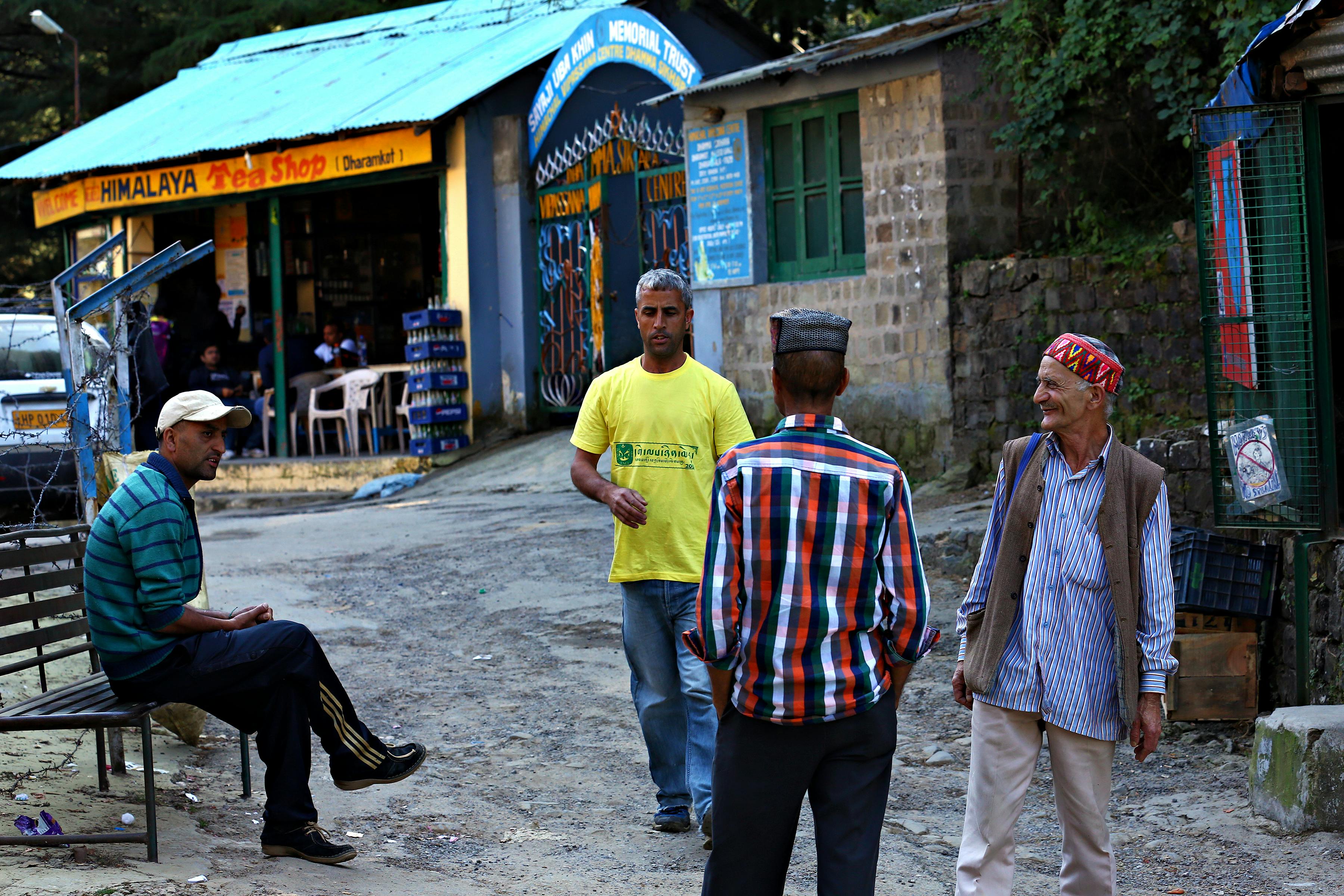
What Americans consider polite is not universal. In the United States, friendliness is often expressed through smiling, upbeat conversation, and customer service that feels warm and personal. In many other places, politeness can look more reserved.
In some countries, brief interactions are normal and not intended to offend. A cashier who does not chat, a server who does not check in repeatedly, or a stranger who keeps distance in public may simply be following local norms. That can feel abrupt to a U.S. traveler used to more verbal friendliness.
Experts in cross-cultural travel often note that big cities especially can distort perception. Residents in tourism-heavy capitals deal with crowds, delays, and language barriers every day. A short answer or impatient tone may reflect stress, not national character.
That is one reason broad claims about an entire country can be misleading. Visitors often base their opinions on a few urban hot spots rather than the full range of local communities, regional customs, and everyday life.
Travel behavior cuts both ways

The survey also raises an uncomfortable question for Americans: how are U.S. tourists viewed abroad? International travel forums and tourism workers have long noted complaints about loud behavior, impatience, and a lack of cultural awareness from visitors of many nationalities, including Americans.
In other words, judgments about rudeness are often mutual. A local may see a tourist as demanding, while the tourist sees the local as unhelpful. Misunderstandings can build quickly when neither side understands the other person’s expectations.
Travel industry professionals say simple preparation makes a difference. Learning a few local phrases, understanding how tipping works, respecting personal space, and knowing whether service is meant to be quick or conversational can ease tension almost immediately.
For many travelers, the best approach is to treat these rankings as conversation starters, not final truth. A single poll cannot define millions of people, and most trips are shaped more by individual encounters than by stereotypes.
What travelers should take from it
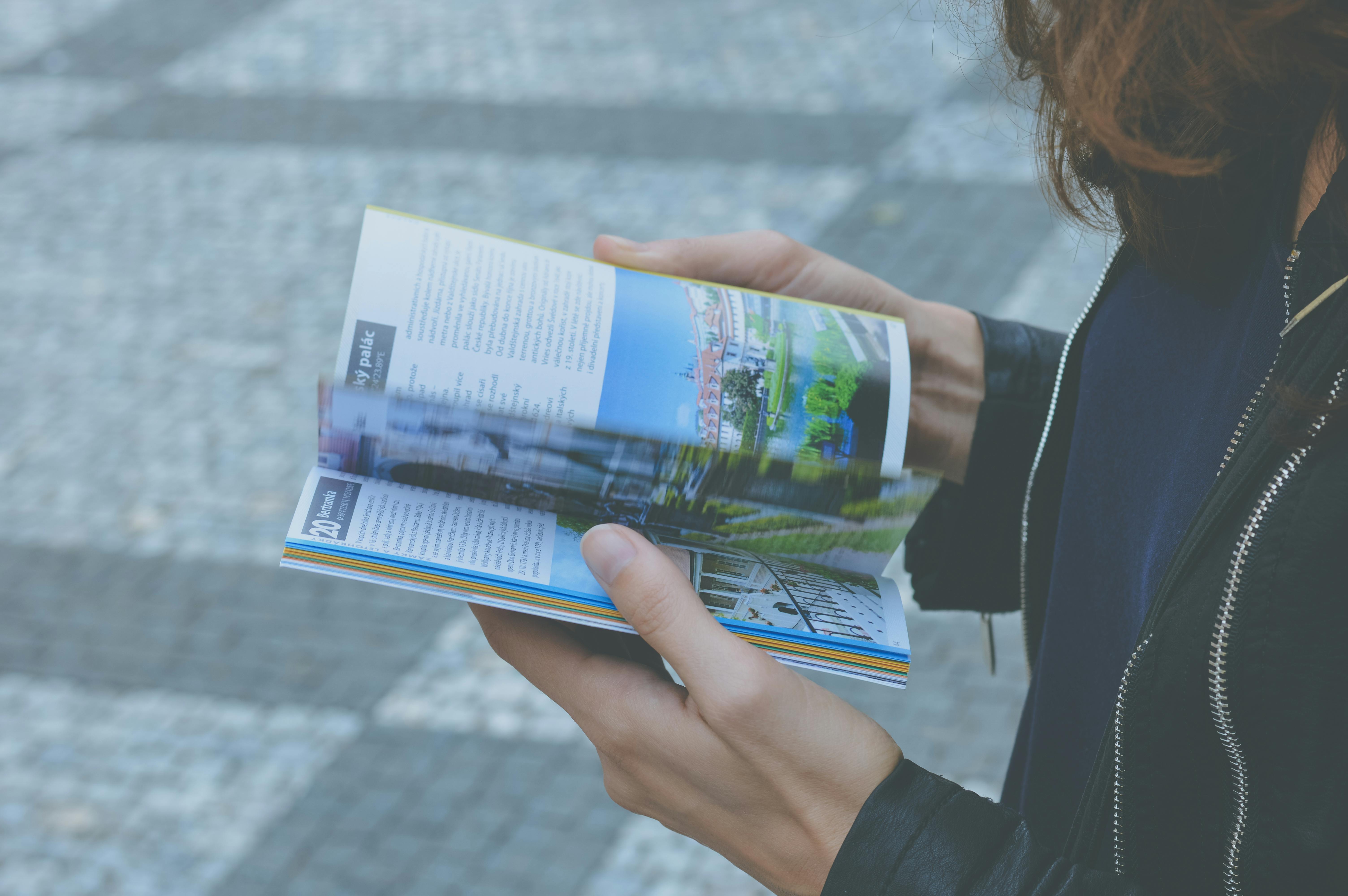
The bigger lesson is that etiquette is local. Behavior that reads as rude in one country may be normal, efficient, or even respectful in another. That does not mean bad experiences are imaginary, but it does mean context matters.
Americans planning trips abroad can use that insight in practical ways. Before visiting, it helps to read about dining customs, greetings, line etiquette, and public behavior. Those details often explain moments that might otherwise feel unfriendly or dismissive.
It also helps to remember that tourism is under pressure in many places. Popular destinations are dealing with overcrowding, high housing costs, and strained public services. Residents may not always have the time or patience visitors hope for, especially during peak season.
So, do Americans agree on which countries seem the rudest? Clearly, many do. But whether those impressions hold up in real life usually depends on where you go, how you behave, and how willing you are to see manners through someone else’s lens.