Avoid Getting Scammed: Travel Safety Tips for Savvy Americans
Traveling opens your eyes to new cultures, flavors, and landscapes, but it also means stepping into unfamiliar territory where scams can catch even seasoned travelers off guard. The trick isn’t to travel in fear; it’s to travel smart. When you know the red flags and how to handle them, you can focus on enjoying your trip instead of worrying about what could go wrong. These simple, practical safety habits help you stay alert, protect your money, and avoid becoming an easy target while exploring the world.
1. Research Common Scams Before You Go
Every country has its share of tourist traps, from fake taxi fares to “friendly” locals who overcharge for help. Before you leave, look up the most common scams in your destination so you can recognize them quickly. Travelers who know what to expect are less likely to panic or hand over cash when something feels off. You don’t need to memorize every trick-just learn the basics so you can react calmly and confidently when someone tries to test your guard. A little research can save you from a lot of stress later.
2. Use Secure Payment Methods
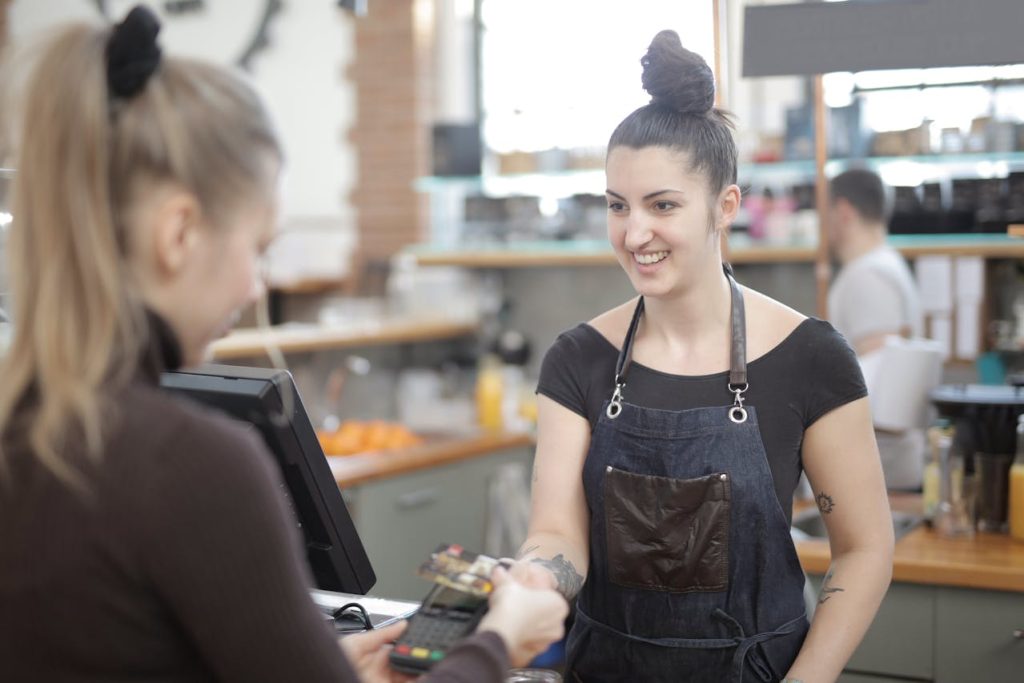
Avoid paying with cash whenever possible. Using credit cards gives you fraud protection and helps you track charges if something goes wrong. Always check for card skimmers at ATMs and cover your PIN when entering it. Stick to machines in secure areas, like banks or inside hotels, rather than standalone kiosks. If a vendor insists on cash only, double-check prices first and count your change carefully before walking away. Digital payments may feel impersonal, but they keep your money safer abroad.
3. Be Wary of Overly Helpful Strangers

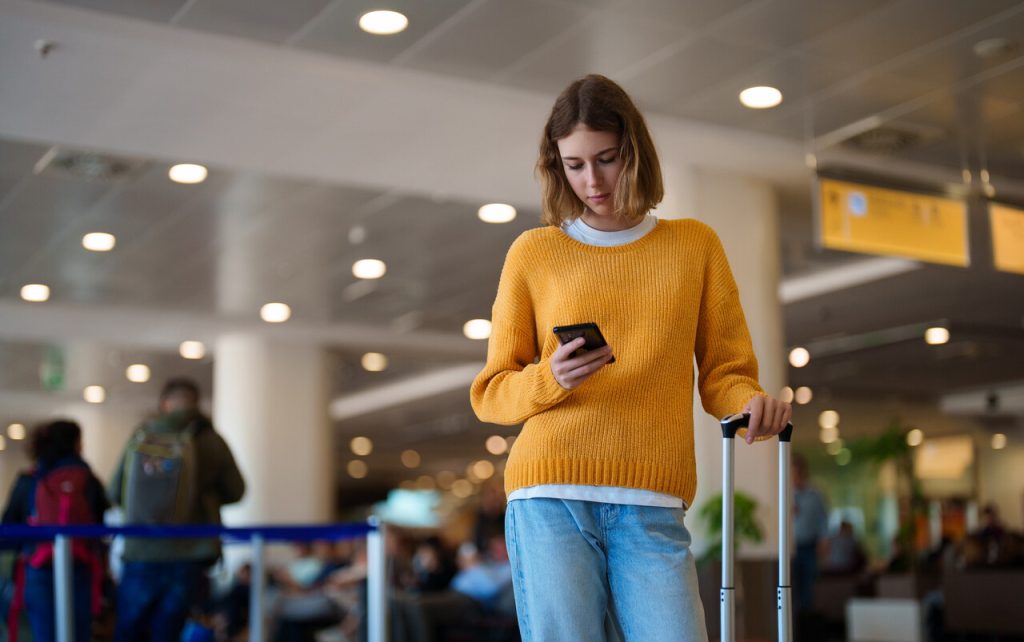
Scammers often pose as friendly locals offering assistance with directions, luggage, or ticket machines. Their goal is usually distraction-one person talks while another lifts your wallet or bag. If you need help, approach an official or someone behind a counter instead of accepting unsolicited offers. It’s fine to be polite, but you don’t owe anyone your trust. Staying aware doesn’t make you rude; it keeps you safe. A genuine helper won’t pressure you or stand too close.
4. Keep Digital Security in Mind
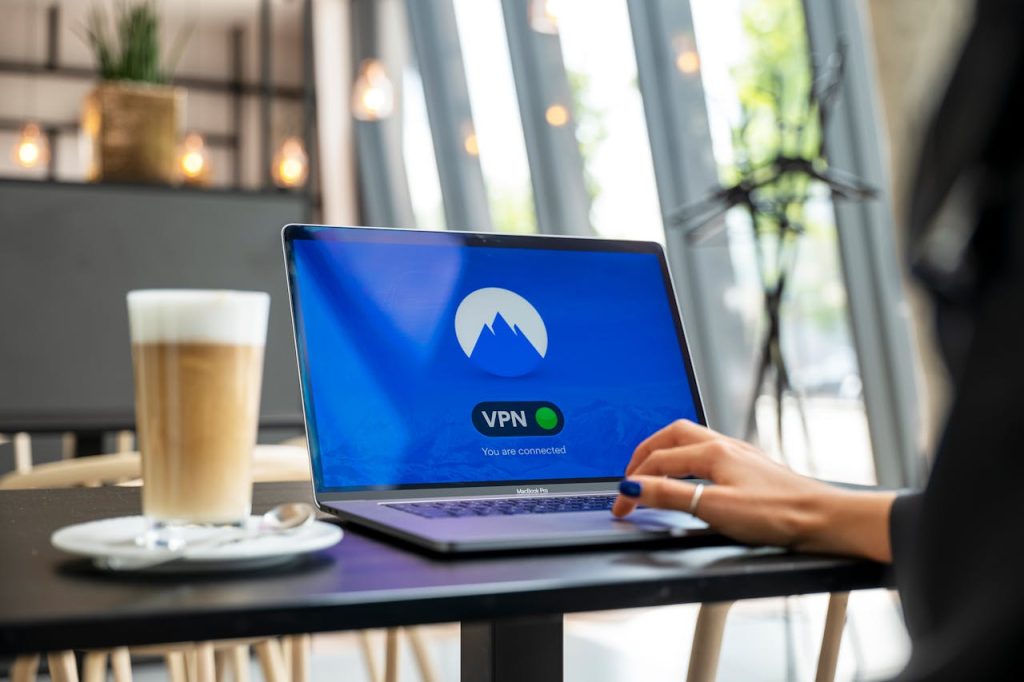
Free Wi-Fi is convenient but risky. Public networks can expose your passwords or credit card details to hackers. Use a VPN or mobile hotspot instead, especially when logging into banking or travel apps. Never share personal information through unsecured sites or links sent by strangers. Just as you protect your passport and wallet physically, treat your online data with the same caution. The fewer open networks you join, the safer your trip will be.
5. Blend In and Trust Your Instincts
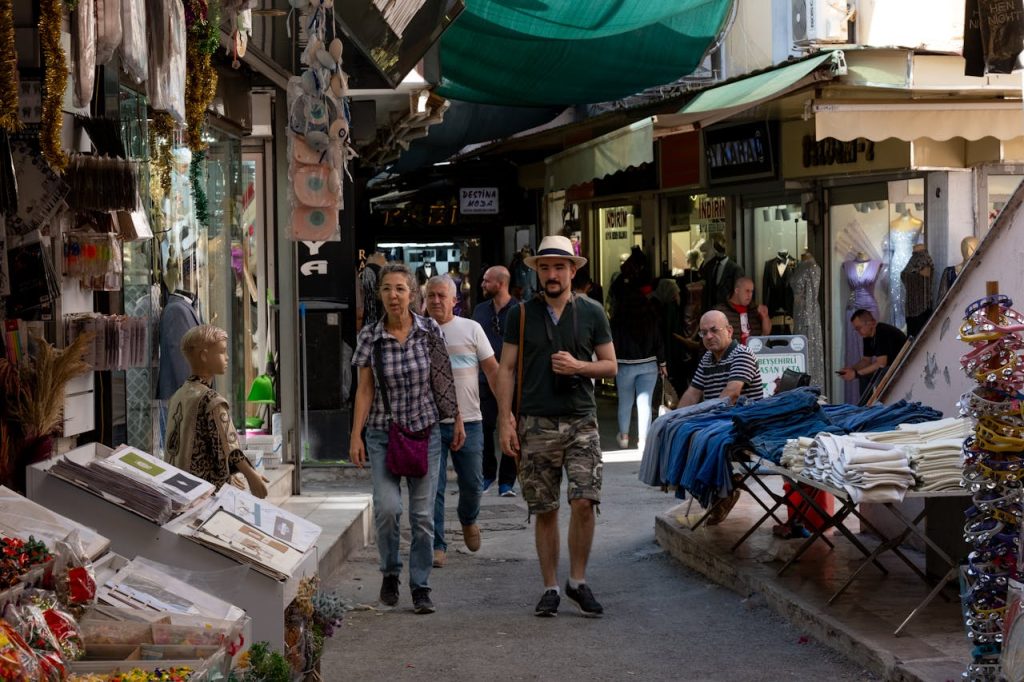
Tourists who stand out; flashing cameras, open maps, loud conversations draw attention from pickpockets and scammers. Try to dress modestly, move with purpose, and learn a few local phrases to navigate confidently. More importantly, listen to your gut. If something feels off, step back, walk away, or say no. Your instincts are often your best warning system, especially when you’re far from home. A confident traveler is harder to fool and less likely to be targeted.
6. Protect Important Documents
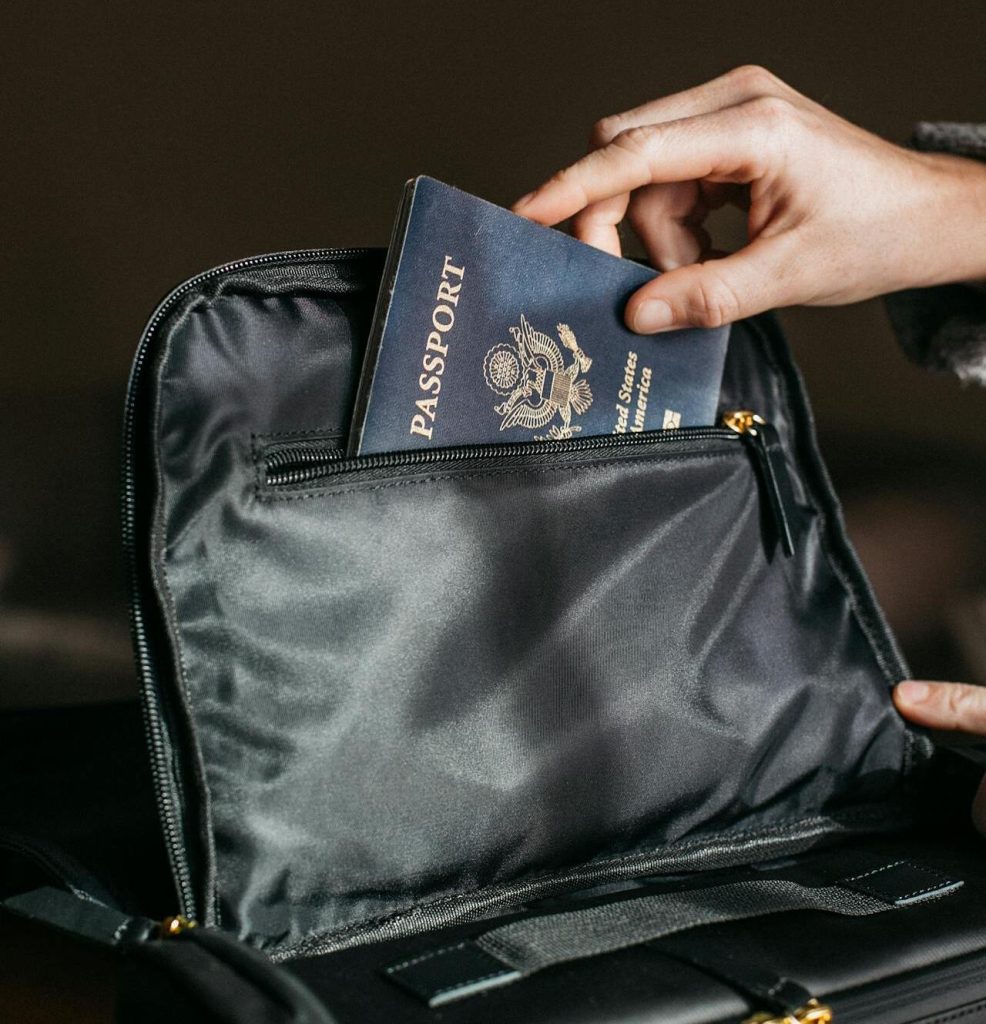
Keep copies of your passport, ID, and travel insurance separate from the originals. Losing these can turn a small setback into a major crisis. Use a hotel safe when available and carry only what you need for the day. You can also store digital copies in secure cloud storage for emergencies. If your wallet or passport gets stolen, these backups make it much easier to prove your identity and recover quickly. Preparation keeps you from feeling helpless when problems arise.
7. Book Through Verified Sources Only
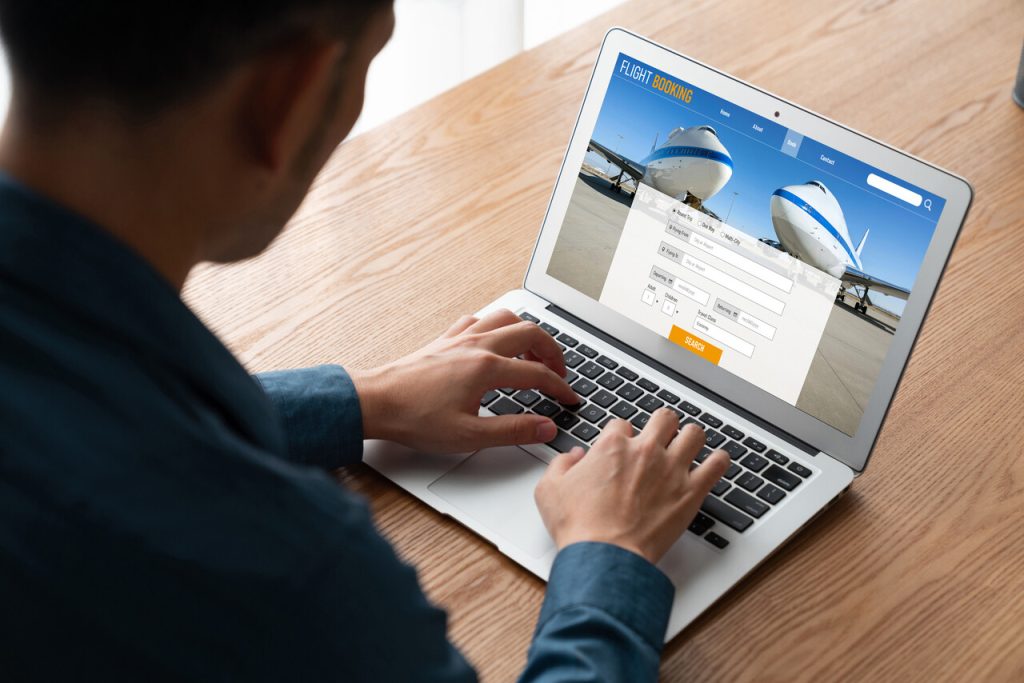
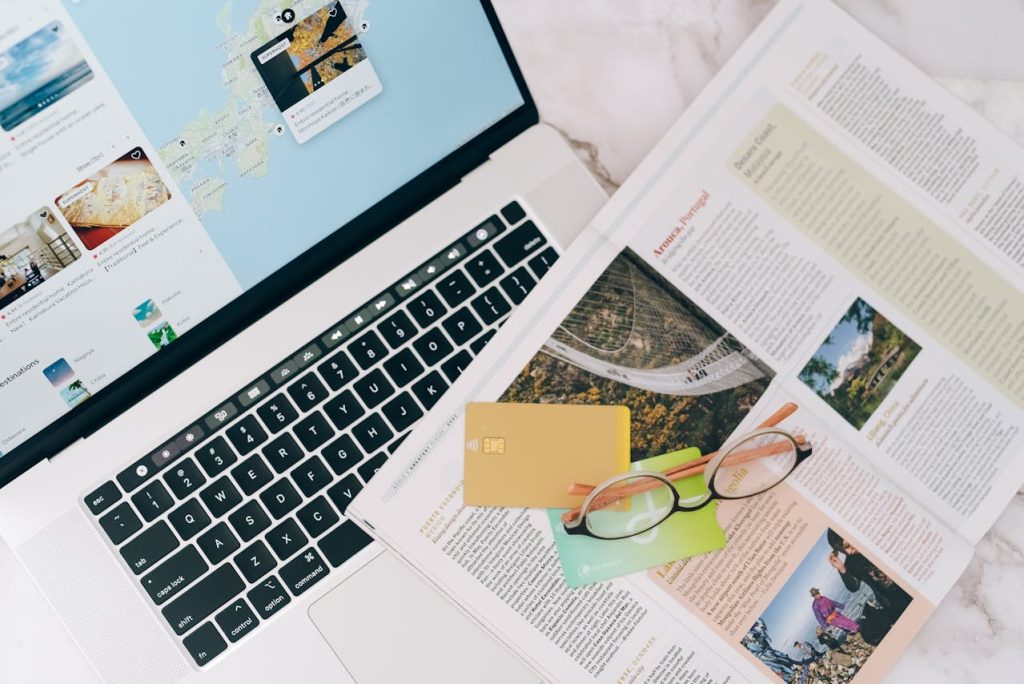
Scammers love fake rental listings, bogus tours, and imitation booking sites. Always use verified platforms or official apps to secure hotels, rides, and tickets. Check reviews, look for verified badges, and never pay through wire transfers or unfamiliar links. If an offer seems too good to be true, it usually is. Trusted sources might cost a little more upfront, but they save you from losing both money and time. Safe bookings are the foundation of safe travel.