Canadians ranked the American cities they’d hate to spend a month living in. Would you choose the same?
Cross-border travel remains a major part of North American tourism, with millions of Canadian trips to the United States recorded each year by Statistics Canada and the U.S. National Travel and Tourism Office. A new ranking now flips that usual vacation lens by asking Canadians which American cities they would least want to spend a full month living in. The result is less about sightseeing and more about cost, stress, weather, and daily quality-of-life concerns in some of the biggest U.S. metros.
A new survey put major US cities at the bottom of the list

The ranking comes from a consumer survey of Canadians that asked respondents to name the American city they would hate to spend a month living in. The published results placed New York City at No. 1, followed by Los Angeles, Las Vegas, Miami, and Chicago, according to the survey release issued in July 2026. The list focused on cities with strong name recognition, not smaller regional markets.
The survey measured perception, not migration data, job growth, or crime statistics. That matters because a month-long stay is different from a weekend trip, especially in places where average rent, traffic time, and summer heat are well documented by sources like the U.S. Census Bureau and National Weather Service. In that sense, the ranking reflects what Canadians said they expect daily life would feel like.
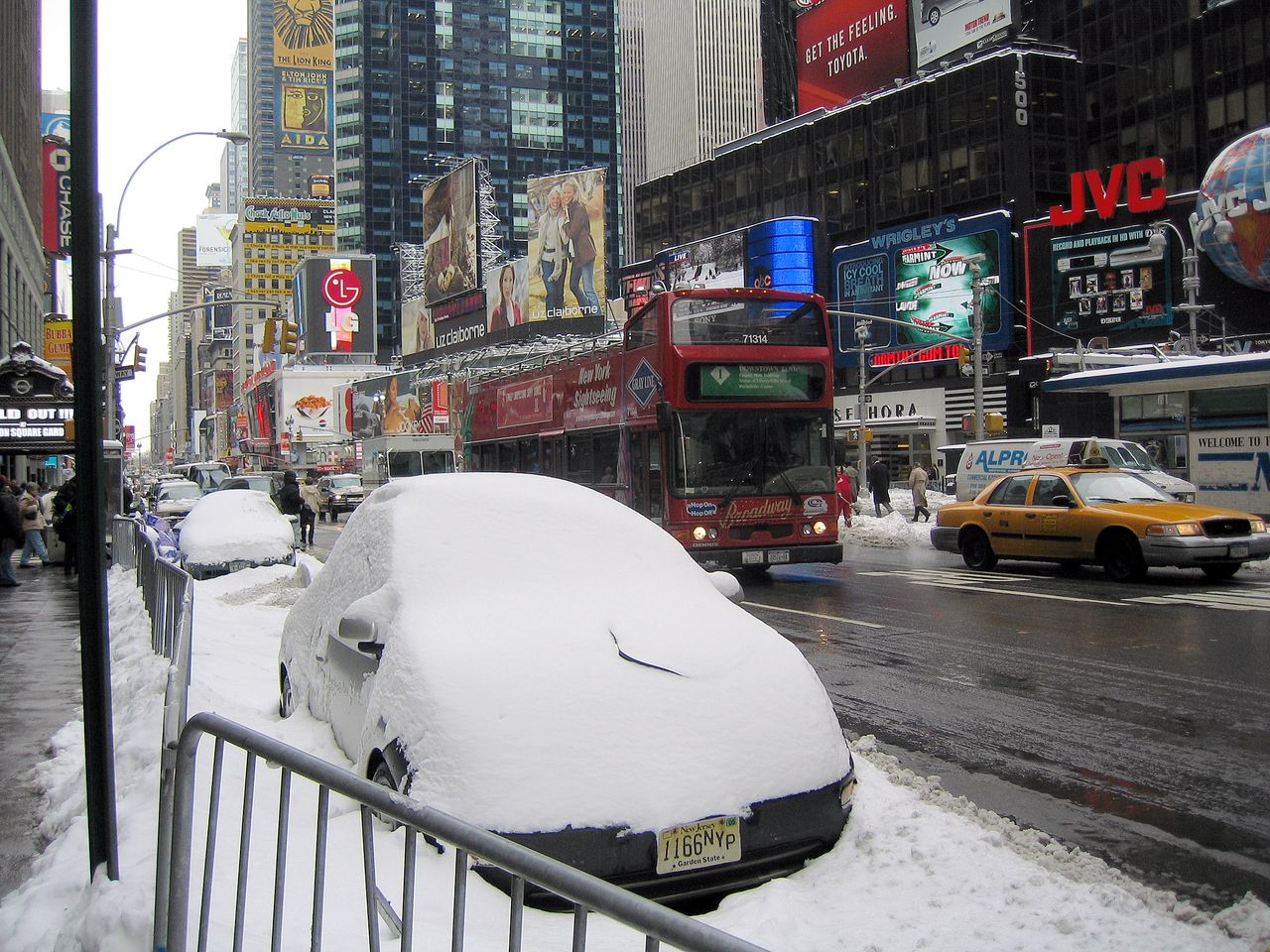
New York City’s placement is not hard to connect to public data. Zillow rental trackers and local market reports have repeatedly shown Manhattan and Brooklyn among the most expensive housing markets in the country, while MTA ridership and congestion data point to the scale of daily travel pressure in the five boroughs. Los Angeles also carries a long-running reputation for freeway congestion, with regional transportation studies regularly placing it among the slowest large metro commutes in the U.S.
What the ranking says about places Canadians know best
For U.S. readers, the list is notable because it centers on cities that already draw huge visitor numbers. New York City welcomed roughly 64 million visitors in 2024, according to NYC Tourism + Conventions, and Las Vegas reported more than 40 million annual visitors through the Las Vegas Convention and Visitors Authority. That means the same places people happily visit for a few days can still rank poorly as imagined month-long homes.
The geographic pattern also stands out. Three of the cities most often mentioned, New York, Los Angeles, and Miami, are coastal metros where housing costs and tourist density are part of everyday life, according to local tourism agencies and housing market trackers. Las Vegas adds a different factor, with Clark County’s desert climate and summer temperatures that routinely pass 100 degrees, as documented by the National Weather Service.
What is not known is the full demographic breakdown behind every response. The survey results identify Canadian sentiment at a national level, but they do not publicly show whether respondents from Ontario, British Columbia, or Quebec answered differently, and no city-by-city margin was released with the summary. Without that detail, the ranking shows broad perception rather than a precise regional split inside Canada.
Why these cities scored poorly and what it means for travelers

The likely drivers are familiar and measurable. Housing cost remains a major issue in New York, Los Angeles, and Miami, while transportation stress is a long-standing complaint in New York and Los Angeles, according to local transit agencies, commuter studies, and rental market data released through 2025 and 2026. In Las Vegas and Miami, climate is another practical factor, with extreme heat and humidity shaping how livable a month can feel.
Chicago’s appearance on the list points to a different mix of concerns. Public discussion about winter weather, taxes, and big-city costs has long shaped perceptions of Chicago, even as Choose Chicago continues to market the city’s neighborhoods, lakefront, and cultural institutions to visitors. A perception-based survey does not measure whether those views match actual resident satisfaction.
For travelers, the takeaway is straightforward. A city that works for a 3-day trip may not feel appealing as a 30-day base, especially when rent, transit, and weather become everyday issues instead of background details. The ranking captures that difference in simple terms, and it reflects how international visitors often judge American cities by livability as much as landmarks.