Childhood Experiences Many Women Remember That Feel Rare Today
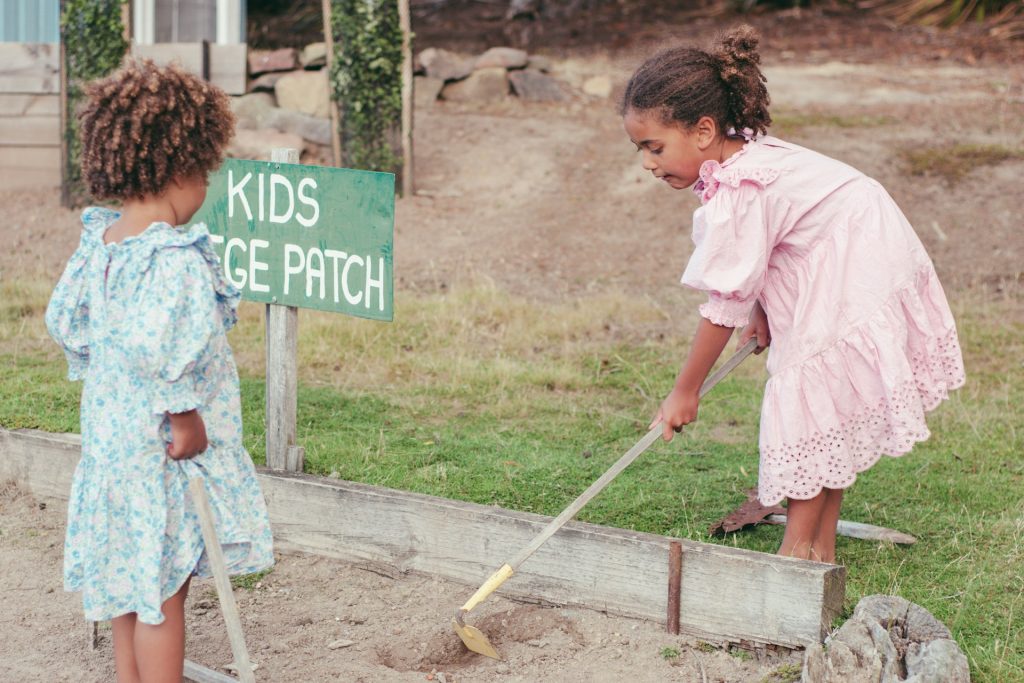
Many women remember childhood through small routines more than big milestones. The strongest memories are often the ones that looked ordinary at the time.
A lot of those moments were built around shared space and unplanned time. People were around each other more often, and that changed how closeness grew.
The pace was slower in ways that now feel almost impossible. Waiting, watching, and repeating simple habits gave everyday life a steady rhythm.
This is not about pretending the past was perfect. It is about noticing how a few common experiences shaped confidence, friendship, and family bonds in lasting ways.
Playing Outside Until The Streetlights Came On
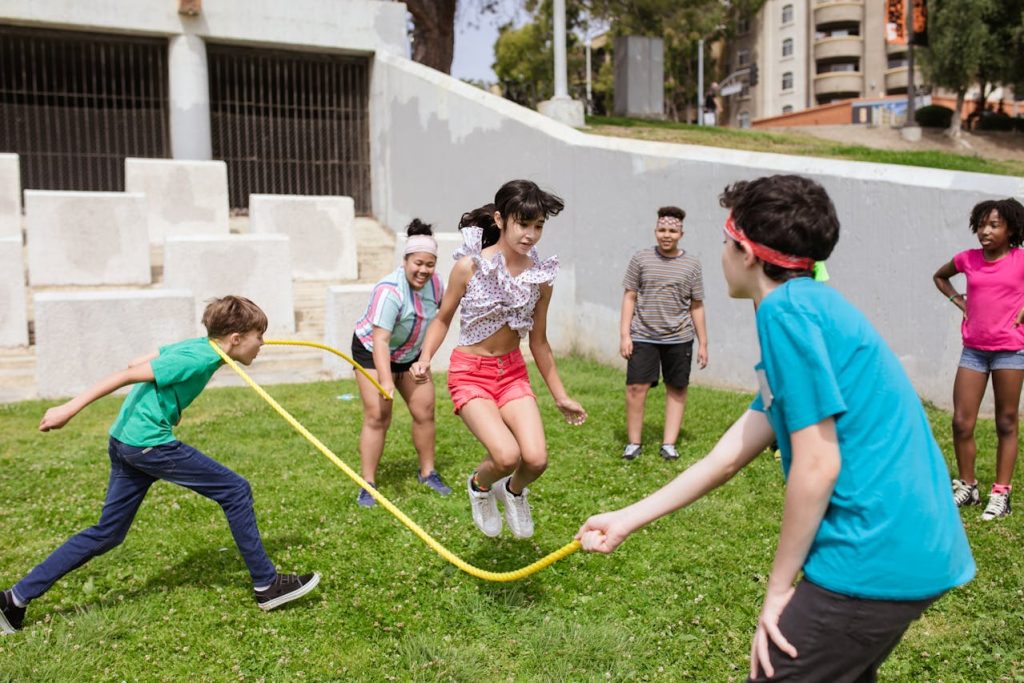
For many girls, the best part of the day started after school and ended at dusk. They stepped outside with no fixed plan and found the others already gathering. The street became the playground before anyone had to announce it.
Games changed with the group, the weather, and the mood. One day it was skipping rope, and the next it was hide and seek across two lanes. Rules were invented fast and defended loudly.
Neighborhoods felt more connected because kids were always visible. Parents watched from doors, balconies, or kitchen windows without hovering over every move. That gave children freedom with a quiet sense of protection.
When the streetlights came on, everyone understood what it meant. The day was over, and home called in the same familiar way each evening. That shared ending made the whole routine feel rooted.
Calling Friends Through The Family Landline
Calling a friend once took timing and courage. There was always a chance a parent or older sibling would answer first.
Many girls practiced their first line before dialing. Even simple calls felt a little formal in the first few seconds.
Phone numbers lived in memory or on a small paper list. Forgetting one number could delay an entire conversation.
A busy tone meant trying again later and hoping for better luck. That small frustration taught patience without anyone calling it a lesson.
Long conversations happened in corners of the house with the cord stretched as far as it could go. Privacy was limited, but that also made every call feel exciting. A quiet voice and a half smile said a lot.
Tone mattered more than wording because the voice carried everything. A pause could mean embarrassment, and a laugh could fix a bad day. People learned to read feelings through sound.
Parents often overheard just enough to know who mattered. They recognized names, moods, and the friends who called most often. Family memory wrapped itself around those friendships.
Years later, many women remember the sound of a friend saying hello more clearly than the topic itself. The voice stayed with them in a way typed messages rarely do. That is why those calls still feel personal.
Dropping In On Neighbors Without A Text First

Unplanned visits used to be a normal part of growing up. Girls knocked on doors and asked if their friend could come out. If the answer was no, they moved on and tried another house.
There was less pressure around being instantly available. Nobody expected a quick explanation for every no. That made friendship feel easier to carry.
Neighborhood adults often knew each other well enough to make these visits feel natural. A quick hello at the door could turn into a chat, a snack, or five extra minutes on the veranda. Hospitality was woven into daily life.
Those little drop-ins built social confidence over time. Girls learned how to greet adults, handle disappointment, and keep things light. It was practice for real life, hidden inside ordinary afternoons.
Sharing Hair Clips Bangles And Everyday Little Things
Friendship often showed up in small objects before it showed up in words. Hair clips, ribbons, bangles, and notebooks moved between friends all the time.
Getting ready for school or a family event was rarely a solo job. Someone fixed a braid while someone else picked earrings.
A borrowed clip could solve a bad hair day in seconds. A shared bangle set could make an outfit feel complete.
These exchanges were small, but they carried trust. Girls knew who would return things and who would remember what mattered.
Style grew in groups, not in isolation. Girls copied each other, mixed ideas, and learned what suited them by watching in real time. Taste developed through conversation.
Even tiny disagreements became part of the fun. Two friends might want the same bangles and argue for a minute. They usually settled it with a trade and a laugh.
The mirror often became a meeting point, not just a mirror. It held chatter, teasing, and quick advice before anyone left the house. That made getting ready feel social.
Many women remember those details more clearly than the event itself. They remember who handed over the extra clip and who fixed the braid. Care lived inside those gestures.
Keeping Diaries Slam Books And Folded Notes

Handwriting gave feelings a shape that was hard to fake. Many girls wrote in diaries after school or late at night when the house got quiet. The page became a private place to sort out messy thoughts.
Slam books added a playful version of the same habit. Friends answered questions about favorites, crushes, and future dreams in their own handwriting. Those pages turned into little time capsules.
Folded notes in classrooms had their own kind of suspense. The paper traveled from desk to desk with careful timing and quick glances. Even a short message could feel huge.
Writing by hand slowed everything down in a helpful way. Girls crossed words out, rewrote lines, and thought before finishing a sentence. That made emotions easier to understand.
Waiting For Photo Prints To See What Was Captured
Photos once came with a delay, and that delay changed everything. Families had to finish a film roll and wait before seeing the results.
Nobody knew which shots had worked until the prints arrived. That surprise made people pay more attention to the moment itself.
There were fewer pictures, so each one mattered more. A single print could hold a whole day in one frame.
When the envelope finally came home, everyone wanted to look first. The reveal felt like an event, not just a quick scroll.
Imperfect photos often became the favorites in the album. Someone blinked, someone moved, and someone got cut out of the frame. Those flaws made the memory feel alive.
Albums were built slowly with dates, plastic sleeves, and family commentary. People passed the photos around and argued about where each one was taken. The stories around the picture became part of the picture.
Waiting also changed how people took photos in the first place. They chose moments more carefully because every click counted. A picture felt like something to preserve.
Many women still remember the smell of old albums and the sound of pages turning. Those details make the memory feel physical, not just visual. That is part of why printed photos still hit differently.
Learning Household Skills By Watching Someone First
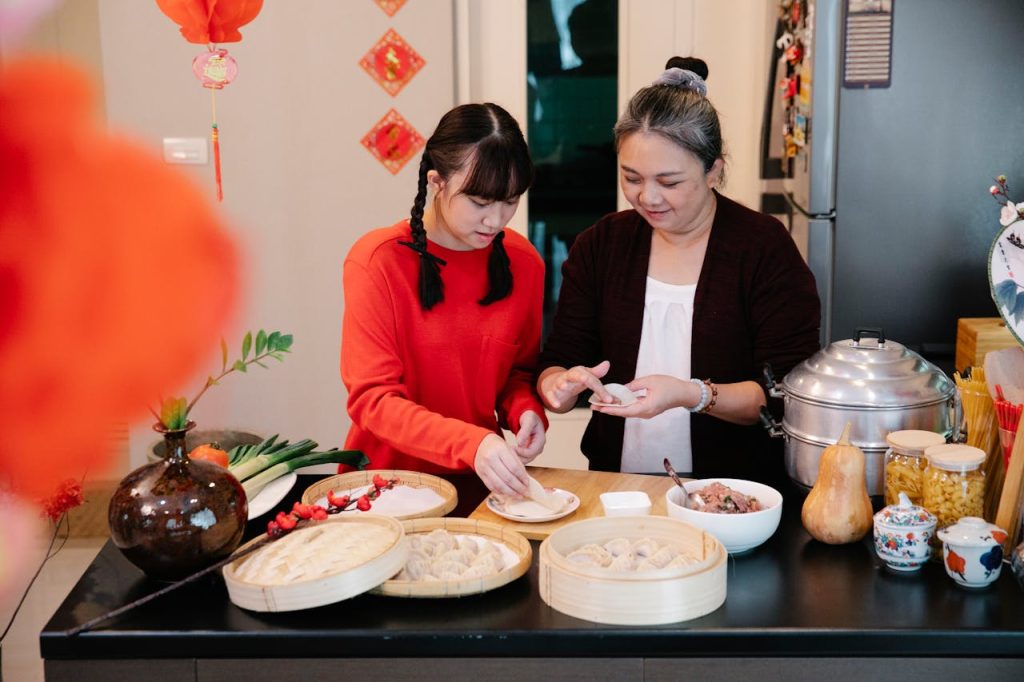
A lot of practical learning happened just by standing nearby. Girls watched mothers, grandmothers, aunts, and older sisters repeat the same tasks every day. The lessons started before anyone called them lessons.
Skills were taught inside regular life, not in special sessions. A button got stitched while tea was brewing, and dough was kneaded while someone told a family story. Work and conversation happened together.
This kind of learning took time, and that was part of its strength. Girls tried, made mistakes, and tried again with someone correcting gently. Confidence grew through repetition, not speed.
The skill itself mattered, but the person teaching it mattered more. Many women remember the voice, the rhythm, and the little habits that came with the lesson. That is why these memories still feel warm.
Family Evenings Around One TV In One Room
One television often meant one shared evening. Families gathered in the same room and watched whatever won the argument.
Choices were limited, but attention was more shared. Even the person who did not pick the show stayed for the company.
Commercial breaks had their own rhythm in the house. Someone got water while someone else argued about the plot.
Watching together created instant reactions that everyone felt at once. Laughter spread quickly, and quiet scenes really made the room go still.
These evenings built a shared family language over time. People remembered scenes, songs, and even ads because they experienced them together. The room itself became part of the memory.
Children also learned a lot by watching other people watch. They saw what made adults laugh, what annoyed them, and what stories held the room. Entertainment doubled as family observation.
Even simple nights felt complete because everyone was physically there. Background sounds from the kitchen mixed with TV dialogue and side comments. That noise made home feel full.
Many women remember those evenings as an anchor in childhood. The exact shows may blur, but the feeling of togetherness stays sharp. It was routine, and it was deeply comforting.