Driving Laws in the U.S. You Can Relax About (Safely)

You’ve probably seen those confusing or oddly specific driving rules that make you second guess every move. The good news is, not all of them are as strict as they seem. Some laws look intimidating on paper but are enforced with common sense or have been quietly updated. Knowing where you can safely ease up can make driving less stressful and more enjoyable. Let’s look at a few U.S. driving laws you can relax about without putting yourself or anyone else in danger.
1. Rolling Right on Red
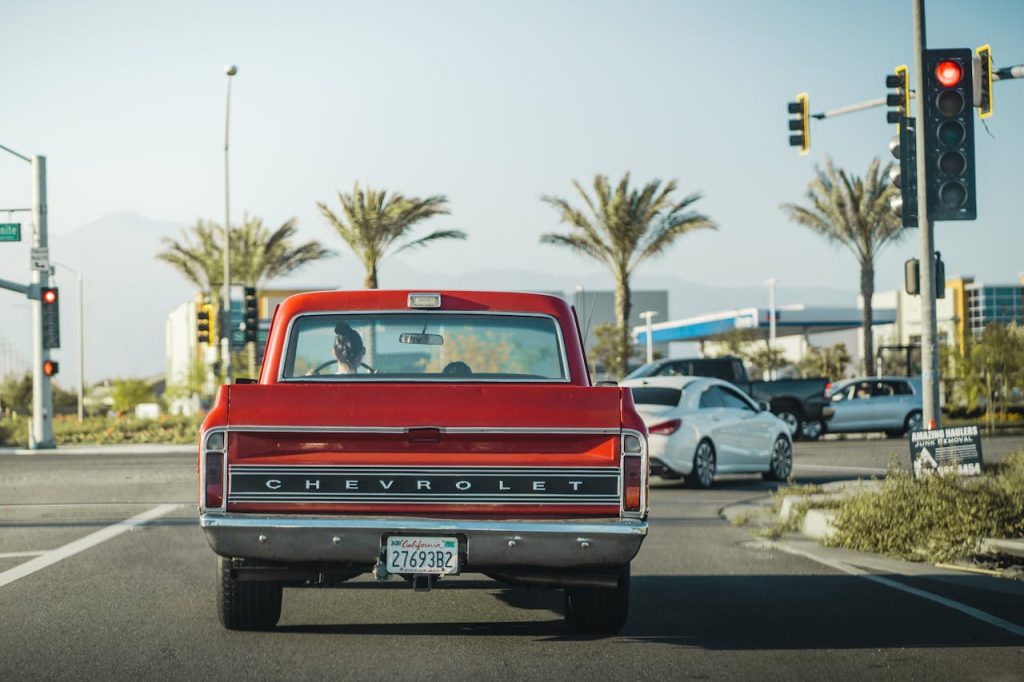
In most states, you can turn right on red after a complete stop, unless signs say otherwise. The rule exists to keep traffic moving, not to trap you. Just make sure there’s no pedestrian or oncoming car before turning. If you’re cautious and follow the right-of-way, you’re within the law. What this really means is that you don’t have to panic every time you reach a red light with an open lane just stay alert and patient. It’s one of those small freedoms that keeps city driving manageable. Remember, courtesy and awareness go further than rushing the turn.
2. Driving Barefoot

Contrary to popular belief, it’s not illegal to drive barefoot anywhere in the U.S. Many people think it’s unsafe or forbidden, but no state bans it. In fact, driving without shoes can sometimes give you better control of the pedals. The only real issue is comfort and hygiene, not legality. So if you’re heading home from the beach or a run, you can drive barefoot without worrying about a fine. Still, it’s smart to avoid shoes that slip off easily or get caught under pedals. Use common sense, and you’ll stay both comfortable and safe.
3. Hanging Objects on Your Mirror
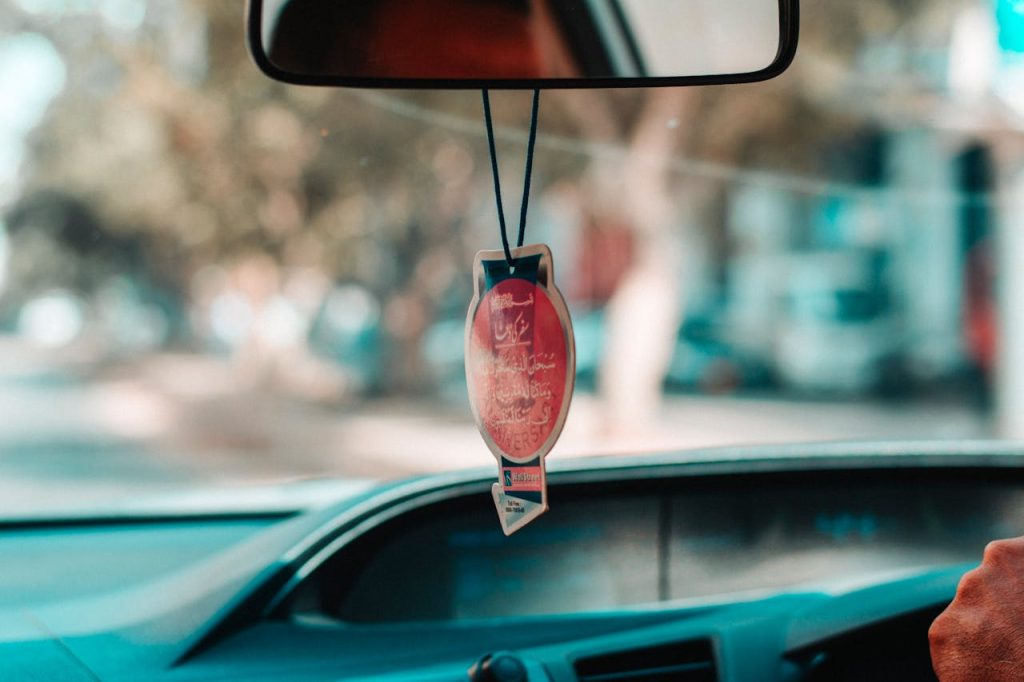
That air freshener or graduation tassel hanging from your mirror might look like a ticket magnet, but enforcement varies. Most states only fine you if the item clearly blocks your view. If it’s small and doesn’t obstruct vision, officers usually let it slide. Just use judgment-large or dangling objects can still be distracting. In short, you don’t need to strip your mirror bare to stay within the law. Keep visibility your priority, and you’ll never have to worry about that pine scented charm causing trouble.
4. Using Headlights in the Daytime
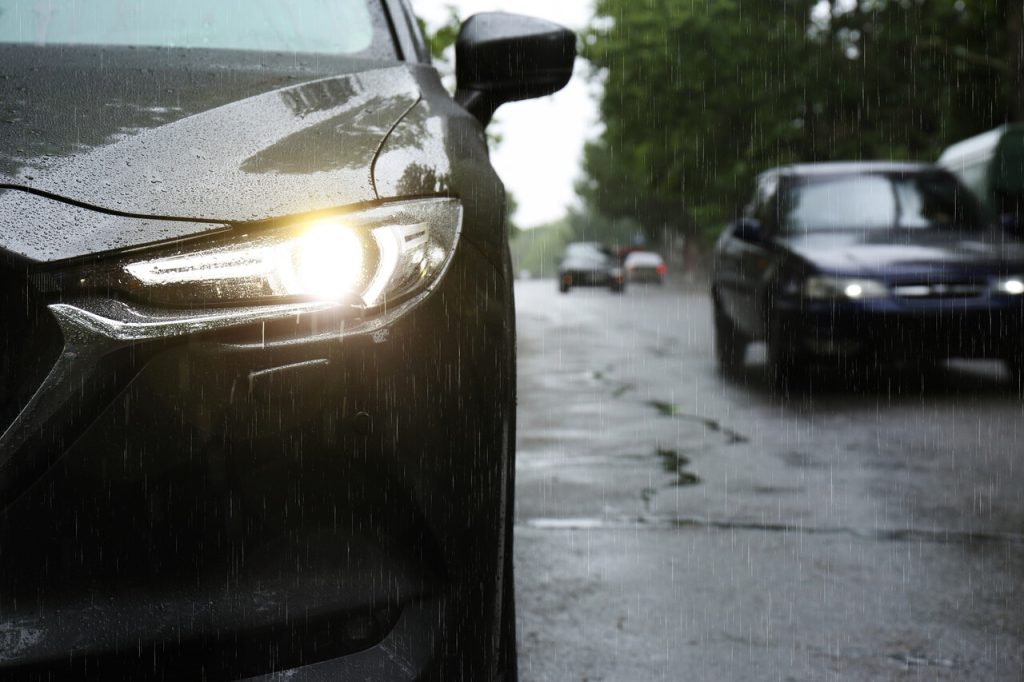
Some drivers worry about getting pulled over for not using daytime headlights, but most states only require them in specific conditions like rain, fog, or low visibility. If it’s bright and clear, you’re fine without them. That said, using them during the day can help other drivers see you better. It’s a safety choice, not a legal demand in most areas. Still, it’s a good habit for long drives or two lane highways where visibility changes quickly. Think of it as a simple way to be seen, not scolded.
5. Driving with Interior Lights On
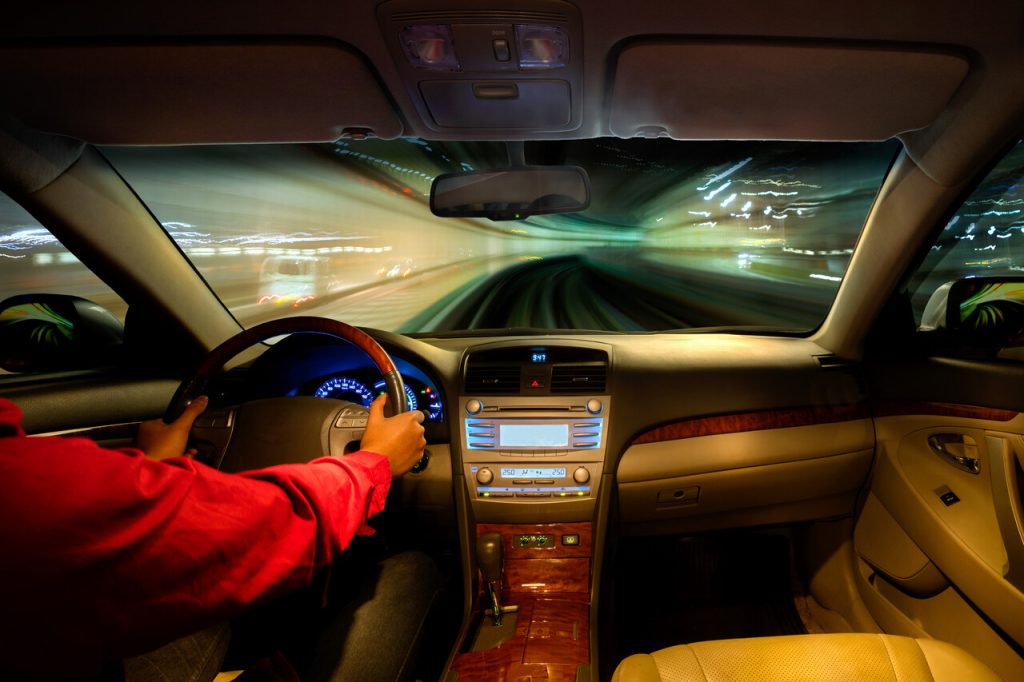
Parents have scared kids for decades saying it’s illegal to drive with the cabin light on, but it’s not. The light can make it harder to see outside, which is why it’s discouraged, not banned. Police won’t ticket you for having it on unless it directly interferes with visibility. So if you need to find something in your bag, you can flick it on briefly without fear. Just don’t leave it on for long stretches while driving at night; it’s more distracting than dangerous. A little moderation keeps everyone safe.
6. Eating While Driving
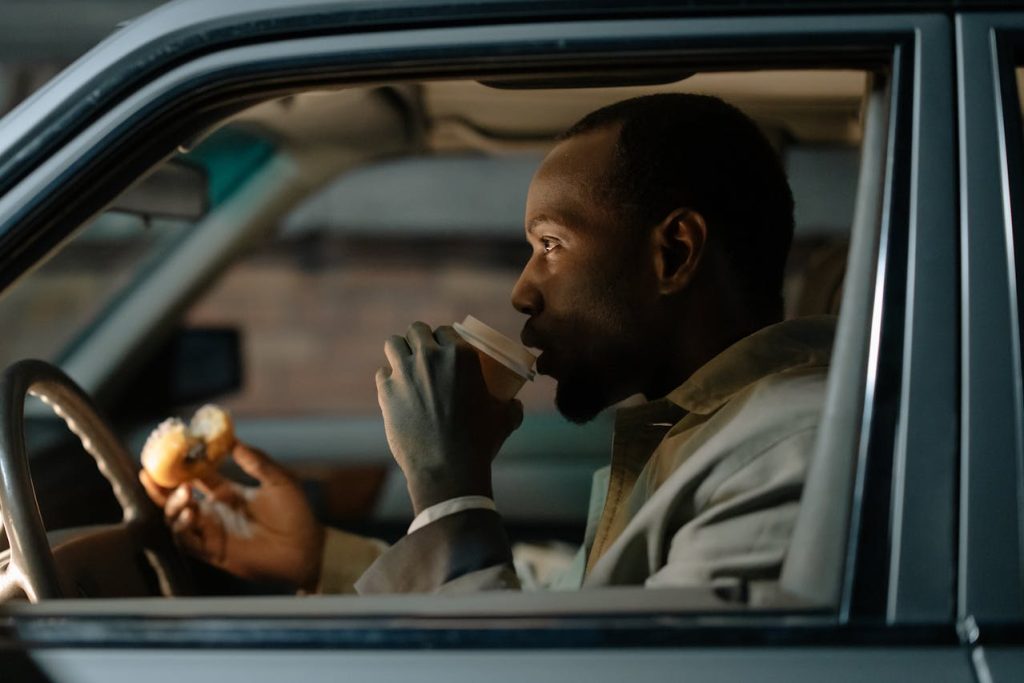
There’s no federal law against eating while driving. A few states could ticket you if it leads to distracted or reckless driving, but the act itself isn’t banned. The key is control if your focus stays on the road, you’re fine. That quick burger at a stoplight won’t get you in trouble unless it causes unsafe behavior. The law targets distraction, not your lunch. Still, it’s smart to avoid messy foods or ones that require both hands. A little balance keeps your meal and your driving smooth.
7. Listening to Music Loudly
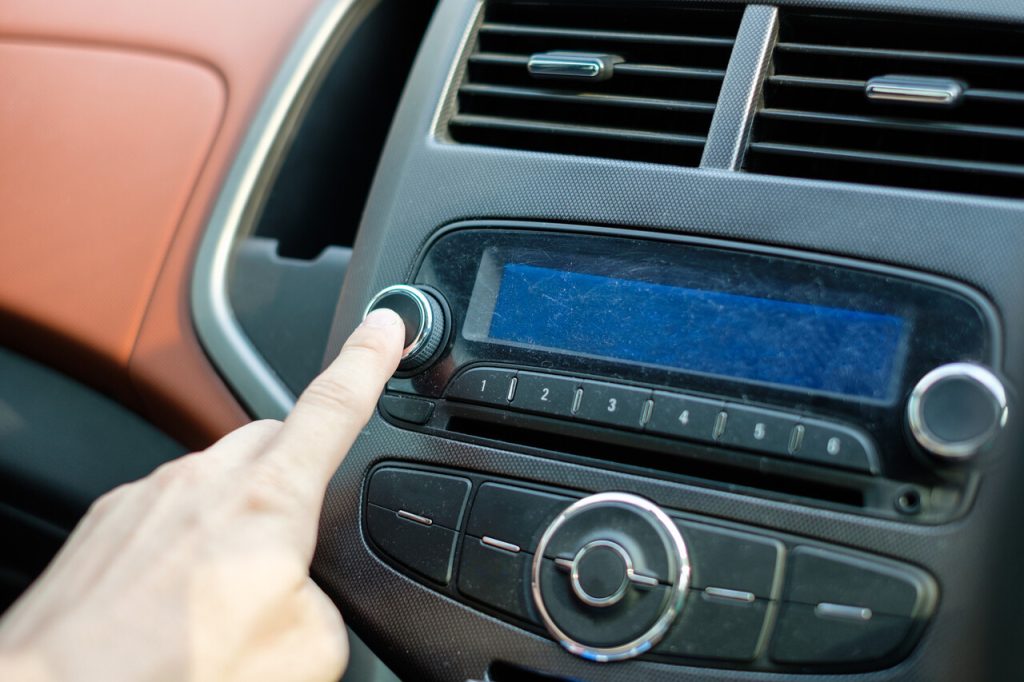
Blasting your favorite song might feel risky, but most states don’t ban loud music unless it disturbs others or prevents you from hearing sirens. The law focuses on excessive volume near residential areas or at night, not casual listening. As long as you can still hear traffic and emergency vehicles, you’re within your rights. Just keep volume at a level that lets you react quickly if needed. Enjoy your music just don’t turn your car into a rolling concert.