Former Train Lines That Were Closed for the Oddest Reasons
Railroads have vanished for countless reasons, from financial downturns to shifting trade routes. Yet a handful of rail lines disappeared under circumstances so unusual that they still spark curiosity today. Some were shut because animals kept disrupting service, others were abandoned after being buried under drifting sands, damaged by bizarre local weather, or rejected by the very communities they were meant to serve. These curious stories show how rail travel is shaped not only by economics but also by unpredictable landscapes, politics, and cultural quirks. Below are some of the strangest closures in rail history and what made them so unforgettable.
1) The Goat-Guarded Spur, Oregon
A rural Oregon spur was infamously plagued by a herd of stubborn goats belonging to a nearby farm. The animals frequently wandered onto the tracks, refusing to budge even when trains approached. Crews tried whistles, fences, and guards, yet the goats kept returning, delaying freight and causing minor but costly collisions. Local farmers favored the animals, sparking community resistance to stronger protections. After repeated standstills and rising maintenance, the company eliminated the branch, leaving behind grassy rails and ongoing stories about the goats that unknowingly ended a working railroad.
2) Desert Line Swallowed by Sand, Namibia
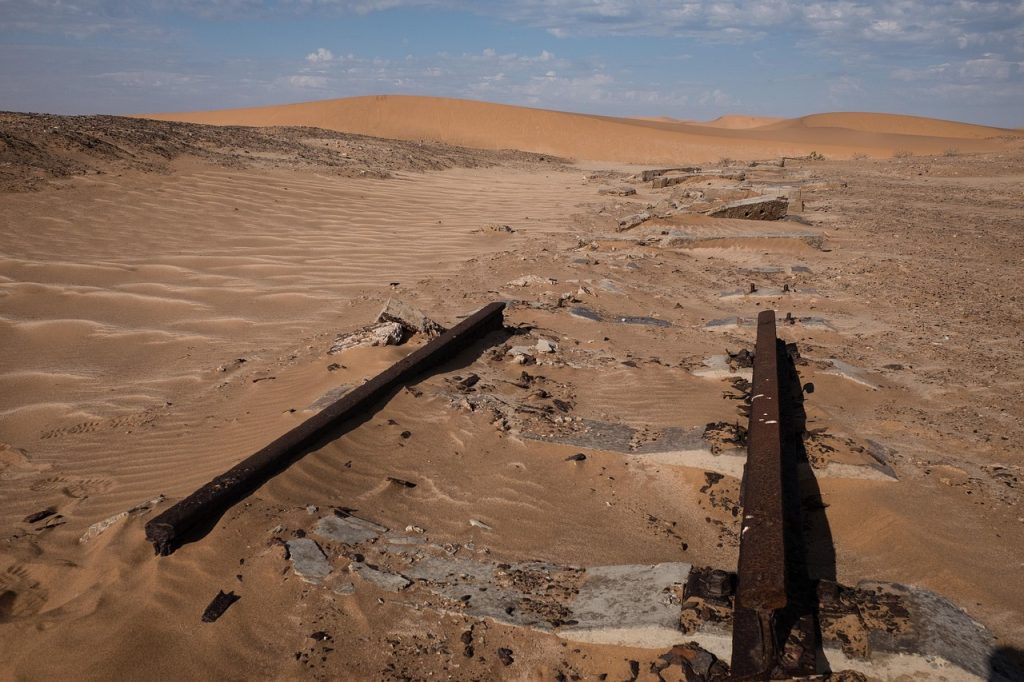
A remote segment of the Namibian railway fell victim to relentless drifting sand that engulfed tracks faster than crews could clear them. Windstorms routinely buried entire sleepers overnight, forcing emergency repairs and stalling shipments. Attempts to anchor dunes failed, and environmental restrictions limited heavy work. Operating costs soared as each journey demanded excavation before departure. Eventually, the operator halted service, concluding that the shifting desert made long-term upkeep impossible. The line now lies under waves of pale sand, with only fragments visible after storms briefly uncover its steel bones.
3) Mikawa?Okusa Station & the Taguchi Line
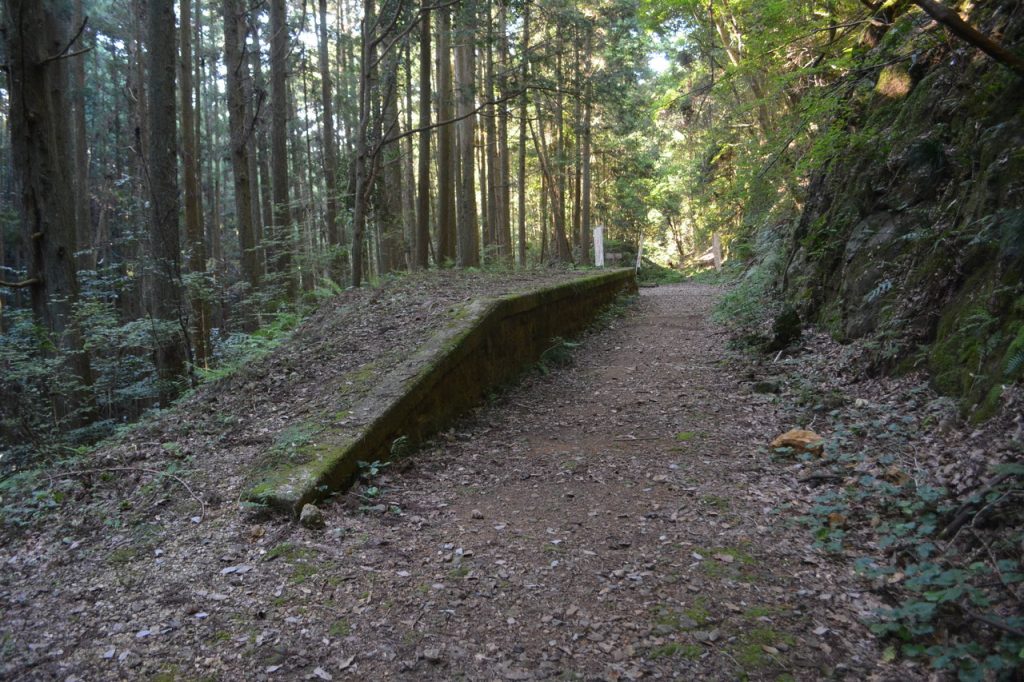
Hidden in the forested mountains of Aichi, the former Taguchi Line’s Mikawa Okusa Station closed after demand collapsed, but its afterlife grew oddly famous. The hand-carved tunnel, mossy platform and rusted rails inspired eerie tales from hikers who claimed to hear distant footsteps or see shapes near the portal at dusk. While no proof of spirits exists, the stories hurt local tourism plans and discouraged redevelopment. The route remains abandoned, its quiet scenery and haunting rumors keeping curious visitors returning.
4) The Bridge That Wouldn’t Stay Put, Wales
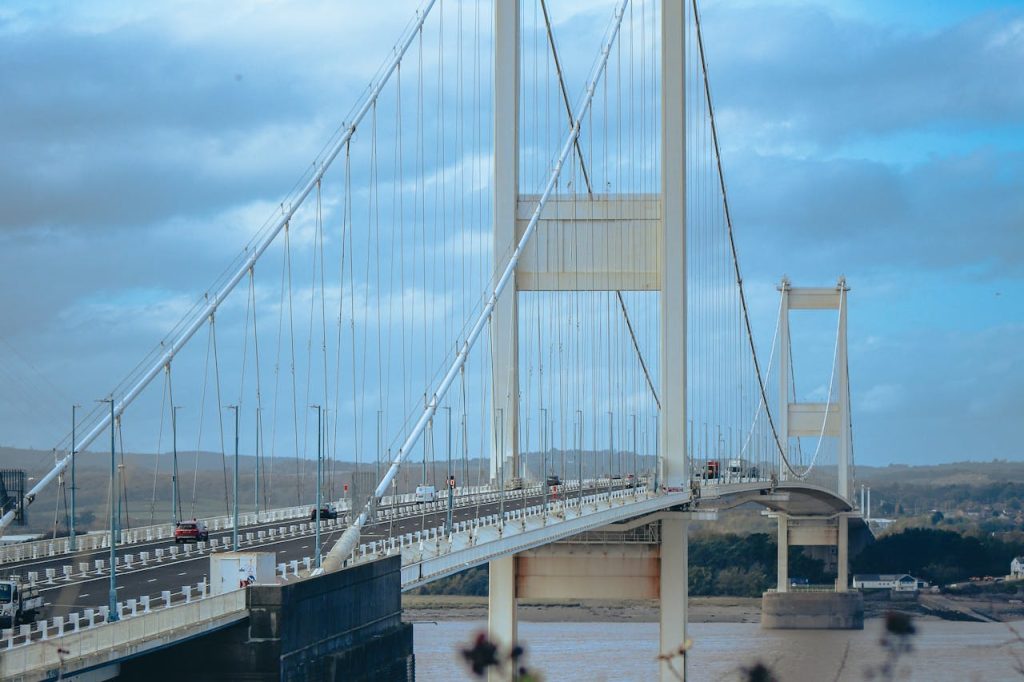
A Welsh coastal branch depended on a wooden bridge that sat above shifting tidal flats. Each year, powerful currents loosened support piles and warped the structure, forcing frequent repairs. Local officials debated replacing it, but costs soared and engineering plans stalled. Trains ran at crawling speeds, often halted by inspections after storms rattled timbers. One winter, a major surge twisted beams beyond recovery, and the route was suspended. Attempts to rebuild faded as funding dried up. Today only a few weathered posts rise from the mud where the bridge once sat.
5) Glacier-Broken Tracks, Alas
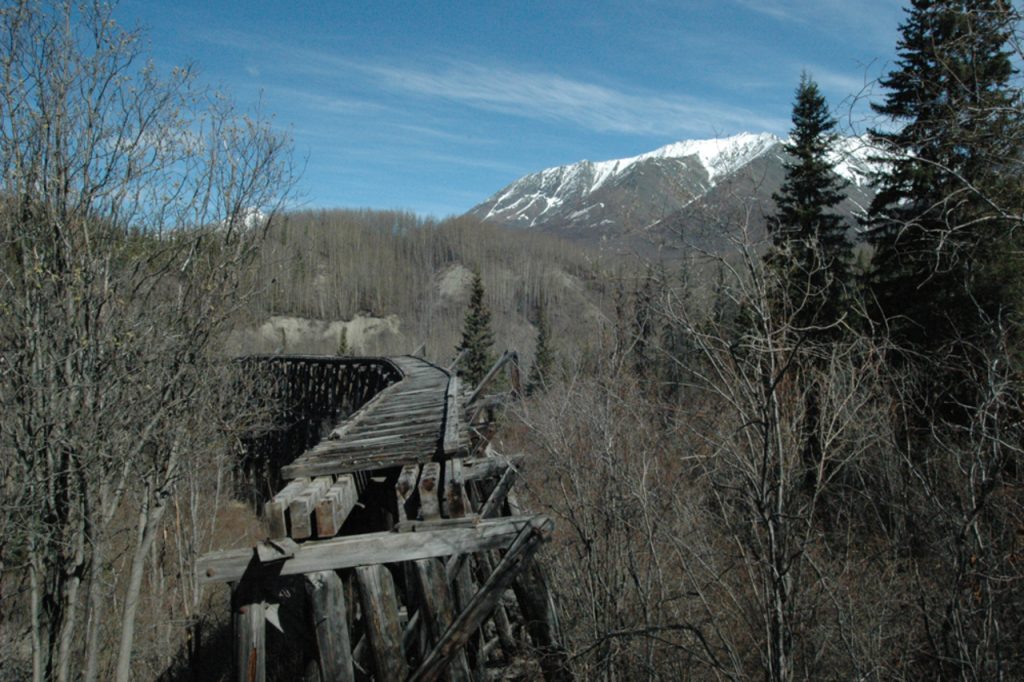
An Alaskan mining line was repeatedly damaged by a slow moving glacier creeping across the valley floor. At first the ice barely touched the embankment, but over time it ground forward, cracking sleepers and pushing rails out of alignment. Work crews cut the ice back, yet it returned each season, heavier and faster. Extreme cold hindered welding and made daily operations risky. Insurance demanded expensive mitigation that the company refused to fund. Eventually, trains stopped. Today, twisted iron lies partly entombed beneath blue ice, a reminder that nature can shift faster than steel.
6) The Railway That Voted Itself Out, Switzerland
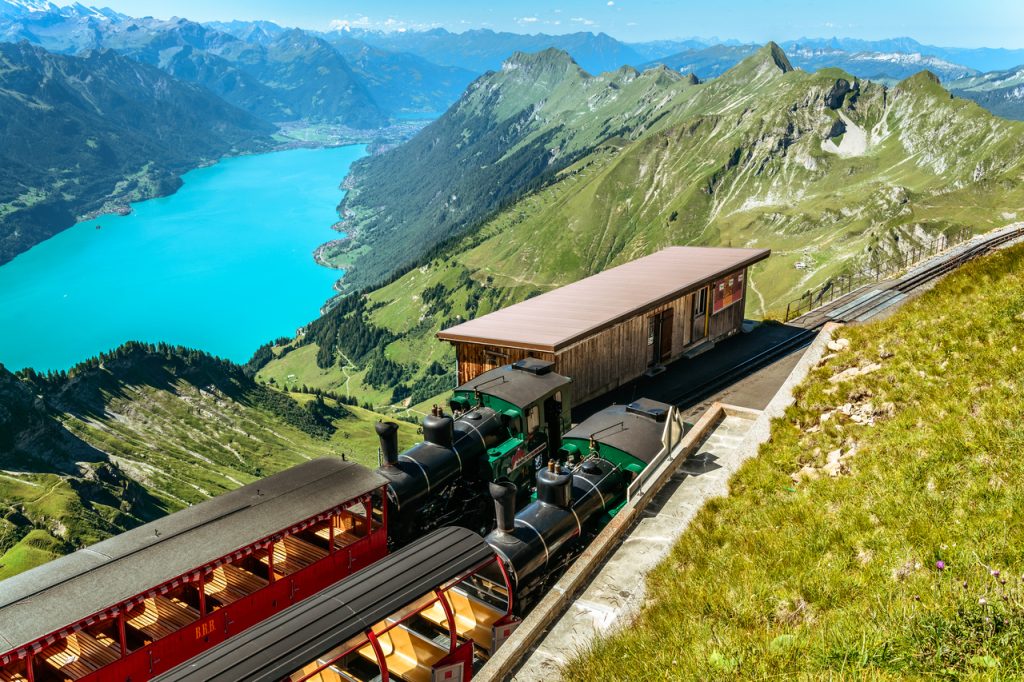
In a mountain town, residents once voted to remove their only rail link, citing noise, seasonal crowds, and fear of changing traditions. Despite offers to modernize trains and reduce timetable frequency, the ballot favored closure. The line ended amid festivals celebrating the return of quiet streets. Tourists now arrive by bus, though many complain about long journeys and lost charm. The right of way has been turned into a scenic walking path, dotted with signs explaining the unusual vote that traded dependable transport for preserved village peace.
7) The Collapse of the Corn Tunnel, England
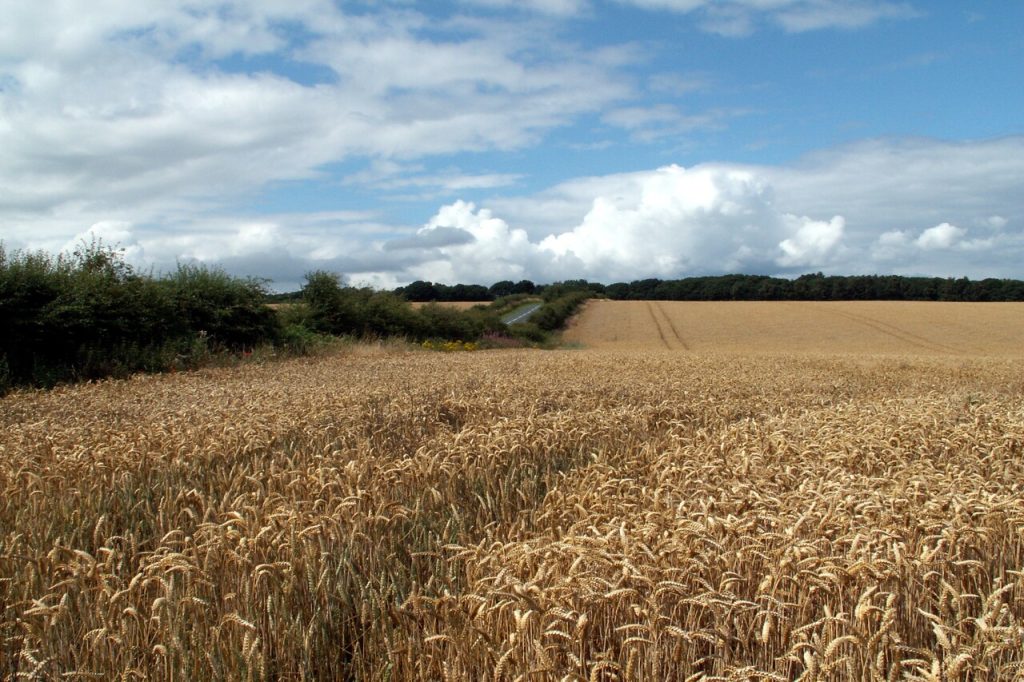
Farmland encroached on an old English branch, where a narrow tunnel ran beneath cornfields. Heavy machinery compacted soil above, weakening brickwork until harvest rains triggered a partial collapse. No trains were inside, but repairs required major excavation and structural upgrades. Landowners refused to reroute fields or restrict tractors, arguing long use gave them priority. With neither side yielding, the operator closed the line to avoid future risks. The tunnel entrance still sits among crops, blocked by brush, a strange remnant lost to stubborn farming routines.
8) The Frozen Switches of Lapland
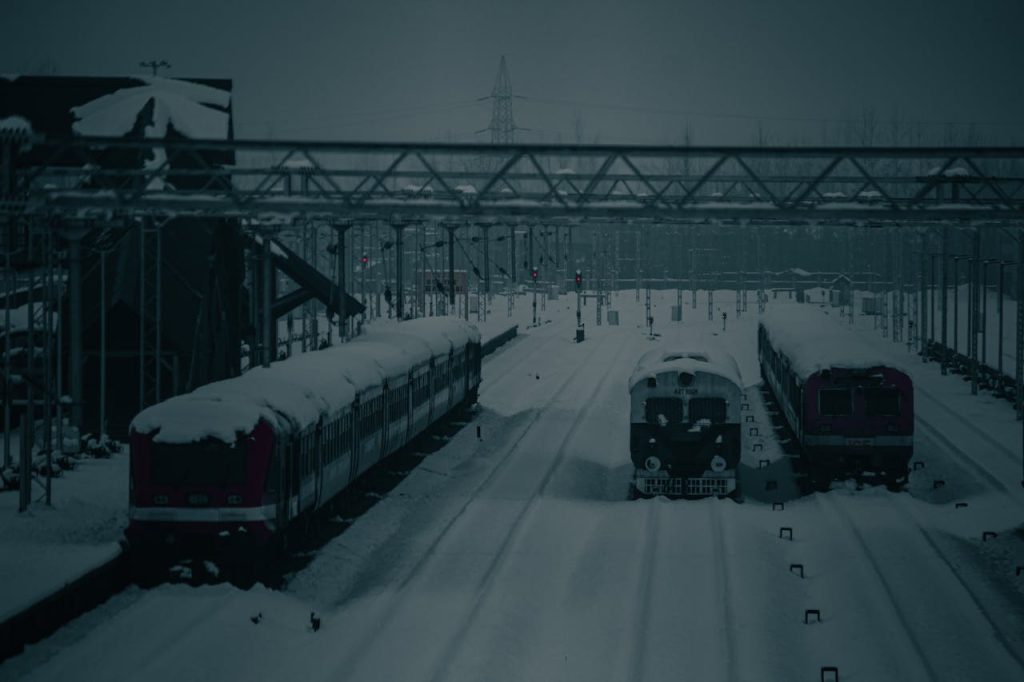
A Lapland freight route struggled each winter when temperatures plunged, freezing track switches solid. Even after crews applied heaters and special lubricants, snowmelt refroze within hours, jamming points and trapping rolling stock. Repeated breakdowns disrupted timber shipments and strained budgets. Engineers proposed a full enclosure, but the cost exceeded earnings. After one severe season halted movement for weeks, the operator ended service. The line now rests beneath spruce forests and drifting snow, visited by hikers who follow faint embankments winding through the quiet Arctic countryside.