Hidden Party Costs in Spain That Are Draining Women’s Travel Budgets

Spain can feel like the perfect party deal: late dinners, walkable neighborhoods, and nights that stretch until sunrise. The spending problem usually is not one big mistake. It is the quiet pileup of small charges that barely register in the moment.
A lot of women notice it most on group trips, when costs get split, plans change fast, and nobody wants to be the person slowing the night down. Convenience wins, and convenience is rarely cheap.
The biggest drains tend to land at predictable pressure points: check-in, the club door, the first round, and the ride home. Each one feels manageable. Together, they can blow a budget that looked solid on day one.
What helps is naming the hidden costs before they show up. Once a trip has a few basic rules, the fun stays fun, and the spending stops feeling like a surprise attack.
Tourist Taxes and Check-In Fees That Feel Invisible Until They Land
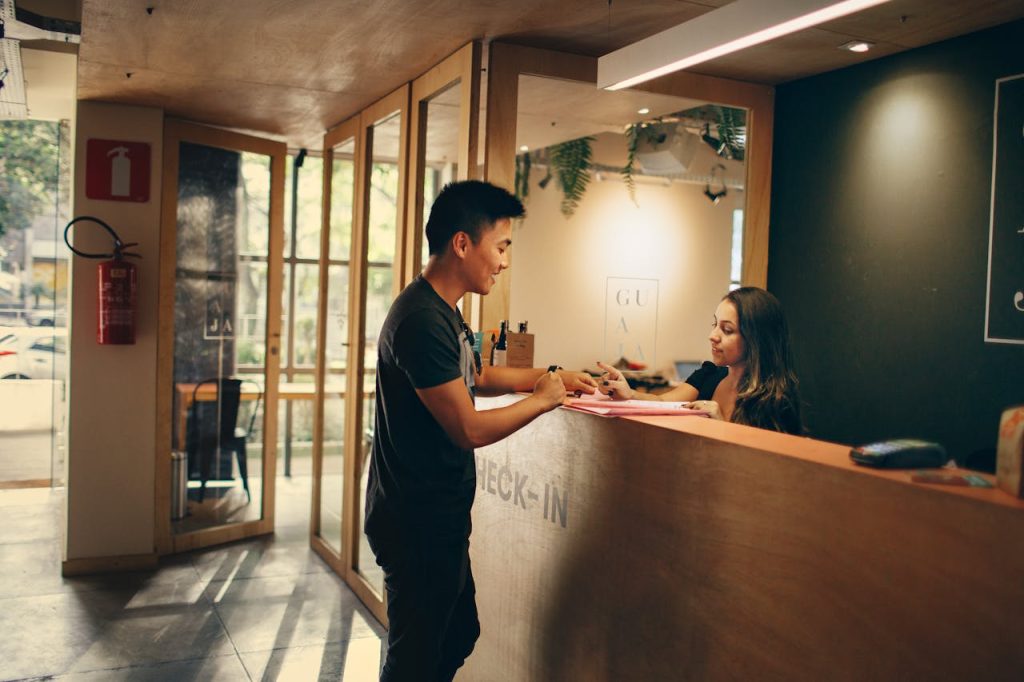
Spain does not run one single nationwide tourist tax, but several regions and cities charge stay-based levies. The fee is often collected by the accommodation, so it shows up on the hotel invoice instead of feeling like a separate tax payment. That timing makes it easy to miss when planning.
Catalonia is a common example because the amount varies by accommodation type and category. In practice, that means two friends staying in different hotels in the same city can pay noticeably different totals, even with the same itinerary. It is still a legitimate fee, just not always obvious upfront.
Another budget snag is how these charges interact with deposits and card holds. Check-in is already a moment when people upgrade rooms, add breakfast, or pay for late check-out. A small per-night levy can disappear inside that swirl and feel like a random add-on later.
The simplest fix is to treat tourist taxes as part of lodging, not as a rounding error. Add a small per-person buffer for each night, and ask the property at booking whether local taxes are included or paid on arrival. That one question prevents most of the check-in sticker shock.
The Real Price of Nightclubs: Entry, Lists, and Minimum Spend
Nightlife costs rarely start with drinks. They start with timing and access. A venue that looks affordable at 11:30 p.m. can feel much pricier after midnight once demand climbs and the line gets long.
Guest lists can help, but they often come with strict conditions. Names may need to be submitted early, entry windows can be narrow, and one slow dinner can erase the discount. It is not a scam, it is just a rule set that punishes lateness.
Table bookings are where budgets can quietly snap. When the line looks miserable, bottle service starts to feel like a smart shortcut. Then minimum spend requirements kick in, and the cost becomes less about partying and more about buying access.
Inside the club, smaller charges pile on fast: coat checks, water, premium mixers, and those extra rounds ordered to keep the table agreement simple. If the group decides in advance whether the night is entry-only or table-night, the spending stays intentional instead of reactive.
Drinks, Snacks, and the Micro-Charges Nobody Mentions

Spain can be great value for food, but party spending happens in fragments. A few rounds here, a quick snack there, bottled water in a busy zone, then one more stop because someone is still hungry. Each purchase feels minor because it is isolated.
The trap is the pace. Nights out are long, and long nights create more chances to buy something small. When the group is moving between spots, it is easy to keep spending without ever seeing a single big bill that triggers caution.
There are also venue-specific extras that feel normal until they stack: a small cover charge at the door, higher prices for certain spirits, or a “just split it” bottle that costs more than anyone expected. Nobody is being reckless. They are just choosing ease.
A simple strategy is to set a “default order” for the night and stick to it. Decide how many rounds are reasonable, keep water part of the plan instead of an impulse buy, and do one proper late meal rather than five mini-purchases that add up to more.
Late-Night Logistics That Get Expensive Exactly When You Need Them
Transport gets tricky late, and late is when party trips live. Taxis and ride-hails become harder to find right after closing time, which is also when prices can spike. Even short rides can cost more when everyone is competing for the same cars.
Location choices matter more at 2:00 a.m. than they do at noon. A hotel that was “only a little outside the center” can feel inconvenient when the group is tired and dressed for nightlife. The distance becomes a fee.
Safety decisions can increase costs, and that is usually money well spent. Paying extra for a direct ride, choosing official pickup points, or avoiding a long walk through poorly lit streets is not overthinking. It is smart.
The savings come from planning before the first big night. Stay closer to nightlife if the trip is party-forward, learn the night-bus options early, and set a clear regroup rule so nobody gets forced into expensive solo rides just to get home.
Outfit Pressure: Dress Codes, Comfort, and Emergency Shopping

Outfit spending is a hidden category because it feels personal, not logistical. Some venues enforce dress standards, and the rules can be vague enough to trigger last-minute purchases. One rejected entry can turn into a quick shopping run that was never budgeted.
Shoes are the biggest culprit. Walking-heavy nights punish painful footwear, and blisters can turn a fun itinerary into pharmacy stops and replacement purchases. Comfort costs money when it was not planned.
Weather also plays a role. A cool coastal breeze or an unexpected rain can push people into buying jackets, wraps, or umbrellas at tourist prices. If luggage limits kept packing tight, the urge to buy duplicates gets stronger.
The practical answer is to pack one reliable, venue-safe outfit and one pair of shoes that can handle real walking. That reduces panic spending and keeps the night focused on the plan, not on fixing what the suitcase did not include.
Money Traps at ATMs and Card Terminals
A common budget leak is not a fee you see clearly. It is the exchange rate you accept without realizing it. ATMs and card terminals sometimes offer to charge in a traveler’s home currency instead of euros, which can come with a marked-up conversion.
This is especially dangerous on nights out because people are tired, in a hurry, or splitting bills quickly. The screen prompt looks helpful, and it is easy to tap yes. Over several transactions, the extra cost becomes real money.
Cash withdrawals can carry their own surprises too: third-party ATM fees, higher charges in tourist-heavy areas, and poor rates when the machine is designed for convenience rather than fairness. It is not dramatic per transaction, but it compounds.
A good rule is simple: pay in euros whenever you are given the choice, and withdraw cash from bank-affiliated ATMs when possible. If the group needs cash for the night, do one planned withdrawal earlier, not several rushed ones during peak hours.
The Costs of Staying Connected and Staying Together
Party trips run on phones, and phone problems get expensive fast. When someone’s battery dies, the “quick fix” is often buying a power bank at inflated prices or paying for chargers that should have been packed. Data issues create the same problem, especially if roaming surprises hit mid-trip.
Then there are the small infrastructure costs: paid lockers at beaches or clubs, entry fees for certain events, and app-based tickets that add service charges. None of these are outrageous. They just show up repeatedly.
Group spending habits can also drain budgets when splitting gets sloppy. Even splits are easy, but they can quietly punish the person who ordered less or skipped a round. Resentment is not just emotional, it can turn into more spending to avoid awkwardness.
The cleanest approach is to choose one method and stick to it: rotate who covers categories each night, or use a shared tracker for big items like tables and transport. When the money system is clear, the night feels lighter because nobody is doing mental math at 1:00 a.m.
How to Party in Spain Without Bleeding the Budget
The goal is not to party less. It is to party with a plan. A simple structure works best: fixed costs (lodging taxes, entry, transport), flexible fun (drinks, snacks, extras), and a small buffer for surprises.
Decide early what kind of trip this is. If it is two big nights and two calmer nights, say it clearly so the group stops trying to turn every evening into the main event. That single decision prevents most “accidental” overspending.
On the ground, keep a few rules non-negotiable: eat before the club, pick a regroup point, and avoid last-minute upgrades made under pressure. Treat table offers and VIP pitches like any other purchase, not like a rescue mission.
Finally, protect the ride-home budget. That is the moment when safety matters most and prices tend to jump. If the group plans rides the same way it plans dinner, the trip ends with good memories and clean finances.