How Border Uncertainty Is Turning Simple Family Park Trips Into Safety Nightmares
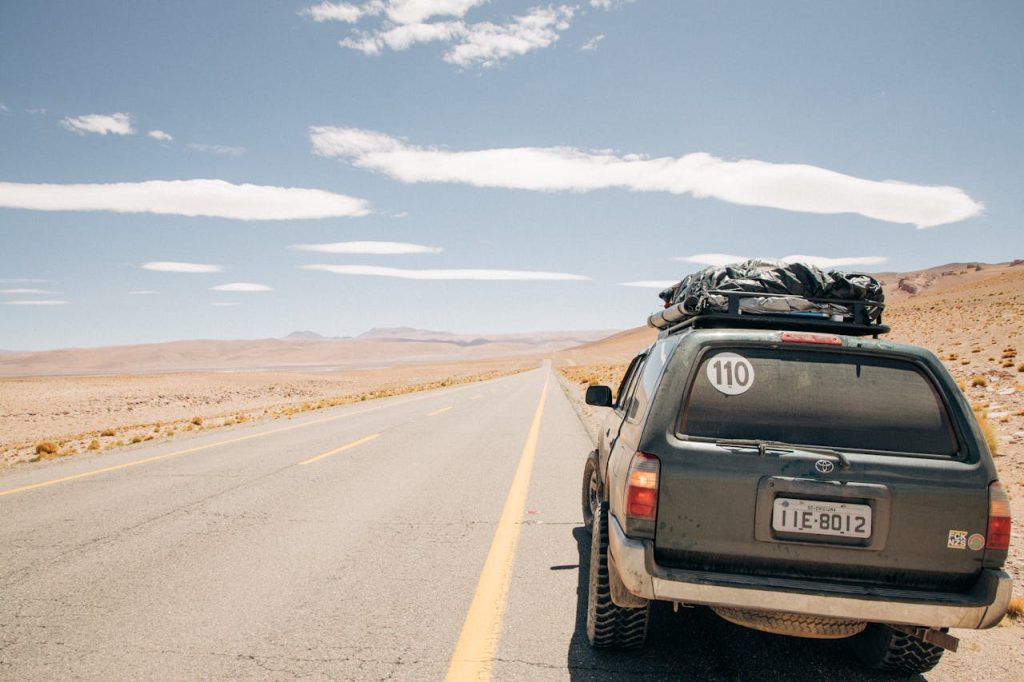
A family park trip used to be a simple formula: pick a long weekend, load the car, and spend more time outdoors than on screens. Border-adjacent routes changed that rhythm. Now the same trip can involve lane strategy, timing windows, backup routes, and a steady stream of alerts that shift from week to week.
What looks like a planning nuisance on paper often lands as a safety issue on the road. When timing slips, rest breaks shorten, daylight disappears, and small decisions get rushed. That pressure rarely hits everyone equally, and women in family groups often end up carrying the heaviest decision load.
Recent public guidance shows why this feels less predictable than it did a few years ago. Canadian advisories for the U.S. specifically warn extra caution near the U.S.-Mexico border and recommend avoiding night crossings, while border agencies on both sides frame wait times as estimates that can swing with conditions.
Park operations add another layer. Organ Pipe has had temporary border-road closures, and Big Bend has faced both infrastructure strain and long construction timelines in key visitor zones. Families are still traveling, but the margin for improvisation has shrunk.
Border Clocks Now Shape the Entire Day
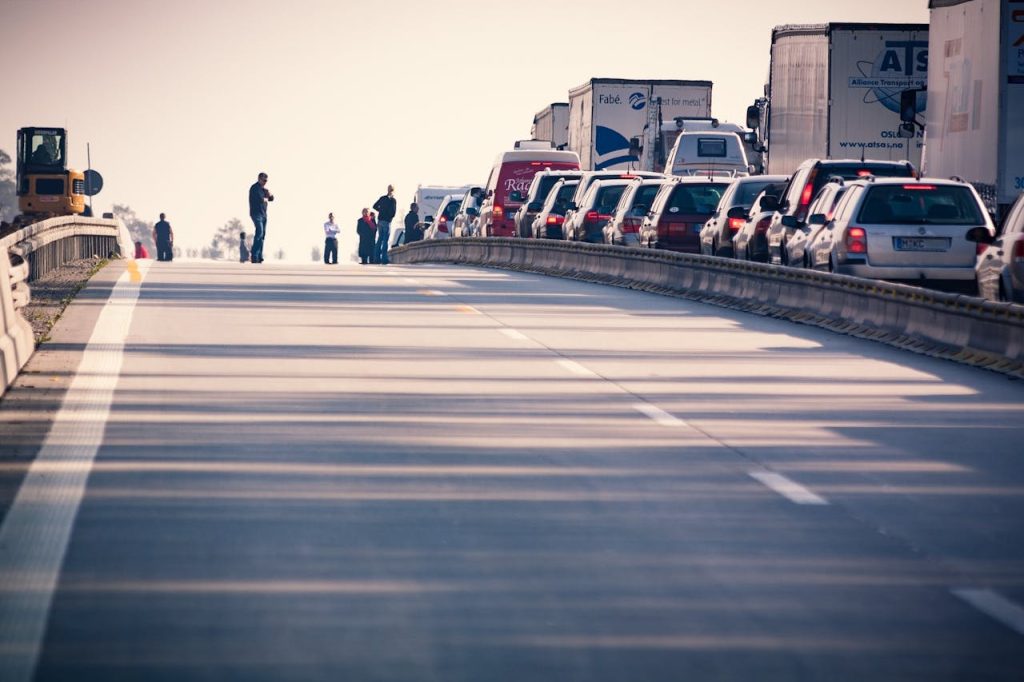
The old plan was simple: cross when convenient, stop for lunch, then reach the trailhead by midafternoon. That is harder when crossing windows and park access need tighter sequencing. A single delay can move arrival into darker, riskier hours.
CBSA’s live border page is useful, but even it warns that waits are estimates and can change for reasons travelers cannot forecast in advance. It also notes updates are periodic, not second-by-second, so families still need buffer time in real itineraries.
On the U.S. side, CBP publishes processing goals for expedited lanes, but those goals are explicitly infrastructure-dependent. That wording matters because it signals variability by port, time, and lane status.
For women coordinating a family group, this means trip control shifts from destination-first to risk-first. Departure times get earlier, break windows get tighter, and contingencies become mandatory instead of optional. The park is still the goal, but border timing now owns the schedule.
When Night Travel Stops Being a Backup Option
Many families used to treat night driving as a recovery tool after delays. If traffic stole two hours, they simply arrived later. Border-zone guidance has made that fallback harder to justify.
Canada’s U.S. advisory calls for heightened vigilance when crossing near the U.S.-Mexico border, recommends official crossings only, and advises against night travel in that context. Even when incidents are statistically uncommon for tourists, the guidance changes how families define acceptable risk.
That creates a practical squeeze. If a crossing takes longer than expected, families may need to choose between paying for an unplanned overnight stop or pushing into low-visibility hours they wanted to avoid. Neither option feels ideal with children and gear in the car.
Women often end up making that call in real time while also handling food, bathroom timing, medication schedules, and everyone’s stress level. The decision is no longer just about convenience. It becomes a safety judgment made under fatigue.
Park Access Can Shift for Security Reasons
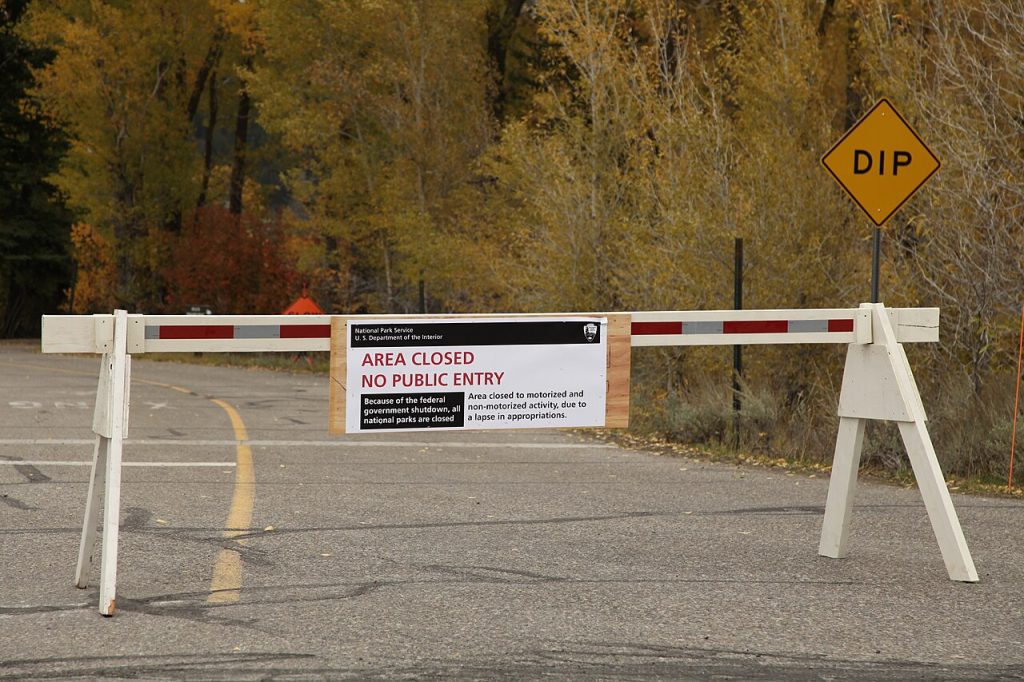
Families usually think of parks as fixed destinations once permits or lodging are booked. Border-adjacent parks can be different because access corridors may change under temporary orders. That turns a familiar park map into a moving target.
At Organ Pipe, the National Park Service posted a temporary closure order affecting southern border roads from June 11, 2025, to June 11, 2026. The closure covers vehicle and pedestrian use in specific segments tied to health and safety management.
Even if major visitor areas remain available, route compression can increase crowding and reduce flexibility for families with kids or older relatives. A closed connector road can force longer drives, altered trail choices, and tighter daylight margins. That practical impact is bigger than it looks on a map.
NPS safety guidance for Organ Pipe also notes that illegal crossings can occur and advises visitors to avoid contact and report suspicious activity. The language is measured, but it reinforces the need for higher situational awareness than many families expect on a routine park day.
Remote Terrain Magnifies Every Small Planning Error
In remote parks, the difference between a minor delay and a hard safety problem is often communication. Big Bend’s safety page states that cell service is limited or nonexistent in many areas. That one detail changes how families should plan pace, check-ins, and turnaround times.
The same page also notes occasional smuggling and illegal crossing activity in remote zones, while emphasizing low reported crime overall. The key takeaway is not panic. It is that families need clear protocols for what to do and what not to do if they encounter unusual activity.
Heat adds a separate risk track that can escalate quickly with children. NPS heat guidance recommends starting activities before 10 a.m. or after 4 p.m., hydrating early, and taking regular shaded breaks. Those are operational rules, not optional wellness tips.
For women managing family logistics, this stacks responsibilities fast: route safety, hydration discipline, pacing, and emotional regulation for the group. A trip can still be joyful, but only if planning treats terrain and time as active risk factors. Spontaneity has less room here.
Infrastructure Problems Can Rewrite Trips Overnight
Border uncertainty is not only about law enforcement patterns or crossing volumes. Infrastructure failure can abruptly change what is usable inside a park. That kind of disruption is harder to predict from normal trip-planning habits.
On January 3, 2026, Big Bend reported a critical water shortage after Oak Spring pumps failed, triggering Stage 2 restrictions in the Chisos Basin area. The park said repairs were being expedited but did not have a firm timeline at that point.
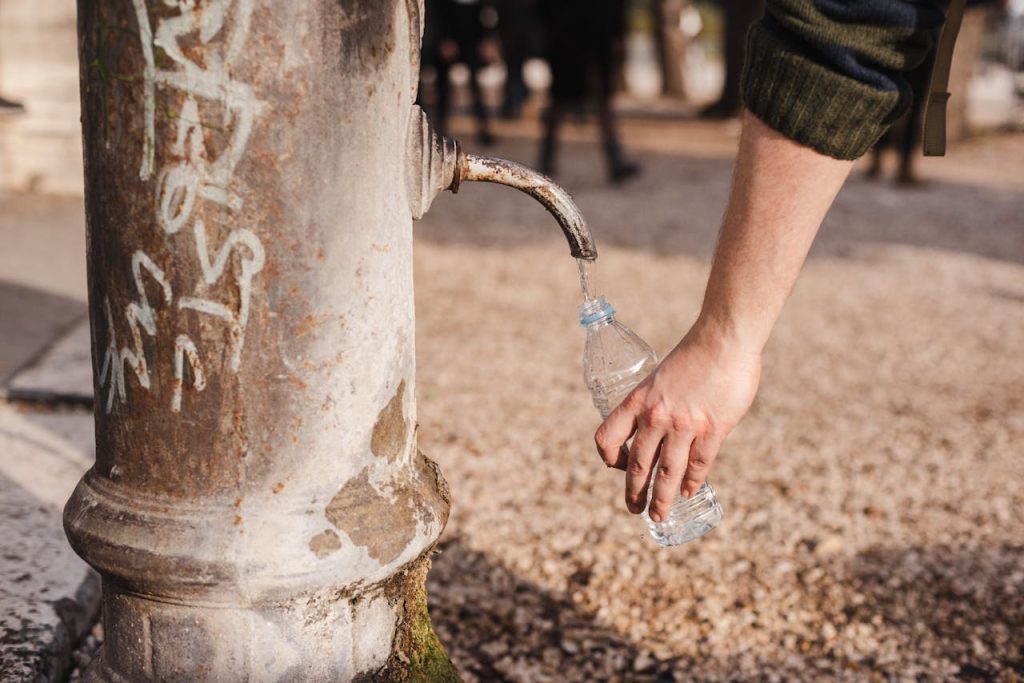
When core services become uncertain, families have to rethink basics: drinking water strategy, restroom access, food plans, and whether to keep children in exposed conditions. None of that appears in glossy destination photos. All of it determines whether a trip remains safe.
This is exactly where women’s planning labor becomes invisible and essential at once. They often translate official alerts into practical rules everyone can follow without panic. That work prevents problems before they become emergencies.
Construction at Crossings Adds Hidden Friction
Northern crossings are often assumed to be straightforward, especially for repeat travelers. Active reconstruction can change that baseline even when day-of waits look manageable. Long projects introduce moving parts that families need to track.
CBSA’s Saint-Bernard-de-Lacolle updates describe lane constraints, warn that waits may run higher than normal through redevelopment, and advise route adjustments. The same update stream also explains temporary changes to NEXUS lane access during construction.
For families, that means one more layer of pre-departure checks and one more way a clean plan can fray at the edges. A ten-minute detour for adults can become a bigger stressor with children, strollers, food timing, or bathroom urgency. Small friction compounds quickly.
The result is not always cancellation, but it is often compression. Families shorten stops, skip lower-priority activities, and default to safer, more predictable options. That is rational behavior, yet it quietly changes the quality of the trip.
Women Are Carrying the Heaviest Share of Uncertainty
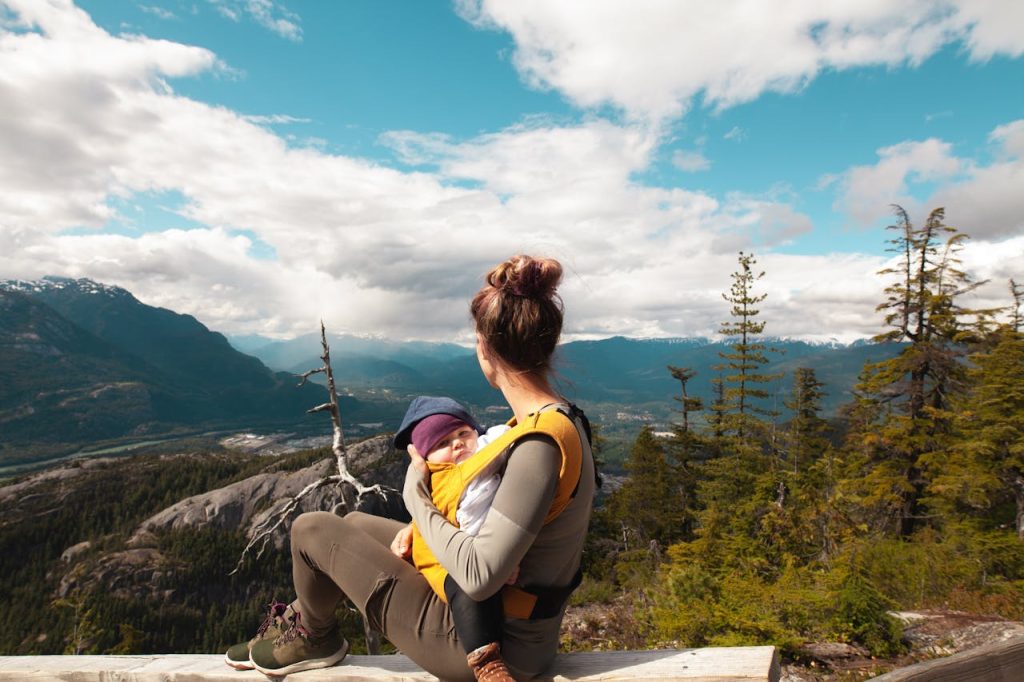
Travel uncertainty is distributed unevenly inside families. Someone must monitor advisories, compare route options, and make safety calls when conditions shift. In many households, women shoulder that role by default, often without recognition.
They are also managing the human side in parallel: children’s fatigue, snack timing, medication reminders, and anxiety regulation when plans change. These tasks are easy to dismiss because they are informal. They are also exactly what keep the day stable.
When border and park variables multiply, cognitive load rises before anyone reaches the trailhead. That load affects judgment, energy, and willingness to attempt another cross-border trip soon. Over time, it can shrink travel freedom in ways that look personal but are actually structural.
This is why the conversation should move beyond simplistic safety slogans. Families do not need fear-driven messaging. They need realistic planning frameworks that acknowledge who carries risk management in practice.
Smart Planning Can Keep Family Trips Both Safe and Worthwhile
The goal is not to avoid border-adjacent parks. The goal is to reduce avoidable stress so families can enjoy them with confidence. That starts with planning daylight-first itineraries and setting a non-negotiable turnaround time.
Check both countries’ border wait tools before departure and again on the road, then treat the numbers as directional rather than precise. Both agencies frame wait times as estimates, so build real buffer windows into every crossing day.
For parks, review the latest alerts and safety pages the morning of travel, not just when the booking is made. Closures, service limits, and seasonal risks can shift quickly, especially in remote desert environments.
Most important, make risk decisions early, not at the edge of exhaustion. If timing slips, pivot without guilt and protect the group’s margin. A trip postponed by one day is still a good trip; a rushed arrival in poor conditions is never a bargain.