How Italy Trips Suddenly Cost Double for Women Planning Dream Vacations
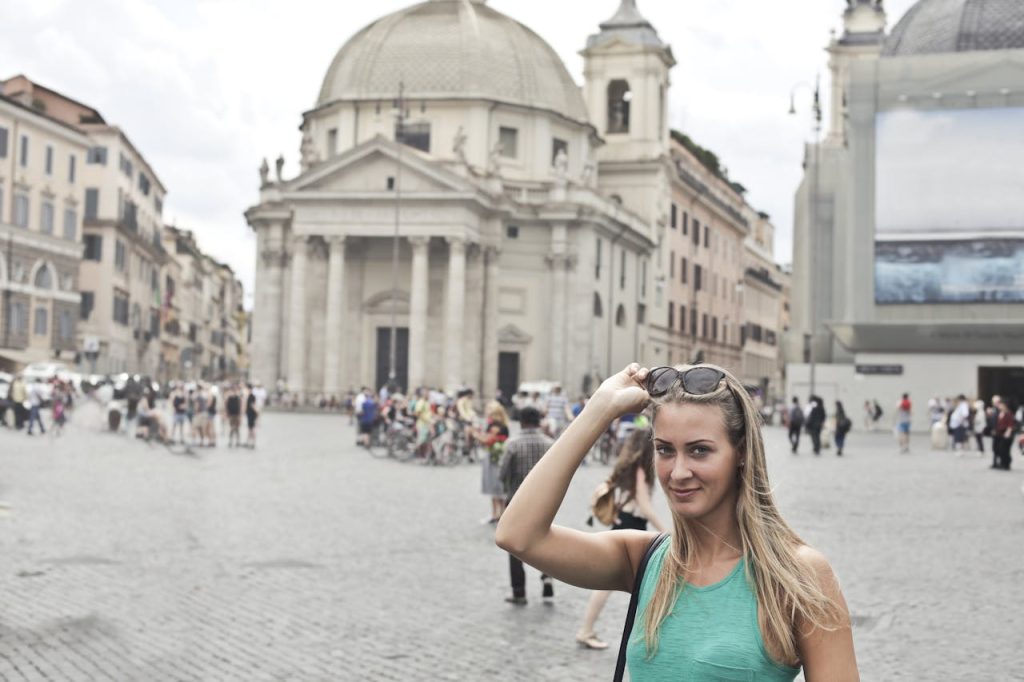
My vision of an Italian summer used to be a masterpiece of affordable luxury. I pictured myself renting a sun-drenched villa in Tuscany or sipping Aperol Spritzes on a Positano balcony, all booked on a moderate budget that allowed for spontaneous shopping and leisurely dinners. But as I began planning for the 2026 season, that dream collided with a brutal new economic reality. The combination of the upcoming Jubilee in Rome, aggressive new “overtourism” taxes, and dynamic pricing models has caused the cost of a standard Italian itinerary to skyrocket. The “La Dolce Vita” experience is now gated behind a paywall that is double what it was just a few years ago.
This inflation is not random; it is a calculated pivot by the Italian tourism industry toward “high-value” visitors. Economic researchers and hospitality analysts explain that destinations are actively discouraging the budget traveler through financial barriers, effectively curating a wealthier demographic. For women, who often prioritize safety, central locations, and curated experiences, these hikes hit the hardest. The premium for comfort and security has evaporated the middle ground, leaving a stark choice between paying exorbitant rates or compromising on the dream.
Rome
The Eternal City is the epicenter of the 2025/2026 price surge due to the Vatican’s Jubilee, a Holy Year expected to draw over 30 million pilgrims. City officials and hospitality experts warn that this massive influx has allowed hotels to triple their nightly rates, with even basic 3-star accommodations pricing like luxury suites. The sheer demand means that finding a safe, centrally located room—a non-negotiable for many female travelers—now requires a budget that would have previously funded an entire week’s stay.
Tourism policy analysts note that the city has also increased its nightly tourist tax, which is now among the highest in Europe. This fee is charged per person, per night, and must be paid in cash upon arrival, adding a hidden “inflation tax” to every booking. The days of finding a charming, affordable boutique hotel near the Spanish Steps are effectively over for this cycle; the inventory is simply too scarce and the price floor too high.
The capital is defined by its ancient ruins, chaotic energy, and the constant hum of religious history.
The tradeoff is the crushing density of the crowds. Even if you pay the premium, you are visiting a city operating at 110% capacity. Security lines for the Colosseum and St. Peter’s Basilica can stretch for hours, and the streets are often gridlocked with tour groups, making a leisurely solo stroll nearly impossible.
Venice

Venice has formalized its status as a luxury-only destination by doubling its Access Fee and expanding the number of days it is enforced. Municipal authorities now charge day-trippers a fee to enter the historic center on peak days, with penalties for those who fail to register in advance. This policy is designed to monetize the millions of visitors who crowd the canals, but for the traveler planning a multi-city trip, it adds a layer of administrative friction and cost to a simple day out.
Heritage preservationists argue that these fees are critical for saving the sinking city, but they also signal a shift away from spontaneous travel. The new system requires visitors to commit to dates and pay ahead, removing the freedom to adjust plans based on weather or mood. For women traveling alone, the increased scrutiny and checkpoints at the train station can feel less like a welcome and more like a border crossing.
The city is characterized by its lagoon setting, absence of cars, and intricate network of bridges.
A tradeoff is the continued overcrowding despite the fee. Early reports indicate that the tax has done little to reduce the actual number of bodies in St. Mark’s Square. You are paying more to access the same congested streets, where the experience of “getting lost” in Venice is replaced by the reality of getting stuck in human traffic.
Positano
Positano has transformed from a quaint cliffside village into one of the most expensive square miles in Italy. Luxury travel consultants report that hotel rates here have detached from reality, with standard rooms often commanding four figures per night during the high season. The “Instagram effect” has driven demand to unsustainable levels, allowing properties to charge exorbitant rates without necessarily upgrading their amenities.
Local logistical experts point out that the cost of simply existing here has risen. Private beach clubs now charge hundreds of euros for a front-row lounger, and the price of a private transfer from Naples—often the safest and most reliable option for women with luggage—has surged due to fuel costs and driver shortages. The “dream” of the Amalfi Coast now requires a level of disposable income that rivals a trip to the Maldives.
This vertical town is known for its pebble beaches, ceramic tiles, and steep, winding staircases.
The tradeoff is the feeling of being in a “theme park” for tourists. The authenticity of the village has been largely hollowed out by souvenir shops and overpriced restaurants catering to day-trippers. Finding a quiet, authentic moment requires hiking high into the hills, far away from the glossy, expensive waterfront.
Florence
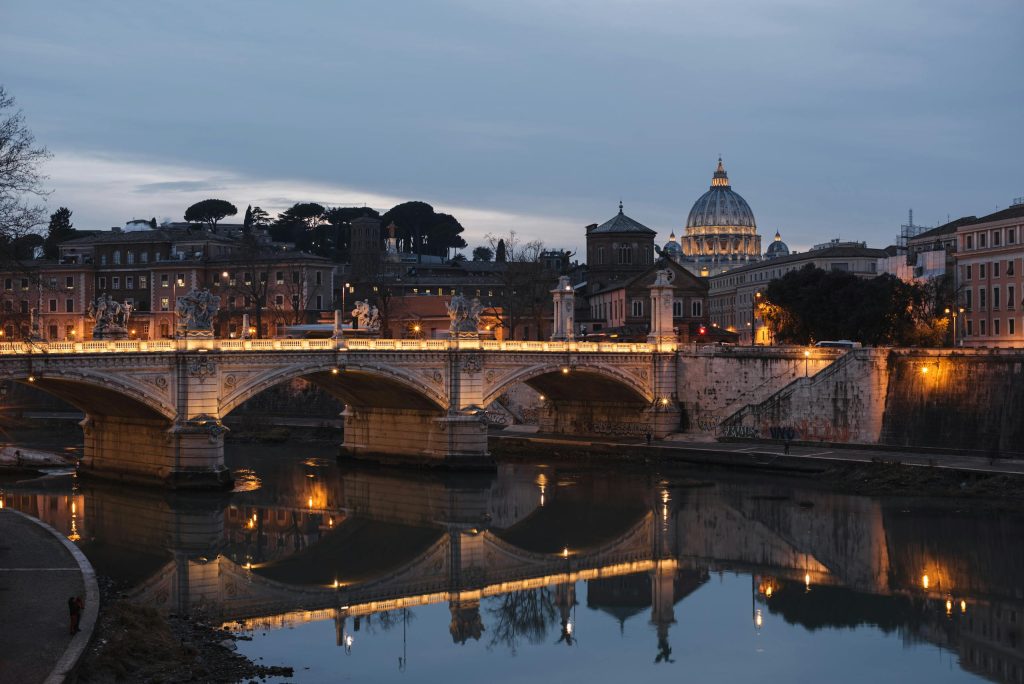
Florence has implemented aggressive measures to manage its popularity, including hikes in the tourist tax and stricter regulations on short-term rentals. Urban planners and housing activists pushed for these changes to protect the city’s housing stock for residents, resulting in a shrinking supply of Airbnb-style apartments. For female travelers who prefer the kitchen access and security of an apartment rental, this reduces the available inventory and drives up prices.
Museum directors at the Uffizi and Accademia have also raised ticket prices to fund preservation, making a “culture heavy” itinerary significantly more expensive. The cost of seeing the Renaissance masters has risen in tandem with the cost of sleeping near them. The city is leveraging its cultural capital to extract maximum value from every visitor.
The city is defined by the Duomo’s terracotta dome, leather markets, and a walkable, art-filled center.
A tradeoff is the extreme heat and lack of green space. Florence sits in a valley that traps heat, creating stifling conditions in the summer. The high cost of the trip does not guarantee comfort, as many historic buildings and lower-tier hotels still lack robust air conditioning.
Capri
Capri has long been an exclusive enclave, but recent landing fees and ferry price hikes have solidified its status as a playground for the ultra-wealthy. Island authorities have increased the disembarkation tax to fund infrastructure, adding a surcharge to every ticket sold. This, combined with the astronomical price of dining and taxis on the island, makes a day trip a significant financial undertaking.
Maritime transport analysts note that the ferry operators have adopted dynamic pricing similar to airlines, meaning a last-minute ticket can cost significantly more than one booked months ago. For a traveler hoping to catch a boat on a sunny morning, the price tag can be a shock. The island effectively filters its visitors by wallet size before they even step off the dock.
The island is known for the Blue Grotto, designer boutiques, and the dramatic Faraglioni rocks.
The tradeoff is the logistical difficulty of getting around. The funicular and bus systems are often overwhelmed, leading to long queues in the sun. Taxis are open-top convertibles with fixed, high rates, meaning that moving from the port to the town involves either a steep hike or a steep fare.
Lake Como
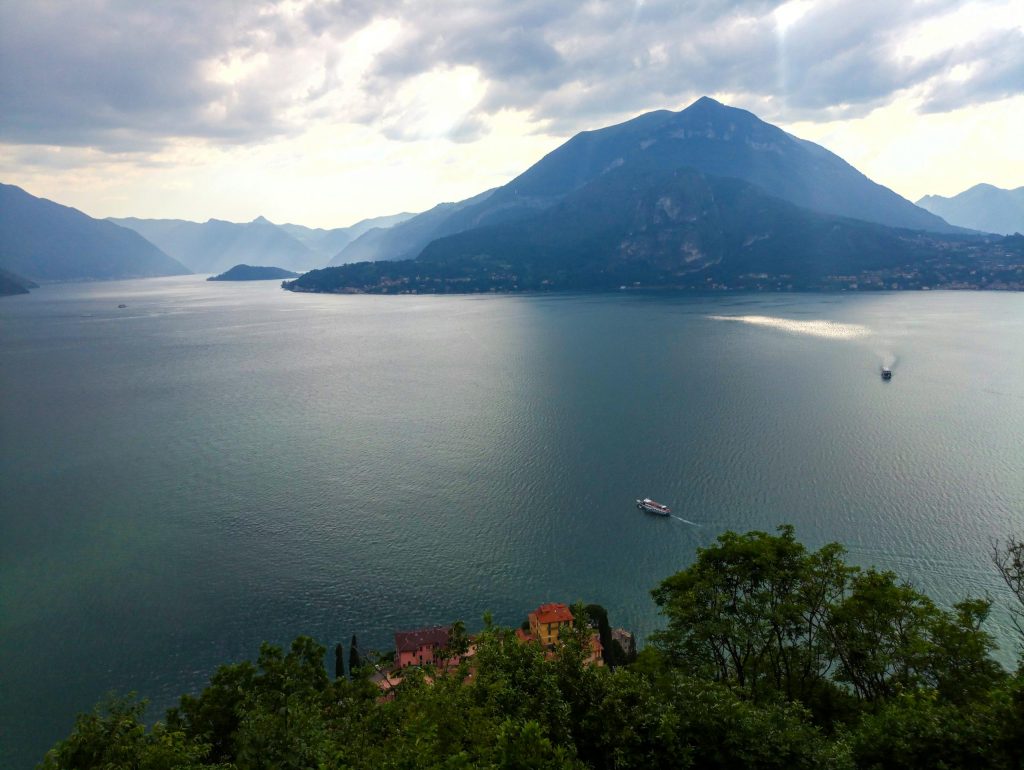
Lake Como has seen a surge in “villa inflation” as the demand for private, secure luxury accommodation outstrips supply. Real estate data shows that the rental prices for lakeside properties have doubled in some sectors, driven by high-net-worth travelers seeking privacy. For women planning a group retreat or a milestone celebration, the cost of securing a “dream” villa is now comparable to buying a small car.
Tourism studies suggest that the “George Clooney effect” has never waned, and the region has pivoted entirely to cater to the 1%. Boat tours, a staple of the Como experience, have seen hourly rates skyrocket as fuel and licensing costs are passed on to the consumer. The lake is beautiful, but accessing it from the water is now a luxury line item.
The region is characterized by dramatic alpine scenery, manicured gardens, and grand, historic estates.
A tradeoff is the congestion on the narrow lakeside roads. The infrastructure was not built for modern traffic volumes, leading to gridlock that can trap you in your expensive transfer for hours. The ferry system is efficient but crowded, often requiring standing room only during peak times.
Portofino
Portofino has taken the concept of “exclusive” to a litigious level by introducing “no loitering” zones to combat overcrowding. Local police can fine pedestrians who stop to take selfies in high-traffic areas, effectively monetizing the act of standing still. This policy is a direct response to the crush of day-trippers, but for the visitor, it creates an atmosphere of surveillance and restriction.
The drivers here are public order and crowd flow. The village is tiny, and the only way to enjoy it without fear of a fine is to pay for a seat at a cafe or restaurant. The public space has been privatized by regulation, forcing visitors to engage in commerce if they want to linger and enjoy the view.
The village is defined by its pastel harbor, superyachts, and intense concentration of wealth.
The tradeoff is the complete lack of casual exploration. You cannot simply wander and sit on a wall to watch the boats; you must be a customer. The experience is transactional, stripping away the relaxed, aimless joy that usually defines a seaside holiday.
Cinque Terre
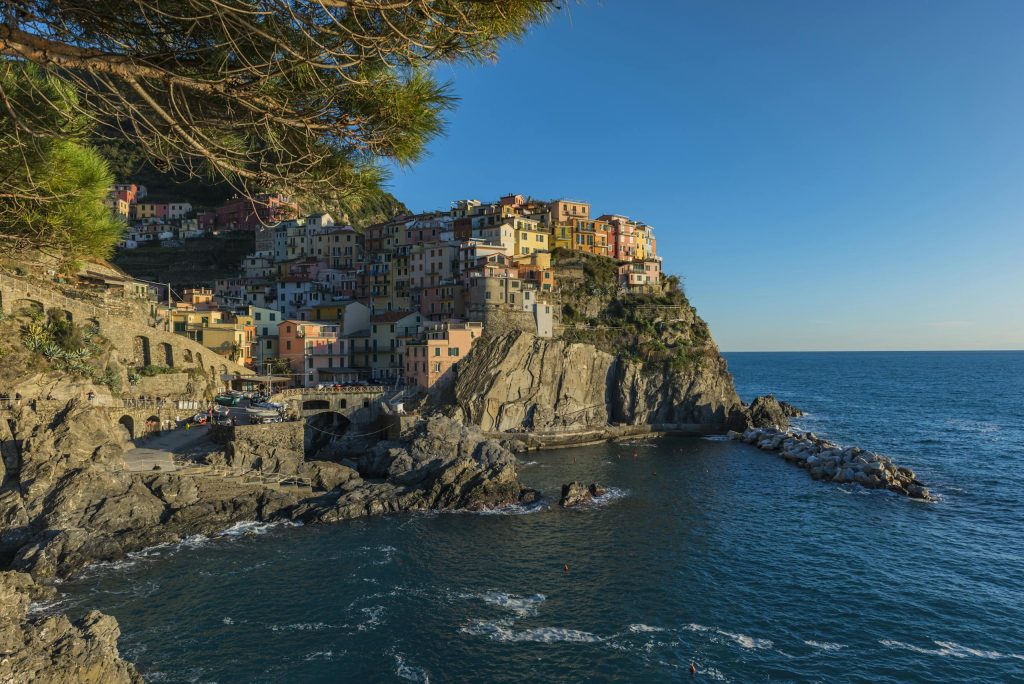
Cinque Terre has responded to the crushing weight of its popularity by significantly raising the price of the “Cinque Terre Card” required to hike the trails and use the local trains. Park authorities have implemented a tiered pricing system that charges more on high-traffic days, essentially applying surge pricing to nature. For active travelers, the cost of simply walking between villages has become a calculated expense.
Transport officials note that the train platforms in these tiny villages can become dangerously overcrowded, necessitating the price hikes to discourage volume. The “cheap and cheerful” hiking trip is a thing of the past; accessing these views now requires a ticket that rivals the cost of a museum entry in a major capital.
The area is known for its five colorful villages, terraced vineyards, and rugged coastal hiking paths.
A tradeoff is the physical reality of the crowds on narrow trails. Even with the higher price, the paths can feel like a queue, with hikers stuck behind slow-moving groups. The sense of isolation and natural beauty is often lost in the sheer volume of humanity sharing the same narrow ledge.