How Quiet US Lakes Are Being Overrun as Europe Gets Harder to Reach
Europe still sits at the top of a lot of bucket lists, but the trip now comes with more friction than many travelers expected. When the odds of hassle go up, even excited planners start looking for backups.
Those backups are often close-to-home escapes that feel simpler to book and easier to control. A lake weekend can be arranged fast, changed fast, and justified as a quick reset.
The problem is that thousands of people are making the same rational choice at the same time. The shift is subtle at first, then suddenly the quiet places stop being quiet.
What looks like a harmless travel swap can land hard on small towns and fragile shorelines. The peace that made these lakes special is exactly what gets squeezed out.
Why Europe Suddenly Feels Farther Away
A Europe trip used to feel like a clean promise: buy tickets, pick cities, go. Now it can feel like a chain of fragile steps.
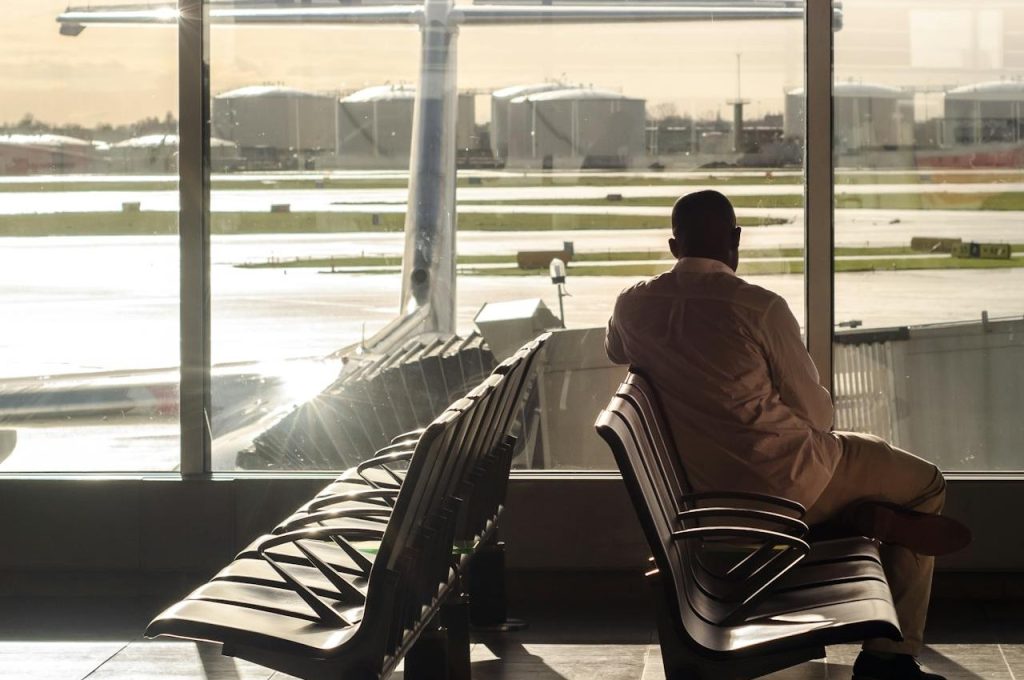
Air travel has gotten less forgiving, especially when schedules are tight and delays domino. One disruption can eat half a vacation.
Costs also hit differently when everything stacks at once. Flights, lodging, transit, and daily spending can balloon, even for travelers who planned carefully.
So people start asking a practical question. If the trip becomes stressful before it even starts, is it still worth it?
Domestic Travel Becomes the Default Plan
When travelers want a real break, they choose the option with fewer moving parts.
A drive-to lake offers that comfort.
It feels flexible in a way international travel rarely does.
It also feels familiar, which lowers the mental load.
But this switch is not happening one family at a time. It is happening in waves, and waves have momentum.
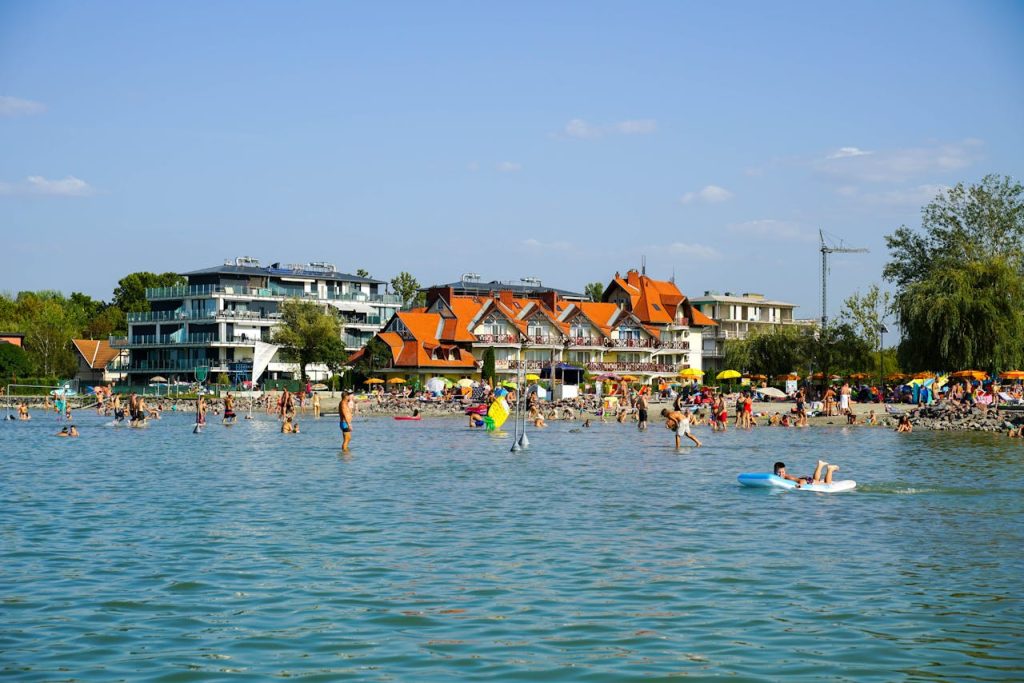
The same towns get recommended over and over, so demand concentrates fast. A handful of scenic lakes start absorbing a national overflow.
That concentration changes the rhythm of a season. Instead of a few peak weekends, the crowd stretches across weekdays too.
People stay longer because remote work makes it possible. A trip turns into a half-week, then a month, and the baseline never drops back down.
Lake Towns Built for Weekends, Not Waves
Most lake communities were designed around predictable peaks. They planned for holiday bursts, not constant pressure.
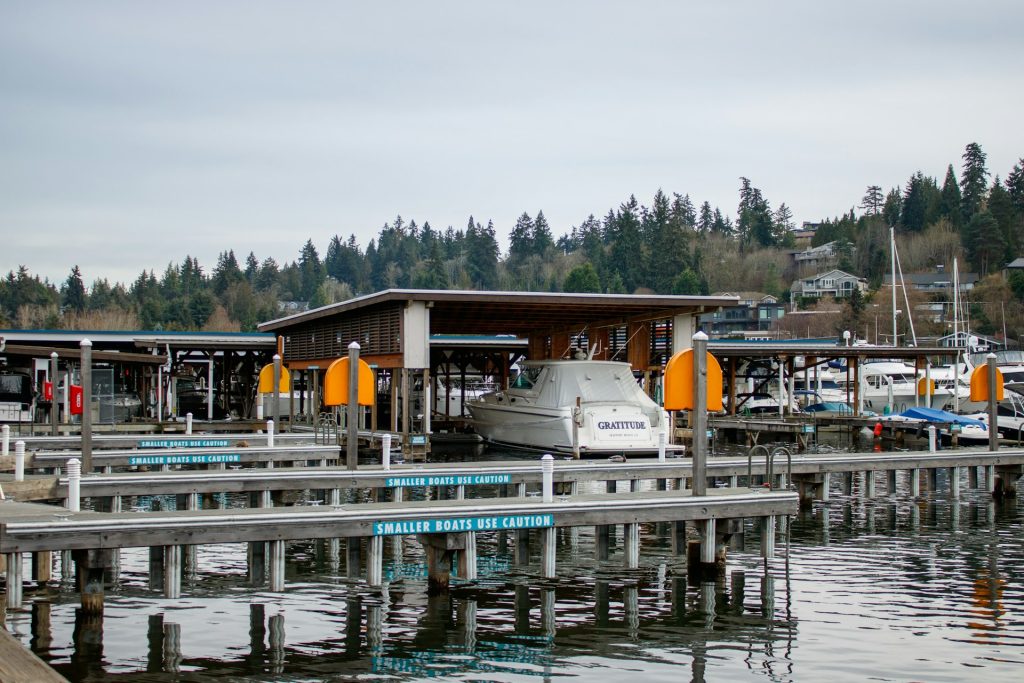
When the crowd becomes steady, the first strain shows up in boring places. Parking fills early, boat ramps back up, and emergency access gets harder.
Businesses may love the sales, but staff still need places to live. When housing tightens, even a strong season can feel unstable.
Public spaces take the hit next. Beaches, trails, and docks that once felt open start feeling claimed.
Rules also get tested. Small town enforcement was never built to referee big city behavior every weekend.
Over time, locals change their routines to avoid the rush. That avoidance is a signal that the place is past its comfort limit.
Boat Traffic Turns Calm Water Into a Highway
A quiet lake can handle recreation. It struggles when the water turns into a constant loop of engines and wakes.
More boats mean more launches, more congestion, and more novice mistakes. That raises tension at ramps and raises risk on the water.
Wakes do not just rock a kayak, they reshape shorelines over time. In narrow coves, repeated pounding can chew up banks and disturb shallow habitat.
Noise is part of it, but speed is the bigger multiplier. Fast boats compress the space for swimmers, paddlers, and fishing families.
The result is a lake that feels less like nature and more like traffic. People come for calm, then add the very chaos they hoped to escape.
The Hidden Costs: Water Quality, Invasives, and Noise
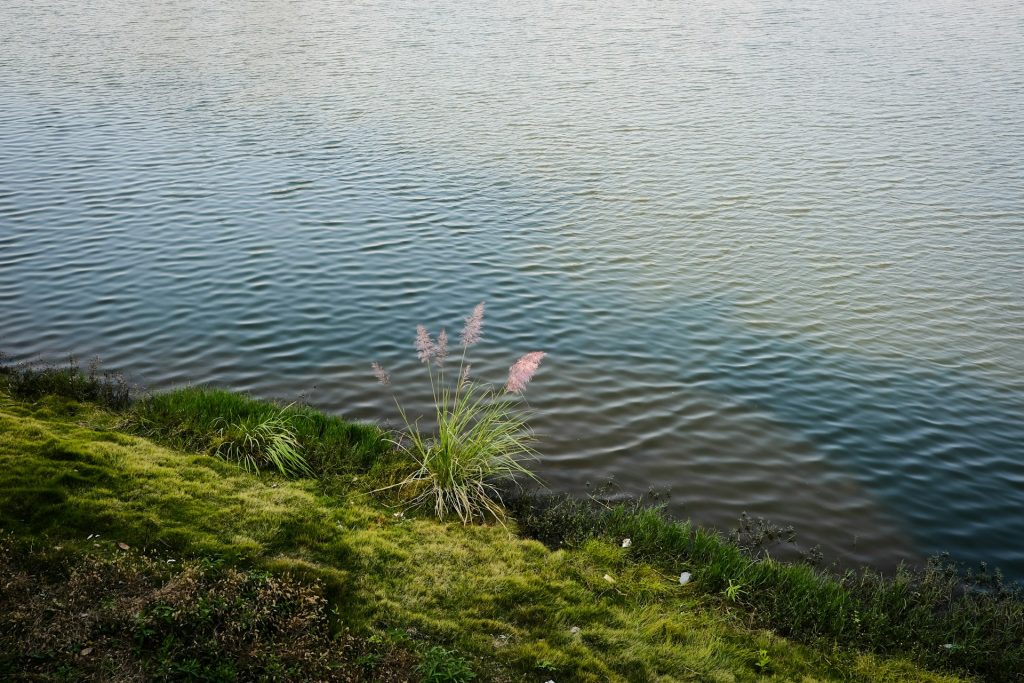
The biggest damage is often invisible at first. Water can look fine right up until it does not.
Heavy use strains restrooms and septic systems, especially near shore. That can push nutrients into the lake and increase the odds of algae trouble.
Invasive species are another slow-motion problem. A single careless transfer can spread plants or mussels that are expensive to control.
Trash and micro-litter follow crowds, even when most visitors try to be respectful. Wind and waves move that mess into reeds, rocks, and coves.
Noise also changes wildlife behavior. Birds and mammals that once felt safe near the water edge start shifting away, and the lake loses some of its wild feel.
Housing Pressure From Short-Term Rentals
The rental boom did not create the crowd, but it amplifies it. More beds nearby means more people can arrive at once.
When homes flip into short-term rentals, long-term supply shrinks. That pushes prices up and forces locals to compete with vacation budgets.
Seasonal workers get squeezed hardest. If staff cannot find housing, restaurants and marinas struggle to operate even during busy weeks.
The community also changes shape. Fewer year-round neighbors can mean weaker volunteer networks, weaker school enrollment, and thinner civic life.
This is why the issue feels personal. It is not just tourism, it is the reshaping of who can stay.
The Social Shift: When Locals Stop Feeling Welcome
Overcrowding creates a social temperature problem. Small annoyances stack until people stop giving each other grace.
Visitors feel judged for showing up, even when they are trying to be polite. Locals feel ignored in their own routines, even when they are being patient.
Public spaces become the battleground. A beach day turns into a contest over parking spots, music volume, and basic courtesy.
When that happens, everyone loses. The lake becomes less relaxing for visitors and less livable for residents.
What a Balanced Lake Season Can Look Like
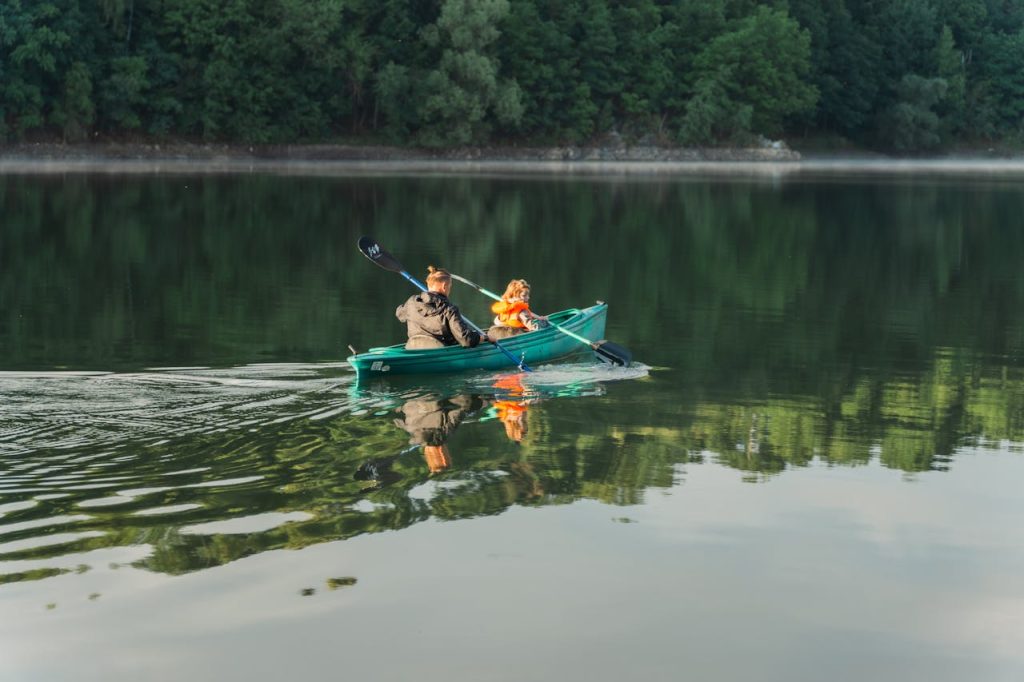
The best fixes are practical and predictable. They make the rules clear before the conflict starts.
Timed parking, shuttle lots, and managed access points can reduce chaos without killing demand. It is about smoothing peaks, not banning fun.
On the water, speed management matters. No-wake zones in tight areas, smarter ramp operations, and consistent checks can protect both safety and shoreline.
Most of all, towns need to plan for capacity honestly. If a place can support a certain number of people, the systems should match that reality.
Europe feels harder to pull off, so lake towns absorb the overflow, and the peace disappears quickly unless capacity rules change.