How Slower Travel Transforms Not Just Your Bags but Your Style
My strategy for packing and planning used to revolve around a frantic sprint through a high-demand coastal market. I would stuff a massive suitcase with rigid formal resort wear, assuming that a glamorous wardrobe was essential for an expensive beach vacation.
However, reviewing the financial and environmental realities of 2025 and 2026 shattered that approach entirely. Surging flight costs, extreme weather disruption risks, and crushing housing-driven lodging pressure have made the old coastal default exhausting and financially unviable.
The new priority centers on slowing down and settling into functional urban environments for weeks or months at a time. This slower pace profoundly alters daily routines and fundamentally changes how a travel wardrobe functions.
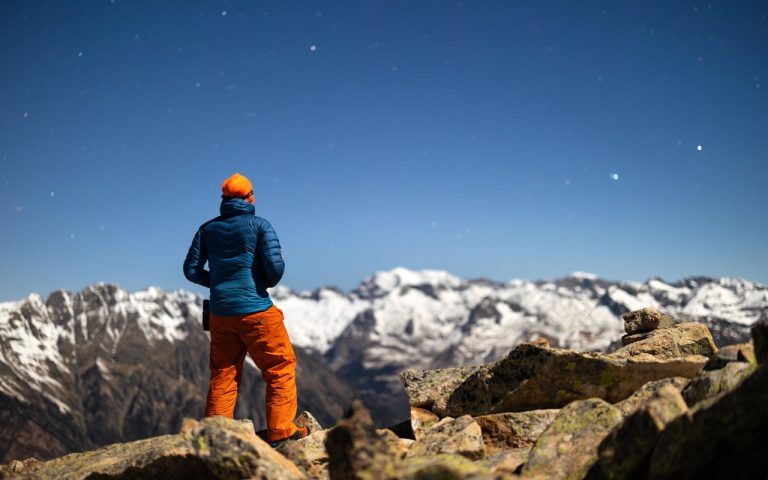
Fast fashion and uncomfortable shoes are quickly discarded in favor of versatile, durable layers suited for walking and unpredictable weather. I realized that dressing for actual exploration provides far more comfort and utility than packing for a static resort photo opportunity.
Kyoto, Japan
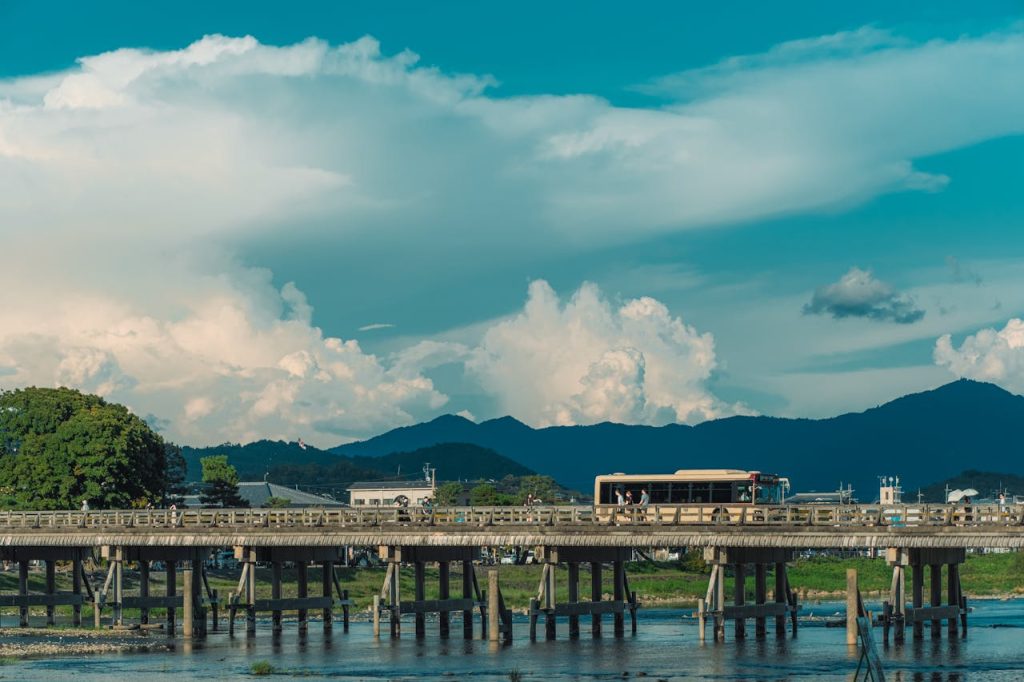
Kyoto offers a methodical, culturally rich environment that entirely replaces the flashy, high-maintenance coastal resort default. Cultural historians and urban planners note that the city requires extensive walking and adherence to modest temple dress codes, driving a shift toward functional, respectful layers.
Economic researchers report that favorable currency effects allow travelers to invest in high-quality local textiles, aiding long-term budgeting while adapting to the local aesthetic. That is the shift from performative fashion to contextual style.
The city features serene bamboo groves, meticulously preserved wooden architecture, and a quiet, deliberate pace.
The primary tradeoff involves intense seasonal climate stress and language barriers. Meteorological records show that summer humidity is oppressive, requiring highly specific breathable fabrics, while winter requires heavy insulation. Health system navigation also demands translation assistance for foreign visitors.
Buenos Aires, Argentina
Buenos Aires serves as a sprawling, cosmopolitan base that completely discards the need for the disposable beachwear associated with the old coastal default.
Economic researchers explain that complex currency effects heavily influence long-term budgeting, encouraging extended stays where travelers integrate into the local urban rhythm.
Travel logisticians and fashion historians observe that the pedestrian-heavy layout of the city demands durable leather footwear and versatile transitional layers for shifting daily temperatures. That is why the math changes for the slow traveler.
The capital is defined by wide European-style avenues, a vibrant cafe culture, and a late-night dining scene.
A significant tradeoff is the severe inflation exposure and security logistics. Economic analysts warn that pricing fluctuates rapidly, complicating monthly budgets. Furthermore, street safety requires constant vigilance, dictating a wardrobe that blends in rather than draws attention with flashy accessories.
Lisbon, Portugal
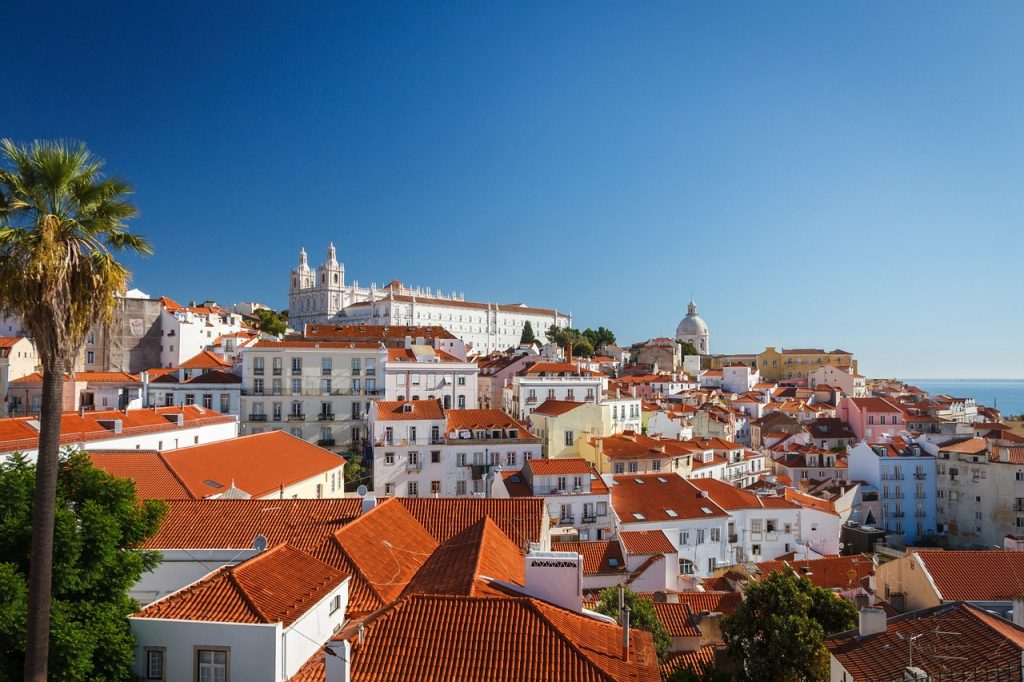
Lisbon provides a sun-drenched, historic topography that immediately forces an abandonment of the impractical footwear worn in a standard luxury resort.
Tourism studies suggest that the famous steep hills and slick mosaic pavements of the city dictate an immediate shift toward high-traction, sensible shoes. Urban economists note that moving away from the highest-priced coastal enclaves relieves housing-driven lodging pressure, allowing visitors to afford longer stays in residential neighborhoods.
Adapting to this environment means prioritizing breathable, durable pieces that withstand daily active transit. That tradeoff matters when comfort becomes the ultimate priority.
This destination offers sweeping river views, pastel facades, and a highly walkable historic core.
A major tradeoff involves escalating regional price variations and administrative friction. Relocation experts note that securing long-term housing involves complex administrative hurdles.
The intense summer heat also creates significant climate stress, limiting midday outdoor activity and forcing a strict adherence to local resting rhythms.
Montreal, Canada
Montreal demands a highly pragmatic approach to daily dressing, offering a vibrant cultural landscape that replaces the stagnant routine of a warm-weather expat hub. Climate adaptation researchers emphasize that extreme temperature swings necessitate a wardrobe built entirely around modular, insulated layers.
Economic analysts report that the robust public transit system provides high infrastructure reliability that shields residents from the worst weather. Staying here long-term means investing in serious outerwear, fundamentally shifting personal style toward utilitarian resilience.
The city is known for its bilingual heritage, vibrant festival culture, and distinct four-season living.
The tradeoff is the grueling winter climate stress and regional price variations. Meteorological data confirms that months of heavy snow and freezing temperatures can cause significant isolation.
Financial planners also warn that high local costs for imported winter gear impact the overall cost of living, requiring meticulous long-term budgeting.
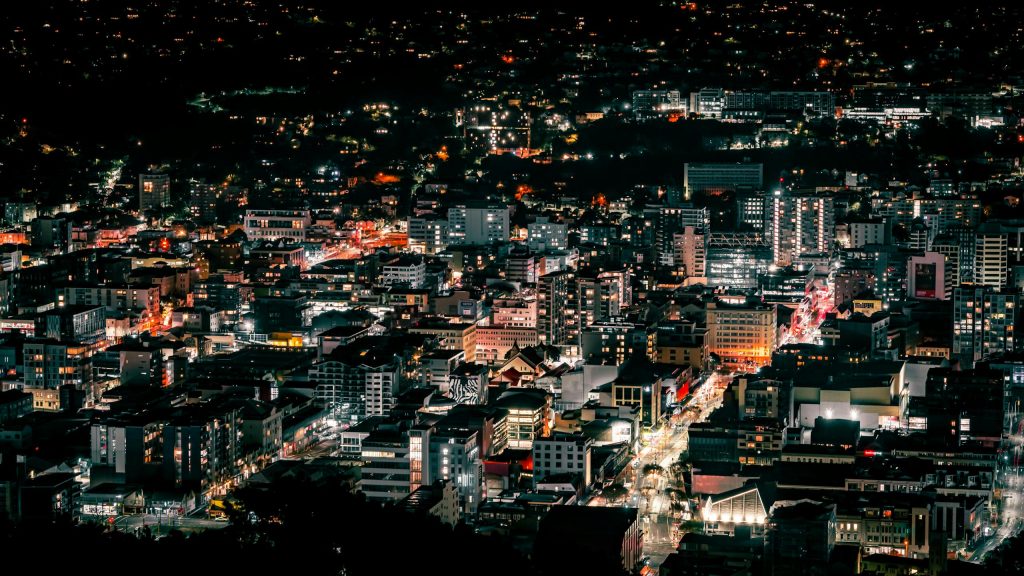
Wellington, New Zealand
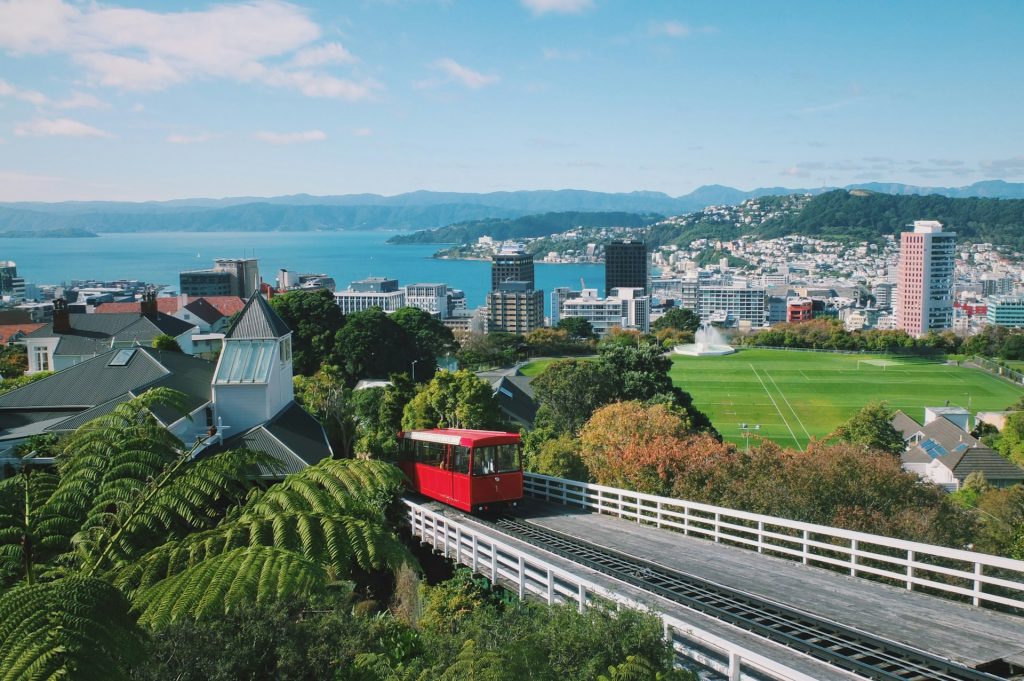
Wellington operates as a compact, wind-swept capital that perfectly counters the manicured, predictable aesthetic of a high-demand luxury beach destination. Environmental scientists and local planners note that legendary gale-force winds render umbrellas useless, forcing a permanent shift toward high-performance, windproof outerwear.
Tourism researchers point out that the strong outdoor culture encourages a seamless transition from mountain hiking to urban dining, prioritizing technical fabrics over formal attire. This functional approach completely eliminates the packing anxiety associated with the old default vacation.
This capital features a rugged harbor, dense green hills, and a fiercely independent artistic community.
A critical tradeoff involves immense geographic isolation and high disruption risk from seismic activity. Travel logisticians emphasize that reaching the country requires expensive, long-haul flights.
The region is also prone to earthquakes, requiring residents to maintain emergency kits and high situational awareness at all times.