How Stepping Away From Work Changes the Way People Explore New Places

Stepping away from work does more than clear a schedule. It changes how people look at a place, how they move through it, and what they carry home afterward.
Most trips start with a plan, but many still feel rushed because work habits come along for the ride. People keep measuring the day, checking the clock, and trying to optimize every hour.
The shift happens when that work rhythm finally loosens. A walk stops being a route, a meal stops being a break, and a neighborhood starts to feel like a real place instead of a backdrop.
That is when travel becomes more than a list of stops. It becomes a way of noticing again, and that changes the whole experience.
The Pace Stops Feeling Like A Competition
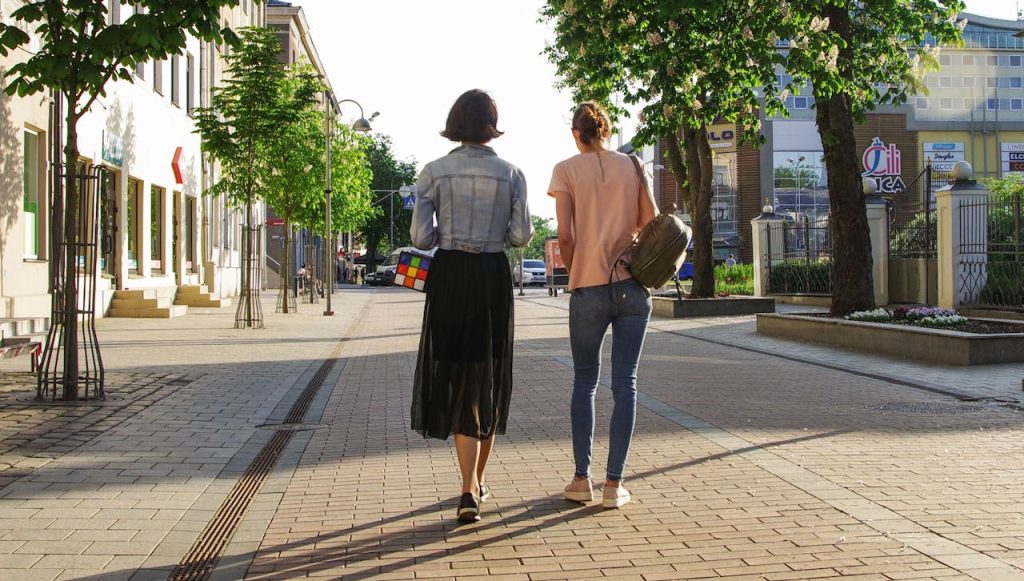
When people are still in work mode, they often travel like they are trying to complete an assignment. They stack activities, track time, and worry about getting enough done. Even fun starts to feel like a deadline.
Stepping away from work creates breathing room in the day. People stop treating every hour like it has to prove something. That alone changes the mood of a trip.
A slower pace does not mean doing less in a disappointing way. It usually means doing fewer things with more attention and more enjoyment. The day feels fuller because the mind is actually present.
This shift is easy to miss while it is happening, but it is obvious in hindsight. The best moments often come from the parts of the day that were not tightly planned. Slowing down makes space for those moments to happen.
People Start Noticing The Small Things Again
The first thing that changes is attention. Without work thoughts running in the background, the mind has room to notice.
Street sounds become clearer and more layered. A cafe door opening, dishes clinking, and a nearby conversation start to register.
People also notice visual details they would normally rush past. Painted signs, old balconies, window plants, and market tables suddenly feel interesting.
Even waiting changes when the day is not packed. A line or a delayed train can become part of the experience.
This is where a place starts feeling real instead of generic. It is not just the landmarks anymore. It is the texture between them that makes the trip memorable.
Smells become part of the memory too. Fresh bread in the morning, rain on hot pavement, or spice from a street stall can anchor a whole day. Those details stay longer than most photos.
When people are less distracted, they take better photos without trying so hard. They frame moments with feeling instead of snapping everything in sight. The pictures end up meaning more.
That deeper attention is often the difference between visiting and connecting. People come home remembering how a place felt, not just what it looked like. That is a much richer kind of travel memory.
Itineraries Get Looser In A Good Way
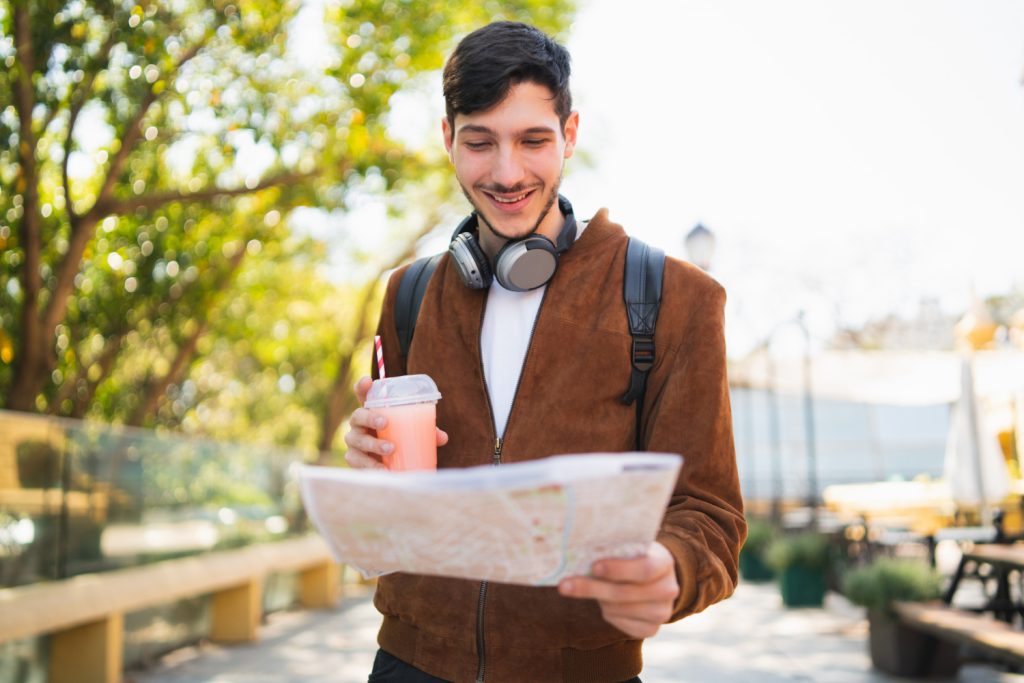
Work trains people to control outcomes, so many trips begin with very tight schedules. There is a plan for every hour, every meal, and every stop. It feels efficient, but it can also feel exhausting.
Once people truly unplug, they start leaving room in the day. They stay longer in a neighborhood they like and skip places that do not feel worth it. That flexibility makes the trip feel more human.
A looser itinerary also helps travel companions get along better. There is less pressure to hit every item, so small changes do not turn into arguments. The day becomes easier to share.
Even solo travelers benefit from this shift. They stop performing productivity for themselves and start following curiosity instead. That is usually when the trip gets interesting.
Spending Changes From Speed To Comfort
When work is still driving decisions, people often spend money to save time. They pay for faster routes, quick meals, and convenience without thinking twice.
After stepping away from work, the spending logic starts to shift. People become more willing to pay for comfort, atmosphere, and time to enjoy something.
That might mean choosing one long dinner instead of three rushed stops. It might mean paying for a quiet room or a better seat instead of a packed schedule.
The question changes from what is fastest to what feels worth it. That is a healthier way to spend on travel.
This does not always mean the trip gets more expensive. In many cases, people spend less because they stop chasing everything. They make fewer rushed purchases and fewer stress decisions.
Comfort also becomes easier to define when the mind is calm. It might be a slower train, a small local hotel, or a shaded bench near the water. Simple choices start to feel more valuable.
People often remember these comfort-based choices more fondly than expensive attractions. A peaceful breakfast or an unhurried evening walk can become the highlight of the trip. Those moments feel personal, not purchased.
Work mode pushes people toward efficiency, but travel gets better when efficiency stops being the main goal. Spending with intention changes the tone of the entire day. It makes the trip feel lived, not managed.
Conversations Happen More Naturally

When people are mentally tied to work, they tend to interact in a transactional way. They ask for directions, order food, and move on. The exchange stays practical and brief.
A real break changes that tone almost immediately. People ask one more question, listen longer, and leave room for the answer. That is where better conversations begin.
Local interactions often shape the emotional center of a trip. A shopkeeper explains a family recipe, a driver shares neighborhood history, or a hotel host gives honest advice. Those moments add depth that no itinerary can provide.
People also come across as warmer when they are not distracted. Curiosity sounds different when it is real, and others can hear that. Good travel conversations usually start there.
Curiosity Replaces The Need To Perform
A lot of modern travel is shaped by quiet performance. People feel pressure to see the right places and return with the right photos.
That pressure fades when work stress finally drops. The trip starts feeling less like a report and more like a real experience.
People begin choosing what genuinely interests them. They spend time in bookstores, side streets, parks, or local markets without worrying how it looks.
They also stop forcing themselves through places they do not enjoy. Leaving early becomes a normal choice instead of a guilty one.
Curiosity creates a different rhythm than performance. It allows people to revisit the same street, sit longer at a cafe, or watch a neighborhood wake up. Repetition starts to feel rewarding instead of wasteful.
This is also when personal taste becomes clearer. People notice what kinds of places calm them, energize them, or hold their attention. Travel becomes a mirror, not just an escape.
The best part is that curiosity usually leads to better stories. Unplanned turns and quiet stops often become the moments people talk about later. The trip feels more alive because it was less controlled.
Work mode asks what should be done next, but curiosity asks what feels worth exploring. That one change makes travel lighter and more personal. It gives people permission to enjoy the trip on their own terms.
Rest Changes What People Remember

Tired people remember travel in fragments. They remember lines, bookings, and the rush between places. The details blur because the mind was overloaded.
Rest changes the way memory works during a trip. People notice more, and that gives the brain more to hold onto later. The result is a memory that feels fuller.
Instead of just remembering what they saw, people remember how the day felt. They remember the air at night, the mood of a street, and the pace of the morning. That emotional layer makes the memory stick.
This is why short trips can feel surprisingly rich after real rest. The days are not longer, but they feel longer because people were actually there for them. Presence changes memory more than distance does.
People Come Home With Better Perspective
The return home often reveals the biggest change. A good break does not just refresh people, it shows them what has been draining them.
Many travelers come back with sharper awareness of their habits. They notice how quickly stress takes over and how little it takes to feel grounded again.
Small routines from the trip often follow them home. A slower morning, a walk after dinner, or time without constant checking can start to feel necessary.
Travel then becomes more than a temporary escape. It becomes a reminder of what life feels like without constant pressure.
This perspective shift is one reason stepping away from work matters so much. People do not just discover new places, they rediscover their own attention. That can change how they live long after the trip ends.
It also changes what they look for in future travel. They may choose fewer stops, longer stays, and more room to wander. The goal becomes depth, not volume.
The best trips often leave people calmer, not just entertained. They return with better stories, but they also return with better instincts. They know what actually helped them feel present.
That is the real value of stepping away from work before exploring somewhere new. It changes the pace, the choices, and the memories people build. It can even change what they want their normal life to feel like.