How the World Being at War Is Changing the Way We Travel
My original travel plan for 2025 centered on a popular Eastern Mediterranean coastal market. I envisioned booking a vibrant seaside villa and enjoying a predictable, high-demand tourist circuit.
As I mapped out the logistics for 2026, the harsh reality of global instability completely dismantled that strategy.
Expanding conflict zones, unpredictable airspace closures, and skyrocketing travel insurance premiums made the old default feel incredibly exposed. The new priority involves seeking geographic isolation and political stability over convenience and status.
Travelers are actively shifting their focus toward remote, secure environments where disruption risks are mathematically lower. I realized that a truly restorative journey now requires prioritizing safety and logistical predictability above all else. That is the shift.
Azores, Portugal
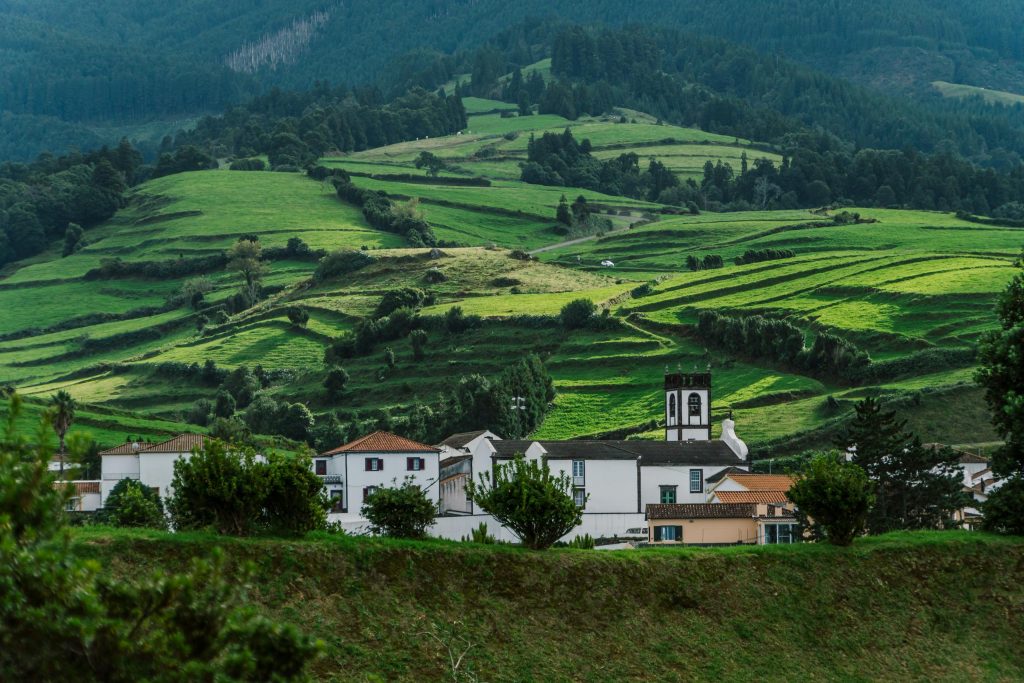
The Azores provide a remote Atlantic sanctuary, easily replacing the volatile and crowded Eastern Mediterranean coastal default.
Conflict researchers explain that extreme geographic isolation drastically lowers the disruption risk from mainland European instability. Economic analysts note that favorable currency effects keep long-term budgeting manageable, while stable residency rules attract those seeking a secure base far from contested borders.
This archipelago is characterized by volcanic craters, thermal hot springs, and a resilient maritime culture.
A significant tradeoff involves infrastructure reliability during severe winter storms. Meteorologists warn that North Atlantic weather can halt inter-island flights for days, creating logistical friction for travelers unaccustomed to geographic isolation.
Montevideo, Uruguay
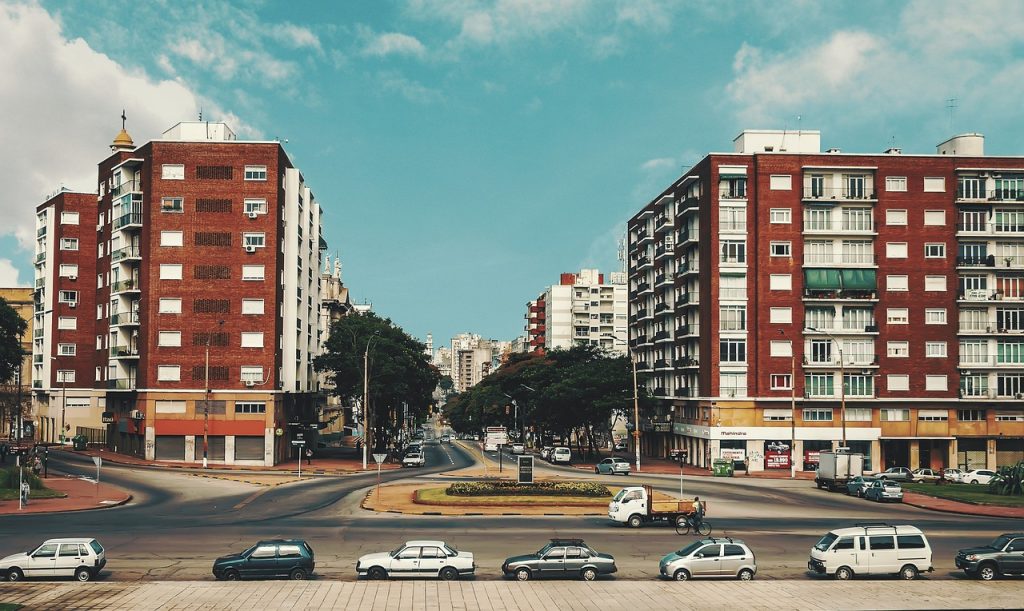
Montevideo serves as a stable, highly livable capital that appeals to travelers fleeing the escalating geopolitical tension of traditional European hubs.
Risk analysts frequently cite the country as a beacon of political stability, drastically lowering the disruption risk for long-term visitors. Real estate researchers report that the housing market remains accessible, avoiding the extreme housing-driven lodging pressure that plagues the old Mediterranean default.
The robust public health infrastructure provides a frictionless environment for remote workers seeking peace over chaotic transit corridors.
The destination is defined by an expansive riverside promenade, a relaxed cafe culture, and a distinct lack of urban urgency.
A notable tradeoff is the high cost of consumer goods and dining. Financial planners warn that inflation exposure and heavy import taxes make everyday purchases surprisingly expensive, requiring a larger daily budget than neighboring countries typically demand.
Viti Levu, Fiji
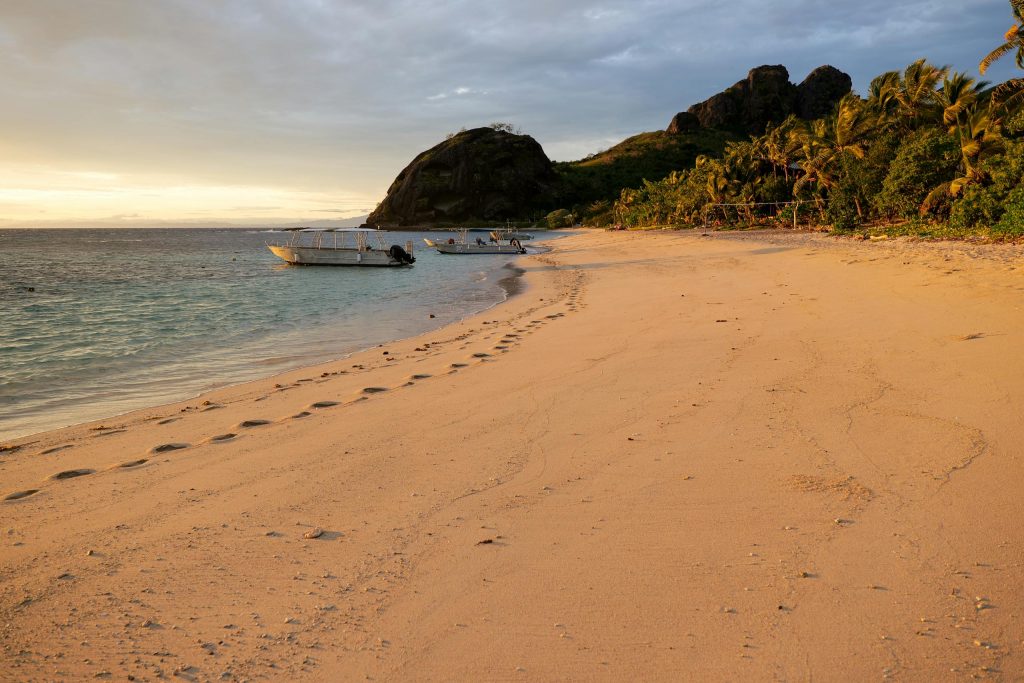
Viti Levu offers a secure, remote tropical environment that perfectly counters the unpredictable airspace closures and security anxieties of the old high-demand coastal default.
Aviation security experts note that South Pacific flight corridors remain largely unaffected by Eurasian conflicts, ensuring high infrastructure reliability and predictable travel logistics.
Economic researchers point out that the strong hospitality sector provides excellent private health access for visitors, heavily reducing the disruption risk of traveling to a remote island nation. That tradeoff matters when seeking absolute peace of mind.
This destination features lush mountainous interiors, expansive coral reefs, and a deeply welcoming village culture.
The primary tradeoff is the immense geographic distance and the threat of tropical cyclones. Climate researchers warn that the summer wet season brings severe storms that can disrupt power and transit, demanding flexible itineraries and comprehensive travel insurance.
Windhoek, Namibia
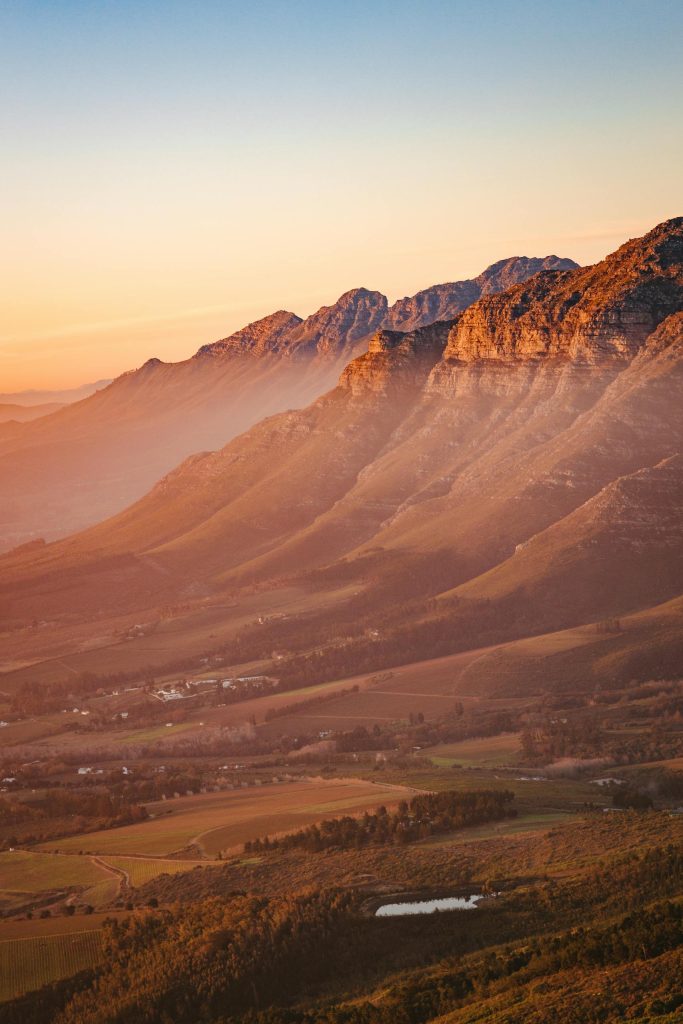
Windhoek functions as an incredibly stable, wide-open entry point for travelers abandoning the crowded, tension-filled transit hubs of the Northern Hemisphere.
Tourism studies suggest that the vast geographic space and low population density offer a profound sense of safety and isolation. Economic researchers highlight that favorable currency effects make extended overland expeditions highly affordable compared to the inflated pricing of an unstable European coastal market.
The well-maintained national road network ensures infrastructure reliability for independent drivers seeking distance from global friction.
The capital city offers stark desert horizons, distinct German colonial architecture, and a quiet, slow-paced urban rhythm.
A major tradeoff involves the vast distances between regional health access points. Travel logisticians warn that navigating the sparse landscape requires specialized emergency planning and a robust vehicle, as mechanical failures in the desert present immediate and severe challenges.
South Island, New Zealand
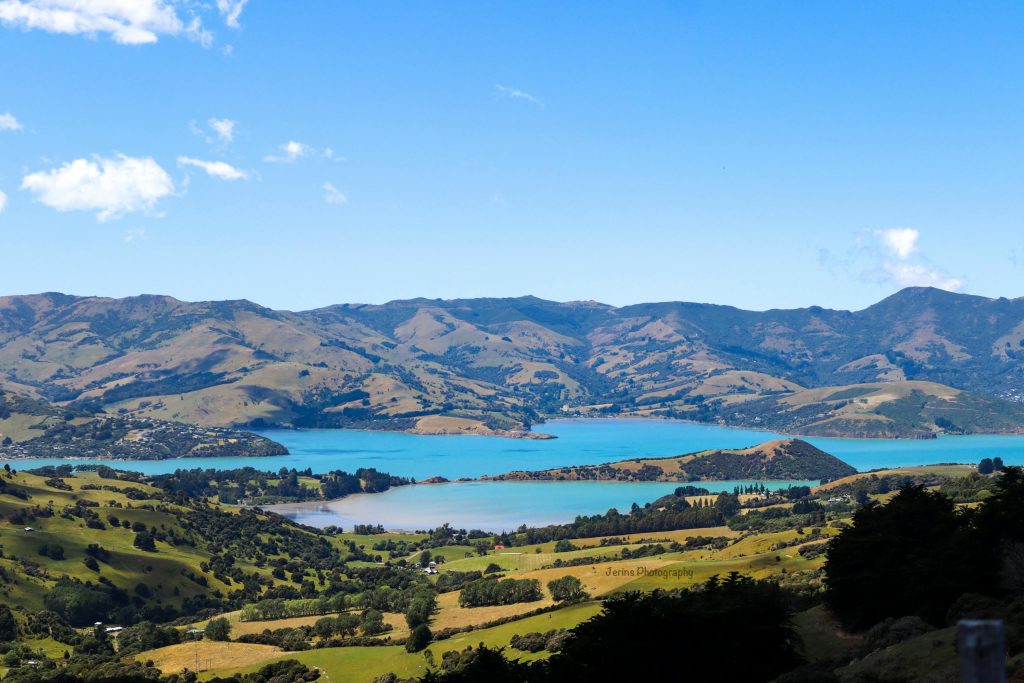
The South Island presents a pristine, heavily protected environment that serves as the ultimate departure from the congested, high-risk Eastern Mediterranean resort default.
Geopolitical risk analysts explain that the extreme geographic isolation of the country acts as a natural buffer against international instability.
Economic researchers note that while the area is upscale, strict zoning laws prevent the severe housing-driven lodging pressure that ruins the old default hubs. The robust local economy prevents the severe inflation exposure currently ravaging other international tourist capitals. That is why the math changes for the security-focused traveler.
The region is known for its glacial lakes, dramatic fjords, and a pervasive outdoors-focused community lifestyle.
A significant tradeoff involves the immense distance from family and health system navigation in remote alpine areas. Travel logisticians point out that the sheer isolation of the island means a major time zone difference and expensive flights to return home during emergencies.