How Women Are Rethinking What Adventure Really Means Today

I used to think the ultimate escape meant fighting for a spot on a crowded Mediterranean beach or navigating the relentless peak season of a famous European capital.
The original default plan for many involved booking the most popular coastal hubs and hoping the premium prices equated to a high quality of life.
But navigating 2025 and looking toward 2026 reveals a different reality. Skyrocketing lodging pressure, rising disruption risks, and intense crowds are forcing a major pivot. That is why the math changes.
Women travelers are increasingly seeking alternatives that offer safety, affordability, and genuine immersion without the overwhelming friction of traditional tourist traps.
Oaxaca City, Mexico

Experts say Oaxaca City serves as a vibrant cultural center that draws travelers away from the high-cost and high-stress coastal resorts that once defined regional getaways. The shift away from default beach markets reflects a desire for deeper cultural engagement over simple resort lounging. Tourism studies suggest visitors now prioritize heritage and culinary arts over crowded shorelines.
Economic researchers report that favorable currency effects and manageable daily costs make inland cultural hubs highly appealing. Housing-driven lodging pressure remains lower here compared to major coastal capitals, while infrastructure reliability continues improving for long-term visitors.
The small-city pace and strong transit culture provide an accessible rhythm for daily exploration. Heritage preservation efforts ensure the central districts maintain authentic character without becoming overly commercialized.
Tradeoffs exist for those planning extended stays. Risk analysts warn that inflation exposure can fluctuate, and navigating the local health system may require advanced planning for those accustomed to private health access in major expat hubs.
Tbilisi, Georgia
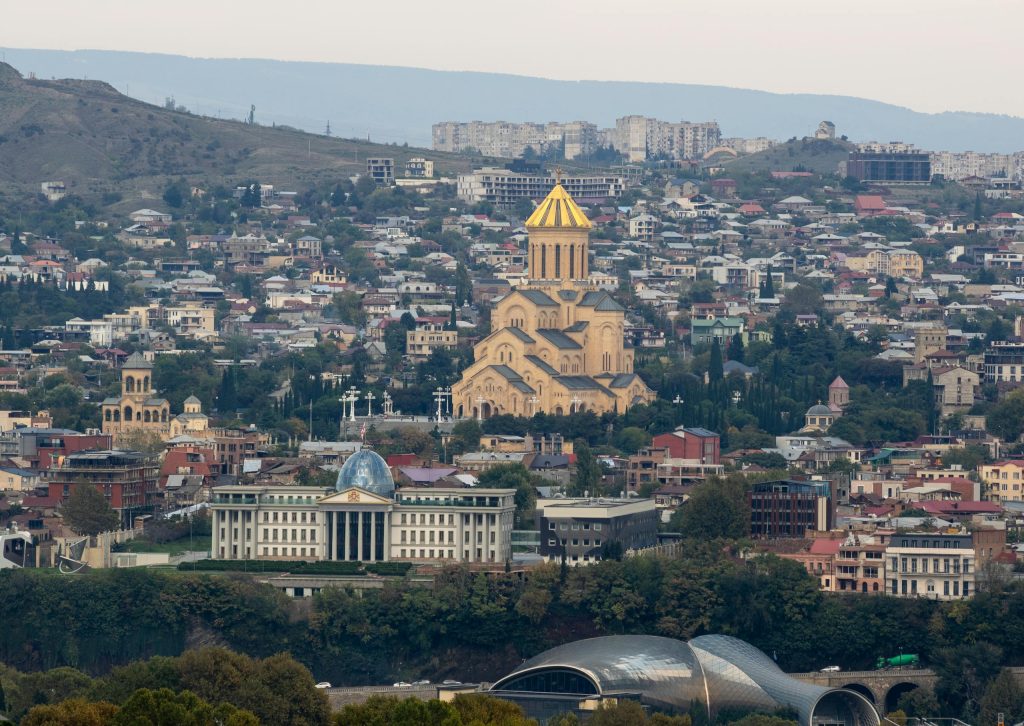
Heritage institutions note Tbilisi offers an architectural and historical depth that easily replaces the increasingly inaccessible Western European capitals. The old default choice of retreating to standard low-tax Mediterranean havens often brings overwhelming crowds and strained resources.
Choosing the Caucasus region introduces an alternative that balances affordability with profound historical significance.
Conflict researchers explain that while the broader region requires nuanced understanding, the city itself provides significant long-term budgeting advantages. Favorable residency rules and manageable insurance requirements attract those looking for extended stays.
Walkability and four-season living define the urban experience along the river valley. The integration of modern coworking spaces within historic neighborhoods supports a highly productive daily routine.
Certain challenges require careful consideration. That tradeoff matters. Experts flag language barriers and the complex nuances of local tax residency as primary hurdles.
Crossing the standard threshold for extended stays automatically triggers local tax obligations that require meticulous legal navigation, and regional price variation means prime central neighborhoods demand higher budgets than peripheral districts.
Cuenca, Ecuador
Museum professionals note Cuenca delivers a stunning concentration of colonial architecture that rivals any saturated European heritage center. The traditional expat hubs across the continent have become prohibitively expensive and culturally diluted.
Moving toward the Andean highlands allows for an immersive experience backed by strong local traditions and community integration.
Economic analysts point to very favorable private health access and low lodging pressure as primary drivers for the shift. The currency stability offered by a dollarized economy simplifies long-term budgeting and reduces disruption risk.
Mountain towns with a small-city pace offer an ideal setting for those seeking a sustainable daily routine. The historic center maintains strict preservation rules that protect the visual identity of the entire valley.
Adaptation requires acknowledging real geographical constraints. High altitude presents initial health system navigation concerns for newcomers adjusting to the elevation. Political stability concerns in the broader region occasionally impact local infrastructure reliability and require flexible planning.
Fukuoka, Japan
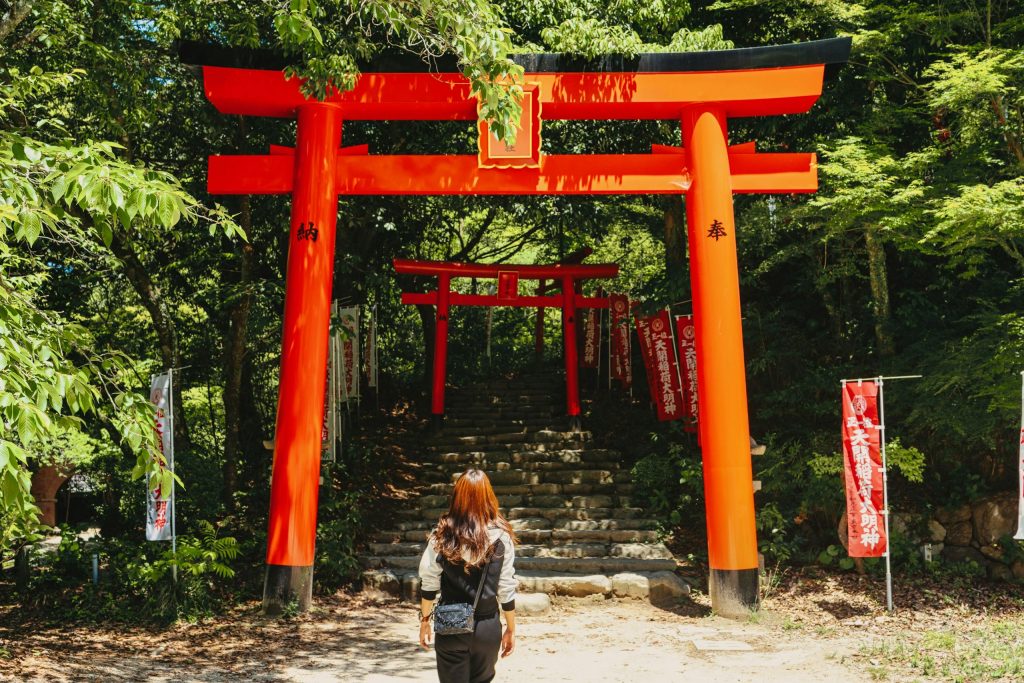
Tourism researchers highlight Fukuoka as a premier gateway city that bypasses the extreme crowding found in traditional megacities. The standard expectation of navigating overflowing historic districts in primary urban centers often leads to burnout and high disruption risk.
This southern harbor city provides the culinary and cultural weight of a massive metropolis without the exhaustive friction.
According to logistics analysts, the area benefits from exceptional infrastructure reliability and straightforward entry rules for short-term visitors. Costs remain significantly lower than standard global finance hubs, offering travelers better long-term budgeting stability.
Major metro amenities blend seamlessly with coastal access and a highly efficient transit culture. Extensive underground pedestrian networks and dedicated cycling lanes create an exceptionally navigable urban core.
Travelers must still account for specific regional downsides. Climate stress during peak summer months brings intense humidity and weather disruptions that experts consistently warn about. Distance from family and extended flight times also factor heavily into global travel planning.