If You’re Flying Into Dallas for FIFA 2026 Here’s What Locals Want You to Know Before You Land
Dallas will be a major arrival point when FIFA World Cup 2026 comes to North America. Local officials, airport leaders, and residents are already signaling the same thing to incoming fans: landing in Dallas is only the first step.
The Dallas-Fort Worth area has two major commercial airports, a vast freeway network, and host-city operations spread across one of the largest metro regions in the country. For travelers coming in for matches, fan events, and connecting flights, knowing how the region works before wheels touch down could save hours.
Dallas has two major airports, and they are not close to each other
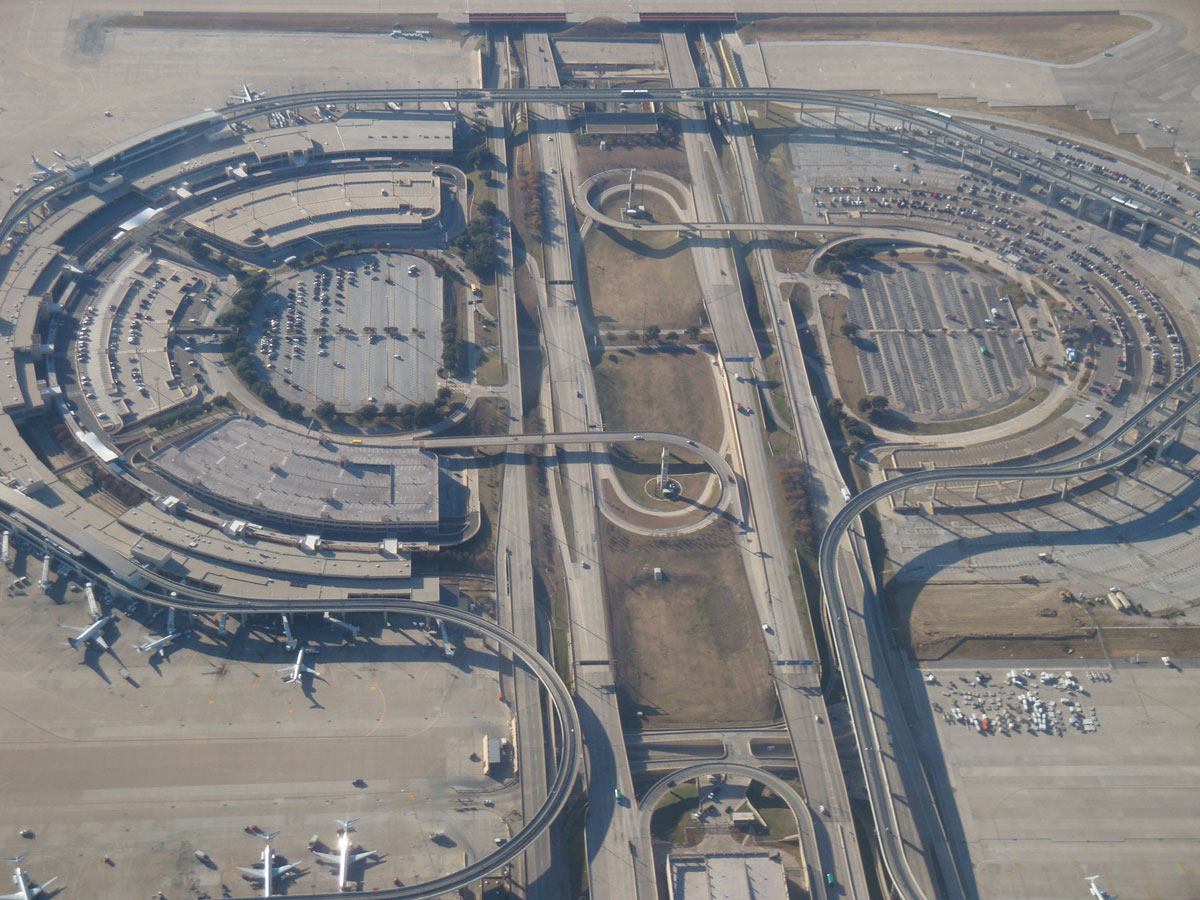
The first thing locals want visitors to understand is that “Dallas” air travel usually means a choice between Dallas Fort Worth International Airport and Dallas Love Field. DFW is the larger of the two by a wide margin. It sits between Dallas and Fort Worth and handled more than 81 million passengers in 2024, according to airport figures, making it one of the busiest airports in the world.
Love Field is smaller, closer to central Dallas, and dominated by domestic service, especially Southwest Airlines. For some travelers, it is the easier airport because of its simpler layout and shorter curb-to-gate times. But locals warn that choosing Love Field only because it says “Dallas” can create problems if your hotel, event, or onward trip is actually closer to Arlington, Fort Worth, or DFW Airport itself.
That geography matters more during a mega-event. Arlington’s AT&T Stadium, the main World Cup venue in North Texas, is roughly 19 miles from DFW and about 21 miles from Love Field, but actual drive times can vary sharply with traffic. In this region, a trip that looks short on a map can easily stretch well beyond an hour at peak times.
Airport officials have spent years expanding capacity ahead of major growth. DFW has added terminals, gates, and roadway upgrades, while the region has continued pushing major road and transit planning around key venues. Even so, locals say first-time visitors should not assume the two-airport system works like a compact city where everything is a quick train ride apart. In North Texas, distance and timing shape almost every travel decision.
The biggest surprise for visitors may be the heat and the size of the metro area

For many international visitors, the weather may be the first shock. June and July in North Texas are routinely hot, with daytime highs often reaching the mid-90s and sometimes topping 100°F. Add strong sun, wide parking lots, and long walks around stadium zones, and locals say visitors should plan for heat as seriously as they plan for tickets.
Public agencies in Texas regularly issue heat safety reminders during summer events, urging people to drink water, wear light clothing, and avoid long periods outdoors during peak afternoon hours. That advice matters for soccer fans who may spend hours moving between transit points, tailgate-style gatherings, fan festivals, and security lines. People arriving from cooler climates may not realize how quickly heat exposure can build.
The second surprise is scale. The Dallas-Fort Worth-Arlington metro area is home to more than 8 million residents and stretches across a large part of North Texas. A hotel listed as being in “Dallas” may still be a long way from a stadium, airport, or nightlife district. Locals often tell newcomers to stop thinking in city names alone and start thinking in drive times.
That affects everything from meal plans to match-day transportation. Visitors who book based only on room price may end up spending the savings on rideshares, parking, or lost time in traffic. Local tourism officials have repeatedly pushed the message that fans should confirm exactly which city they are staying in, how far it is from Arlington, and whether transportation options will still be available late at night after matches end.
Getting around will take planning because North Texas is built for cars

Locals are direct about this point: North Texas is easier by car than by transit. Dallas Area Rapid Transit, Trinity Metro, and Trinity Railway Express connect parts of the region, and they can be useful for certain airport and downtown trips. But the network does not function like the dense rail systems many visitors may expect from other World Cup cities around the world.
Arlington is the biggest example. The city has long been known for limited fixed-route public transit, despite being home to major sports venues including AT&T Stadium and Globe Life Field. That means match-day travel often depends on event shuttles, charter buses, rideshares, private vehicles, and traffic control plans that are announced closer to large events.
Transportation experts have said repeatedly that special-event coordination will be essential during FIFA 2026 because the normal road system is already heavily used. Interstate 30, State Highway 360, and surrounding arterials can back up quickly around major games or concerts. For visitors, that means leaving early is not just good advice. It may be the difference between arriving relaxed and arriving late.
Parking is another issue locals mention early. Event parking near Arlington venues can be expensive, and cashless systems are now standard at many facilities. Rideshare pickup zones can also become crowded after major events, with long waits and surge pricing. The practical advice from residents is simple: decide in advance whether you are driving, using a shuttle, or splitting rides, and do not count on making the decision once you are already outside the stadium.
Fans should expect heavy demand, higher prices, and tight schedules

Major sporting events routinely drive up hotel prices, and FIFA 2026 is expected to be no different. North Texas has a large hotel inventory across Dallas, Fort Worth, Arlington, Irving, Grapevine, and surrounding cities, but local tourism groups expect intense demand during the tournament window. Rooms closest to stadiums, airport corridors, and entertainment districts are likely to book first and cost the most.
Airfare patterns may also shift as match schedules firm up. DFW is a giant connecting hub for American Airlines, which gives the region enormous passenger capacity, but that does not guarantee cheap last-minute fares. Large global events often bring sharp price swings, especially for nonstop service and flights tied to weekend matches. Locals who travel frequently in and out of DFW say fans should book early and leave buffer time for delays, especially during summer thunderstorm season.
The good news is that the region is used to hosting huge crowds. AT&T Stadium has handled Super Bowls, College Football Playoff games, Copa América matches, and major concerts. DFW Airport is built for scale, and local agencies have years of event-management experience. That does not remove friction, but it does mean the area is not starting from scratch.
What locals seem to want visitors to know most is that Dallas can be a great World Cup stop if expectations are realistic. The region offers major airports, plenty of hotels, and the infrastructure to host global events. But it also demands planning. In North Texas, success usually comes down to three things: pick the right airport, respect the heat, and give yourself more time than you think you need.