Insider Tips for Scoring Cheap Flights Within the U.S.

Finding a good flight deal inside the U.S. can feel like a game you never fully learned, but you actually have more control than you think. Once you understand how fares shift, what airlines hide, and which tools give you the clearest picture, you stop guessing and start spotting patterns. Here’s the thing. When you track prices early, stay flexible for a day or two, and use search engines that show full fare calendars, you put yourself in the driver’s seat. Add a few timing tricks that frequent travelers swear by and you can cut hundreds off a ticket without lowering your standards or choosing awkward connections.
1. Track fares early and watch for predictable price windows
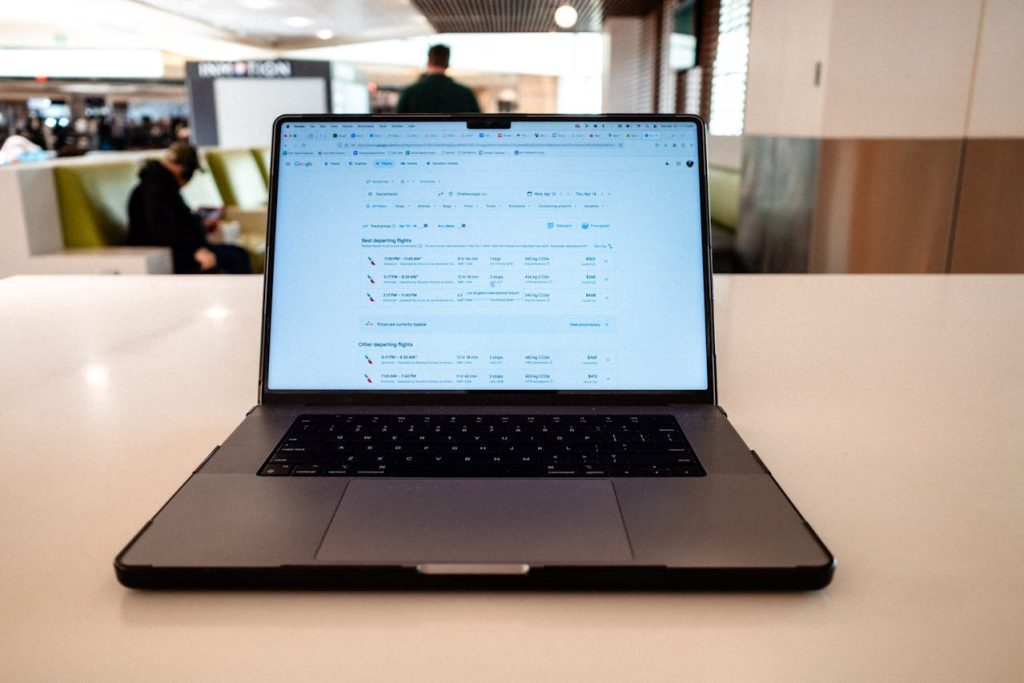
Most domestic fares move in cycles you can monitor if you start early. You usually see the best prices for U.S. routes one to three months before your trip. Airlines adjust fares several times a week, and knowing this helps you plan instead of reacting to last minute spikes. You should set alerts on Google Flights or Hopper since both track historical trends and notify you when shifts happen. Google Flights shows price history features that research from travel analysts consistently rely on. When you follow these patterns for a few weeks you’ll know when the price you’re seeing is fair or inflated, and that clarity saves real money.
2. Fly on less popular days and take advantage of flexible date tools

If you want prices that drop fast, look at Tuesdays, Wednesdays, and Saturdays. These days have lighter demand on major domestic routes which usually lowers the fare. This shift is supported by multiple airfare studies from industry analysts who track U.S. booking patterns. You can use Google Flights or Skyscanner to scan month calendars and see which days sit at the bottom of the price curve. When you adjust your trip by even one day you can see surprising cuts. You avoid crowds, you pay less, and the entire trip feels a little easier simply because you didn’t lock yourself into a peak demand window.
3. Check nearby airports and compare total travel time

Many U.S. cities have smaller airports within an hour’s drive that often show lower fares. These secondary airports compete harder which can push prices down. For example, research from airline fare analysts shows that when a budget carrier operates from a nearby airport, major airlines often match or lower their fares. When you compare airports, look at travel time instead of just distance because a smaller airport may get you in and out faster with cheaper parking and shorter security lines. You save money and sometimes even time by skipping the biggest terminal in favor of a quieter one that serves the same region.
4. Book separate legs when it actually makes sense

Booking one itinerary is easy, but it’s not always the best value. On some domestic routes you can cut costs by pairing two one way tickets instead of a round trip. Low cost carriers often price legs independently, and that can give you flexibility if you mix airlines. You should compare the round trip price with a two ticket combination and see which works better. This trick shows up often in consumer travel analyses that track domestic fare behavior. It isn’t perfect for every trip, but when the numbers line up you get more choices and sometimes even better flight times for less money.
5. Fly early in the morning to lock in better prices

Early flights usually cost less because demand is lower and airlines count on business travelers filling later seats. Industry pricing reviews show that first flights of the day often run cheaper on domestic routes. These flights also experience fewer delays because they aren’t held up by earlier aircraft running behind schedule. When you aim for departures before eight you often land a cheaper fare, a smoother travel day, and a better chance of arriving on time. You trade a little sleep for a meaningful drop in price and a calmer airport experience that starts the trip on the right note.