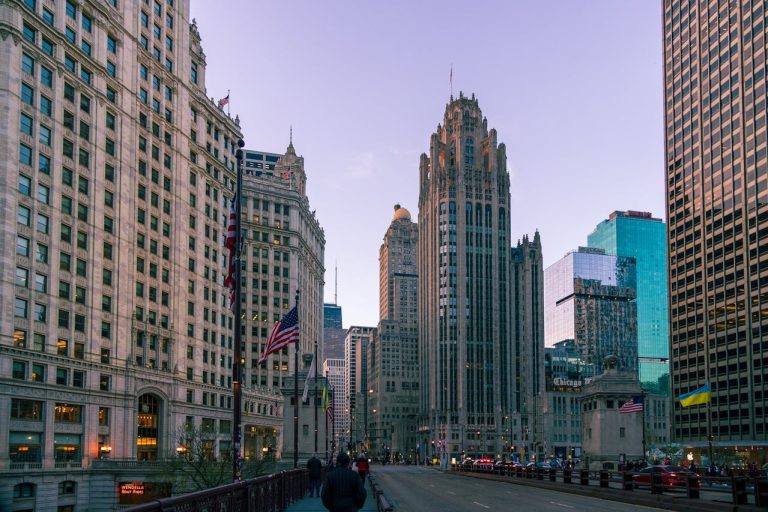
Living Without a Fixed Address: The Beauty and Cost of Constant Movement

My original long-term travel plan for 2025 involved securing a permanent lease in a high-demand coastal metropolis.
I envisioned settling into a trendy, expensive expat hub where I would build a static life, accumulate possessions, and commit to a single expensive neighborhood for years. However, reviewing the financial and logistical realities of 2026 shattered that vision entirely.
The crushing housing-driven lodging pressure in major urban centers, combined with massive inflation exposure and rising local taxes, made the idea of a fixed address feel like a financial anchor.
Instead of fighting for overpriced leases, the new strategy embraces constant movement. Living without a fixed address replaces the stagnation of the old default with a dynamic, borderless lifestyle.
I realized that geographic flexibility provides far more financial resilience and quality of life than remaining trapped in a single, overpriced city.
Chiang Mai, Thailand
Chiang Mai serves as a foundational base for location-independent workers, easily replacing the restrictive, high-cost reality of a permanent coastal metropolis.
Tourism studies suggest that the city has spent a decade refining its infrastructure to support constant movement, offering flexible, month-to-month leases that are impossible to find in the old default markets.
This agility allows travelers to maintain a high standard of living without the burden of long-term contracts.
Economic researchers report that the primary drivers are extreme affordability and digital infrastructure reliability. Travelers can access world-class coworking spaces and high-speed internet at a fraction of Western prices, effectively shielding themselves from global inflation exposure.
The city actively encourages a fluid lifestyle where long-term budgeting is highly predictable and heavily favors the foreign earner. That is the shift from struggling in a static city to thriving in motion.
The city is defined by centuries-old temples, dense jungle mountains, and a thriving street food culture.
A significant tradeoff involves intense seasonal climate stress and health system navigation. Meteorological data confirms that the annual burning season drastically reduces air quality, forcing temporary residents to abruptly relocate every spring.
Furthermore, constant movement requires securing comprehensive global medical insurance, as relying on local, out-of-pocket care for major emergencies carries a high financial risk.
Medellin, Colombia
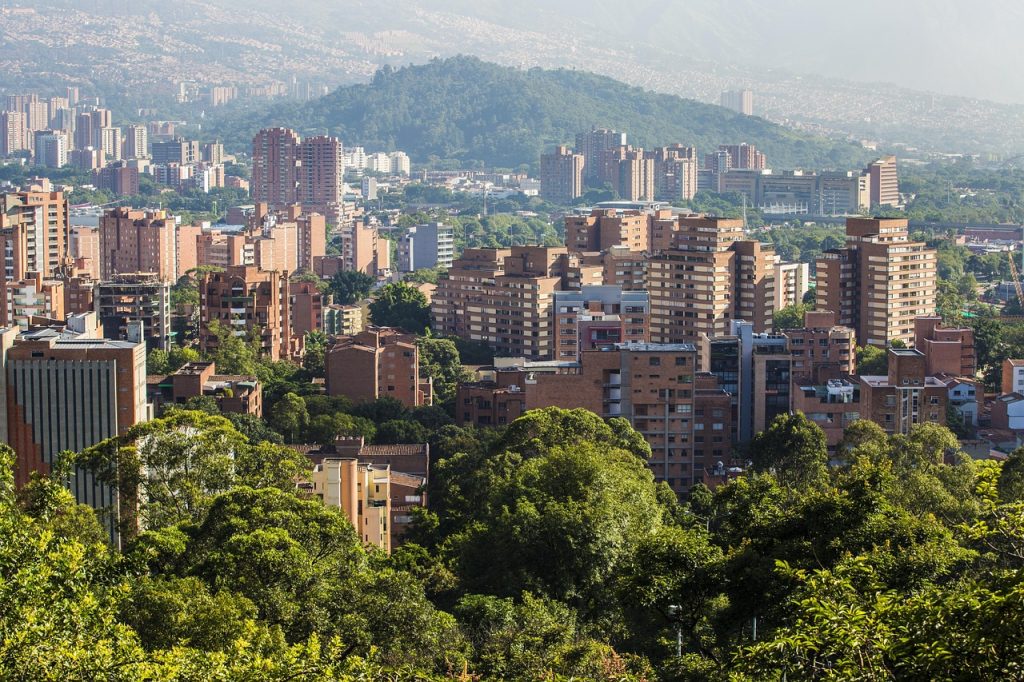
Medellin offers a sophisticated, springtime environment that heavily contrasts with the rigid, expensive lifestyle required in a traditional expat coastal hub.
Urban sociologists note that the city has transformed into a magnet for temporary residents seeking innovation and connectivity without the crushing housing-driven lodging pressure of North American markets. It provides the amenities of a major urban center while fully supporting a nomadic timeframe.
Risk analysts and economic developers explain that the drivers here are favorable currency effects and extensive transit infrastructure.
The local exchange rate provides immense purchasing power, allowing constant travelers to upgrade their living conditions effortlessly.
The robust metro and cable car systems ensure high infrastructure reliability, meaning temporary residents can navigate the sprawling valley safely and efficiently. That tradeoff matters when comparing daily life to the gridlock of the old default city.
This destination is characterized by steep Andean valleys, red brick architecture, and an eternal spring climate.
The main tradeoff is the complexity of residency or entry rules and localized security risks. Immigration officials enforce strict tourist visa limits, requiring complicated extensions or mandatory border runs for those wishing to stay longer.
Security experts also warn that while the city is highly functional, street crime remains a factor, demanding a level of situational awareness that can be mentally exhausting for those constantly moving through unfamiliar neighborhoods.
Bansko, Bulgaria
Bansko provides a unique, mountain-based ecosystem that directly challenges the necessity of paying premium rents in an expensive coastal metropolis.
Economic researchers note that this ski resort town has actively courted the borderless community, creating a massive density of coworking spaces and communal living arrangements.
It offers an incredibly low cost of entry for those prioritizing community and outdoor access over urban status.
Housing analysts point out that the drivers are exceptionally low lodging costs and tax efficiency. The abundance of empty ski apartments during the shoulder seasons allows temporary residents to secure high-quality housing for minimal investment, drastically aiding long-term budgeting.
The flat income tax rate of the country also attracts location-independent professionals looking to optimize their finances while enjoying reliable European infrastructure. That is why the math changes for the constant traveler.
The town features rugged Pirin mountain peaks, ancient cobblestone streets, and a blend of digital modernity with rural tradition.
A notable tradeoff involves significant geographic isolation and limited private health access. Rural health planners advise that serious medical emergencies often require a lengthy transfer to the capital, adding a layer of disruption risk for those without fixed local doctors.
The small-town environment can also feel culturally limited after a few months, driving the inherent need to pack up and move on.
Cape Town, South Africa
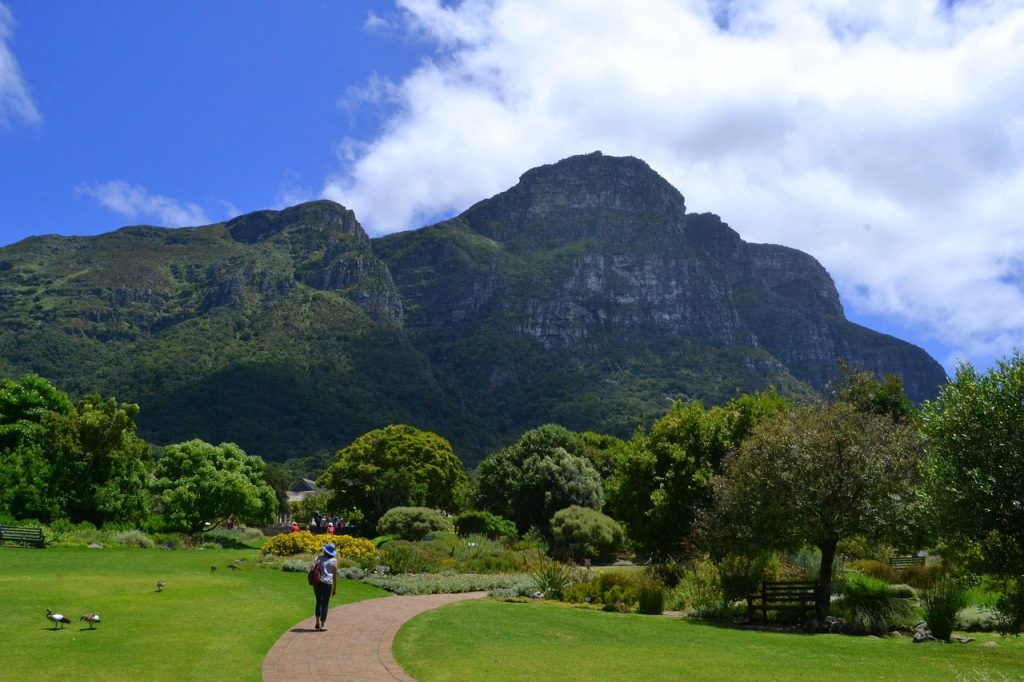
Cape Town stands as a visually stunning, nature-focused hub that easily outshines the sterile, high-tax environment of the traditional permanent urban default.
Tourism professionals explain that the city caters perfectly to the slow-traveling nomad, offering world-class culinary and outdoor experiences on a flexible timeline.
Abandoning the fixed address allows visitors to chase the Southern Hemisphere summer, completely avoiding the winter climate stress of the global north.
Economic researchers highlight that favorable currency effects and lifestyle integration are the primary drivers. The exchange rate allows temporary residents to access luxury coastal living, vineyard tours, and premium dining at highly accessible price points.
The recent introduction of specific digital nomad visas also formalizes the city’s commitment to accommodating visitors who bring their own employment, lowering the bureaucratic disruption risk significantly.
This coastal capital is known for its towering flat-topped mountain, frigid ocean breaks, and sprawling winelands.
The tradeoff involves persistent infrastructure reliability issues and intense safety logistics. Security analysts emphasize that navigating the severe inequality requires utilizing private transport and remaining hyper-vigilant in certain districts.
Additionally, the ongoing national power grid failures, known locally as load shedding, force temporary residents to prioritize accommodations with expensive backup generators to maintain their digital connectivity.