More than 1,00,000 people have disappeared in this US State since the 70s
Across the US, missing persons data is tracked by state police agencies and the FBI, but totals can look very different depending on how each case is counted. In Alaska, state records show more than 100,000 missing person reports have been filed since 1970, a figure that has drawn fresh attention because the state has one of the highest missing persons rates in the country. The number reflects reports over more than five decades, not 100,000 people currently missing.
Alaska’s long-running missing persons total

The Alaska Department of Public Safety said in a September 2024 public update that more than 100,000 missing person reports have been recorded in the state since 1970. The agency also said the vast majority of those cases were eventually resolved, with about 3,500 active missing person cases remaining in state and national databases at the time of the update. That distinction matters because one person can be reported missing more than once.
State officials have said the total is a cumulative case count built over 54 years, not a count of unique individuals. The department’s public data and prior agency statements show repeat runaway reports, welfare concerns, and short-term disappearances can all add to the long-term number. In a small-population state with roughly 730,000 residents, that cumulative total is unusually large on its face.
What the number means in Alaska
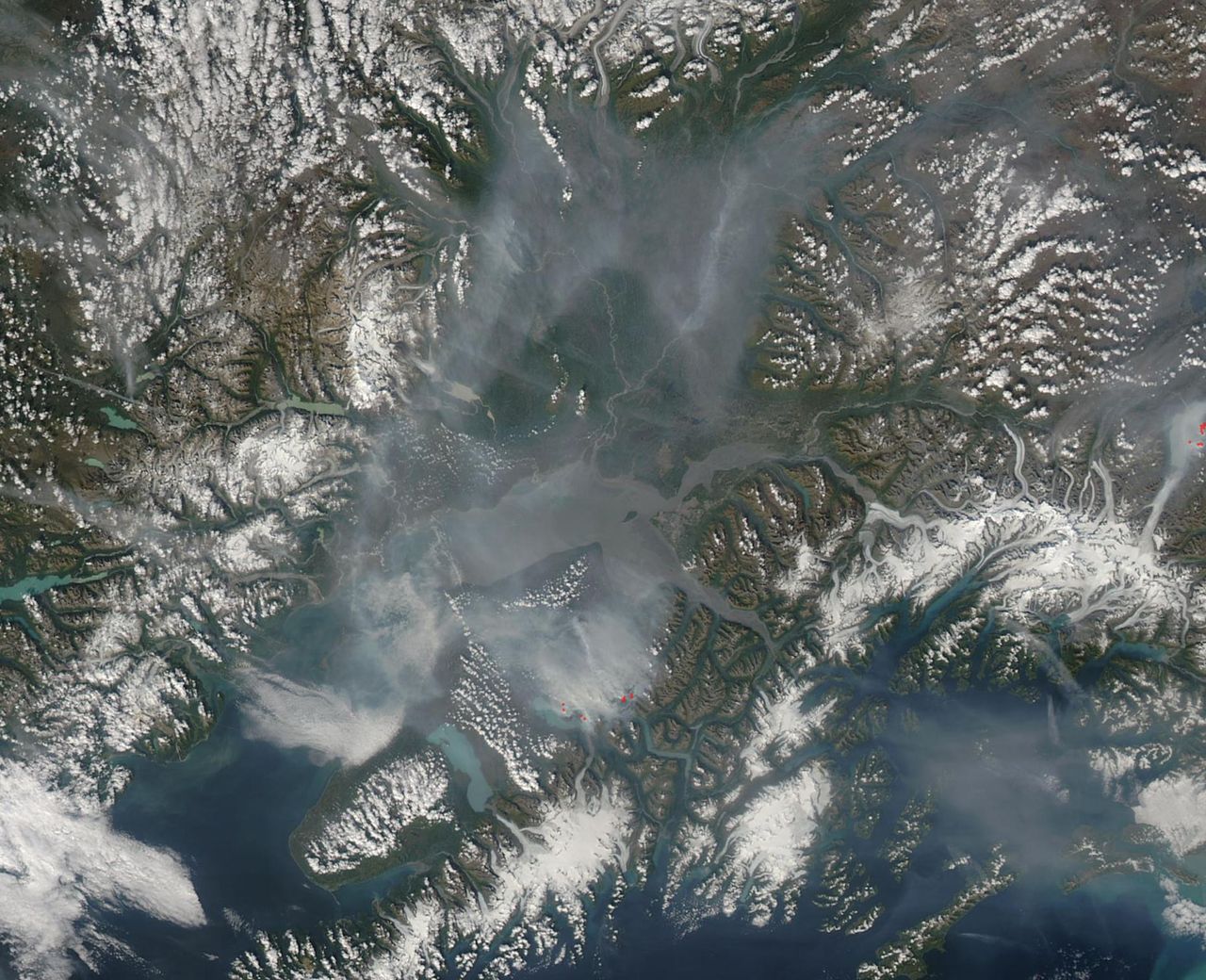
What is confirmed is that Alaska has logged the reports and that thousands of cases were still active as of September 2024, according to the Department of Public Safety. What is not publicly broken out in one full statewide release is how many of the 100,000-plus reports involved children, adults, repeat cases, or visitors from outside Alaska. The state has also not published a single public summary separating urban cases in Anchorage from remote cases in western or northern Alaska.
Federal data has consistently shown Alaska ranking near the top nationally for missing persons rates per capita. Public safety officials have tied that concern in part to the state’s geography, with hundreds of communities off the road system, as well as weather and communication barriers that can complicate search efforts. Those factors do not explain every report, but they do shape how quickly cases can be investigated.
Why Alaska’s figures stay so high

The broader context is that Alaska’s missing persons data includes decades of repeat reports, not just long-term unsolved disappearances. The Department of Public Safety has said many entries involve juveniles who were reported missing multiple times, especially in runaway situations, and each report is logged as a separate case. That accounting method can push the cumulative total upward over time even when many cases are closed quickly.
State officials and researchers have also pointed to Alaska’s isolation, large wilderness areas, and transportation limits as ongoing factors. Search and rescue operations can involve aircraft, boats, and long-distance response across areas with little cell coverage, according to Alaska public safety agencies. For residents, the practical takeaway is that the 100,000 figure reflects decades of reports, while the active case number remains far smaller and continues to change as cases are opened and cleared.