Retirement Isn’t the End of Travel It’s the Beginning of a New Kind of Freedom
Retirement changes travel in a practical way before it changes anything else. The clock stops running the trip, and that alone makes every plan feel lighter.
For years, most people built trips around short leave windows and strict return dates. They learned to move fast, pack more, and call it a good vacation if they made it home tired.
Retirement opens a different kind of space. It gives people the freedom to travel with their energy, their interests, and their real pace instead of a deadline.
That shift is why travel often feels better after work life ends. It stops being a break from life and starts becoming a richer way to live it.
The Calendar Stops Acting Like a Boss

Working life trains people to think in tight blocks, so travel becomes a project with a countdown. Every hour feels expensive, and that pressure can drain the joy before the trip even starts. Retirement breaks that pattern in a big way.
Without the office waiting on Monday, the final day of a trip feels completely different. There is no dread mixed into dinner, and no panic about packing at sunrise. The trip ends when it makes sense, not when the calendar demands it.
That freedom changes how people respond to delays, weather, and small surprises. A missed train becomes an inconvenience, not a disaster. A rainy day becomes a reason to slow down, not a ruined plan.
It also changes planning style from the beginning. Retirees can leave space on purpose instead of squeezing every day full. That breathing room makes the whole trip feel more human.
Fewer Destinations Usually Create Better Travel
Many retirees discover that seeing less can make a trip feel fuller. They stop trying to stack cities and start choosing places worth staying in.
Longer stays create rhythm, and rhythm creates memory. A neighborhood starts to feel familiar instead of temporary.
Simple routines become part of the experience. The same cafe, the same walking route, and the same corner store begin to anchor the day.
This kind of travel feels less like performance and more like real life. People are not racing to collect proof that they covered enough ground.
A slower base also helps with practical things that often get ignored on rushed trips. Laundry is easier, unpacking is easier, and meals stop feeling random. That stability lowers stress and leaves more energy for the parts that matter.
Return visits become more appealing in retirement too. Many people would rather see one place in different seasons than chase ten new ones in one year. A familiar destination can still surprise them when the pace is different.
Longer stays also improve decision-making inside the trip. There is time to skip a crowded attraction today and try again tomorrow. That flexibility leads to better timing, better moods, and better memories.
The result is not less adventure, just better depth. Retirees often come home with fewer checkmarks and stronger stories. That trade feels worth it because the trip actually had room to land.
Mornings Start Belonging to the Traveler Again
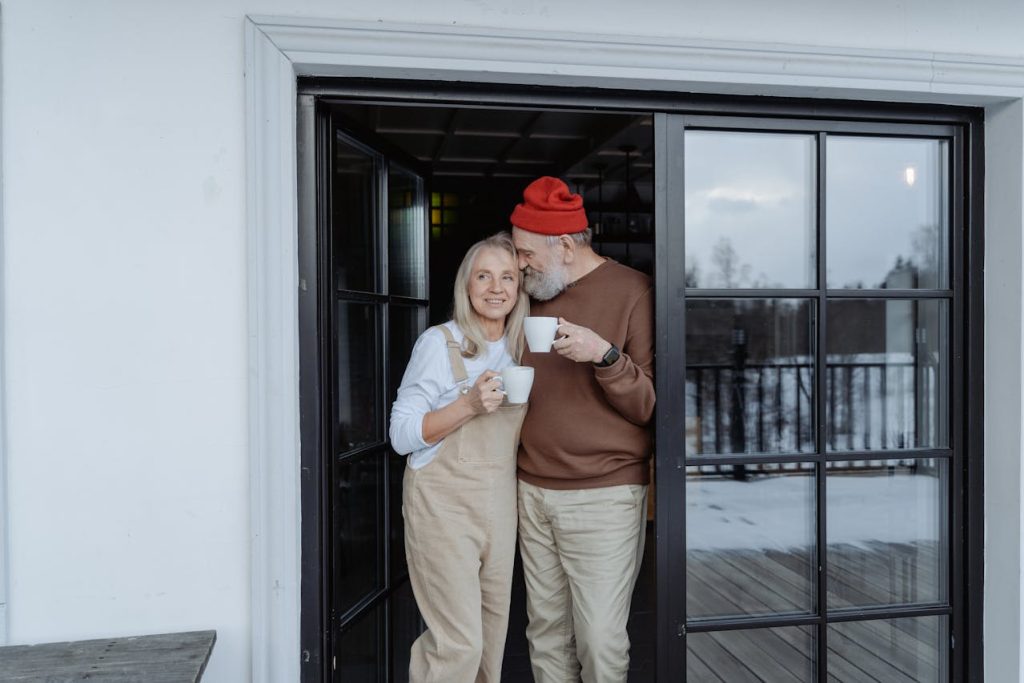
Retirement gives mornings back to the traveler, and that changes the tone of the whole day. There is no forced rush to beat an overpacked itinerary. The day can begin at a natural pace.
Some mornings start with a long breakfast and a slow walk instead of a checklist. That does not waste time, it sets the rhythm. People notice more when they are not sprinting through the first hour.
The sounds of a place come through more clearly in slower mornings. Travelers hear shutters opening, cups clinking, and streets waking up. Those small details often become the most vivid memories later.
A calmer morning also protects energy for the rest of the day. Retirees can choose one good outing instead of four rushed ones. That simple shift makes the trip feel sustainable and enjoyable.
Time Flexibility Makes the Budget Work Smarter
Retirement travel is not always about spending more money. In many cases, it works better because time flexibility creates better options.
People with open schedules can travel in shoulder season and avoid peak pricing. They can choose dates based on value instead of work leave.
Longer stays can unlock lower nightly rates, especially in rentals and smaller hotels. A week and a half often costs less per night than a quick weekend.
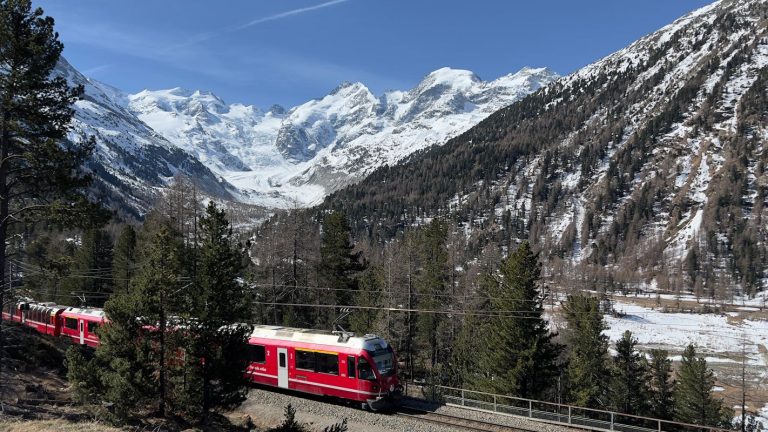
Transportation choices improve too when time is not tight. A slower train or a longer route can be cheaper, calmer, and more scenic.
Flexible timing also cuts down on panic spending. Travelers are less likely to pay for expensive taxis, rushed meals, or bad last-minute bookings. When the day has space, money decisions usually get better.
Retirees can also build trips around local price patterns. They can shift destinations by a week or a month if rates are too high. That kind of freedom is hard to use during working years, but it becomes a real advantage later.
Budget travel after retirement often feels better because it does not feel deprived. People can spend where they care and save where they do not. The trip feels intentional instead of reactive.
This makes travel more repeatable, which matters just as much as comfort. A trip that fits the budget without stress is easier to plan again. Retirement freedom grows when travel becomes sustainable, not rare.
Comfort Stops Feeling Like a Compromise

One of the best changes in retirement travel is the way comfort gets treated. It stops being an apology and starts being part of a smart plan. That shift improves everything from mood to stamina.
Retirees tend to get clearer about what actually makes a day enjoyable. A quiet room, decent sleep, and walkable surroundings matter more than flashy extras. Those choices are not boring, they are useful.
The same thing happens with pacing. Two meaningful stops can feel richer than six rushed ones, especially when there is time to sit, eat, and recover. Comfort gives the day shape instead of draining it.
This is why retirement travel often feels stronger on day 10 than day two. People protect their energy instead of burning through it. Adventure still happens, but it happens in a way the body can enjoy.
Solo Freedom and Shared Travel Both Improve
Retirement opens room for people to travel alone in ways they postponed for years. Many finally take the solo trip they kept talking about but never had time to plan.
That solo freedom feels different after retirement because there is less pressure to make it perfect. People can wander, rest, and change plans without feeling like they wasted precious leave days.
Shared trips improve too, especially with spouses, siblings, or old friends. There is less arguing about time because no one is cramming everything into four days.
The social tone gets softer when the schedule is not tight. Conversations get better, and so does patience.
Retirees also have more space for local interaction. They can join a small tour, stay for an extra chat, or return to the same cafe and be recognized. Those small moments create warmth that rushed travel rarely leaves room for.
For couples, retirement travel can become a new way of learning each other again. Without work stress in the background, shared preferences become clearer. They figure out what pace, what places, and what routines feel best together.
For solo travelers, confidence grows quickly with longer and slower trips. They build trust in their own timing and choices. That confidence often spills into daily life after they get home.
Whether the trip is solo or shared, the key benefit is the same. Retirement removes the constant time pressure that makes people tense. Once that pressure drops, travel starts feeling more open and more enjoyable.
Curiosity Starts Leading the Day
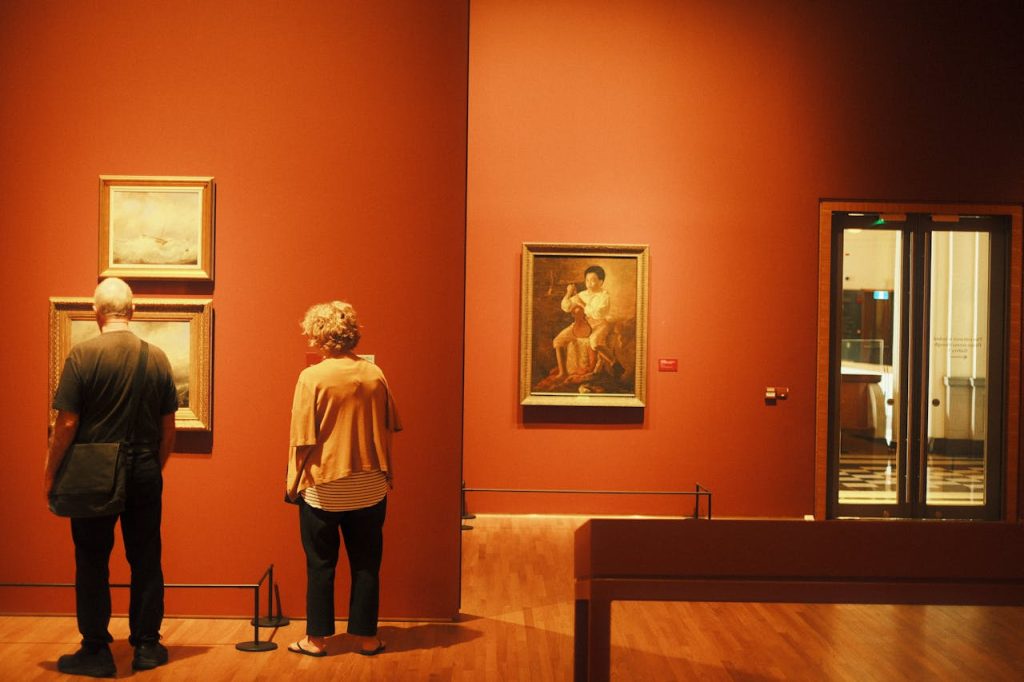
Retirement travel gets better when curiosity takes the wheel. People stop asking what they are supposed to see and start noticing what actually interests them. That change makes every day feel more personal.
A local history museum, a quiet walking trail, or a regional food market can become the highlight of the trip. These are not always famous places, but they often leave the strongest impression.
Curiosity also works better when there is margin in the day. Retirees can follow a side street, sit in one square longer, or return somewhere they liked. That freedom creates discovery instead of just movement.
This is where travel starts to feel like a real chapter of life. The trip reflects the traveler’s mind, not just a guidebook list. It becomes less about coverage and more about connection.
Travel Becomes a New Chapter Instead of a Reward
The biggest change in retirement travel is emotional, not logistical. Travel stops feeling like a prize earned after stress and starts feeling like a normal part of life.
That shift is powerful because it changes how people plan. They are not trying to squeeze meaning into one perfect week.
Trips can now be built around seasons, interests, and energy. One year may be for family visits and short drives, while the next may include a long stay abroad.
This freedom also softens the fear of missing out. There is time to come back, time to try again, and time to go deeper.
Retirement travel often leads people to create personal traditions. They revisit a town each spring, take one long train trip every fall, or explore one region slowly over several years. These habits give travel continuity and a deeper sense of belonging.
It also helps people stay engaged with life in a very direct way. Planning routes, learning local customs, and navigating unfamiliar places keeps the mind active. The trip becomes both pleasure and practice.
Most of all, retirement travel restores choice. People can decide what matters on a given day and build around that truth. That kind of freedom feels bigger than tourism because it touches daily life too.
In the end, retirement is not the end of travel at all. It is the stage where travel finally gets enough time to feel complete. The freedom is not just where to go, but how to live while getting there.