The 10 Asian Markets Tourists Call Filthy Pickpocket Havens
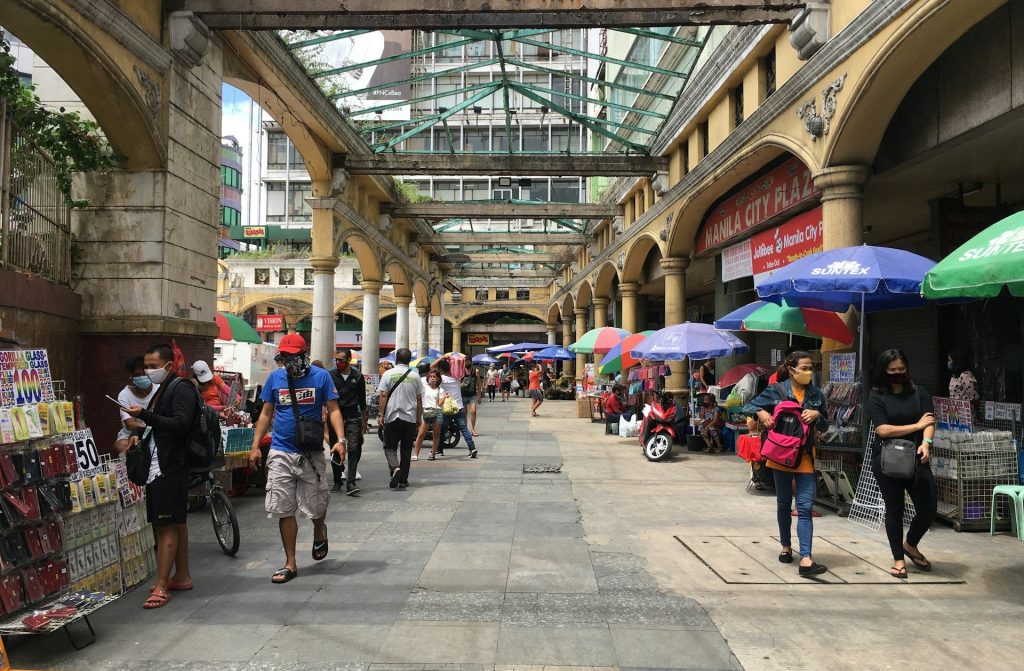
Markets show a city at full volume: smoke from grills, sharp spice scents, tarps, and aisles that tighten as crowds build. The best ones feel alive, and that same energy can also feel overwhelming.
Tourists who leave frustrated usually describe the same mix of friction: damp floors after rain or washing, overflowing trash at peak hours, and bottlenecks where people stop to haggle or film.
In that crush, petty-theft worries rise because attention shifts to change, photos, and navigation. A morning visit, fewer valuables in hand, and a clear exit plan often decide whether the visit feels lively or exhausting.
Chatuchak Weekend Market, Bangkok
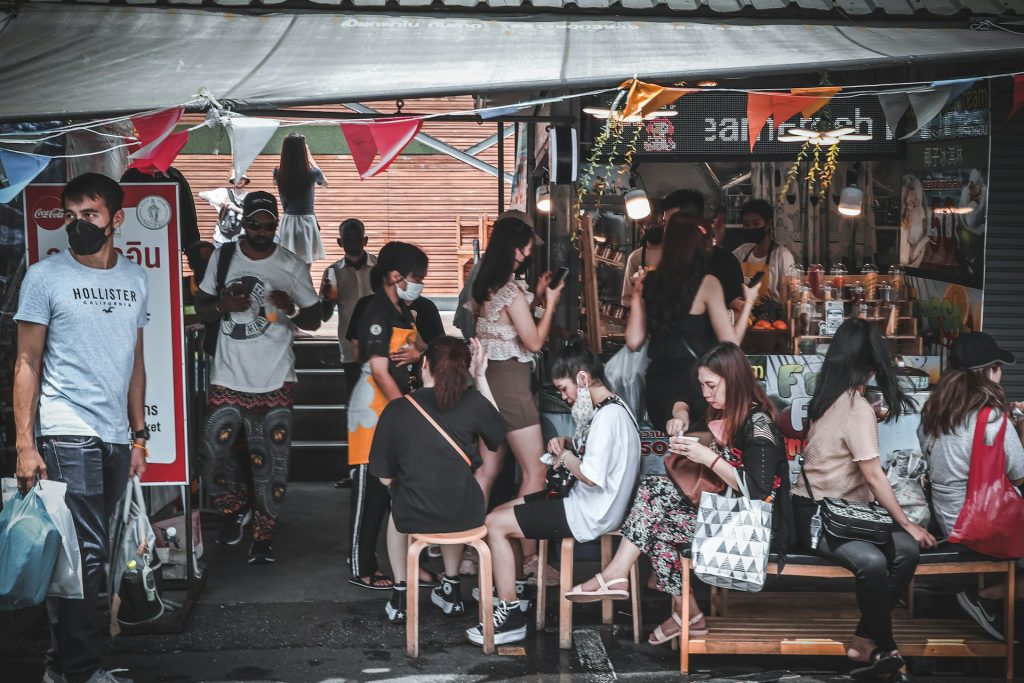
Chatuchak can feel like a small city, and on hot weekends the lanes turn into slow traffic. Food smoke, heat, and tight aisles make it easy to lose track of time and exits. Dehydration and fatigue build faster than expected.
Tourists often flag the map corners and food courts as the most distracting zones. Hands reach for change, phones come out for photos, and bumps blend into the normal flow. That is when zippers get forgotten.
The market feels friendlier early, when walkways are clear and vendors have time to talk. Later, the maze can feel tiring, and browsing becomes more about moving than choosing. A focused route helps.
Ben Thanh Market, Ho Chi Minh City
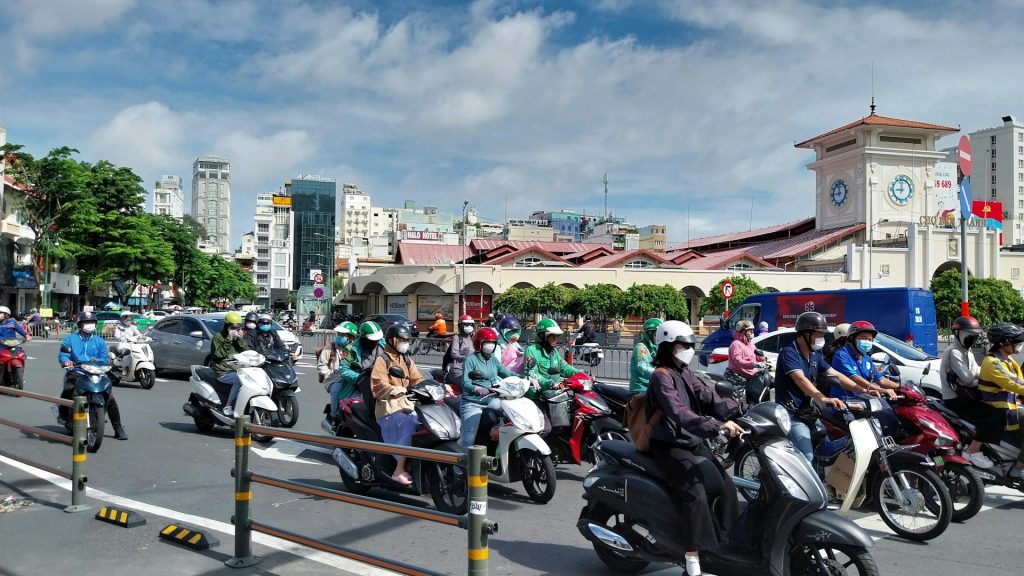
Ben Thanh is compact and constantly in motion, so midday can feel crowded fast. Narrow aisles, warm indoor air, and sudden stops keep the pace jumpy near the main gates. Pressure rises when tour groups arrive.
Tourists often mention petty theft concerns around entrances where groups bunch up. When attention is on bargaining and bags of purchases, it is easy to forget where a phone or wallet sits. Crowded corners reward simple routines.
Visits feel calmer in the first hours of the day, when shoppers can browse slowly. At peak times, the scents and colors still impress, but the experience can feel rushed. Many prefer a short loop.
Dong Xuan Market, Hanoi
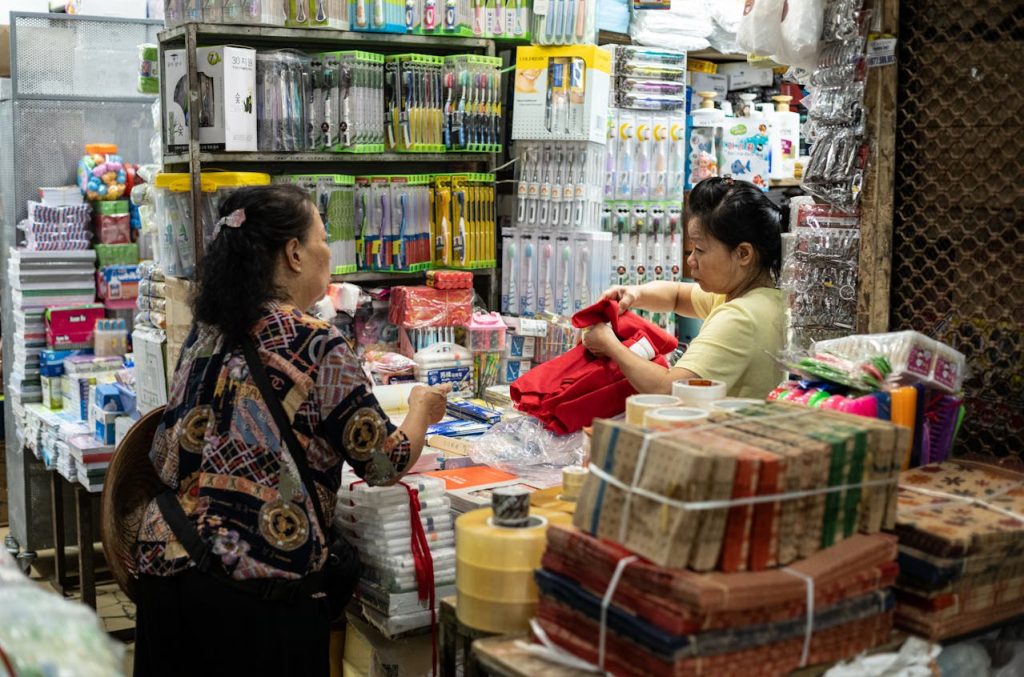
Dong Xuan’s indoor blocks are dense, with stacked goods, tight turns, and wet patches after cleaning or rain. When it is busy, the air feels humid and movement comes in surges. The noise of carts and calls fills the hall.
Tourists describe the toughest moments near stairways and doorways, where the flow narrows. Distractions multiply: counting change, checking sizes, and dodging carts in close quarters. Small items need a consistent pocket.
At quieter hours, the market reads as Hanoi commerce, not a squeeze. With more space, shoppers notice the variety, chat with vendors, and leave feeling satisfied. It helps to pause in wider aisles.
Petaling Street Market, Kuala Lumpur
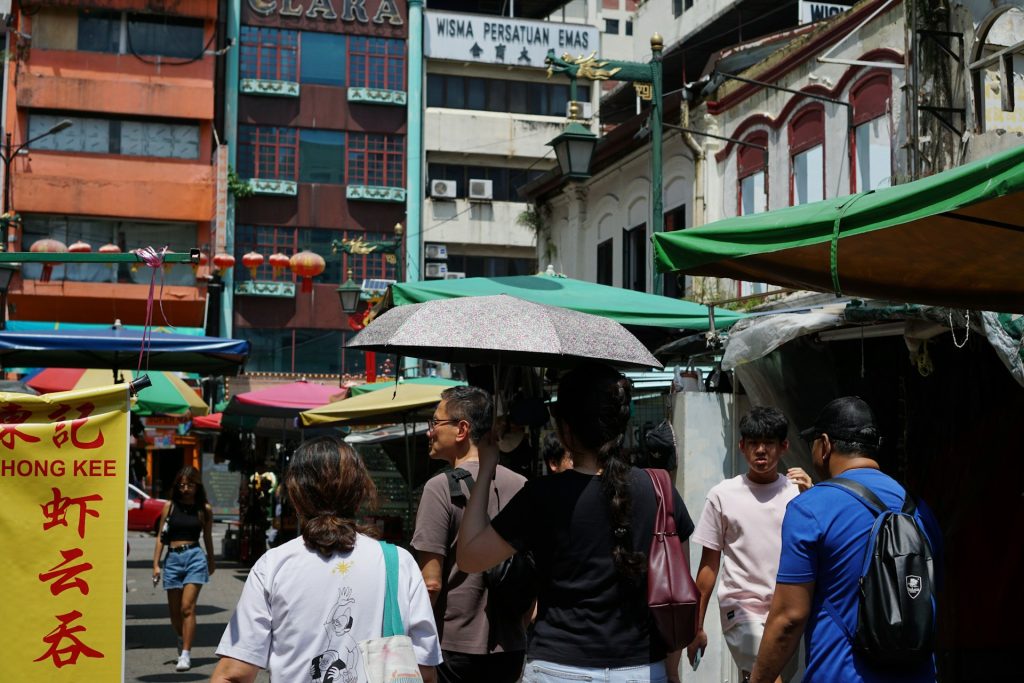
Petaling Street comes alive at night, but peak hours can turn it into a slow shuffle. Rainy evenings add slick patches, and smoke, music, and bright lights keep senses busy. The covered lane can feel warm when packed.
Tourists often say the risk is distraction. When someone stops to haggle, the crowd compresses, and it becomes easy to lose track of an open pocket or a half-closed zipper. Cross-streets create sudden squeezes.
The street feels best when it is lively but still walkable, with room to step aside. When the lane locks up, the night can feel more like crowd management than browsing. Earlier dinner hours feel calmer.
Ladies’ Market, Hong Kong
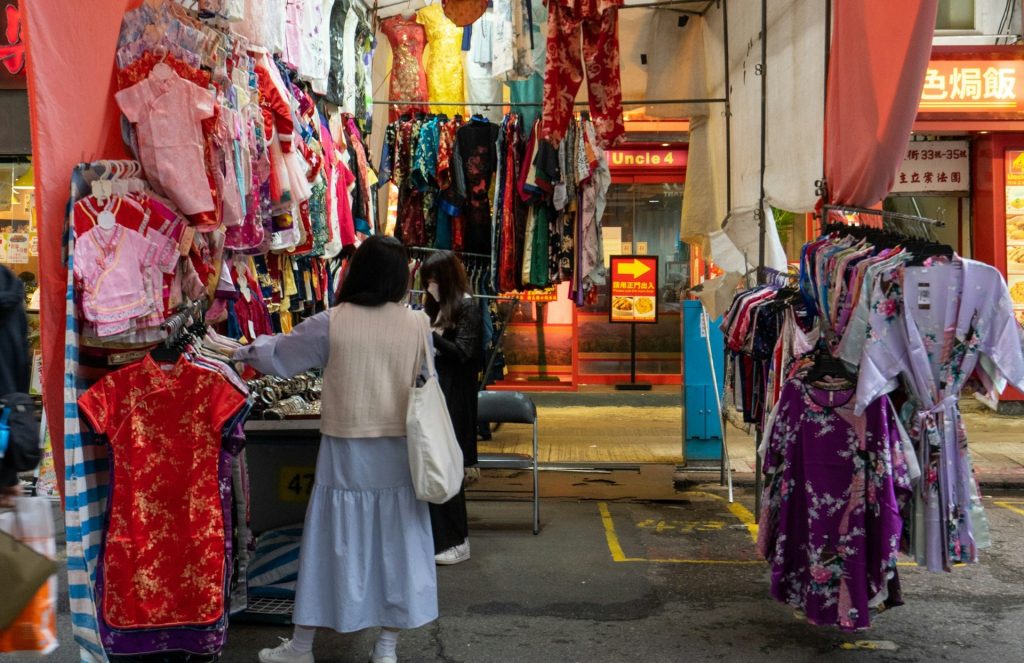
The Ladies’ Market is built for browsing, yet the walkway can tighten into a slow drift at peak hours. Carts, signs, and tour groups compete for space, and the lane stalls. Humidity and bright lights add to the strain.
Tourists often point to the middle stretch where people stop to compare prices. In that squeeze, a light bump feels normal, which is why keeping valuables in one secure place matters. Bags worn behind the body invite worry.
Earlier evenings bring more room for banter and browsing, while late-night crowds can flatten the charm and turn the visit into a careful shuffle down the lane. A quick exit plan reduces stress.
Chandni Chowk, Delhi
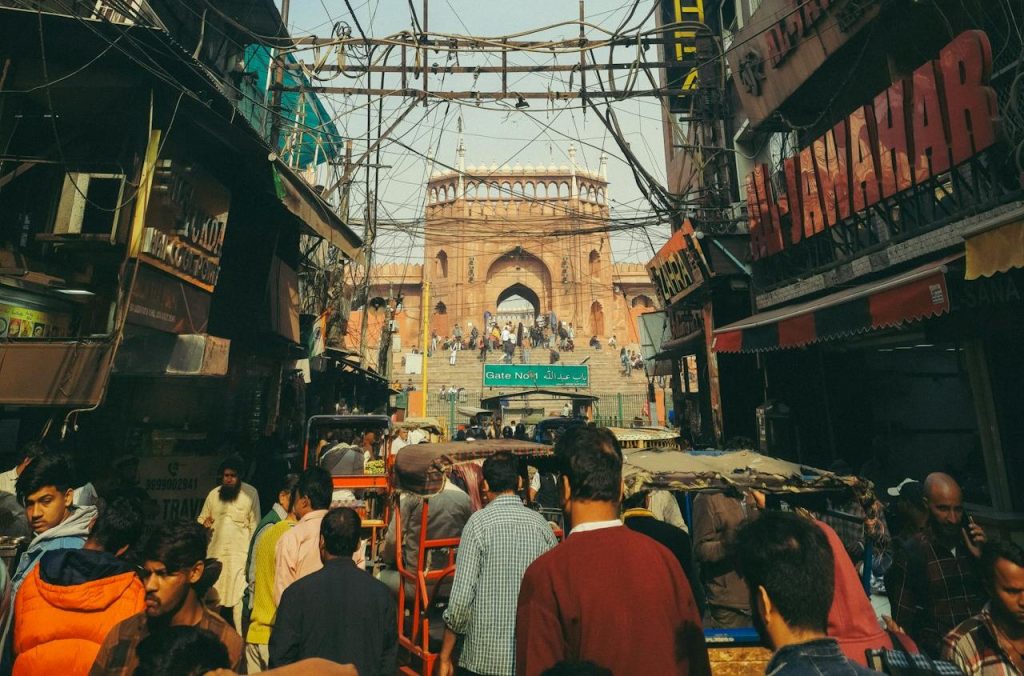
Chandni Chowk is a living maze of lanes, with spice sacks, fabric stacks, and handcarts threading through inches of space. The sensory rush is the appeal, and it can be exhausting. Traffic noise and heat keep attention split.
Tourists often warn that dense moments raise petty theft worries, because focus shifts to navigation and bargaining. With so much motion, small items are easy to misplace. Payment moments can be the most distracting.
The area rewards a slower plan, since short distances can take time. When the lanes open up, the food and shops feel joyful, and the visit lands better. Clear meeting points help groups.
Divisoria Market, Manila
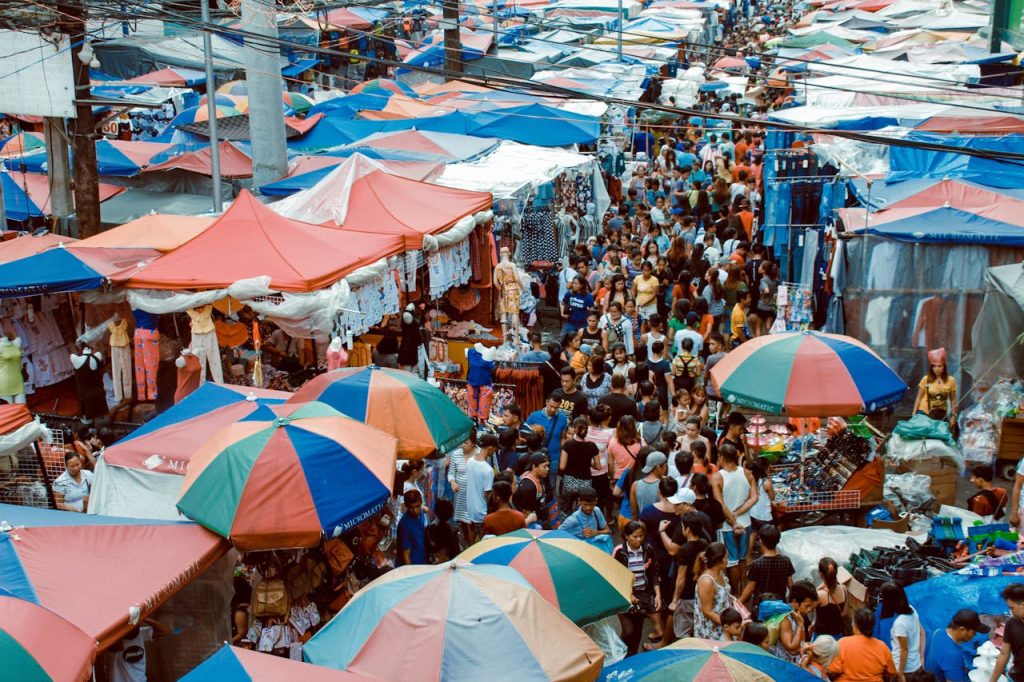
Divisoria is famous for low prices and huge variety, and that popularity brings heavy crowds. Stalls spill into narrow lanes, noise stays high, and the visit can feel fast. Weekend surges can turn walking into shuffling.
Tourists describe the challenge as staying organized while purchases, change, and directions happen at once. In a tight flow, a phone in hand or a wallet in a loose pocket draws attention. It helps to pack purchases quickly.
At its best, the market feels like a real city heartbeat, with quick deals and snacks nearby. At peak hours, visitors can leave tired, wishing for more space to browse. Early mornings feel smoother.
Central Market, Phnom Penh
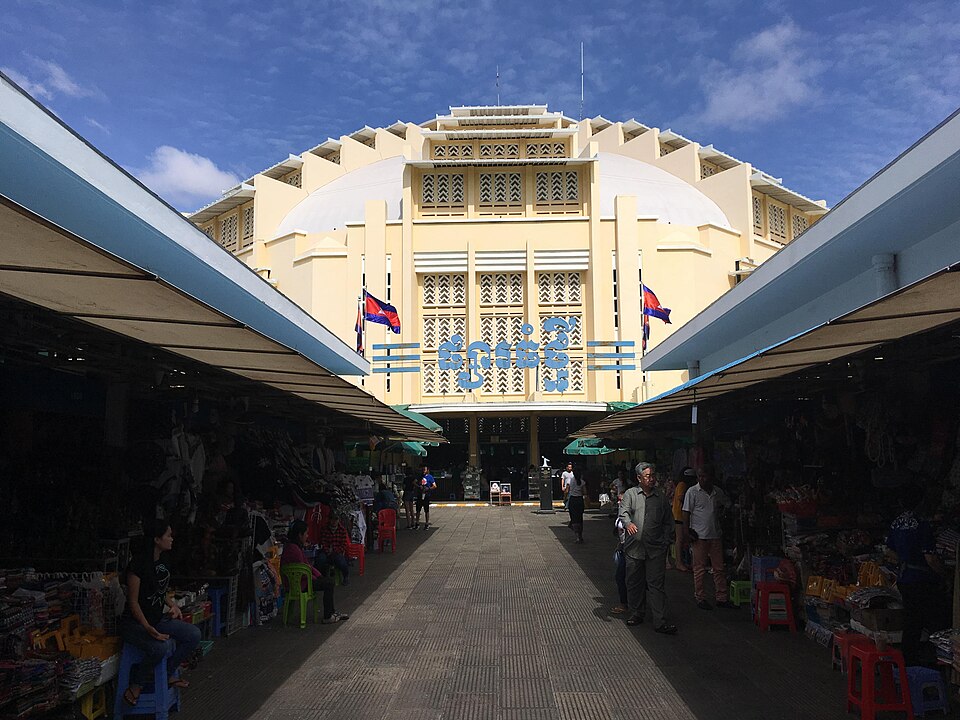
Phnom Penh’s Central Market sits under a domed hall that can trap heat when aisles fill. Movement slows near entrances and food stalls, and the stop-and-go rhythm adds friction. Damp patches after cleaning can surprise hurried feet.
Tourists often mention keeping phones and wallets secured because close contact is constant. Corners get distracting as people turn, pause, and negotiate, and the flow narrows around counters.
When there is room, the market feels lively and friendly, with time to browse jewelry, textiles, and snacks. When it is packed, comfort drops, and browsing feels tense. Short visits can work best.
Tanah Abang Market, Jakarta
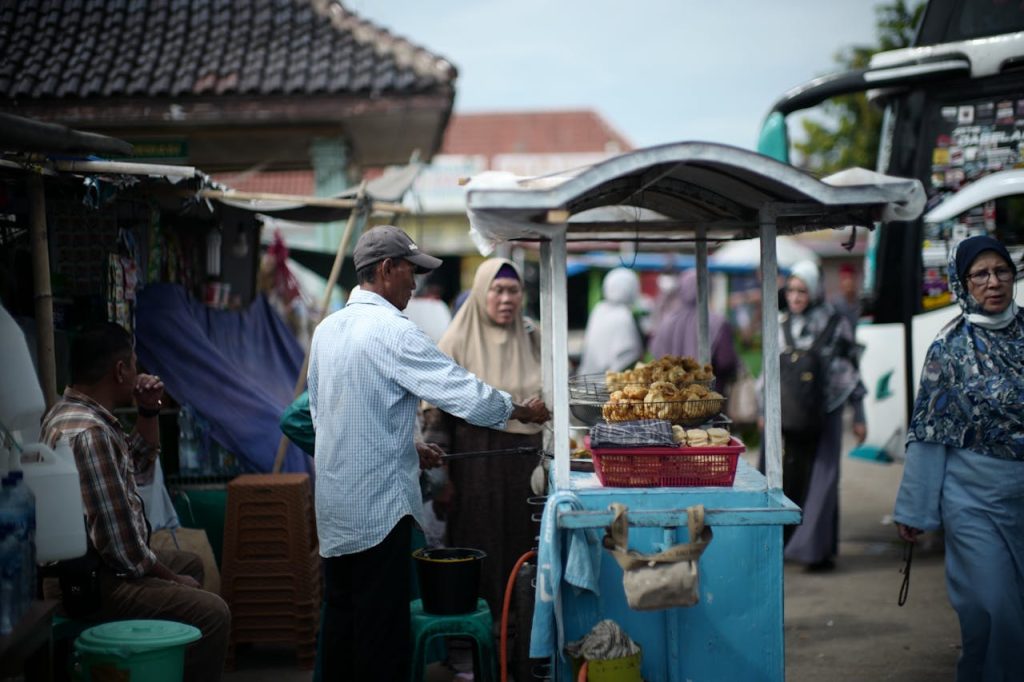
Tanah Abang is enormous, and its scale can overwhelm first-time visitors. Long corridors, tight stairways, and dense crowds make progress slow, especially by late morning. Finding a specific block can take longer than planned.
Tourists often describe the main risk as distraction. With hands full of bags and eyes on prices, it is easy to forget a zipper or set a phone down briefly in a crowded corner. Stair landings can feel especially cramped.
On calmer days, the market is a fascinating look at local trade, with serious selection and sharp prices. When it is packed, patience becomes the real cost. A short shopping list helps.
Temple Street Night Market, Hong Kong

Temple Street mixes bright stalls, fortune tellers, and street food, and the lane can bottleneck quickly. Tables, stools, and tour groups compress the walkway into a slow shuffle. Even small pauses can back up the flow.
Tourists describe the hardest moments as sudden stops: bargaining, filming, or turning back against the flow. In that rhythm, open bags and loose pockets are easy to forget. The busiest food rows feel tightest.
The market feels best when it is busy but still breathable, with room to pause and watch the scene. When it turns wall-to-wall, the fun can fade into awareness. Earlier hours often feel easier.